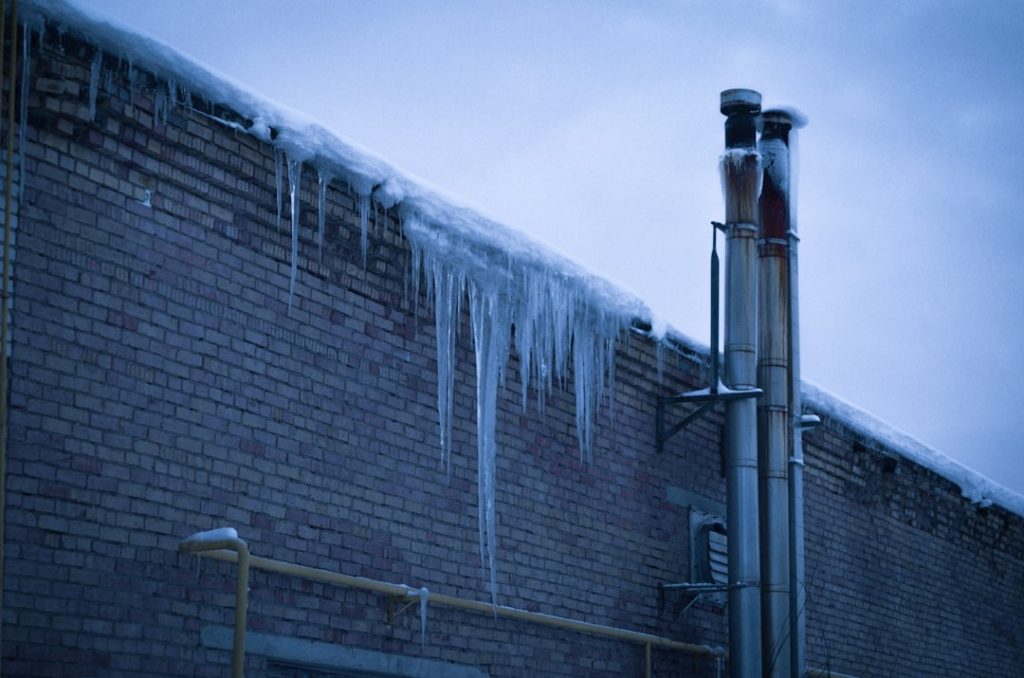
When winter’s chill sets in, you might find yourself wondering about the durability of your home’s infrastructure, especially those PVC pipes. As temperatures drop, the question arises: Does PVC pipe freeze in winter?
This concern isn’t just for the DIY enthusiast; it’s for anyone who wants to avoid costly repairs and ensure their home runs smoothly through the cold months. Imagine waking up to a burst pipe and a flooded basement—definitely not a pleasant start to your day! By understanding how PVC pipes react to freezing temperatures, you can take proactive steps to protect your home.
Dive into this article to uncover the facts, and arm yourself with knowledge that could save you time, money, and a whole lot of hassle.
Pvc Pipe And Cold Weather
PVC pipes are popular for plumbing and irrigation. Their behavior in cold weather often raises questions. Understanding how PVC reacts to freezing temperatures helps prevent damage and costly repairs. Cold climates pose challenges, but knowing the facts about PVC and winter can guide proper care.
How Pvc Reacts To Freezing Temperatures
PVC pipe itself does not freeze. Water inside the pipe can freeze and expand. This expansion puts pressure on the pipe walls. If the pressure is too high, the pipe may crack or burst.
PVC is rigid but has some flexibility. This flexibility helps it resist small stresses from ice formation. Still, pipes filled with water are vulnerable during very low temperatures. Proper insulation reduces the risk of freezing inside pipes.
Common Misconceptions About Freezing
- Many think PVC pipes freeze faster than metal pipes. Actually, water freezes at the same temperature regardless of pipe material.
- Some believe PVC pipes shatter easily in cold. PVC often bends slightly before breaking, showing some toughness.
- People assume thicker pipes never freeze. Thickness helps but does not stop water from freezing inside.
- There is a myth that empty pipes cannot be damaged by cold. Pipes without water avoid freezing damage but can still crack from extreme cold.

Credit: www.nbqxhy.com
Conditions Leading To Pvc Pipe Freezing
Understanding the conditions that lead to PVC pipe freezing is key to protecting your plumbing during cold weather. Not every chilly day will cause your pipes to freeze, but certain factors increase the risk significantly. Knowing these can help you take effective steps to avoid costly damage.
Temperature Thresholds For Freezing
PVC pipes can freeze when the surrounding temperature drops below 32°F (0°C). However, the exact temperature at which freezing happens depends on how long the pipes are exposed to the cold. Pipes exposed to temperatures just below freezing for several hours are more likely to freeze than those in brief cold spells.
Your home’s insulation and the location of the pipes also matter. Pipes in unheated areas like basements, crawl spaces, or exterior walls freeze faster. Have you checked if your pipes are well-protected in these vulnerable spots?
Impact Of Water Inside The Pipes
The water inside PVC pipes plays a crucial role in freezing risk. Still water freezes faster than flowing water, so leaving taps dripping during cold snaps can reduce the chance of pipes freezing. This simple action keeps water moving and lowers the freezing point inside the pipe.
Also, the pipe diameter affects freezing time. Narrow pipes freeze quicker since less water volume means faster temperature drop. Think about the pipes in your home—are smaller pipes more exposed or insulated?
Risks Of Frozen Pvc Pipes
Frozen PVC pipes pose serious risks during winter. When water inside these pipes freezes, it expands and puts intense pressure on the pipe walls. This can lead to costly repairs and major inconvenience for your home or business.
Pipe Bursting And Damage
When water freezes inside PVC pipes, it expands by about 9%. This expansion can cause the pipe to crack or burst, especially if the freezing lasts for several hours or days. Unlike metal pipes, PVC is somewhat flexible but still vulnerable to splitting under extreme pressure.
Imagine waking up to a flooded basement because a hidden pipe burst overnight. Repairing the damage usually means replacing sections of the pipe and fixing water damage to walls or floors. The cost and hassle can escalate quickly if you don’t catch the problem early.
Signs Of Frozen Pipes
Detecting frozen PVC pipes early can save you from major headaches. Some common signs include:
- Reduced water flow or no water coming from faucets.
- Visible frost on exposed pipes.
- Unusual sounds like banging or knocking inside the walls.
- Water that looks cloudy or has strange particles.
If you notice these signs, acting fast is crucial. Have you checked your pipes after the last cold snap? Small clues can prevent big problems.

Credit: www.spi-co.com
Preventing Pvc Pipe Freezing
Preventing PVC pipe from freezing is essential to avoid costly damage during winter. Frozen pipes can burst, causing leaks and water damage. Taking steps to protect your pipes keeps your home safe and plumbing intact.
Several effective methods help maintain pipe temperature and prevent freezing. These methods include adding insulation, installing pipes correctly, and using heat sources designed for pipes.
Insulation Techniques
Insulating PVC pipes reduces heat loss and protects against cold air. Use foam pipe sleeves or fiberglass wrap for best results. Cover all exposed sections, especially those in unheated areas.
- Choose insulation with proper thickness for your climate
- Seal joints and gaps to keep cold air out
- Use weather-resistant materials for outdoor pipes
Proper Installation Practices
Install pipes in warm areas inside the home when possible. Avoid placing pipes near exterior walls or windows. Keep pipes away from drafts and vents that bring cold air.
- Run pipes through insulated walls or ceilings
- Ensure pipe slope allows water to drain freely
- Use protective barriers between pipes and cold surfaces
Heat Tape And Other Solutions
Heat tape provides direct warmth to pipes at risk of freezing. Wrap the tape around the pipe and plug it into a power source. Follow manufacturer instructions carefully for safe use.
- Use thermostatically controlled heat tape for energy efficiency
- Combine heat tape with insulation for better protection
- Consider heated enclosures or pipe heating cables as alternatives
Dealing With Frozen Pvc Pipes
Frozen PVC pipes can cause serious plumbing problems in winter. Ice inside the pipes blocks water flow and may cause the pipe to crack. Acting quickly to thaw frozen pipes helps prevent bursts and costly repairs.
Knowing how to safely warm frozen PVC pipes reduces the risk of damage. Gentle heating methods restore water flow without harming the pipe material. Careful thawing protects your plumbing and home from water damage.
Safe Thawing Methods
- Use a hair dryer on low heat. Keep it moving along the pipe.
- Wrap pipes with warm towels soaked in hot water.
- Use an electric heating pad set on low around the frozen area.
- Apply a space heater nearby, but keep it at a safe distance.
- Turn on faucets to allow melted water to flow out.
Avoiding Pipe Damage During Thawing
- Never use open flames like a blowtorch or matches.
- Avoid high heat that can soften or warp PVC pipes.
- Do not pour boiling water directly on pipes.
- Check pipes often while thawing to prevent overheating.
- Insulate pipes after thawing to prevent refreezing.
Long-term Care For Pvc Pipes In Winter
Long-term care is vital for PVC pipes during winter months. Protecting pipes from freezing protects your home and plumbing system. Proper care extends pipe life and reduces costly repairs. Regular checks and simple actions can prevent damage from cold weather. Focus on maintenance and material upgrades to keep pipes safe and functional.
Maintenance Tips
- Inspect pipes for cracks or weak spots before winter.
- Wrap exposed pipes with insulation sleeves or foam.
- Seal gaps around pipes to stop cold air entry.
- Keep the heat on in your home, even when away.
- Allow faucets to drip slightly to prevent freezing.
- Drain outdoor hoses and shut off water supply to them.
- Check for any leaks and fix them promptly.
Upgrading To Freeze-resistant Materials
Consider replacing old PVC pipes with freeze-resistant options. These pipes handle cold temperatures better and reduce freeze risks. Materials like CPVC or PEX offer more flexibility and strength. Choose pipes rated for low temperatures in your area. This upgrade improves durability and lowers maintenance needs. It is a smart long-term investment for winter care.

Credit: www.voyagerplumbing.com
Frequently Asked Questions
Does Pvc Pipe Freeze In Winter Temperatures?
PVC pipes can freeze in extreme cold, causing potential damage. Proper insulation helps prevent freezing during winter months.
How To Prevent Pvc Pipes From Freezing?
Insulate pipes with foam sleeves or heat tape. Keep areas warm and allow water to drip to avoid freezing.
What Happens If A Pvc Pipe Freezes?
Frozen PVC pipes may crack or burst due to expanding ice. This leads to costly repairs and water damage.
Is Pvc Better Than Metal For Cold Climates?
PVC resists corrosion and is easier to insulate. However, extreme cold can still freeze PVC pipes without protection.
Conclusion
PVC pipes can freeze in very cold weather. Water inside the pipe expands when frozen. This can cause the pipe to crack or burst. To avoid damage, keep pipes insulated and warm. Let faucets drip slowly during freezing nights. Knowing how to protect pipes saves costly repairs.
Winter brings challenges, but proper care helps pipes last. Stay prepared and watch your plumbing this winter.