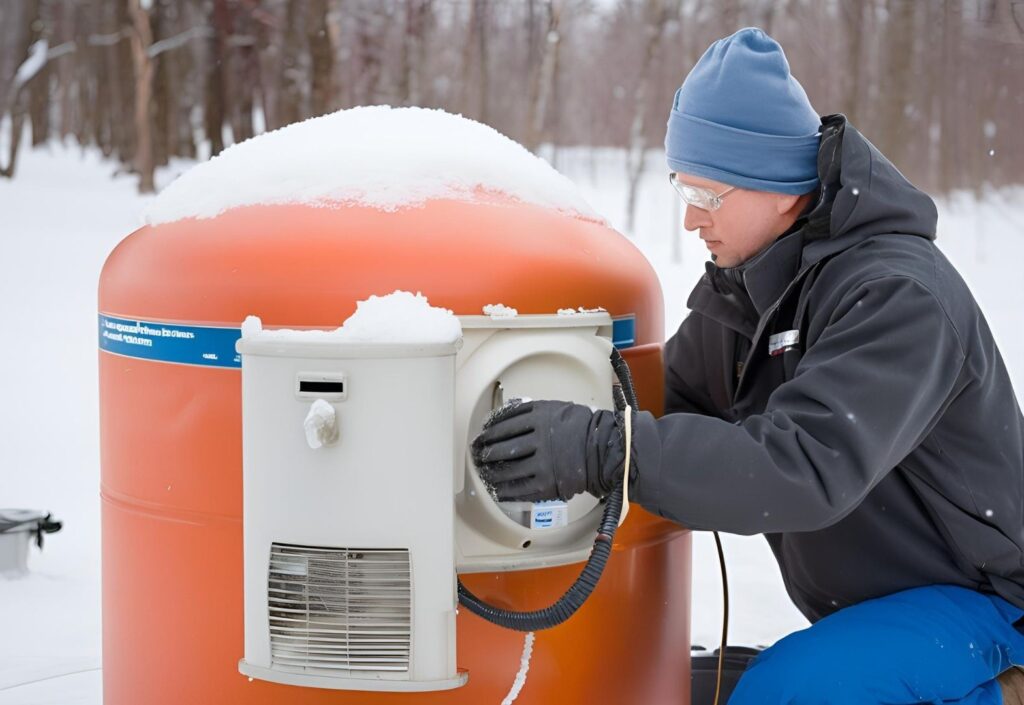
You’re in the middle of a chilly winter and your propane tank suddenly starts freezing up. Frustrating, isn’t it?
You rely on that tank to keep your home warm, your meals cooked, and your water hot. But when it freezes, everything grinds to a halt. So, how do you prevent this from happening? Imagine the peace of mind you’ll have, knowing your propane tank is running smoothly, even on the coldest days.
In this guide, you’ll discover simple, effective strategies to keep your propane tank from freezing, ensuring a steady and reliable source of energy throughout the winter. Stick around to learn these valuable tips that could save you time, money, and a whole lot of hassle.
Credit: bryansfuel.on.ca
Why Propane Tanks Freeze
Propane tanks can freeze in cold weather due to how propane changes from liquid to gas. Propane must vaporize to work properly. This vaporization needs heat. Cold temperatures slow down this process. When the tank is very cold, the liquid propane inside cannot turn into gas fast enough. This causes the tank or valve to feel icy or frozen. Understanding why tanks freeze helps prevent this problem.
Effects Of Cold Weather On Propane
Cold weather reduces the pressure inside the tank. Lower pressure means less propane gas flows out. The tank’s liquid propane cools quickly. It can form ice on valves or regulators. This ice blocks gas flow. The appliance connected to the tank may not work well. Frost or ice buildup on the tank is a clear sign of cold effects. Continuous use in cold can damage the tank’s parts.
Common Signs Of Freezing Tanks
- Frost or ice on tank surface or valve
- Reduced gas flow or weak flames
- Hissing sounds near valve or regulator
- Appliance stops working suddenly
- Tank feels very cold to touch
Noticing these signs early helps avoid running out of gas. It also prevents damage to the tank and connected devices.
Proper Tank Placement
Proper tank placement plays a crucial role in preventing propane tanks from freezing during use. Positioning the tank in the right spot helps maintain its temperature and ensures efficient gas flow. Careful consideration of the tank’s location can reduce ice buildup and protect it from harsh weather conditions.
Choosing A Sheltered Location
Place the propane tank in an area shielded from strong winds. Wind chill can lower the tank temperature quickly. A wall, fence, or natural barrier can provide good protection. The shelter should allow enough air circulation to avoid gas buildup. Avoid enclosed spaces that trap propane gas, which can be dangerous.
Avoiding Direct Snow And Ice Exposure
Keep the tank away from places where snow and ice accumulate directly on it. Snow piling on the tank can block vents and slow gas flow. Choose a spot with good drainage to prevent water from freezing around the base. Regularly clear snow and ice from the tank area to maintain safe operation.
Maintaining Adequate Propane Levels
Maintaining adequate propane levels is crucial to prevent your propane tank from freezing while it’s in use. Low fuel levels can cause pressure drops inside the tank, which increases the risk of ice forming on the valve or regulator. Keeping your tank sufficiently filled ensures steady pressure and smooth operation, especially in cold weather.
Refilling Before Running Low
Refilling your propane tank before it drops below 30% capacity is a good practice. This prevents the tank from operating under low pressure conditions, which can lead to freezing. I once waited too long to refill my tank during winter and noticed frost buildup around the valve—something I never want to repeat.
Scheduling regular refill checks can save you from unexpected interruptions. If you use propane frequently, marking refill dates or setting reminders helps keep your tank topped up. Don’t wait for the gauge to hit empty; a proactive refill keeps your system running smoothly.
Impact Of Low Fuel On Freezing
When propane levels are low, the liquid inside the tank vaporizes faster, causing the tank to cool down. This temperature drop can cause moisture in the air to freeze around the tank’s valve and regulator. Have you ever felt your propane tank get unusually cold during operation? That’s the freezing effect starting.
Freezing reduces the flow of propane, which can cause your appliances to sputter or stop working altogether. It’s a common issue during winter camping or heating emergencies. Maintaining proper propane levels helps avoid this problem, ensuring your tank never runs so low that freezing becomes a risk.
Using Tank Insulation
Using tank insulation is a practical way to keep your propane tank from freezing while it’s running. Insulating your tank helps maintain the temperature of the propane inside, preventing the buildup of ice that can block the valve or regulator. This simple step can save you from frustrating interruptions, especially during cold weather.
Types Of Insulation Materials
There are several insulation options you can consider for your propane tank. Each material offers different levels of protection and ease of use.
- Foam Pipe Insulation:This is lightweight and easy to wrap around the tank. It provides good thermal protection and is affordable.
- Reflective Foil Wrap:This type of insulation reflects heat and can be combined with foam for added effectiveness.
- Blankets or Covers:Specially designed propane tank covers trap heat and protect against wind chill. They are reusable and weather-resistant.
- Bubble Wrap Insulation:While unconventional, bubble wrap layered with plastic can offer a decent barrier against cold air.
Choosing the right insulation depends on your climate and how often you use your propane tank. Have you checked what’s easiest for you to install and maintain?
Diy Insulation Tips
Creating your own insulation for a propane tank can be simple and cost-effective. Start by measuring your tank to ensure your materials fit snugly.
- Wrap foam pipe insulation around the tank, securing it with weatherproof tape or zip ties.
- Add a layer of reflective foil over the foam to boost heat retention.
- Use an old blanket or heavy-duty tarp to cover the tank, especially the valve area, and secure it with bungee cords.
- Make sure not to block the pressure relief valve—safety must always come first.
From personal experience, I found that layering insulation materials works better than a single layer. It keeps the tank warmer for longer periods during freezing temperatures. What materials do you have around that could double as insulation?
Heating Solutions For Tanks
Keeping your propane tank warm enough to avoid freezing is crucial, especially if you rely on it during cold weather. Heating solutions for tanks can make a real difference in maintaining steady gas flow and preventing interruptions. Let’s look at practical ways you can add heat safely and effectively to your propane tank.
Electric Tank Heaters
Electric tank heaters are designed to wrap around or sit beneath your propane tank, providing consistent warmth. They use low wattage to gently heat the tank, which helps maintain pressure and prevents the liquid propane from freezing.
Many models come with built-in thermostats that turn the heater on only when the temperature drops below a certain point. This feature saves energy and ensures your tank doesn’t overheat. Have you considered how easy it is to install one of these heaters yourself?
When choosing an electric heater, look for waterproof and weather-resistant options to withstand outdoor conditions. Also, check the wattage to match your tank size; a larger tank might need a more powerful heater.
Heat Tape Applications
Heat tape is a flexible heating element you can wrap around propane tanks or their pipes. It’s often used in plumbing to prevent pipes from freezing, but it works well for propane tanks too.
Applying heat tape is simple: wrap it evenly around the tank, making sure it’s secure and not overlapping excessively. This prevents cold spots and distributes heat uniformly.
One thing to keep in mind is to use heat tape with a built-in thermostat or a temperature controller. This helps avoid overheating and reduces energy consumption. Have you checked the manufacturer’s instructions to ensure safe use?
Both electric heaters and heat tape can be combined with insulation blankets for even better protection. Adding insulation helps trap the heat, making your heating solution more efficient and cost-effective.

Credit: www.gasbottleswimbledon.com
Regular Maintenance Checks
Regular maintenance checks keep your propane tank working well in cold weather. These checks prevent freezing and ensure safe use. Simple inspections help spot problems early. They reduce risks and avoid costly repairs. Pay attention to key parts like valves and regulators. Clear ice and snow regularly to keep the tank running smoothly.
Inspecting Valves And Regulators
Valves and regulators control gas flow. Check these parts for damage or leaks. Look for cracks, rust, or frost buildup. Replace any worn or broken parts immediately. Clean dirt or debris around valves to maintain proper function. Tighten loose connections to avoid gas leaks. Regular inspection ensures the propane flows freely.
Clearing Ice And Snow Build-up
Ice and snow block vents and valves. Remove buildup with a soft brush or cloth. Avoid using sharp tools that can damage the tank. Clear snow after every snowfall to prevent freezing. Keep the area around the tank free from heavy snow piles. Proper clearing helps maintain steady gas pressure and flow.
Safety Precautions
Safety should always be your top priority when managing a propane tank, especially in cold weather. Freezing issues can create hazardous situations if not handled carefully. Understanding and applying key safety precautions can protect you and your equipment from accidents and ensure smooth operation.
Avoiding Open Flames Near Tanks
Never allow open flames or sparks close to your propane tank. A small spark can ignite propane gas if there’s a leak. Even something as simple as lighting a cigarette nearby can be dangerous.
Keep all ignition sources at least 10 feet away from the tank. This includes grills, heaters, and electrical devices. Always check that pilot lights are fully extinguished before working near the tank.
Proper Ventilation Practices
Propane tanks need good airflow to prevent gas buildup. If gas leaks in a poorly ventilated space, it can cause explosions or suffocation. Make sure your tank is stored outdoors or in a well-ventilated area.
If you use a propane heater or appliance indoors, double-check that the room has sufficient fresh air. Open a window or door slightly to allow gas to escape safely. Have a carbon monoxide detector installed nearby for added protection.

Credit: centralpennpropane.com
Frequently Asked Questions
Why Does A Propane Tank Freeze While Running?
A propane tank freezes due to rapid gas withdrawal. This causes pressure drop and liquid propane absorbs heat, leading to frost buildup on the tank surface.
How Can I Prevent My Propane Tank From Freezing?
Prevent freezing by using the tank in warmer areas, avoiding rapid gas use, and ensuring proper ventilation around the tank.
Does Insulation Help Stop Propane Tank Freezing?
Yes, insulating the tank helps maintain temperature. Use a propane tank heater blanket or insulation jacket designed for propane tanks.
Can Outdoor Temperature Cause Propane Tank Freezing?
Yes, extremely cold outdoor temperatures reduce propane pressure and cause the tank to freeze during use.
Conclusion
Keeping your propane tank from freezing is simple with the right steps. Check your tank regularly for ice or frost. Use a tank heater or wrap the tank with insulation. Keep the tank in a warm, shaded spot. Avoid overusing propane all at once.
These tips help your tank work well in cold weather. Stay safe and enjoy reliable propane heating anytime. Small actions make a big difference during freezing conditions.