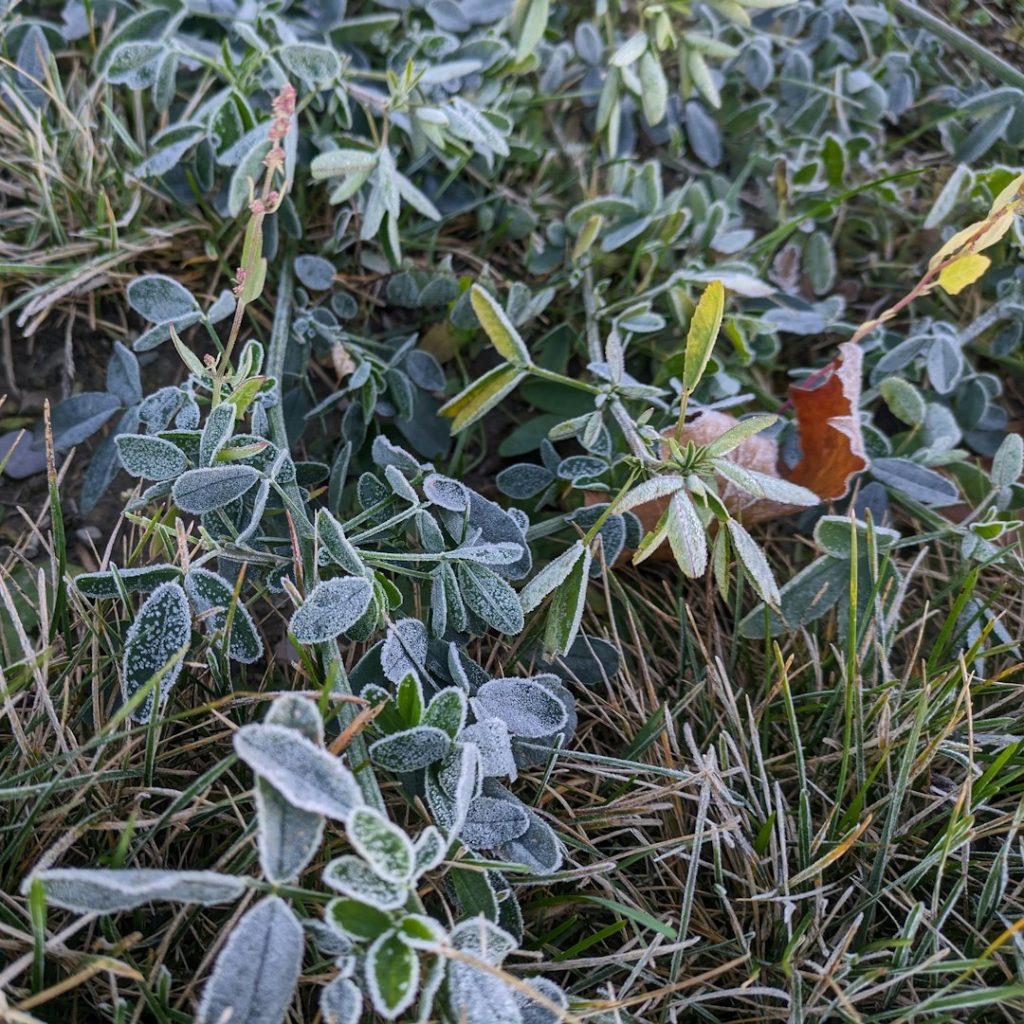
Have you ever wondered what happens to your trusty bottle of Roundup when the temperature drops? Does Roundup freeze, and if so, what does that mean for its effectiveness in your garden?
As the colder months approach, these questions become more relevant, and getting the right answers is crucial for maintaining your outdoor spaces. Imagine the frustration of discovering that your weed-fighting hero has lost its power just when you need it most.
Understanding how Roundup reacts to freezing temperatures can save you time, money, and effort. Stick around as we unravel the mystery of Roundup and freezing weather, so you can keep your garden in tip-top shape all year round.
Credit: www.lawnsite.com
How Roundup Reacts To Cold
Understanding how Roundup reacts to cold is important for proper storage and use. Cold temperatures can affect the herbicide’s ingredients and its effectiveness. Knowing what happens at low temperatures helps users avoid mistakes and ensures the product works well when applied.
Chemical Stability At Low Temperatures
Roundup contains chemicals that remain stable in cold weather. The active ingredient, glyphosate, does not easily break down when temperatures drop. This means the herbicide does not lose its basic structure.
However, very low temperatures can cause the liquid to thicken or form crystals. This change in texture happens because some inactive ingredients freeze. The freezing does not mean the product is spoiled, but it may be harder to mix or spray.
Effects Of Freezing On Herbicide Potency
Freezing Roundup may reduce its spraying ease, but it usually keeps its weed-killing power. After thawing, the solution might look cloudy or separated. Shaking the container well restores the mix to normal.
Repeated freezing and thawing cycles can weaken the herbicide over time. This happens because the physical changes stress the formula. For best results, store Roundup above freezing temperatures.
Credit: www.lawnsite.com
Signs Roundup Has Frozen
Roundup is a popular herbicide used for weed control. It is important to know if Roundup has frozen. Freezing can affect its performance and safety. Recognizing signs of frozen Roundup helps decide if it is still usable or needs replacement.
Visual Changes In The Solution
Frozen Roundup often looks different from its normal state. The liquid may appear cloudy or milky instead of clear. Ice crystals or solid chunks can form inside the container. Sometimes, you may notice separation of ingredients, with layers forming. These visual clues suggest the product has frozen and thawed.
Texture And Consistency Alterations
The texture of Roundup changes after freezing. Instead of flowing smoothly, it may become thick or gel-like. Stirring the solution might feel gritty or uneven. This change can reduce how well the herbicide sprays and covers plants. It is a sign that the product’s quality has been compromised by freezing.
Risks Of Using Frozen Or Thawed Roundup
Using Roundup after it has frozen or thawed carries certain risks. The chemical makeup can change, affecting how well it works. It may also raise safety issues during handling and application. Understanding these risks helps you avoid problems in your weed control efforts.
Reduced Effectiveness On Weeds
Freezing can alter the ingredients in Roundup. The solution may separate or become cloudy after thawing. This change can reduce how well it kills weeds. The active ingredient may not spread evenly on plant leaves. Weeds might survive or grow back stronger. Applying frozen or thawed Roundup could waste time and money.
Potential Safety Concerns
Frozen or thawed Roundup may behave unpredictably. It could cause skin irritation or eye problems if handled carelessly. The mixture might splash or drip more easily. Storage in freezing conditions can damage the container, causing leaks. Leaking chemicals can harm the environment and people nearby. Always check the product before use to avoid accidents.

Credit: www.yahoo.com
Storage Tips To Prevent Freezing
Proper storage can stop Roundup from freezing. Freezing harms its effectiveness and changes its texture. Protect your supply by controlling temperature and location. Follow simple tips to keep Roundup safe through cold weather.
Ideal Temperature Ranges
Roundup works best when stored above freezing. Keep it between 40°F and 85°F (4°C to 29°C). Temperatures below 32°F (0°C) cause the liquid to freeze and separate.
Freezing may cause the product to become cloudy or grainy. This reduces its ability to kill weeds. Avoid storing Roundup in places that get very cold overnight.
Best Containers And Locations
Use original containers with tight lids. These prevent moisture and air from entering. Avoid transferring Roundup to weak or porous containers.
Store Roundup in a dry, sheltered place. A garage or shed insulated from cold winds works well. Keep it off the ground to avoid cold drafts.
Do not leave Roundup in unheated areas during winter. Protect containers from direct sunlight to prevent overheating. Label storage areas clearly to avoid accidental spills or misuse.
How To Thaw Roundup Safely
Thawing Roundup safely preserves its effectiveness and prevents damage. Proper thawing keeps the herbicide stable and ready to use. Avoid rushing the process to protect the chemical formula inside. Follow safe thawing methods for best results and long-term storage.
Recommended Thawing Methods
- Move the container to a cool room temperature area.
- Let it sit unopened until fully thawed naturally.
- Avoid direct sunlight or heat sources like heaters.
- Use a water bath with lukewarm water, not hot water.
- Gently swirl the container to mix evenly once thawed.
Avoiding Damage During Thawing
- Do not shake the container vigorously while frozen.
- Avoid using microwaves or ovens to speed thawing.
- Check for leaks or cracks caused by ice expansion.
- Never open the container when it is still frozen.
- Store thawed Roundup in a shaded, dry place.
Alternative Herbicide Options For Cold Climates
If you live in a cold climate, using herbicides like Roundup can be tricky because freezing temperatures affect their performance. Finding alternative herbicide options designed for chilly conditions can save your plants and your patience. Understanding what works best in the cold helps you maintain a weed-free garden year-round without wasting time or product.
Cold-resistant Formulations
Some herbicides come in cold-resistant formulations that stay effective even when temperatures drop below freezing. These products contain additives that prevent the active ingredients from crystallizing or breaking down in cold weather.
Look for herbicides labeled for use in low temperatures or those specifically designed for winter applications. Brands like glyphosate-based products with enhanced cold-weather performance can give you better results than standard Roundup in freezing conditions.
Have you checked the label to see if your herbicide can handle cold weather? Choosing the right formula can make all the difference in your weed control success.
Seasonal Application Strategies
Timing your herbicide application is crucial in cold climates. Applying herbicides during the warmer parts of the day or in early fall before the first frost can improve absorption and effectiveness.
In some cases, applying pre-emergent herbicides in late winter or early spring helps prevent weeds before they start growing, bypassing the need to spray during freezing temperatures altogether.
- Apply herbicides mid-morning when temperatures rise above freezing.
- Avoid spraying right before a freeze or heavy snowfall.
- Consider split applications to maintain control throughout the season.
What’s your current herbicide schedule? Adjusting your timing could save you from wasted effort and patchy weed control.
Frequently Asked Questions
Does Roundup Herbicide Freeze In Cold Weather?
Roundup can freeze if exposed to temperatures below 32°F (0°C). Freezing may reduce its effectiveness and shelf life. Store it in a cool, dry place above freezing temperatures to maintain potency and avoid damage.
How Does Freezing Affect Roundup’s Weed-killing Power?
Freezing can cause Roundup’s chemical ingredients to separate or degrade. This reduces its weed-killing power and consistency. Always check the product before use if it has been frozen, and shake well to remix the solution.
Can Thawed Roundup Be Used Safely?
Yes, thawed Roundup can be used safely if properly mixed after thawing. However, repeated freezing and thawing cycles may reduce its effectiveness. Inspect the product for changes in texture or color before applying.
What Temperature Is Safe For Storing Roundup?
Roundup should be stored between 40°F and 85°F (4°C to 29°C). Avoid freezing or excessive heat to preserve chemical stability. Proper storage ensures optimal performance and longer shelf life.
Conclusion
Roundup can freeze in very cold weather, affecting its use. Keep it stored where temperatures stay above freezing. Frozen Roundup may not work as well on weeds. Always check the product before spraying to ensure it is liquid. Protect your supply to get the best results.
This helps maintain its strength and effectiveness. Stay aware of weather conditions before applying Roundup outdoors. Proper care keeps your weed control efforts on track.