
Imagine stepping into your home on a scorching summer day, eager for a refreshing blast of cool air, only to find your air conditioner struggling. You might wonder, “How low can I set my AC before it freezes up?”
It’s a common question, yet the answer isn’t as straightforward as you might think. Understanding the limits of your AC system can save you from unexpected breakdowns and costly repairs. We’ll dive into the ideal temperature settings that keep your home comfortable and your AC running smoothly.
Stick around to discover the perfect balance between staying cool and keeping your air conditioner in top shape.

Credit: www.delcohvac.com
Ideal Ac Temperature Range
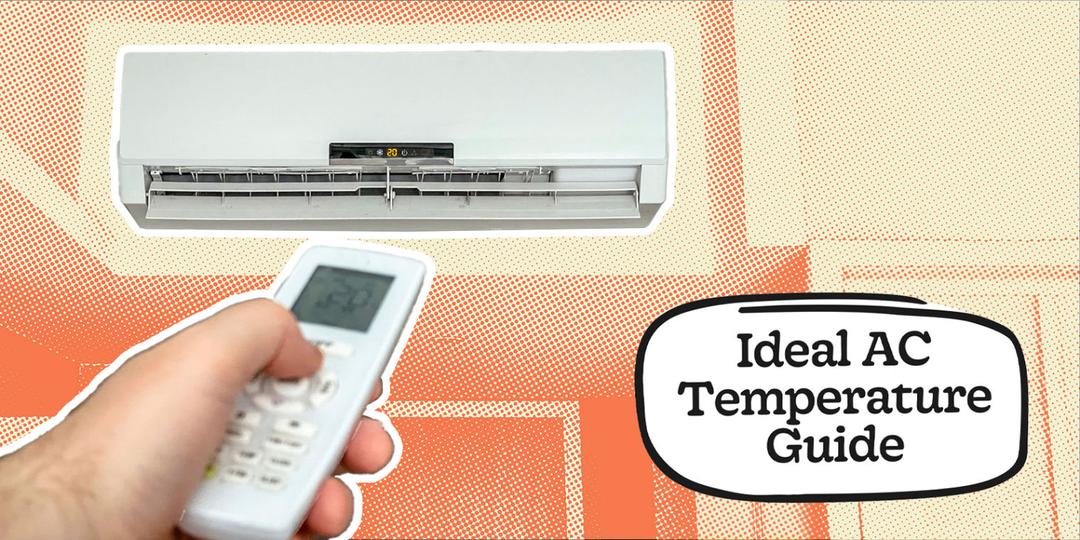
Setting the right temperature on your air conditioner helps keep your home comfortable and safe. The ideal AC temperature range avoids freezing issues and maintains coolness. Understanding this range saves energy and extends your AC’s life.
Recommended Settings For Comfort
Most experts suggest keeping the AC between 72°F and 78°F for daily comfort. This range cools the room well without making it too cold. Setting the temperature lower can cause the unit to work too hard.
Try 75°F as a balance point. It feels nice and keeps the air fresh. Adjust slightly based on your personal preference or outdoor heat.
Energy Efficiency Considerations
Energy use rises when you set your AC too low. A colder setting means the compressor runs longer. This increases electricity bills and wears down the system.
Raising the temperature by a few degrees can save energy. You can also use fans to help cool the space. This reduces the load on your AC.
- Keep thermostat above 72°F for best efficiency
- Use a programmable thermostat for better control
- Close blinds and curtains to reduce heat gain
Credit: heatable.co.uk
Causes Of Ac Freezing
Understanding why your air conditioner freezes can save you from unexpected discomfort and costly repairs. Several factors contribute to this issue, and they often work together to create the perfect conditions for ice buildup. Let’s break down the main causes so you can spot the problem early and keep your AC running smoothly.
Low Thermostat Settings
Setting your thermostat too low might seem like a quick fix for hot days, but it can actually cause your AC to freeze. When the temperature drops drastically, the system struggles to maintain balance, causing the evaporator coil to get colder than it should.
This extreme cold turns moisture on the coil into ice. Have you ever noticed your unit running constantly without cooling properly? That’s a strong sign your thermostat setting might be too low.
Restricted Airflow Issues
Your AC depends on good airflow to function properly. Blocked vents, closed doors, or dirty blower fans reduce airflow over the coils. Without enough warm air passing through, the coil temperature drops, leading to freezing.
Think about the last time you felt uneven cooling in your home. Restricted airflow often causes this, and it can quickly lead to frozen components. Check your vents and make sure nothing is obstructing the airflow path.
Dirty Filters And Coils
Dirty filters and coils are a common culprit behind freezing AC units. Dust and debris act like insulation, preventing heat exchange and making coils colder than normal.
If you skip regular maintenance, dirt buildup can severely impact your system’s efficiency and cause ice to form. How long has it been since you changed your filter? A quick filter swap might be all your AC needs to breathe easy again.
Signs Your Ac Is Freezing
Noticing that your AC might be freezing can save you from costly repairs and uncomfortable indoor temperatures. Recognizing the signs early helps you act fast before minor issues turn into major headaches. Here are some clear indicators that your air conditioner is freezing up.
Ice Formation On Units
One of the most obvious signs of a freezing AC is seeing ice buildup on the evaporator coil or refrigerant lines. You might find frost or thick ice covering parts of your unit, especially on the indoor coil. This ice restricts airflow and stops your AC from cooling properly.
Have you ever felt the refrigerant lines and noticed they were colder than usual, almost like touching a frozen pipe? That’s a strong clue your system is struggling. Ice formation usually happens when airflow is blocked or refrigerant levels are low.
Reduced Cooling Performance
If your AC is running but your home isn’t getting cooler, it could be freezing up inside. Ice buildup reduces the unit’s ability to absorb heat, so the cold air output drops significantly. You might notice your thermostat settings staying the same, yet the temperature barely changes.
Imagine turning your AC to a lower temperature, expecting relief, but instead, the air feels less cold or even warm. That’s a frustrating sign that freezing is cutting down the cooling power. This drop in performance often comes with increased energy bills because the system works harder to cool your space.
Preventing Ac Freezing
Preventing your AC from freezing is essential to keep it running efficiently and avoid costly repairs. Freezing happens when the system struggles to maintain the right balance of temperature, airflow, and maintenance. Understanding how to prevent this can save you from uncomfortable heat and unexpected breakdowns.
Proper Temperature Settings
Setting your AC too low can cause the coils to freeze quickly. Most experts suggest keeping your thermostat between 72°F and 78°F for optimal cooling without overworking the system.
Have you ever cranked your AC down to the lowest setting hoping for faster cooling? This often backfires, causing ice buildup instead. Try adjusting your thermostat gradually and notice how your room cools just as effectively without freezing the unit.
Regular Maintenance Tips
Neglecting routine maintenance is one of the main reasons AC units freeze. Simple tasks like changing filters every 1-3 months can make a huge difference.
Also, clean the evaporator coils and check for refrigerant leaks regularly. A clean and well-charged system prevents ice from forming and extends your AC’s lifespan.
Ensuring Adequate Airflow
Blocked airflow restricts heat exchange and leads to freezing. Make sure vents and registers are open and unblocked by furniture or curtains.
Using ceiling fans or portable fans helps circulate air more evenly, reducing the chances of cold spots that encourage ice buildup. Could a small change in airflow improve your AC’s performance today?
When To Call A Professional
Knowing when to call a professional for your AC’s freezing issues can save you time, money, and frustration. If your air conditioner keeps freezing despite your attempts to fix it, it’s a sign that the problem might be more complex than just temperature settings. Ignoring these signs can lead to bigger issues or even a complete system breakdown.
Persistent Freezing Problems
If your AC unit freezes repeatedly, even after cleaning the filters and adjusting the temperature, it’s time to get expert help. Persistent freezing often means there’s an underlying mechanical or airflow problem that needs professional diagnosis.
Think about how often you’ve had to defrost your unit. If it’s more than once or twice a season, a technician can check for blocked vents, dirty coils, or malfunctioning fans that might be restricting airflow.
Potential Refrigerant Issues
Low refrigerant levels are a common cause of freezing. You might notice your AC blowing warm air or hear unusual hissing sounds. These signs indicate a possible refrigerant leak that you cannot fix yourself.
Only a certified technician should handle refrigerant because improper handling can harm the environment and damage your system. Calling a professional ensures safe and accurate repairs that restore your AC’s performance without risking further damage.

Credit: www.achrnews.com
Frequently Asked Questions
How Low Can You Set Your Ac Temperature Safely?
You can safely set your AC as low as 60°F (15°C). Setting it lower risks freezing the coils and damaging the unit.
Why Does My Ac Freeze When Set Too Low?
AC freezes because low settings cause excessive moisture buildup. This freezes on coils, blocking airflow and reducing cooling efficiency.
How To Prevent Ac From Freezing At Low Temperatures?
Keep your AC filter clean and set temperature no lower than 60°F. Regular maintenance helps avoid ice buildup and system damage.
What Happens If Ac Freezes Due To Low Temperature Settings?
Frozen AC leads to poor cooling, increased energy use, and potential compressor damage. Immediate thawing and professional service may be necessary.
Conclusion
Setting your AC too low can cause it to freeze and stop working. Most units work best around 75 degrees Fahrenheit. Keep the temperature comfortable, not too cold. Watch for signs of freezing like ice on the coils. Regular maintenance helps prevent problems.
Balance coolness with care to keep your AC running well. Stay mindful of limits to save energy and avoid damage. Your comfort depends on smart, simple settings.