
Imagine waking up on a crisp winter morning, only to find your water supply has frozen solid. Keeping your well from freezing is crucial to maintaining access to fresh water during the colder months.
You don’t want to deal with the headache of frozen pipes or the expense of emergency repairs. This guide will show you practical and effective strategies to ensure your well stays ice-free, even in the harshest winter weather. Dive into these proven techniques and protect your water supply before it’s too late.
Ready to learn how to safeguard your well from freezing? Let’s get started.

Credit: www.thegamer.com
Causes Of Well Freezing
Well freezing happens when water in the well or its pipes turns to ice. This blocks water flow and can cause damage. Understanding what causes freezing helps protect your well during cold months. Below are key causes to watch for.
Temperature Effects On Water
Water freezes at 32°F (0°C). When outdoor temperatures drop below this point, water inside the well and pipes can freeze. Prolonged cold spells increase the risk. Rapid temperature changes can also stress pipes and increase freezing chances.
Common Vulnerable Areas
- Exposed pipes above ground or near the surface
- Well casing sections not buried deep enough
- Areas with poor insulation around the well or pipes
- Outdoor faucets and valves attached to the well system
Impact On Water Supply
Frozen wells stop water flow completely. Ice can crack pipes and damage the pump. This leads to costly repairs and no water until fixed. Frozen wells also pose risks of contamination if the system is damaged.
Insulation Techniques
Insulation is key to stopping your well from freezing in cold weather. It keeps cold air away and holds in warmth. Using the right insulation methods can protect pipes and wellheads from damage. These techniques are simple and affordable. They help maintain water flow and avoid costly repairs.
Using Foam Pipe Insulation
Foam pipe insulation fits snugly around exposed pipes. It blocks cold air and reduces heat loss. This insulation is easy to cut and install. Choose foam sleeves that match your pipe size. Secure them with tape or zip ties. Foam is lightweight and durable, making it ideal for outdoor use.
Applying Heat Tape
Heat tape warms pipes by using electricity. Wrap the tape around pipes, then plug it in. It prevents freezing by keeping pipes just warm enough. Heat tape works well in very cold areas. Follow the manufacturer’s instructions for safe use. Do not overlap the tape to avoid overheating.
Covering Wellheads
Wellheads need extra protection from frost. Use insulated covers or boxes to shield them. These covers trap heat and keep cold air out. You can find pre-made covers or build your own. Adding straw or foam inside the cover boosts insulation. Make sure the cover allows ventilation to avoid moisture buildup.
Maintaining Water Flow
Maintaining water flow is a key way to stop a well from freezing. Moving water does not freeze easily. Even a small flow can keep the pipes and well components warmer. This technique helps protect your water supply during cold weather.
Trickling Water Method
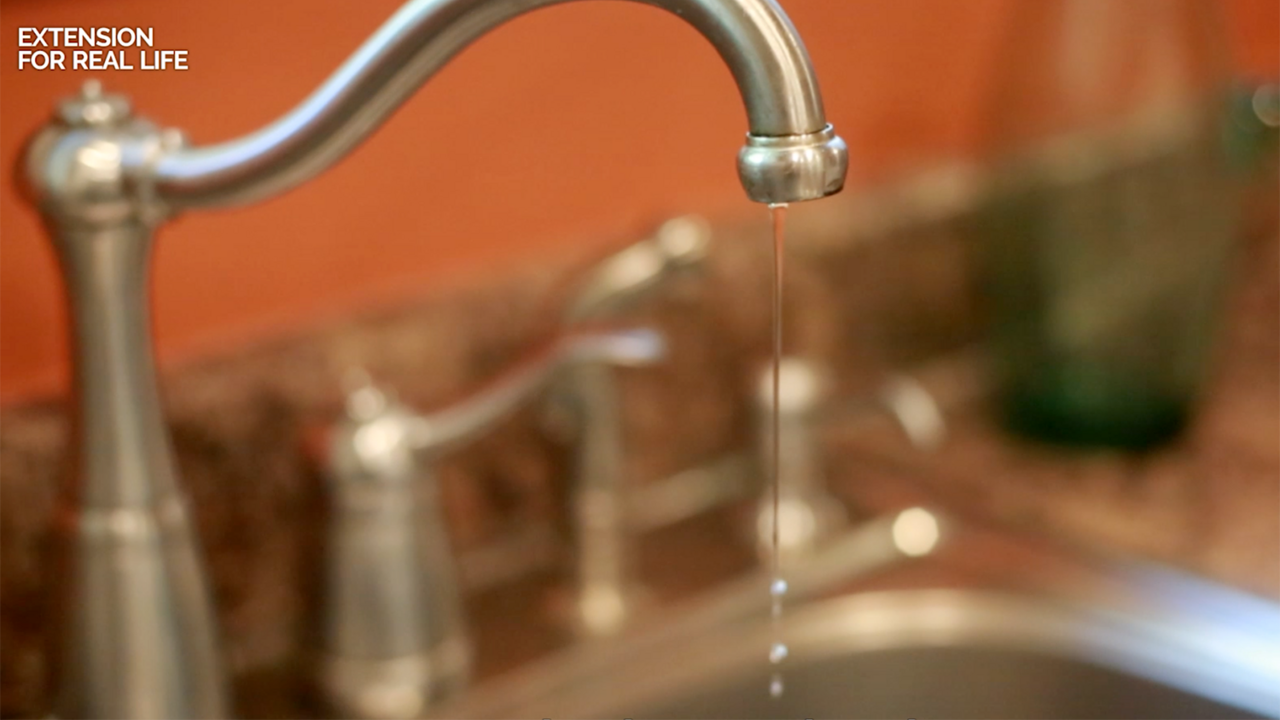
Allowing a small trickle of water to run through the well pipes keeps water moving. This motion prevents ice from forming inside the pipes. The trickle should be steady but not wasteful. Just enough to keep water flowing through the system.
Use a faucet close to the well to create this trickle. It works best during freezing nights or very cold days. This method is simple and uses minimal water.
Benefits Of Continuous Flow
- Keeps water moving, reducing ice buildup.
- Prevents damage to pipes and well parts.
- Maintains water access even in extreme cold.
- Easy to implement with basic plumbing.
Continuous flow also helps in keeping water fresh and clean. Stagnant water can cause other problems like bacteria growth.
Safety Considerations
Ensure the trickle does not cause flooding or water waste. Check that the flow does not freeze outside, creating ice hazards. Use insulated covers on exposed pipes to add protection.
Monitor water bills and adjust flow to avoid excess use. Keep an eye on the system during cold spells. Stop the trickle when temperatures rise above freezing.
Credit: extension.msstate.edu
Winter Well Covers
Winter well covers play a crucial role in protecting your well from freezing temperatures. These covers act as a barrier, helping to retain heat and prevent ice formation around the wellhead. Choosing the right cover and installing it correctly can save you from costly repairs and water supply interruptions during harsh winters.
Types Of Covers
You have several options when selecting a winter well cover, each with its own benefits:
- Insulated Foam Covers:Lightweight and easy to handle, these covers provide excellent insulation by trapping heat around the well.
- Hard Plastic Covers:Durable and weather-resistant, they protect the well from snow and ice buildup but may require additional insulation underneath.
- Custom-Built Wooden or Metal Covers:These offer strong protection and can be insulated internally. They’re a good choice if your well is exposed to harsh wind or heavy snowfall.
Installation Tips
Proper installation ensures your cover works effectively throughout the winter. Start by clearing snow and debris from the well area before placing the cover. Make sure the cover fits snugly around the wellhead to minimize cold air exposure.
Secure the cover with straps or weights to prevent it from blowing away in strong winds. If you use an insulated cover, check for gaps and seal them with weatherproof tape or foam to enhance heat retention. Lastly, inspect the cover periodically during winter to catch any damage early.
Material Durability
Not all covers last through multiple winters. Foam covers can compress or degrade when exposed to moisture, so look for high-density foam with a waterproof coating. Plastic covers should be UV-resistant to avoid cracking under sunlight exposure.
Wood and metal covers, while sturdy, require maintenance to prevent rot or rust. Applying sealants or paint can extend their lifespan. Think about your local climate—are you dealing with heavy snow, freezing rain, or strong winds? Choose materials that will withstand those specific conditions.
Ground And Soil Protection
Protecting the ground and soil around a well helps stop freezing. Cold air chills the soil, which can freeze water in the well. Keeping soil insulated slows this process. This keeps the well working through cold weather. Simple steps can make a big difference in ground protection.
Adding Mulch Or Straw
Mulch or straw creates a thick layer over the soil. This layer traps heat in the ground. It stops cold air from reaching the soil directly. Spread mulch or straw around the well base. A depth of 6 to 12 inches works best. Organic materials like leaves or wood chips also help.
Snow As Natural Insulator
Snow acts like a blanket over the soil. It holds warmth and blocks cold winds. Do not remove snow from around the well. Let it cover the ground naturally. Snow layers of at least 6 inches provide good insulation. This natural cover protects soil temperature from dropping too low.
Preventing Frost Penetration
Frost penetrates deeper in loose or dry soil. Compact the soil around the well to reduce frost depth. Use heavy tools to press soil tightly. Avoid digging or disturbing soil in winter. Frost barriers like foam boards can also help. Place these barriers vertically around the well casing to block cold.
Regular Maintenance Checks
Regular maintenance checks are essential to keep your well from freezing during cold months. These checks help you spot potential problems early and prevent costly repairs. Staying proactive ensures your water supply remains reliable and safe.
Inspecting For Cracks
Look closely at your well casing and surrounding pipes for any cracks or gaps. Even small openings can let cold air in and cause freezing. Use a flashlight and a mirror to inspect hard-to-see areas thoroughly.
If you find cracks, mark them immediately and plan for a quick fix. Ignoring these can lead to bigger issues once the temperature drops. Have you checked every inch of your well recently?
Monitoring Water Temperature
Keep track of the water temperature inside your well regularly. Sudden drops can signal trouble before freezing occurs. You can use a simple waterproof thermometer to monitor changes effectively.
Tracking temperature helps you decide when to add insulation or take other protective steps. It’s easier to act early than to deal with a frozen well. How often do you check your well’s water temperature?
Repairing Damages Early
Fixing any damage as soon as you notice it saves you from bigger headaches later. Delaying repairs can cause water lines to freeze and burst. Use weather-resistant sealants or hire a professional if the damage is severe.
Early repair means less disruption and lower costs. Think about the last time you postponed a small repair—did it get worse? Address issues quickly to keep your well in top shape all winter long.
Emergency Measures
Emergency measures help protect your well during sudden cold spells. They prevent water from freezing and keep your supply flowing. Acting fast can save you from costly repairs and inconvenience. Here are some practical steps to take when temperatures drop unexpectedly.
Using Portable Heaters
Portable heaters can warm the area around your well. Place them near the well casing or pipes but keep a safe distance. Avoid direct contact with water or flammable materials. Use heaters with thermostats to control temperature. This method helps stop freezing and keeps water flowing.
Temporary Water Sources
Backup water sources ensure you have water if the well freezes. Use stored water in containers or buy bottled water. Set up a temporary water tank if possible. This maintains water access during emergencies. Keep these supplies ready before cold weather hits.
When To Call A Professional
Call a professional if freezing causes damage or if water stops flowing. Experts can safely thaw pipes and check for leaks. They know how to fix insulation or repair well components. Prompt help prevents long-term problems and restores your water supply quickly.

Credit: www.thegamer.com
Frequently Asked Questions
How Can I Prevent My Well Water From Freezing?
Insulate your well casing with foam or fiberglass sleeves. Use heat tape designed for outdoor use. Keep the well cover secure and sealed to retain warmth.
What Materials Are Best For Insulating A Well?
Foam pipe insulation and fiberglass sleeves work well. These materials trap heat and prevent cold air contact. Use weatherproof insulation to withstand outdoor conditions.
Is Heat Tape Effective For Keeping Wells From Freezing?
Yes, heat tape maintains a steady temperature around pipes. It prevents ice buildup and keeps water flowing. Make sure to use outdoor-rated heat tape for safety.
When Should I Start Preparing My Well For Winter?
Begin preparation in early fall before temperatures drop. This timing ensures insulation and heating measures are in place. Early action helps avoid freezing damage.
Conclusion
Protecting your well from freezing keeps water flowing all winter. Use insulation and heat sources wisely. Check pipes regularly for cracks or leaks. Small steps prevent big problems later. Staying prepared saves time and money. Keep your well safe, warm, and working well.
Simple care makes cold months easier. Don’t wait until freezing causes damage. Act now to keep water ready anytime.