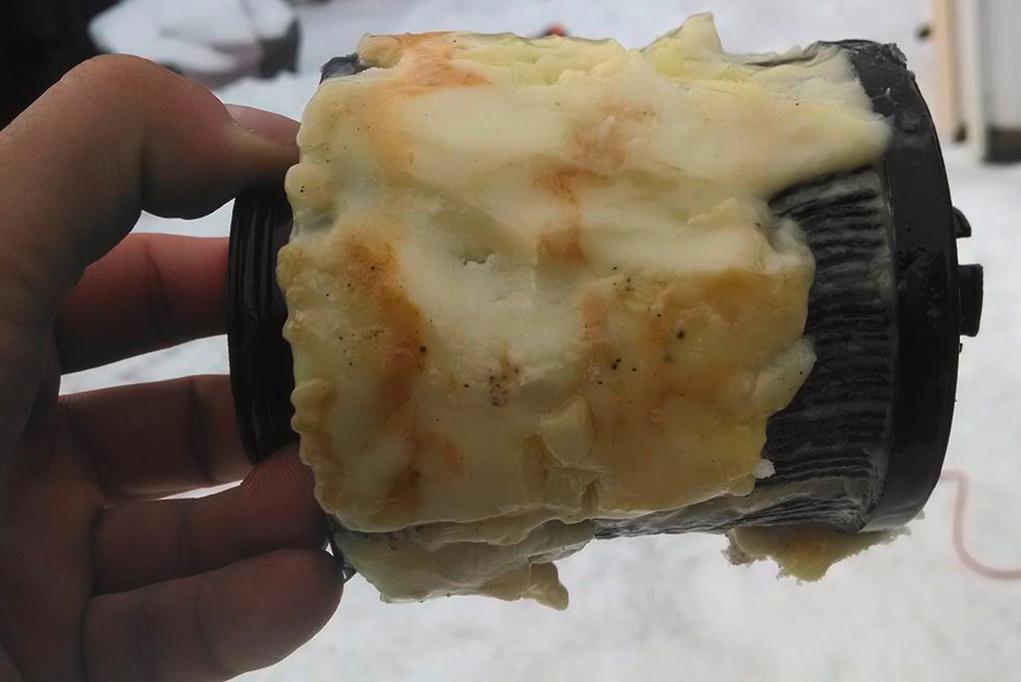
Have you ever wondered what happens to diesel fuel when temperatures drop? If you rely on diesel engines, understanding its freezing point is crucial.
This knowledge can save you from unexpected engine troubles during cold weather. Diesel fuel behaves differently than gasoline when it gets cold, and knowing why can make a big difference in how you prepare your vehicle or machinery for winter.
By the end of this article, you’ll not only know the freezing point of diesel but also how to prevent potential issues before they arise. Stay with us to ensure your engine runs smoothly, no matter how chilly it gets outside.
Credit: www.duramaxforum.com
Diesel Basics
Understanding diesel fuel starts with grasping its basic properties and how it behaves under different conditions. Knowing the freezing point of diesel is crucial, especially if you operate vehicles or machinery in cold climates. Before diving into that, let’s break down what diesel is made of and how it’s commonly used in everyday life.
Composition And Types
Diesel is a complex mix of hydrocarbons derived from crude oil. It mainly contains chains of carbon and hydrogen atoms, which determine how it performs in engines and at low temperatures.
There are several types of diesel, including:
- Petroleum Diesel:The most common type, made from refined crude oil.
- Biodiesel:Produced from vegetable oils or animal fats and often blended with petroleum diesel.
- Synthetic Diesel:Created using chemical processes from natural gas or biomass.
Each type has a slightly different freezing point, which influences their use in various environments.
Common Uses
Diesel powers a wide range of vehicles and equipment. You’ll find it in trucks, buses, and trains, where fuel efficiency and torque are important.
But diesel isn’t just for transportation. It also fuels generators, agricultural machinery, and construction equipment. This makes it essential in industries that rely on heavy-duty performance.
Have you ever wondered why your diesel vehicle behaves differently in winter? The answer lies in diesel’s composition and how it reacts to cold temperatures.
Freezing Point Explained
Understanding the freezing point of diesel is crucial, especially if you live or work in cold climates. The freezing point is the temperature at which diesel fuel starts to solidify. This change can cause serious problems for engines and fuel systems if you’re not prepared.
What Happens At Low Temperatures
As temperatures drop, diesel fuel begins to form wax crystals. These crystals don’t freeze the fuel solid immediately, but they can clog fuel filters and lines. This leads to engine performance issues like stalling or difficulty starting.
Your diesel might look normal, but inside the tank, these wax crystals are building up. It’s similar to how honey thickens in the fridge. If you’ve ever had trouble starting a diesel vehicle on a cold morning, wax formation is likely the culprit.
Difference Between Freezing And Pour Points
Many confuse the freezing point with the pour point, but they are different. The freezing point is when diesel starts to form wax crystals. The pour point is the lowest temperature at which diesel will still flow.
| Term | Definition | Importance |
|---|---|---|
| Freezing Point | Temperature where wax crystals start to form | Indicates when fuel begins to solidify |
| Pour Point | Lowest temperature where diesel still flows | Shows when fuel can still move through fuel lines |
Knowing both points helps you decide the right additives or heating solutions to keep your engine running smoothly. Have you checked your diesel’s pour point before winter? It might save you from unexpected breakdowns.
Factors Affecting Diesel Freezing Point
Understanding the factors that influence the freezing point of diesel can help you avoid engine troubles during cold weather. Several elements come into play that either raise or lower the temperature at which diesel starts to gel or freeze. Knowing these factors allows you to take simple actions to keep your diesel fuel flowing smoothly, no matter the temperature outside.
Fuel Additives
Fuel additives can dramatically change the freezing point of diesel. These chemicals are designed to prevent wax crystals from forming and clogging your fuel filter. Adding the right type of anti-gel additive before the cold season can keep your diesel liquid at much lower temperatures.
Not all additives work the same way, though. Some are better suited for extremely cold climates, while others offer only mild protection. Have you checked which additive works best with your diesel grade?
Environmental Conditions
Temperature is the most obvious factor affecting diesel’s freezing point. But humidity and altitude also play subtle roles. Higher altitudes can lower the freezing point slightly, while moisture in the air can cause ice formation in the fuel system.
Think about your local weather patterns. Does your area experience sudden cold snaps? Preparing your diesel for these changes can save you from unexpected breakdowns. What steps do you currently take to protect your diesel in harsh weather?
Diesel Grade Variations
Diesel fuel comes in different grades, each with a unique freezing point. Winter diesel blends contain additives and lighter hydrocarbons that lower the freezing point compared to standard diesel. Using the correct grade for the season is crucial for reliable engine performance.
If you’ve ever had your engine stall on a cold morning, it might be due to using the wrong diesel grade. Switching to a winter blend or premium grade can make a noticeable difference. Are you aware of the diesel grades available in your area and their freezing point specifications?
Typical Freezing Points For Diesel
Diesel fuel freezes at different temperatures depending on its type and blend. Knowing the freezing point helps prevent engine problems in cold weather. This section explains typical freezing points for various diesel fuels.
Standard Diesel
Standard diesel usually starts to gel around -15°C (5°F). This gelling thickens the fuel and can clog filters. The exact freezing point varies with the diesel’s quality and source.
Biodiesel Blends
Biodiesel has a higher freezing point than standard diesel. For example, a B20 blend (20% biodiesel) freezes near -7°C (19°F). Pure biodiesel can freeze around 0°C (32°F). Blends with more biodiesel need careful handling in cold climates.
Winter Diesel Fuels
Winter diesel is specially formulated to resist gelling. It can remain liquid at temperatures as low as -30°C (-22°F). Additives reduce the freezing point, keeping engines running smoothly in cold weather.
Preventing Diesel Freezing
Diesel fuel can freeze or gel at low temperatures, causing engine problems and fuel blockages. Preventing diesel freezing is important for smooth engine operation in cold weather. Simple steps help keep diesel flowing and engines running.
Use Of Additives
Additives lower the freezing point of diesel fuel. They stop wax crystals from forming in cold weather. Adding the right amount of additive improves fuel flow. Use additives designed for your climate and diesel type. Follow product instructions carefully for best results.
Storage Tips
Store diesel fuel in a cool, dry place away from moisture. Keep tanks full to reduce air space and condensation. Use insulated or heated storage tanks in very cold areas. Avoid storing diesel outside in freezing temperatures. Clean tanks regularly to prevent water buildup.
Engine Maintenance
Regular engine checks help prevent diesel freezing issues. Replace fuel filters often to remove contaminants. Check fuel lines for leaks or cracks. Use a block heater in extreme cold to warm the engine. Keep the fuel system clean and well-maintained for reliable starts.

Credit: link.springer.com
Impact Of Freezing Diesel
Freezing diesel affects vehicles and equipment in many ways. It can cause serious problems that reduce engine efficiency and reliability. Understanding these impacts helps prevent damage and ensures safe operation during cold weather.
Engine Performance Issues
Frozen diesel thickens and clogs fuel lines. This limits fuel flow to the engine. The engine may stall or run roughly. Starting the engine becomes difficult or impossible. Power output drops, causing poor acceleration. Fuel filters can freeze and block fuel delivery.
Fuel System Damage
Ice crystals form inside fuel tanks and pipes. These crystals damage fuel pumps and injectors. Blocked fuel filters increase strain on the system. Long-term freezing can cause cracks and leaks. Repair costs rise due to damaged components. Regular maintenance is crucial to avoid fuel system failure.
Safety Concerns
Freezing diesel raises the risk of accidents. Engine stalling on roads creates hazards. Poor vehicle response reduces control and maneuverability. Emergency services may be delayed due to vehicle breakdowns. Cold weather increases the chance of slipping and falling during refueling or repairs. Proper precautions reduce these dangers.
Testing And Measuring Freezing Point
Testing and measuring the freezing point of diesel is crucial for ensuring that your fuel performs reliably in cold conditions. Knowing this temperature helps prevent fuel gelling, which can cause engine problems and downtime. Let’s look at how experts determine this important property both in labs and out in the field.
Laboratory Methods
Laboratory testing offers precise and controlled measurement of diesel’s freezing point. The most common approach uses a cooling bath where a diesel sample is gradually chilled.
Technicians observe the temperature at which wax crystals start to form, marking the freezing point. This method follows strict standards, such as ASTM D2386, to ensure accuracy.
Besides visual observation, automated instruments use sensors and cameras to detect crystallization. These devices provide repeatable results, helping you trust the data when selecting or blending diesel fuels for cold climates.
Field Testing Techniques
While labs provide accuracy, field tests offer quick checks that anyone can perform on-site. Portable cold filter plugging point (CFPP) kits simulate cold conditions to see when diesel begins to clog filters.
These kits usually include a cooling chamber and a set of filters. You cool the diesel step-by-step and check filter flow at each stage.
Another handy tool is the diesel fuel tester pen, which gives an instant freezing point estimate by measuring fuel properties electrically. Though less precise, these tools help you make timely decisions when cold weather strikes.
Have you ever faced unexpected engine troubles due to frozen diesel? Testing the freezing point can save you from that hassle by helping you prepare your fuel beforehand.

Credit: www.trucksales.com.au
Frequently Asked Questions
What Is The Freezing Point Of Diesel Fuel?
The freezing point of diesel fuel varies but is typically between -10°C to -15°C (14°F to 5°F). This point depends on the diesel type and additives used. Below this temperature, diesel may gel and clog fuel lines.
How Does Temperature Affect Diesel Freezing?
Cold temperatures cause diesel to gel and thicken. When diesel reaches its freezing point, wax crystals form, blocking filters and fuel lines. This can lead to engine starting problems and poor performance in cold weather.
Can Additives Lower Diesel’s Freezing Point?
Yes, additives can significantly lower diesel’s freezing point. Anti-gel additives prevent wax crystal formation and improve cold flow properties. They help diesel remain fluid in extremely low temperatures, ensuring smooth engine operation.
What Is The Difference Between Freezing And Cloud Point In Diesel?
The cloud point is the temperature where wax crystals first appear, causing cloudiness. The freezing point is lower and marks when diesel gels solid. Both indicate cold weather performance but affect diesel at different temperatures.
Conclusion
Diesel freezes at low temperatures, affecting engine performance. Knowing its freezing point helps prevent fuel problems in cold weather. Using additives or winter-grade diesel keeps engines running smoothly. Always store diesel in a cool, dry place to avoid issues. Understanding diesel’s freezing point is important for reliable vehicle operation.
Stay prepared for cold conditions to protect your engine and fuel. Simple steps can save time and money during winter months.