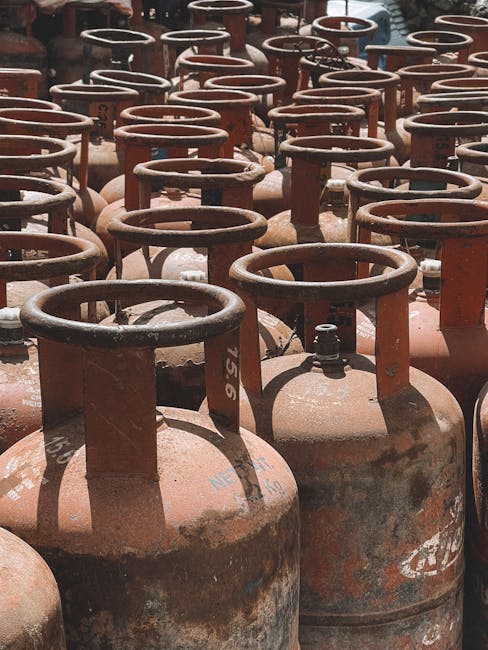
Are you worried about your propane tanks freezing during the cold months? It’s a common concern for many homeowners, and understanding the facts can help you avoid potential problems.
Imagine waking up on a chilly morning only to discover that your propane supply isn’t working efficiently because of freezing temperatures. This scenario can be frustrating and inconvenient. You might wonder, can propane tanks actually freeze, and if so, what can you do about it?
Dive into this article to uncover the truth about propane tanks and freezing, and learn practical tips to ensure your heating system runs smoothly all winter long. By the end, you’ll have the confidence and knowledge to keep your propane tanks functioning properly, no matter how cold it gets outside.
How Propane Tanks Work
Understanding how propane tanks work can help you better maintain them and avoid issues like freezing. Propane tanks store fuel in a unique way that allows it to be safe and efficient for everyday use. Let’s break down the science behind what happens inside your tank.
Propane Properties
Propane is a gas at room temperature but becomes liquid when compressed. Inside the tank, propane exists mostly as a liquid under pressure, with a small amount of gas above it.
This liquid-to-gas balance is key. When you use propane, the gas above the liquid escapes to power your appliances, and more liquid evaporates to replace it. This process keeps the pressure steady inside the tank.
Did you know propane boils at about -44°F (-42°C)? That means it turns from liquid to gas even at very low temperatures. This is why propane can still work in cold weather without freezing, unlike water.
Tank Design And Pressure
Propane tanks are built to handle high pressure. They are made from thick steel or aluminum to keep the propane safely contained. The design also includes safety valves to release excess pressure and prevent accidents.
The pressure inside the tank depends on the temperature. As it gets colder, the pressure drops because less propane evaporates. This can affect how well your propane appliances work in extreme cold.
Have you noticed your grill acting up on a chilly day? That might be due to the lower pressure inside the tank. Understanding this helps you plan ahead, like keeping your tank warm or using a larger one for cold seasons.
Can Propane Tanks Freeze?
Can propane tanks freeze? This question is common among many propane users, especially in colder regions. Understanding the behavior of propane in low temperatures helps to keep your tank working well. Propane is a gas stored under pressure as a liquid, and its properties change with temperature.
Freezing Point Of Propane
Propane freezes at about -306°F (-188°C). This temperature is much colder than normal outdoor winter conditions. Because of this, propane tanks do not actually freeze in typical cold weather. The liquid inside stays fluid and ready to vaporize into gas when needed. The tank itself may feel very cold, but the propane inside remains usable.
Effects Of Cold Weather
Cold weather can slow propane pressure, affecting how the gas flows. As temperature drops, propane pressure inside the tank lowers too. This can cause the gas to flow slower or stop if the tank is nearly empty. Frost may form on the tank surface in humid conditions, but this does not mean the propane is frozen.
To keep propane flowing well in cold weather:
- Fill tanks before they get too low
- Store tanks in a sheltered place
- Avoid covering tanks with tarps that trap moisture
Common Myths About Freezing Tanks
Many people worry about propane tanks freezing in cold weather. Several myths about freezing tanks confuse users. Understanding the facts helps to use propane safely and effectively during winter.
Myth: Tanks Freeze Solid
Some believe propane tanks can freeze solid in the cold. This is not true. Propane is a gas stored as a liquid under pressure. The liquid propane inside the tank cannot freeze at normal winter temperatures. It requires extremely low temperatures, far colder than typical winters, to freeze solid. Tanks are designed to handle cold weather without freezing inside.
Myth: Propane Stops Flowing
Another common myth is that propane stops flowing when it is cold. Propane vaporizes inside the tank to create pressure and push gas out. Cold weather can lower tank pressure but rarely stops flow completely. If pressure drops, the tank may deliver less gas temporarily. Keeping tanks at moderate levels and avoiding very low temperatures helps maintain steady flow.
Credit: www.townsendtotalenergy.com
Signs Of Tank Issues In Cold Weather
Cold weather can put your propane tank under stress, sometimes causing issues that aren’t immediately obvious. Recognizing the signs early helps you avoid interruptions and keeps your appliances running smoothly. Here’s what to watch for when temperatures drop.
Frost On Tank Surface
If you notice frost forming on your propane tank, it’s a clear sign that something isn’t right. Frost can develop when the tank’s pressure drops too low, often due to the propane vaporizing slower in cold weather. This frost isn’t just cosmetic—it indicates the tank might be struggling to supply enough gas.
Have you ever seen your tank iced over and wondered if it’s safe? Frost buildup can signal that your tank is operating under stress, which might lead to fuel delivery problems. Keep an eye out for persistent frost, especially if it appears alongside other issues.
Reduced Appliance Performance
When your heater or stove doesn’t work as well as usual during cold snaps, the propane tank could be the culprit. Lower pressure in the tank can cause flames to weaken or appliances to sputter, making your home less comfortable. This drop in performance often happens without warning, so it’s important to connect the dots quickly.
Think about the last time your gas grill or heater didn’t heat up properly on a chilly day. That’s a practical example of how cold weather affects propane delivery. If you notice appliances lagging, check your tank and gas lines before assuming the problem is with the appliance itself.
Preventing Problems In Winter
Winter can challenge propane tank performance. Cold weather affects propane pressure and flow. Taking steps to protect your tank avoids freezing issues. A few simple practices keep propane working smoothly in low temperatures.
Proper Tank Placement
Place your propane tank in a sunny spot. Sunlight helps keep the tank warm. Avoid areas with strong winds. Wind chills can lower tank temperature quickly. Make sure the tank sits on a stable, flat surface. Keep the tank clear of snow and ice build-up. Proper placement reduces the risk of freezing and damage.
Regular Maintenance Tips
Check your propane tank regularly during winter. Look for frost or ice on the tank surface. Clear away any snow or ice that forms. Inspect valves and connections for leaks or damage. Schedule professional inspections before cold months begin. Keep the tank full to maintain pressure and reduce freezing risk. Regular care ensures safe and efficient propane use all winter long.

Credit: centralpennpropane.com
Safe Handling And Storage
Proper handling and storage of propane tanks ensure safety and prevent accidents. Propane is a flammable gas under pressure. Mishandling can cause leaks, fires, or explosions. Safe practices protect you, your family, and property. Follow simple rules to keep tanks in good condition and use them safely.
Avoiding Overfilling
Never fill a propane tank beyond 80% of its capacity. Overfilling causes pressure buildup inside the tank. This can lead to dangerous leaks or even tank rupture. Propane expands when warm. Leaving space allows gas to expand safely. Always check tank gauges and follow fill limits. Use certified filling stations for accurate filling. Overfilled tanks increase the risk of freezing and malfunction.
Safe Refilling Practices
Refill propane tanks outdoors or in well-ventilated areas. Avoid enclosed spaces to prevent gas buildup. Always close valves tightly before refilling. Inspect tanks for damage or rust before use. Use only approved equipment and trained personnel for refilling. Never smoke or use open flames near filling areas. Store tanks upright on a flat, stable surface. Keep tanks away from heat sources and direct sunlight. Proper refilling reduces leaks and extends tank life.
When To Seek Professional Help
Knowing when to seek professional help with propane tanks is vital for safety. Propane tanks can develop problems that require expert attention. Acting early prevents accidents and costly repairs. Recognizing signs that need a technician’s evaluation is key. This section highlights critical moments to call a professional for propane tank issues.
Unusual Tank Behavior
Strange noises from the tank need checking. Hissing sounds may indicate leaks. Frost or ice buildup beyond normal can signal a problem. Sudden drops in fuel pressure affect appliance performance. Tanks that feel excessively cold or hot could be unsafe. If valves or gauges do not work properly, get expert help. Avoid trying to fix these problems alone.
Emergency Procedures
Turn off the gas supply immediately if you smell propane. Leave the area quickly and do not use electrical devices. Avoid open flames or sparks near the tank. Call emergency services or your propane provider right away. Do not attempt repairs during an emergency. Wait for trained professionals to handle the situation safely.

Credit: centralpennpropane.com
Frequently Asked Questions
Can Propane Tanks Freeze In Cold Weather?
Propane tanks do not freeze because propane turns into gas at -44°F. However, extreme cold can reduce pressure, affecting performance. Proper tank maintenance and storage help prevent issues in freezing temperatures.
Why Does My Propane Tank Feel Cold Outside?
Propane tanks feel cold due to the gas vaporizing inside. This process absorbs heat, making the tank surface chilly. It’s a normal reaction and does not mean the tank is frozen or damaged.
How To Prevent Propane Tanks From Freezing?
To prevent freezing, keep tanks full and store them in a well-ventilated, sheltered area. Avoid moisture buildup and check valves regularly. Using propane with a higher vapor pressure can also help in colder climates.
What Happens If A Propane Tank Freezes?
If a propane tank “freezes,” it usually means low pressure caused by cold temperatures. This can stop gas flow and appliance function. Warming the tank gently and ensuring proper fill levels can restore normal operation.
Conclusion
Propane tanks do not freeze like water does. Cold weather can slow propane flow, causing pressure drops. Keep tanks full to help maintain pressure. Store tanks in a dry, shaded place during winter. Regular checks help spot any issues early.
Proper care ensures propane works well all year. Understanding how propane reacts to cold keeps you safe. Simple steps prevent freezing problems and keep heat on. Stay warm and prepared with the right propane tank care.