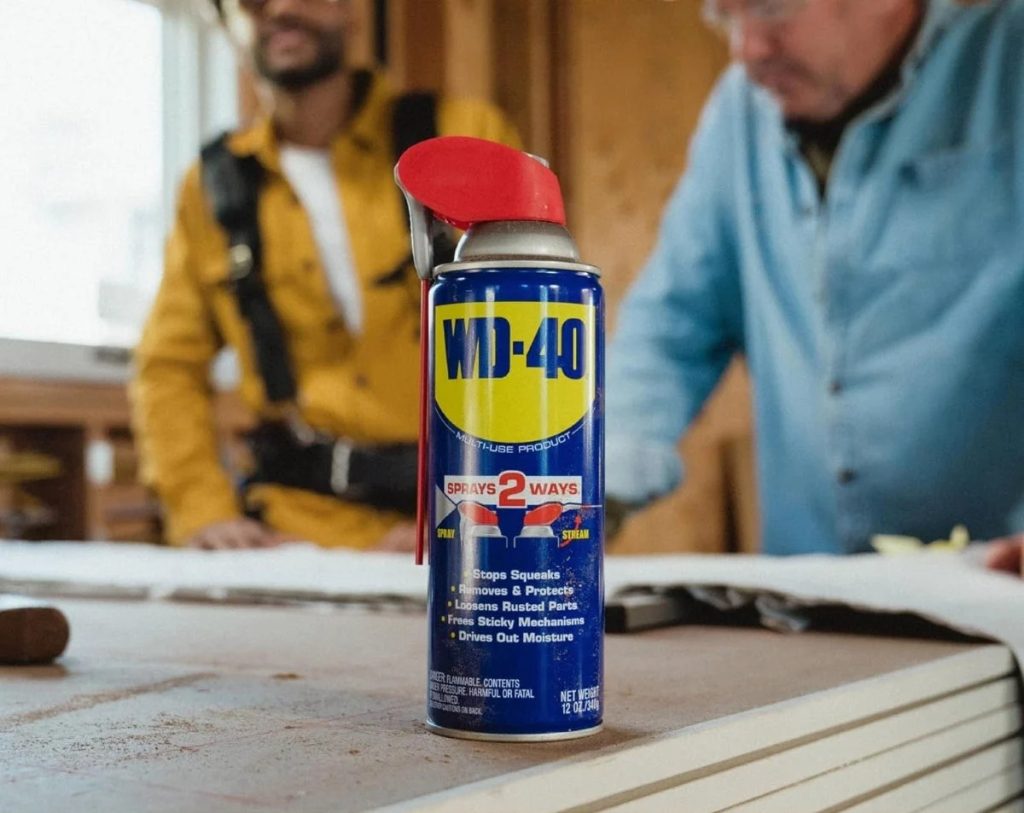
Ever found yourself wondering if your trusty can of WD-40 could freeze? You’re not alone.
Many of us rely on this versatile product for everything from loosening bolts to stopping squeaks. But how does it hold up in cold weather? You might be curious if storing it in your garage during winter is a good idea or if it will maintain its effectiveness when temperatures drop.
Understanding how WD-40 reacts to cold can help you use it more efficiently and avoid any inconvenient surprises. We’ll uncover the truth about WD-40 and freezing temperatures, ensuring you get the most out of every spray. Keep reading to discover if your WD-40 is winter-proof!

Credit: www.walmart.com
Wd-40 Basics
Understanding WD-40 basics helps answer common questions. One such question is whether WD-40 freezes. To know this, we first explore what WD-40 is and its common uses. This knowledge sets the foundation for deeper insights.
What Is Wd-40 Made Of
WD-40 is a blend of oils and solvents. It mainly contains:
- Mineral oil
- Petroleum-based solvents
- Corrosion inhibitors
These ingredients help it clean, protect, and lubricate metal parts. The formula is designed to be water-displacing and rust-preventing. It is also lightweight and quick-drying.
Common Uses Of Wd-40
WD-40 serves many purposes around the home and workshop. Common uses include:
- Loosening rusty bolts and screws
- Protecting metal surfaces from rust
- Lubricating hinges and wheels
- Removing sticky residue and grease
- Displacing moisture from wet electronics
Its versatility makes it a popular choice for quick fixes and maintenance tasks.

Credit: www.youtube.com
Freezing Point Of Wd-40
Understanding the freezing point of WD-40 is essential if you plan to use it in cold environments. Many people wonder if this popular lubricant will freeze and lose effectiveness when temperatures drop. Let’s dive into the science behind its freezing behavior and what you can expect.
Chemical Properties Affecting Freezing
WD-40 is a mixture of various hydrocarbons and additives, which affect its freezing point. Unlike water, these hydrocarbons have much lower freezing points due to their molecular structure. This means WD-40 remains liquid at temperatures far below the freezing point of water.
The presence of solvents like petroleum distillates helps keep WD-40 fluid even in freezing conditions. This is why it doesn’t solidify easily and can still perform its lubricating and protective functions in cold weather.
Temperature Range For Freezing
WD-40 generally starts to become less fluid at temperatures around -50°F (-45°C) or lower, which is far colder than typical winter conditions most people experience. It doesn’t freeze solid like water but may thicken slightly when exposed to extreme cold.
Have you ever noticed WD-40 feeling thicker in your garage during winter? That’s due to this slight increase in viscosity rather than an actual freeze. This thickening usually doesn’t impact its performance unless you’re operating in extremely low temperatures, such as in arctic zones.
- Freezes at approximately -50°F (-45°C) or below
- Remains liquid and functional in typical winter conditions
- May thicken but rarely solidifies
Knowing these details helps you decide whether WD-40 is suitable for your cold-weather tasks or if you need a specialized lubricant designed for extreme cold. What’s your coldest experience using WD-40? Did you notice any change in its performance?
Effects Of Cold On Wd-40
WD-40 is a popular lubricant known for its versatility. Understanding how cold affects it helps users apply it effectively. Low temperatures can change how WD-40 behaves. This section explores those changes clearly.
Performance In Low Temperatures
WD-40 works well in cold weather but with some limits. It does not freeze like water or some oils. It remains liquid enough to spray and penetrate tight spaces. Cold may slow its action but does not stop it.
In freezing conditions, WD-40 still protects metal from rust. It keeps parts moving smoothly despite the cold. Users can trust it for winter maintenance tasks. However, very extreme cold may reduce its efficiency slightly.
Viscosity Changes When Cold
Viscosity means how thick or thin a liquid is. WD-40 becomes thicker when temperatures drop. This change affects how it sprays and flows. The spray may feel less smooth or slower to spread.
Thicker WD-40 still lubricates but may need more time to work. It can stick better on vertical surfaces in cold weather. Users should shake the can well before use to mix the contents. This helps keep the spray consistent in cold conditions.

Credit: www.walmart.com
Practical Implications
Understanding whether WD-40 freezes has real-world consequences, especially if you rely on it during colder months. Knowing how it behaves in low temperatures helps you avoid unexpected issues and use the product effectively. Let’s look into practical tips that ensure WD-40 stays functional and ready to use all winter long.
Using Wd-40 In Winter Conditions
WD-40 does not freeze like water, but extremely cold temperatures can make it thicker and harder to spray. If you’ve ever tried using a spray can outside on a chilly day and noticed a weak or uneven spray, the cold is likely the cause. Warming the can gently in your hands or keeping it indoors before use can improve its performance.
Think about those times when you needed to loosen a frozen lock or squeaky hinge in winter. WD-40 can still work effectively if applied at the right temperature. Always test the spray before applying it to critical parts to ensure proper coverage and penetration.
Storage Tips To Prevent Freezing
Storing WD-40 in freezing temperatures may not cause it to freeze solid, but it can affect its spray quality and overall effectiveness. Keeping the can in a garage or shed that drops below freezing might reduce its lifespan or cause clogging in the nozzle.
- Store WD-40 in a place where the temperature stays above 32°F (0°C).
- A heated toolbox or an insulated container can protect the can during cold snaps.
- Avoid leaving the can in your car overnight in winter, as temperatures can plummet rapidly.
Have you ever checked your WD-40 can after a cold night only to find it barely sprays? Taking simple storage precautions can save you from those frustrating moments. What’s your experience with using WD-40 in freezing weather?
Myths Vs Facts
Many people wonder if WD-40 can freeze in cold weather. There are several ideas about this topic that cause confusion. Separating myths from facts helps understand how this product behaves. Clear information prevents mistakes and improves its use.
Common Misconceptions About Wd-40 Freezing
- WD-40 freezes like water in winter.
- It stops working after freezing.
- Freezing damages the spray can.
- It becomes thick and unusable in cold temperatures.
These ideas spread through word of mouth or incorrect information online. Such claims make people doubt WD-40’s reliability in cold places.
Scientific Evidence
WD-40 is made of chemicals that do not freeze easily. Its low freezing point keeps it liquid in very cold weather. Tests show it remains effective even after exposure to freezing conditions.
The spray can is designed to handle temperature changes safely. The propellant inside the can works well at low temperatures. WD-40 does not thicken or lose its lubricating power when cold.
Therefore, freezing does not damage the product or reduce its usefulness. Users can trust WD-40 to perform in winter or cold environments.
Frequently Asked Questions
Does Wd-40 Freeze In Cold Temperatures?
WD-40 does not freeze under normal cold conditions. It has a low freezing point, making it effective in winter. However, extreme cold may affect its spray consistency slightly but not freeze it solid.
Can Wd-40 Be Used As An Anti-freeze Spray?
WD-40 helps prevent moisture buildup and ice formation on surfaces. It acts as a water displacement spray but is not a substitute for dedicated antifreeze products.
Is Wd-40 Safe To Use On Frozen Locks?
WD-40 can help thaw frozen locks by displacing moisture and lubricating the mechanism. Use it sparingly to avoid attracting dirt after thawing.
What Happens If Wd-40 Freezes?
If WD-40 freezes, it may lose its spray ability temporarily. Thawing it at room temperature restores functionality without damaging the product.
Conclusion
WD-40 does not freeze easily in cold weather. It stays liquid and works well even in low temperatures. This makes it useful for many tasks during winter. Keep in mind, it is not designed as a freezing spray. Use it mainly to protect and lubricate parts.
Always store it in a cool, dry place. This helps maintain its quality over time. Knowing how WD-40 reacts to cold helps you use it safely and effectively. Simple and clear—WD-40 is reliable when temperatures drop.