
When winter’s chill creeps in and temperatures start to dip, you might find yourself asking, “When does def freeze?” Understanding this is crucial, especially if you rely on Diesel Exhaust Fluid (DEF) to keep your vehicle running smoothly.
Imagine being caught off guard by the freezing of your DEF, leaving you stranded in the cold. Not a pleasant thought, right? This article will uncover the mystery behind DEF freezing points and provide you with the knowledge to prevent any unexpected mishaps.
You’ll learn how to safeguard your vehicle and ensure it runs efficiently, no matter how frosty the weather gets. Dive in, and equip yourself with insights that could save you time, money, and a whole lot of hassle.

Credit: azurechemical.com
What Is Def And Why It Matters
Understanding Diesel Exhaust Fluid (DEF) is essential if you drive or work with diesel engines. DEF is more than just a liquid—it plays a crucial role in keeping our air cleaner and engines running efficiently. Knowing what DEF does helps you maintain your vehicle better and avoid costly repairs.
Role Of Def In Emission Control
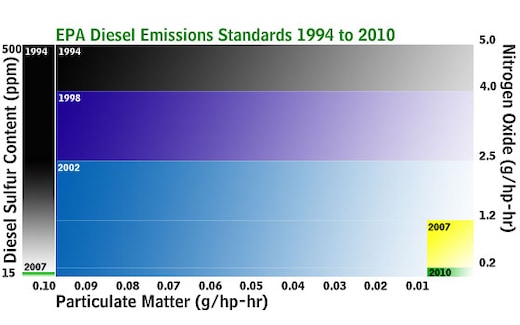
DEF helps reduce harmful nitrogen oxide (NOx) emissions from diesel engines. These NOx gases contribute to air pollution and smog, which can affect your health and the environment.
By adding DEF to the exhaust system, engines meet strict emission standards set by governments. This keeps your vehicle compliant and helps you avoid fines or restrictions.
Have you ever wondered how your vehicle manages to cut down on pollution while still delivering power? That’s where DEF steps in.
How Def Works In Engines
DEF is a mixture of urea and purified water. When injected into the exhaust stream, it breaks down NOx into harmless nitrogen and water vapor.
This process happens inside a component called the Selective Catalytic Reduction (SCR) system. The SCR system relies on DEF to clean the exhaust gases before they exit the tailpipe.
If you skip refilling DEF, your engine’s performance can suffer, and emissions will increase. Keeping an eye on your DEF levels is just as important as checking fuel or oil.
Temperature Thresholds For Def Freezing
Understanding the temperature thresholds for DEF freezing is crucial for vehicle owners. DEF, or Diesel Exhaust Fluid, can freeze under cold conditions and affect vehicle performance. Knowing the exact freezing point and the conditions that lead to freezing helps prevent issues during winter months.
Freezing Point Of Def
DEF freezes at a temperature of -11°C (12°F). This point is consistent because DEF is a mixture of 32.5% urea and 67.5% deionized water. The water content causes it to freeze just above the temperature of pure water. This freezing point is important for drivers in cold climates to remember.
Conditions That Cause Def To Freeze
Several factors cause DEF to freeze, including:
- Exposure to cold temperatures below -11°C (12°F)
- Long periods of inactivity in freezing weather
- Poor insulation of the DEF tank or lines
- Rapid temperature drops during the night
Vehicles often have heating elements to prevent DEF from freezing. Still, extreme cold or failure of these systems can lead to frozen DEF. Knowing these conditions helps drivers prepare and maintain their vehicles properly in winter.
Signs Your Def Has Frozen
Defining the signs of frozen DEF is vital for vehicle health. Recognizing these signs helps avoid costly repairs and downtime. Frozen DEF can cause engine and emission system problems. Knowing what to watch for keeps your vehicle running smoothly.
Engine Warning Lights
Frozen DEF often triggers engine warning lights. The dashboard may show a yellow or red light. This alerts you to DEF system issues. Ignoring these warnings can lead to engine shutdown. The warning light signals DEF is not flowing properly. It means the system detects frozen or low DEF levels.
Performance Issues Related To Frozen Def
Vehicle performance suffers when DEF freezes. You may notice reduced power or sluggish acceleration. The engine might run rough or stall unexpectedly. Exhaust emissions can increase, failing emissions tests. The DEF system controls harmful gases, so freezing disrupts this balance. These performance problems indicate DEF flow is blocked or frozen.
Credit: www.stoneridgechryslerjeepdodgeofdublin.com
Impact Of Frozen Def On Vehicle Systems
Frozen Diesel Exhaust Fluid (DEF) can cause more trouble than just a temporary inconvenience. When DEF freezes, it affects multiple vehicle systems, potentially leading to costly repairs and reduced performance. Understanding how a frozen DEF impacts your vehicle helps you take timely action and avoid unexpected breakdowns.
Potential Damage To The Def Tank And Lines
DEF expands as it freezes, which puts extra pressure on the DEF tank and lines. This expansion can cause cracks or leaks, leading to fluid loss and costly repairs. If you’ve ever noticed a sudden drop in DEF levels or strange smells, these might be warning signs of damage caused by freezing.
Frozen DEF can also block the lines, stopping the fluid from reaching the engine. This blockage can interrupt the entire emission control system, forcing you to halt your trip until the fluid thaws. Have you ever been stuck waiting for your vehicle to defrost? That delay could be because of frozen DEF lines.
Effects On Emission Control And Engine Performance
Your vehicle relies on DEF to reduce harmful emissions. When DEF freezes and can’t flow properly, the emission control system struggles to work efficiently. This may cause your engine to run rough or trigger warning lights on your dashboard.
Without proper DEF flow, your engine’s performance can suffer. You might notice decreased fuel efficiency or reduced power during acceleration. If you’re driving in cold weather, keeping an eye on your DEF system can prevent these issues and keep your vehicle running smoothly.
Preventing Def Freeze In Cold Weather
Preventing DEF freeze in cold weather is essential for vehicles using diesel exhaust fluid. DEF freezes at 12°F (-11°C), which can cause issues in winter. Taking simple steps helps keep DEF liquid and ready to use. Proper care ensures your vehicle runs smoothly without delays or damage.
Storage Tips For Def
- Store DEF indoors or in a heated area during winter.
- Keep containers sealed to prevent contamination.
- Avoid direct sunlight to maintain fluid quality.
- Use small containers for quick use and replacement.
- Label containers with purchase date for freshness.
Using Heated Def Tanks And Lines
- Install heated tanks to keep DEF above freezing point.
- Use heated lines to prevent freezing during flow.
- Check heating system regularly for proper function.
- Consider automatic heating controls for consistent temperature.
- Ensure insulation on tanks and lines to retain heat.
Selecting Def With Freeze Protection
- Choose DEF formulated with additives for lower freeze points.
- Verify product labels for winter-grade DEF options.
- Purchase from trusted suppliers to ensure quality.
- Use DEF blends designed for cold climate performance.
- Replace old DEF with fresh supply before winter starts.
Quick Actions When Def Freezes
Discovering that your Diesel Exhaust Fluid (DEF) has frozen can be frustrating, especially when you’re in a rush. Acting quickly and correctly is crucial to avoid damage to your vehicle’s system. Knowing the right steps to safely thaw DEF can save you time and prevent costly repairs.
Safe Thawing Methods
Thaw DEF gradually to protect its quality and your vehicle’s components.
- Use ambient warmth:Move the DEF container or your vehicle to a warmer area, like a heated garage. This prevents rapid temperature changes that might harm the fluid.
- Warm water bath:Place the DEF container in a basin of warm water (not hot). Keep the water temperature below 40°C (104°F) to avoid breaking down the urea in the fluid.
- Heated storage:If you live in cold climates, consider storing DEF indoors or in insulated containers designed to maintain temperature.
Have you ever rushed to thaw DEF only to find it still frozen hours later? Patience and gentle warmth often do the trick better than heat blasts.
Avoiding Common Mistakes
It’s easy to make mistakes when you’re trying to fix frozen DEF fast. Some errors can permanently damage the fluid or your vehicle’s system.
- Don’t use a direct heat source:Avoid using hair dryers, open flames, or heaters directly on the DEF. Excessive heat can degrade the fluid’s composition.
- Avoid freezing and refreezing:Refreezing DEF weakens its effectiveness. Keep your fluid stored properly to prevent repeated freeze-thaw cycles.
- Never mix fluids:Don’t add water or other substances to thaw or dilute frozen DEF. This can cause system malfunctions or damage your vehicle’s emissions control.
What’s your go-to strategy when dealing with frozen automotive fluids? Sharing practical tips can help others avoid costly errors.
Maintenance Practices To Protect Def
Protecting Diesel Exhaust Fluid (DEF) is vital for vehicle performance. Proper maintenance prevents freezing and damage. It extends DEF’s life and keeps the system working well. Simple habits help avoid costly repairs and keep emissions low.
Regular Inspection And Replacement
Check DEF tanks and lines often for cracks or leaks. Look for dirt or contamination around the fill cap. Replace old DEF fluid every six months to keep it fresh. Always use clean containers and tools during refills. Inspect seals and hoses for wear and tear. Timely replacement avoids freezing and system issues.
Monitoring Def Quality And Levels
Keep DEF levels above the minimum mark to avoid running out. Use a DEF quality tester to check for purity and concentration. Low-quality DEF can cause injector clogging and engine problems. Store DEF in a cool, dry place away from sunlight. Avoid mixing DEF brands to maintain chemical balance. Regular monitoring ensures optimal engine function and prevents freezing.
Choosing The Right Def For Your Climate
Choosing the right Diesel Exhaust Fluid (DEF) for your climate is crucial to prevent freezing and maintain your vehicle’s performance. DEF freezes at 12°F (-11°C), so selecting a formulation suited for colder temperatures helps avoid problems during winter. Using the proper DEF ensures your vehicle runs smoothly, even in harsh weather conditions.
Additives And Formulations For Cold Weather
Some DEF products include additives to lower the freezing point. These formulations help DEF stay liquid at temperatures below the standard freeze point. Look for DEF labeled as “winter grade” or “cold weather” to ensure better flow and performance in freezing conditions.
- Contains antifreeze additives
- Freezes at lower temperatures than regular DEF
- Improves pump and injector performance in cold
Using these special DEF types reduces the risk of clogging and damage. It also saves time by reducing thawing delays during cold starts.
Where To Buy Reliable Def
Buy DEF from trusted suppliers to guarantee quality and proper formulation. Avoid cheap or unbranded products that may not meet standards. Reliable DEF suppliers include:
- Authorized dealerships
- Reputable auto parts stores
- Certified online retailers
Check product labels and certifications before purchase. Proper storage of DEF also matters; keep it in a cool, dry place away from direct sunlight.
Credit: azurechemical.com
Frequently Asked Questions
When Does Def Typically Freeze In Cold Weather?
DEF usually freezes at around 12°F (-11°C). It solidifies when temperatures drop below this point.
How Long Does Def Take To Thaw After Freezing?
DEF typically thaws within a few hours once temperatures rise above freezing. Thawing time depends on ambient heat.
Can Frozen Def Damage My Vehicle’s System?
Frozen DEF generally does not harm the system. Most vehicles have heaters to thaw DEF safely.
How To Prevent Def From Freezing In Winter?
Store DEF indoors or use heated DEF tanks. Keep the vehicle in a garage during cold spells.
Conclusion
DEF fluid freezes at very low temperatures, usually below -20°F (-29°C). Knowing this helps protect your vehicle in cold weather. Keep your fluid fresh and check it before winter. Using the right mix prevents freezing and engine problems. Stay safe by preparing your car for cold days.
Simple steps can save you from costly repairs. Remember, cold weather affects car fluids more than you think. Take care early, and your vehicle will run smoothly all winter long.