Is your air conditioner turning into an icebox instead of cooling your home? If you’ve ever found yourself shivering unexpectedly because your AC is freezing up, you’re not alone.
This common issue can leave you feeling frustrated and uncomfortable, especially during those sweltering summer months. But don’t worry—you’re about to discover how to fix this chilling problem and get your AC back to working perfectly. Imagine a world where your air conditioner runs smoothly, keeping your home at the perfect temperature without any icy surprises.
This isn’t just a dream; it can be your reality. By understanding the simple steps to prevent your AC from freezing, you can save time, money, and enjoy a more comfortable home environment. Ready to learn how to stop your AC from freezing and keep it running efficiently? Let’s dive in and make your air conditioning woes a thing of the past.
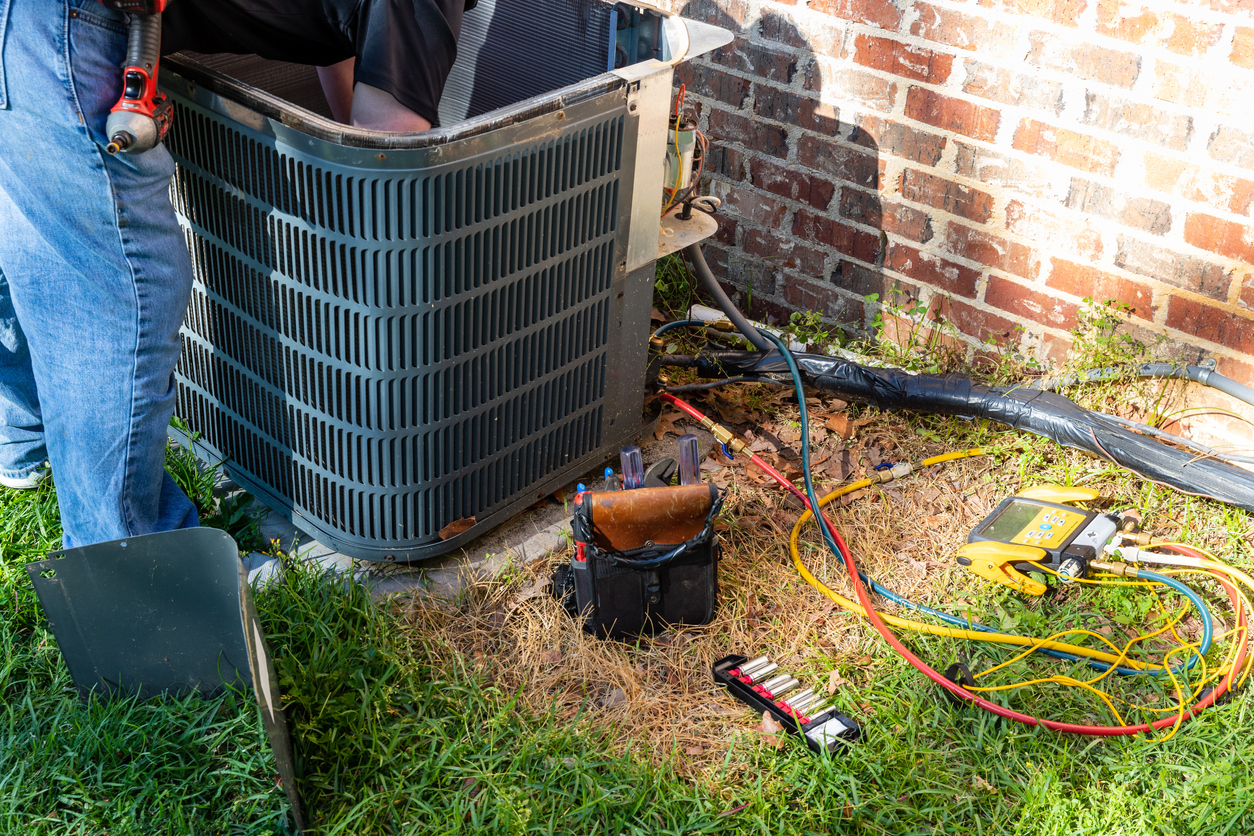
Credit: wheatandsons.com
Common Causes Of Ac Freezing
Understanding why your AC freezes up is key to fixing it quickly. Freezing often happens because something interrupts the normal cooling process. Identifying the root cause can save you from discomfort and expensive repairs.
Dirty Air Filters
Clogged air filters block airflow over the evaporator coil, causing it to get too cold and freeze. You might not notice the filter getting dirty until the AC stops working properly.
Changing or cleaning your air filter regularly can prevent this buildup. Have you checked your filter lately?
Low Refrigerant Levels
Refrigerant is essential for absorbing heat. If levels drop due to leaks or poor maintenance, the pressure drops, making the coil temperature fall below freezing.
This leads to ice forming on the coil and eventually, the whole system freezing up. Getting a professional to check refrigerant levels can pinpoint this issue.
Blocked Airflow
Obstructions around vents or ducts reduce airflow, similar to dirty filters. Furniture, curtains, or debris can all block air from moving freely.
Without enough air, the coil gets too cold and freezes. Take a quick walk around your vents—are they clear?
Thermostat Issues
Your thermostat controls when the AC turns on and off. If it malfunctions or is set incorrectly, the system might run too long or too cold.
This overworking can cause the evaporator coil to freeze. Double-check your thermostat settings and consider upgrading if it’s outdated.
Mechanical Failures
Parts like the blower fan, motors, or sensors can break down, disrupting airflow and cooling cycles. For example, a failing blower fan won’t push air over the coils properly.
This leads to freezing as well. If your AC makes unusual noises or stops cooling effectively, mechanical failure might be the cause.

Credit: www.youtube.com
Signs Your Ac Is Freezing
Recognizing the signs that your AC is freezing can save you time, money, and discomfort. Ice buildup doesn’t just affect your unit’s performance—it signals underlying issues that need immediate attention. Knowing these signs early helps you act before a minor problem turns into a costly repair.
Visible Ice Formation
One of the clearest signs of a freezing AC is seeing ice on the evaporator coils or refrigerant lines. This ice can appear as frost or thick chunks of ice, often on the indoor unit. Have you ever noticed this frozen buildup? It’s a red flag that airflow or refrigerant flow is restricted.
Reduced Cooling Efficiency
If your AC suddenly struggles to cool your home, freezing might be the culprit. Ice blocks the coils, reducing heat exchange and making your unit work harder. You might feel that the air isn’t as cold as before, even when the system is running nonstop.
Unusual Noises
Pay attention to sounds coming from your AC. Freezing can cause the compressor or fan to make strange noises like rattling or banging. These noises happen because ice disrupts normal operation and puts stress on components. Have you heard odd sounds that didn’t seem right?
Water Leaks
When ice melts, it can overwhelm the drainage system and cause water to leak inside your home. Wet spots around the indoor unit or dripping water are signs your AC might be freezing up. Ignoring leaks can lead to water damage, so spotting this early is key.
Step-by-step Fixes
Fixing an AC that’s freezing up can feel frustrating, but the solution is often simpler than you think. By following a few clear steps, you can identify the problem and get your system back to cooling efficiently. Let’s walk through practical fixes that you can try at home before calling a professional.
Turn Off The Ac And Let It Thaw
The first thing you should do is switch off your AC unit completely. Ice buildup on the coils needs time to melt naturally to avoid damage. This pause also prevents the compressor from working under stress, which can save you costly repairs.
Have you noticed how long it takes for the ice to fully melt? Usually, a few hours is enough if you keep the fan running to speed up the process. Avoid using sharp objects to chip away the ice—that can harm the coils.
Replace Or Clean Air Filters
Dirty or clogged air filters restrict airflow and cause your AC to freeze. Check your filters regularly and replace them if they look grimy. If you have reusable filters, a good wash and thorough drying can restore proper airflow.
Think about how long it’s been since you last changed your filter. Most AC units need new filters every 1-3 months depending on usage and air quality. Keeping filters clean helps your unit breathe easier and prevents freezing.
Check And Clear Vents
Blocked or closed vents limit airflow and contribute to ice formation. Walk through your home and ensure all vents are open and unblocked by furniture or curtains. Also, clean dust and debris from vent covers to keep the air moving freely.
Ask yourself if any rooms feel colder or warmer than others. Uneven airflow can hint at vent issues that affect your entire system’s performance. Clearing vents often improves comfort and reduces the chance of freezing.
Inspect Refrigerant Levels
Low refrigerant is a common cause of freezing coils because it lowers pressure inside the system. Unfortunately, checking refrigerant levels requires specialized tools and knowledge, so it’s best left to a professional. However, if your AC is freezing repeatedly, it might be time to call for a recharge.
Have you noticed your AC losing cooling power over time? This could signal a refrigerant leak. Catching and fixing leaks early saves money and protects your AC’s lifespan.
Reset The Thermostat
Sometimes, your thermostat settings can cause the AC to run excessively, leading to freezing. Try resetting your thermostat by turning it off, waiting a few minutes, and then setting it back to your preferred temperature. This simple step can recalibrate your system’s cycle.
Consider if your thermostat placement affects its readings. Avoid spots near heat sources or direct sunlight. A well-placed thermostat helps maintain consistent temperatures and prevents overworking your AC.

Credit: www.youtube.com
Preventing Future Freezing
Preventing your AC from freezing up again starts with understanding the small habits and care routines that keep it running smoothly. You don’t need to be an expert, just consistent and attentive to your unit’s needs. Let’s look at some practical steps that can help you avoid future freezing issues.
Regular Maintenance Tips
Keeping your AC clean is key. Change or clean the air filters every 1 to 3 months to stop dust from blocking airflow. Dirt buildup can cause your system to work harder, which often leads to freezing.
Also, check the evaporator coil for dirt and debris. A dirty coil reduces heat absorption, making the coil too cold and causing ice to form. Simple cleaning or a quick vacuum can make a big difference.
Proper Thermostat Settings
Setting your thermostat too low can cause your AC to freeze. Try keeping it at a steady, reasonable temperature like 75°F (24°C). Rapid changes or extremely low settings can confuse your unit and lead to freezing.
Have you noticed your AC freezing more during the hottest days? That might mean your thermostat is working overtime. Adjusting the temperature gradually helps your system stay balanced and prevents strain.
Ensuring Adequate Airflow
Blocked vents and closed registers can choke airflow, which leads to freezing. Make sure all vents are open and unobstructed by furniture or curtains. Good airflow keeps the coil temperature in check.
Check your ductwork for leaks or damage. Even small holes can reduce airflow and cause freezing. Sealing ducts can improve your AC’s efficiency and prevent ice buildup.
Scheduling Professional Inspections
Sometimes, you need a trained eye to spot hidden problems. Scheduling a professional inspection once or twice a year helps catch issues before they turn into freezing problems. Technicians can check refrigerant levels and clean parts you can’t reach.
Have you ever skipped a professional check and ended up with a surprise repair bill? Regular inspections save money and headaches in the long run by keeping your AC healthy and ice-free.
When To Call A Professional
Knowing when to call a professional for a freezing AC is important. Some problems need expert tools and skills. Trying to fix complex issues alone can cause more damage or risk safety.
Calling a technician early can save money. It also keeps your home comfortable and prevents long-term damage.
Persistent Freezing Issues
If your AC freezes often despite basic fixes, it needs expert care. Constant freezing may point to hidden problems. Professionals can diagnose and repair these accurately.
Refrigerant Leaks
Low refrigerant causes freezing and poor cooling. Finding and fixing leaks require special tools. Handling refrigerant without training is unsafe and illegal in many areas. A technician can safely recharge and repair leaks.
Mechanical Repairs
Frozen AC might have broken parts like fans or compressors. These need skilled repair or replacement. Attempting mechanical fixes without knowledge can harm your system further. Experts have the right parts and experience to fix these safely.
Frequently Asked Questions
Why Is My Ac Freezing Up Frequently?
Your AC may freeze due to restricted airflow, low refrigerant, or dirty filters. These issues reduce cooling efficiency. Regular maintenance and cleaning can prevent freezing and improve performance.
How Can I Prevent My Ac From Freezing?
Keep air filters clean, ensure proper airflow, and maintain refrigerant levels. Schedule regular professional inspections to catch early problems. Avoid setting the thermostat too low to prevent freezing.
What Should I Do If My Ac Freezes Up?
Turn off the AC immediately to let ice melt. Check and replace dirty filters. If freezing persists, call a technician to inspect refrigerant levels and airflow issues.
Can Low Refrigerant Cause Ac Freezing?
Yes, low refrigerant reduces cooling capacity, causing the evaporator coil to freeze. This leads to ice buildup and poor cooling. A professional should check and refill refrigerant safely.
Conclusion
Fixing an AC that freezes up can save money and keep you cool. Regular cleaning helps avoid ice build-up. Check airflow and refrigerant levels often. Small problems can turn big if ignored. Stay alert to unusual sounds or smells. Quick action prevents costly repairs later.
Keep your AC working well all summer. Simple care keeps your home comfortable and fresh. Don’t wait for the ice to melt on its own. Take steps today for a cool tomorrow.