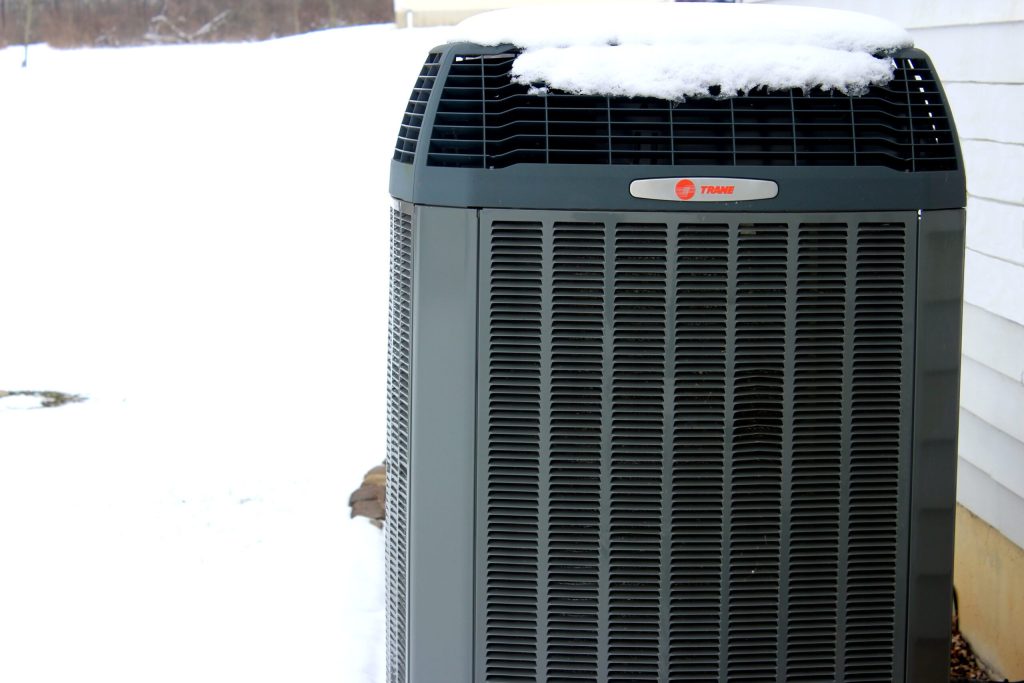
Are you tired of dealing with a heat pump that freezes up just when you need it most? You’re not alone.
As temperatures drop, many homeowners face the frustrating challenge of keeping their heat pumps from freezing over. But don’t worry, there’s good news! With a few simple steps, you can ensure your heat pump runs smoothly all winter long. Imagine a cozy home, free from the worry of unexpected breakdowns.
Keep reading to discover practical tips and tricks that will help you maintain your heat pump’s efficiency and keep your home warm and comfortable. Whether you’re a seasoned DIY enthusiast or new to home maintenance, these easy-to-follow solutions are designed with you in mind. Let’s dive in and make sure your heat pump is ready to take on the winter chill!
Why Heat Pumps Freeze
Understanding why heat pumps freeze is key to preventing costly repairs and maintaining comfort in your home. When a heat pump freezes, it struggles to work efficiently, which can lead to higher energy bills and discomfort. Let’s break down the common causes and the impact freezing has on your heat pump’s performance.
Common Causes
One major reason heat pumps freeze is poor airflow. Dirt, debris, or blocked vents restrict air movement, causing the coils to become too cold and ice to form.
Another cause is low refrigerant levels. When refrigerant leaks or runs low, the pressure drops, making the coils freeze up quickly.
Sometimes, faulty defrost controls or sensors fail to remove ice buildup, allowing it to accumulate.
Have you ever noticed your outdoor unit covered in frost after a cold night? That’s a clear sign something is off, often related to these common issues.
Impact On Performance
When your heat pump freezes, it can’t transfer heat properly. This makes your home colder and forces the unit to work harder, wasting energy.
Frozen coils also increase wear and tear on the system, which can shorten the life of your heat pump and lead to expensive repairs.
Ignoring these signs might leave you without heat on the coldest days. Isn’t it better to catch these problems early?

Credit: www.reddit.com
Signs Of A Freezing Heat Pump
Recognizing the signs of a freezing heat pump helps prevent costly damage. Early detection allows timely action and keeps your system running smoothly.
Freezing issues often start small but worsen quickly. Watch for unusual sounds, less heat, or ice forming outside your unit.
Unusual Noises
A freezing heat pump often makes strange noises. You might hear rattling, banging, or hissing sounds. These noises can mean the ice is blocking parts from moving properly. Strange sounds should never be ignored.
Reduced Efficiency
When your heat pump freezes, it loses power. It takes longer to warm your home. Energy bills might rise as the unit works harder. A sudden drop in heating performance signals freezing issues.
Visible Ice Buildup
Look for ice on the outdoor unit’s coils or pipes. Ice may appear as thin frost or thick chunks. Ice buildup blocks airflow and stops heat transfer. Seeing ice means your heat pump needs immediate attention.
Regular Maintenance Tips
Keeping your heat pump from freezing starts with regular maintenance. Small, consistent efforts can prevent big problems and save you from costly repairs. Taking time to check key components ensures your system runs efficiently, even in the coldest months.
Cleaning Filters And Coils
Dirty filters and coils block airflow, causing your heat pump to work harder and freeze up. You should clean or replace filters every 1 to 3 months depending on usage. Wiping down the coils gently with a soft brush or vacuum can also improve airflow.
Think about the last time you skipped this simple task—did your system struggle to heat your home? Clean filters and coils help maintain proper temperature and reduce strain on the unit.
Checking Refrigerant Levels
Low refrigerant levels can cause your heat pump to freeze and lose efficiency. You won’t be able to check this yourself, so schedule a professional inspection at least once a year. Technicians can spot leaks and recharge the refrigerant to keep your system balanced.
Have you noticed your heat pump running longer than usual? That might be a sign to get your refrigerant checked before ice starts building up.
Inspecting Drainage Systems
Blocked or frozen drainage can cause water to accumulate and freeze around your heat pump. Regularly clear debris from the drain pan and make sure the drainage pipe is unobstructed. If water isn’t draining properly, ice can form quickly, affecting your heat pump’s operation.
Check your drainage system during cold spells to avoid unexpected freezing. A simple inspection could prevent hours of repair work and keep your heat pump working smoothly.
Proper Installation Practices
Proper installation plays a key role in preventing heat pump freezing. A well-installed unit works smoothly and avoids common issues. Careful planning during installation ensures better performance and longer life. Two important factors are location and airflow. Both affect the heat pump’s ability to stay frost-free.
Location Considerations
Choose a spot with good sun exposure to help melt frost naturally. Avoid placing the heat pump near trees or bushes that drop leaves and block airflow. Install the unit on a raised platform to keep it away from snow buildup. Keep it away from walls or fences that can trap cold air. Clear space around the heat pump allows it to operate efficiently. Proper drainage is also important to prevent water from freezing near the unit.
Ensuring Adequate Airflow
Airflow keeps the heat pump from freezing by moving cold air away. Make sure nothing blocks the unit’s vents and fans. Leave at least 2 feet of clearance around the heat pump. Avoid placing objects like furniture or garden tools nearby. Regularly check and clean the area to remove snow, ice, and debris. Strong airflow helps the heat pump defrost automatically and keeps it running well in winter.
Using Heat Pump Covers
Using heat pump covers helps protect your unit from freezing during cold weather. These covers shield the pump from snow, ice, and frost. They create a barrier that limits moisture buildup and wind exposure. Covers can extend the life of your heat pump and keep it running smoothly.
Types Of Covers
- Full Covers:Wrap the entire heat pump for maximum protection.
- Top Covers:Only cover the top to prevent snow and ice accumulation.
- Mesh Covers:Allow airflow while blocking debris and large ice chunks.
- Custom Covers:Designed to fit specific heat pump models for better fit.
- DIY Covers:Made from tarps or plastic sheets for temporary use.
Benefits And Limitations
- Protects heat pump from snow and ice buildup.
- Reduces risk of freezing and damage in winter.
- Easy to install and remove as needed.
- Some covers may block airflow, causing overheating.
- Improper covers can trap moisture, leading to rust.
- Full covers might cause condensation if left on during operation.
- Mesh covers offer airflow but less protection from freezing.

Credit: www.reddit.com
Adjusting Thermostat Settings
Adjusting thermostat settings plays a key role in keeping your heat pump from freezing. Proper settings help maintain steady temperatures and prevent ice build-up. Simple changes can improve efficiency and protect your system during cold days.
Optimal Temperature Settings
Set your thermostat to a moderate temperature. Avoid very low settings that force the heat pump to work too hard. A range between 68°F and 72°F is usually ideal for heating. This range keeps your home warm without overloading the system.
Lower temperatures can cause the heat pump to freeze. The system runs longer to meet the cold demand. This leads to ice forming on the outdoor unit. Keep the temperature stable to reduce this risk.
Utilizing Defrost Mode
Most heat pumps have a defrost mode to remove ice. This mode activates automatically when sensors detect frost. It reverses the cycle to warm the outdoor coil.
Make sure the defrost mode is enabled on your thermostat. It prevents ice from building up too much. If your unit lacks this feature, manual defrosting may be necessary.
Regularly check that defrost cycles run properly. Faulty settings or sensors can stop the process. This leads to ice blocking airflow and reducing heat output.
When To Call A Professional
Knowing when to call a professional for a freezing heat pump can save you time and money. Some problems need expert care beyond simple DIY fixes. Early action can prevent bigger damage and costly repairs. Watch for warning signs that show your heat pump needs expert help.
Signs Of Serious Issues
- The heat pump keeps freezing despite thawing attempts.
- Unusual noises like rattling or banging sounds appear.
- The unit runs constantly without heating properly.
- Ice builds up quickly on coils or outdoor parts.
- Higher energy bills with less heat output.
- Water leaks or frost near the unit’s base.
- Thermostat shows errors or fails to respond.
These signs suggest a deeper mechanical or refrigerant problem. A professional can diagnose and fix these safely.
Choosing The Right Technician
- Pick a licensed and insured HVAC expert.
- Look for technicians with heat pump experience.
- Check online reviews and ask for references.
- Confirm they offer a warranty on repairs.
- Ensure they use proper tools and replacement parts.
- Request clear estimates before work starts.
- Choose someone who explains the issue simply.
Trustworthy technicians protect your system and give lasting solutions. Acting fast with the right help keeps your home warm and safe.

Credit: baggettheatingandcooling.com
Frequently Asked Questions
How Can I Prevent My Heat Pump From Freezing?
Regularly clean the outdoor unit and remove debris. Ensure proper airflow and check refrigerant levels. Use a heat pump cover during extreme cold to protect it from ice buildup.
What Causes A Heat Pump To Freeze In Winter?
Heat pumps freeze due to poor airflow, low refrigerant, or clogged filters. Ice forms when warm air cannot circulate properly around the coils.
Is It Normal For A Heat Pump To Freeze?
A small amount of frost is normal in cold weather. However, heavy ice buildup indicates a problem that needs prompt attention to avoid damage.
How Often Should I Maintain My Heat Pump To Avoid Freezing?
Schedule maintenance at least once a year before winter. Regular checks on filters, coils, and refrigerant levels help prevent freezing and improve efficiency.
Conclusion
Keeping your heat pump from freezing takes regular care and attention. Clean the filters and clear debris often. Check the drain and coils for ice buildup. Set the thermostat correctly to avoid strain. Small steps make a big difference in winter.
A well-maintained heat pump lasts longer and works better. Stay warm without worry by following these simple tips. Your home stays cozy, and your system stays healthy. Easy to do, and worth the effort. Prevent freezing to save money and avoid repairs.