
Have you ever wondered if your beloved snow globe could freeze? Imagine this: you place your snow globe on a windowsill during a cold winter night, only to find it frozen solid by morning.
Sounds intriguing, right? Understanding the science behind this can not only satisfy your curiosity but also help you protect your cherished collection. We’ll explore what happens to snow globes in freezing temperatures and why it matters to you. Get ready to dive into the fascinating world of snow globes and uncover the secrets that keep these little winter wonderlands safe and beautiful.
Keep reading to ensure your snow globes remain as mesmerizing as ever, regardless of the weather outside.
How Snow Globes Work
Understanding how snow globes work can change the way you see these charming little keepsakes. At first glance, they might seem simple—just a glass dome filled with water and glitter. But the magic inside is all about the materials and the liquid that create that mesmerizing snowfall effect when you shake it.
Materials Inside A Snow Globe
Inside a snow globe, you’ll find a small scene or figurine, usually made of resin or ceramic. These materials are chosen because they hold up well in liquid and don’t degrade over time. The “snow” is typically made from tiny bits of plastic or other lightweight particles that float and swirl gently.
The choice of these materials affects how the snow falls and settles. If the particles are too heavy, they’ll drop quickly, and if they’re too light, they might float endlessly. Ever noticed how some snow globes have a slower, more graceful snowfall? That’s the result of careful material selection.
Role Of The Liquid
The liquid inside a snow globe is not just plain water. It’s usually a mix of water and antifreeze-like substances such as glycerin or glycol. These additives thicken the liquid, making the snowflakes fall slowly and smoothly rather than sinking immediately.
Have you ever shaken a snow globe and watched the flakes dance in a slow-motion swirl? That’s because the liquid’s viscosity controls the speed of the snowfall. If the liquid freezes, the snowflakes won’t move at all, which can ruin the effect you enjoy.
Next time you pick up a snow globe, think about this delicate balance. Could the liquid freeze in your home during winter? How might that affect the tiny scene inside?
Freezing Point Of Snow Globe Liquid
Snow globes contain a special liquid that surrounds the floating particles. This liquid plays a key role in the globe’s function and appearance. Understanding its freezing point helps explain if and when a snow globe might freeze.
The liquid inside is not just water. It is usually a mix designed to stay liquid in cold weather. The freezing point depends on the type of liquid used. This prevents the globe from cracking or the liquid from solidifying easily.
Types Of Liquids Used
- Distilled water: Pure water, rarely used alone due to freezing risk.
- Glycol solutions: Common antifreeze agent that lowers freezing point.
- Glycerin mixtures: Thickens the liquid and helps slow particle fall.
- Alcohol blends: Sometimes added to prevent freezing and improve clarity.
These liquids mix to balance clarity, flow, and freezing resistance. The right mix keeps the globe safe in cold temperatures.
Freezing Temperatures Compared
| Liquid Type | Freezing Point (°C) |
|---|---|
| Distilled Water | 0 |
| Glycol Solution | -10 to -20 |
| Glycerin Mixture | -5 to -15 |
| Alcohol Blend | -15 to -30 |
The freezing point varies but often stays below freezing temperatures. This helps protect the snow globe from damage in cold environments.
What Happens When A Snow Globe Freezes
Snow globes contain water or a special liquid inside a sealed glass dome. When exposed to freezing temperatures, the liquid inside can solidify. This change affects both the look and safety of the snow globe. Understanding what happens during freezing helps protect these delicate keepsakes.
Effects On The Globe’s Appearance
Freezing causes the liquid to turn into ice, making the globe look cloudy or frosted. The tiny “snow” particles may stop moving smoothly and get stuck in place. Cracks may appear on the glass due to pressure from the expanding ice. The scene inside may look distorted through the frozen liquid. Colors might seem duller because ice blocks light differently than water.
Potential Damage Risks
Ice expands and can put stress on the globe’s glass and seals. This pressure can lead to cracks or breaks in the glass. The liquid inside might leak if the seal fails. The delicate decorations inside could get damaged by ice crystals. Freezing may cause permanent cloudiness or bubbles in the liquid. Repairing a frozen snow globe is often difficult and costly.

Credit: www.amazon.com
Safe Temperature Ranges For Snow Globes
Knowing the safe temperature ranges for snow globes helps protect your cherished keepsakes from damage. Snow globes contain liquid that can expand or contract with temperature changes, risking cracks or cloudiness. Understanding the ideal conditions ensures your snow globe stays beautiful and intact over time.
Indoor Vs Outdoor Conditions
Snow globes are designed to be displayed indoors where temperatures are stable. Indoor temperatures between 60°F and 75°F (15°C to 24°C)are generally safe for most snow globes.
Outdoor exposure is risky, especially in freezing weather below 32°F (0°C). The liquid inside can freeze and expand, causing the glass to crack or the seal to break. Have you ever noticed your snow globe looking cloudy after a cold night outside? That’s a sign the temperature went too low.
Even brief exposure to extreme heat above 85°F (29°C)can cause the liquid to evaporate or discolor. Keep your snow globe away from direct sunlight and heaters to avoid damage.
Storage Tips To Prevent Freezing
If you live in a cold climate, never store snow globes in unheated garages or sheds during winter. Instead, place them in insulated boxes or wrap them in soft cloth before storing in a temperature-controlled room.
- Use a cool, dry place inside your home for storage
- Avoid attics or basements where temperatures can fluctuate drastically
- Keep snow globes upright and secure to prevent shaking and internal damage
Have you ever tried wrapping a snow globe in bubble wrap for extra protection? It’s a simple trick that helps buffer temperature shifts and keeps the glass safe during transport or storage.
Myths About Snow Globes And Freezing
Snow globes fascinate many with their delicate scenes and swirling snow. People often wonder if snow globes can freeze in cold weather. Several myths exist about what happens to the liquid inside snow globes when exposed to freezing temperatures. These myths can cause confusion and worry among collectors and fans.
This section clears up common misconceptions and shares scientific facts. Understanding the truth helps in caring for snow globes properly.
Common Misconceptions
- Snow globes will always freeze solid in the cold.
- The liquid inside is just water and freezes easily.
- Freezing damages the globe or the scene inside.
- Cold weather causes the globe to crack or leak.
- Shaking a frozen snow globe will break it.
Scientific Facts
The liquid inside snow globes is a mix of water and antifreeze agents. These chemicals lower the freezing point of the liquid. This means the liquid rarely freezes, even in cold weather. Most snow globes can withstand temperatures well below freezing without damage.
The glass is also designed to handle temperature changes safely. Cracking or leaking usually happens from physical damage, not freezing. Shaking the globe in cold does not cause harm unless it is already fragile.
Proper care includes keeping snow globes away from extreme temperature shifts. Avoid leaving them outside for long periods in freezing weather. This helps keep the liquid clear and the globe intact.

Credit: www.amazon.com
Caring For Your Snow Globe In Winter
Snow globes are delicate winter treasures. Proper care helps keep them beautiful and intact during cold months. Low temperatures can cause the water inside to freeze and expand. This may crack or damage the globe. Taking simple steps protects your snow globe from winter harm.
Cleaning Tips
Use a soft cloth to wipe the outside gently. Avoid harsh chemicals or abrasive materials. Warm water with mild soap works well. Dry the globe carefully with a dry, soft cloth. Clean regularly to prevent dust buildup. Keep the base free from moisture to avoid damage.
Handling Frozen Globes
Do not shake or tap a frozen snow globe. Sudden movements can cause cracks inside. Bring the globe indoors to warm slowly. Avoid direct heat sources like radiators or sunlight. Let it thaw at room temperature naturally. Once thawed, check for any damage before use.
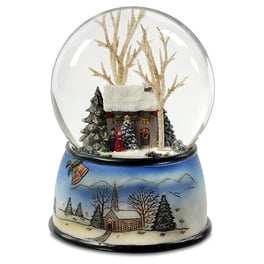
Credit: www.walmart.com
Frequently Asked Questions
Will A Snow Globe Freeze In Cold Weather?
A snow globe typically won’t freeze because it contains antifreeze or glycerin. These liquids prevent freezing at normal outdoor cold temperatures. Extreme cold might affect it, but standard winter conditions are usually safe for snow globes.
What Happens To Snow Globes In Freezing Temperatures?
In freezing temperatures, water inside a snow globe can expand and crack the glass. However, most snow globes use antifreeze to avoid freezing. Prolonged exposure to extreme cold may still cause damage over time.
Can Freezing Damage A Snow Globe’s Liquid?
Yes, freezing can cause the liquid to expand and break the globe. Most manufacturers add antifreeze to prevent this. Avoid exposing snow globes to temperatures below freezing to keep them safe.
How To Protect A Snow Globe From Freezing?
Keep snow globes indoors or in a temperature-controlled environment. Avoid leaving them outside in winter or near cold windows. Proper storage prevents freezing and preserves the globe’s appearance and function.
Conclusion
Snow globes usually do not freeze easily because their liquid has antifreeze. Extreme cold can still cause problems, like cloudiness or cracks. Keeping snow globes indoors helps protect them from damage. Handle them gently to avoid leaks or breaks. Enjoy their beauty without worrying about freezing in normal home conditions.
Small care goes a long way in keeping snow globes perfect. They remain lovely decorations all year round.