You’ve had a long day, and all you want is a good night’s sleep. You crawl into bed, but something is off.
Your room feels like an icebox, and your AC seems to be working overtime. Why does your AC freeze up at night, leaving you shivering under the covers? This is a common problem many people face, and understanding the reasons behind it can save you from sleepless nights and costly repairs.
In this blog post, we’ll delve into the causes of this chilly mystery and offer solutions that can restore comfort to your bedroom. Stay with us, because solving this issue could mean the difference between a restful night’s sleep and a night spent tossing and turning.

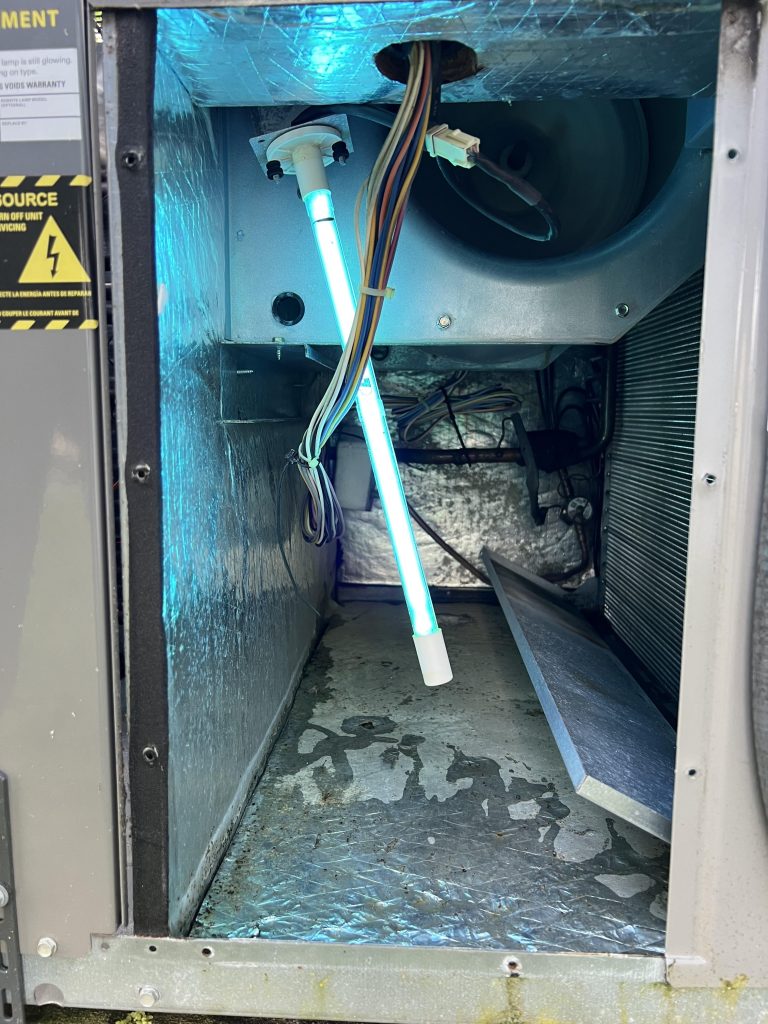
Credit: www.reddit.com
Common Causes Of Ac Freezing
Noticing your AC freeze up at night can be frustrating, especially when you rely on it to keep your home comfortable. Understanding the common causes helps you pinpoint the issue before it turns into a costly repair. Let’s look at what often leads to this chilling problem.
Low Refrigerant Levels
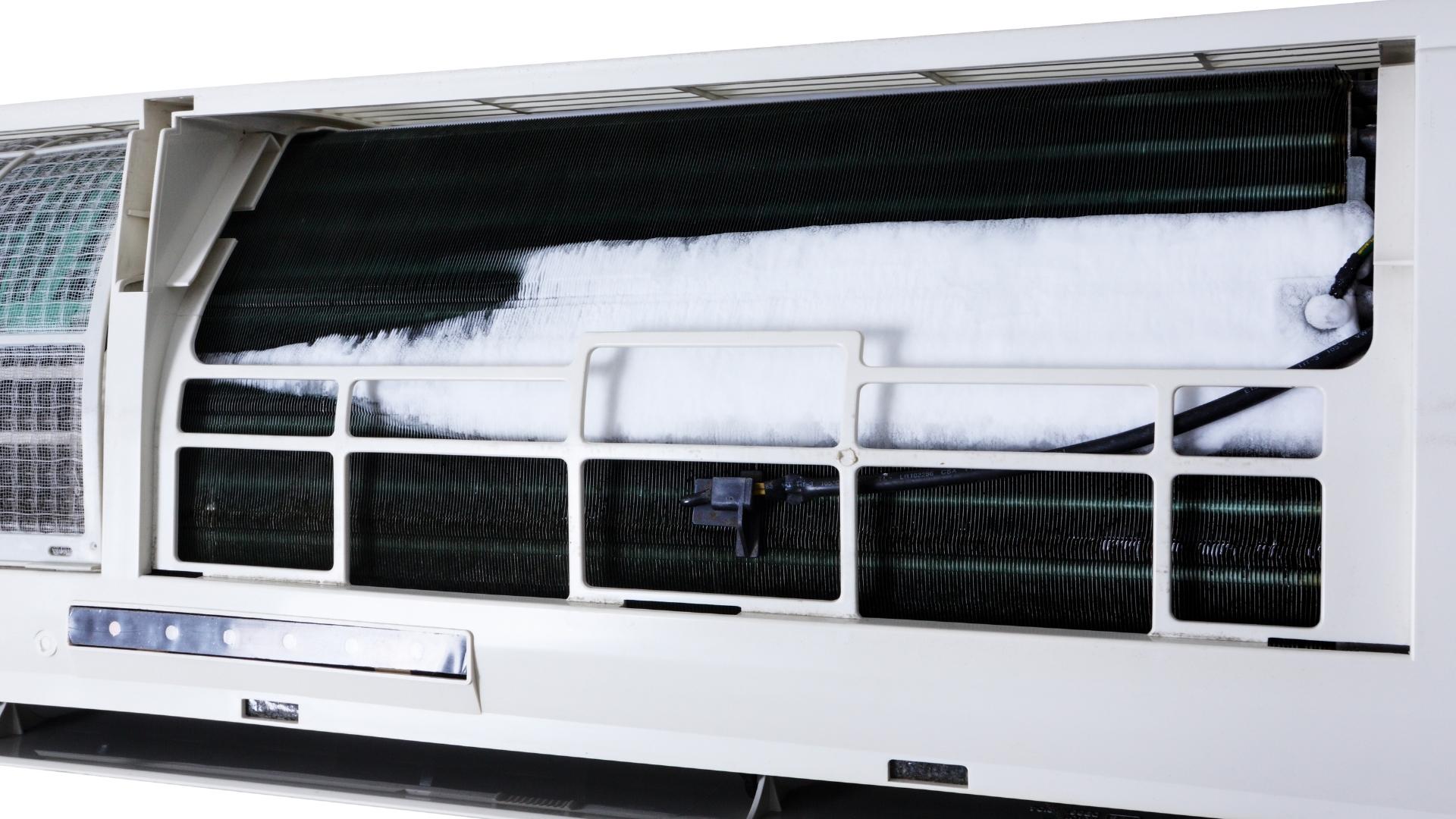
Refrigerant is the lifeblood of your AC system, carrying heat out of your home. When levels drop, the pressure inside the coils falls, causing them to get too cold and freeze moisture on contact. Have you checked your refrigerant lately? A leak might be silently draining it, leading to icy coils and poor cooling.
Dirty Air Filters
Air filters trap dust and dirt to keep your indoor air clean, but they can clog quickly. A dirty filter blocks airflow, forcing your AC to work harder and causing the evaporator coil to freeze. Changing your filter regularly is a simple fix that can prevent freezing and save energy.
Blocked Airflow
Besides dirty filters, other airflow blockages can cause freezing. Closed vents, obstructed ducts, or furniture placed too close to air returns reduce the air moving over the coils. When air doesn’t flow properly, the coil temperature drops, and ice starts to form. Are you unintentionally blocking your vents at night?
Thermostat Issues
Your thermostat controls how often your AC runs, but a malfunctioning one can cause problems. If it doesn’t cycle the system correctly, the AC might run too long, leading to freezing. Consider testing your thermostat or upgrading to a more reliable model to keep your system balanced.
Faulty Blower Motor
The blower motor pushes air across the evaporator coil. If it’s weak or failing, airflow slows down, causing the coil to get too cold and freeze. Listening for unusual noises or feeling uneven air distribution can be clues. Fixing or replacing the blower motor might be what your AC needs to thaw out.
Credit: www.thervgeeks.com
How Nighttime Conditions Affect Your Ac
Nighttime brings unique conditions that can affect your air conditioner’s performance. These changes may cause your AC to freeze up more often during the night. Understanding how cooler temperatures, longer run times, and moisture levels impact your system can help you prevent freezing issues.
Lower Outdoor Temperatures
At night, the temperature outside usually drops significantly. When it gets too cold, the pressure inside the AC system can fall below normal. This drop causes the refrigerant to become too cold, which leads to ice forming on the coils. The colder the night, the higher the chance your AC will freeze.
Extended Run Times
Many people run their AC longer at night to stay comfortable while sleeping. Extended operation can cause the evaporator coil to get too cold. Without enough breaks, the coil cannot warm up to melt any ice buildup. This continuous running increases the risk of freezing, especially if airflow is weak.
Humidity And Moisture Factors
Nighttime air often holds more moisture due to dew and higher humidity levels. When this moist air passes over the cold evaporator coil, it can freeze quickly. High humidity means more water vapor, which turns into ice on the coil. This buildup blocks airflow and worsens the freezing problem.
Simple Fixes To Prevent Freezing
Frozen air conditioners at night cause discomfort and higher energy bills. Simple fixes can stop this problem early. These easy steps keep air flowing and parts working well. Follow these tips to help your AC run smoothly all night long.
Replace Or Clean Air Filters
Dirty air filters block airflow. This makes the AC freeze up. Replace filters every 1-3 months. Clean reusable filters with water and let dry. Clear filters improve air circulation and prevent ice buildup.
Check And Adjust Thermostat Settings
Thermostat settings affect AC performance. Setting temperature too low causes freezing. Keep thermostat at a moderate level. Use a programmable thermostat for better control. Proper settings reduce strain on your AC system.
Inspect And Clear Air Vents
Blocked vents limit airflow and cause freezing. Check vents for dust, dirt, or furniture blocking them. Clean vents regularly with a vacuum or brush. Open vents fully to allow air to flow freely.
Ensure Proper Refrigerant Levels
Low refrigerant causes AC coils to freeze. Have a professional check refrigerant levels yearly. Fix leaks and recharge refrigerant as needed. Correct levels keep the system running without freezing issues.

Credit: www.reddit.com
When To Call A Professional
Knowing when to call a professional for your AC freezing issue can save you time, money, and frustration. Some problems are simple fixes, but others require expert knowledge and tools. If your AC freezes up repeatedly or shows signs of deeper problems, it’s best to get professional help before things get worse.
Persistent Freezing Issues
If your AC keeps freezing despite your attempts to thaw it or change filters, something more serious might be wrong. Persistent freezing can damage the compressor, leading to costly repairs. At this point, a professional technician can diagnose hidden issues like airflow problems or blocked coils that aren’t easy to spot.
Refrigerant Leaks
Low refrigerant levels often cause freezing, but handling refrigerant requires certification and special equipment. If you suspect a leak—signs include hissing sounds or oily residue around the unit—don’t try to refill it yourself. A trained technician can safely locate and repair leaks, then recharge the system correctly to prevent future freezing.
Electrical Or Mechanical Problems
Sometimes, the cause of freezing isn’t about temperature or airflow but electrical faults or broken parts. Issues like malfunctioning fans, faulty thermostats, or damaged wiring need professional diagnosis. Ignoring these problems can cause your AC to stop working entirely or even pose safety risks.
Maintenance Tips To Keep Ac Running Smoothly
Keeping your AC running smoothly through the night means less chance of it freezing up and more comfort for you. Simple maintenance habits can make a big difference in how efficiently your system works and how long it lasts. What small changes can you make today to avoid waking up to a frozen AC tomorrow?
Regular Filter Replacement
Your AC filter traps dust, dirt, and allergens before they clog the system. A dirty filter reduces airflow, causing your AC to work harder and freeze up. Check your filter every month during heavy use and replace it at least every 1-3 months to keep air flowing freely.
Think about the last time you changed your filter—did you notice dust buildup? Clean filters not only improve air quality but also prevent ice buildup on coils, which is a common cause of freezing.
Scheduled Professional Inspections
Even if you keep up with basic upkeep, your AC needs a professional eye periodically. Technicians can spot problems like low refrigerant levels or worn-out parts before they cause freezing. Schedule inspections twice a year, ideally before summer and winter seasons, to catch issues early.
Have you ever had your AC inspected professionally? Skipping this step is like driving a car without regular oil changes—it might run now, but risks bigger breakdowns later.
Keeping Outdoor Unit Clean
The outdoor unit collects dirt, leaves, and debris that block airflow and reduce efficiency. Without proper airflow, your AC struggles to cool properly, leading to frozen coils. Clear away debris and hose down the unit gently every few weeks during peak use.
Try to keep at least two feet of clearance around the unit to let air flow freely. When was the last time you checked your outdoor unit? A quick cleaning might be the easiest fix to stop nighttime freezes.
Frequently Asked Questions
Why Does My Ac Freeze Only At Night?
ACs freeze at night due to lower temperatures and reduced airflow. Cooler outdoor air and longer run times cause coil freezing. Poor maintenance or dirty filters also restrict airflow, leading to ice buildup during nighttime.
Can Low Refrigerant Cause Ac Freezing At Night?
Yes, low refrigerant reduces pressure in the AC system. This causes the evaporator coil to become too cold, leading to ice formation. Nighttime operation can worsen this effect due to cooler ambient temperatures.
How Does Airflow Impact Ac Freezing At Night?
Restricted airflow prevents warm air from reaching the evaporator coil. This causes the coil to get too cold and freeze. At night, lower air circulation and dirty filters increase the risk of freezing.
Does Thermostat Setting Affect Ac Freezing At Night?
Setting the thermostat too low can cause the AC to run continuously. This can lead to coil freezing, especially at night when outdoor temperatures drop. Proper thermostat settings help prevent freezing issues.
Conclusion
AC freezing at night is a common problem with simple causes. Dirty filters, low refrigerant, or poor airflow often play a role. Fixing these issues keeps your AC running smoothly and cools your home well. Regular maintenance helps prevent freeze-ups and saves energy.
Pay attention to your unit’s condition to avoid discomfort. A little care goes a long way in staying cool and comfortable at night. Don’t let a frozen AC ruin your sleep or day. Take action early and enjoy steady, cool air every night.