
Have you ever watched pigeons huddle together on a chilly winter’s day and wondered how they survive the cold? It’s a fascinating question that might have crossed your mind as you bundled up in your warm coat.
The idea of these seemingly delicate birds braving freezing temperatures is intriguing, isn’t it? You might even feel a sense of curiosity mixed with concern about their well-being. Can pigeons actually freeze to death? Understanding how these resilient creatures cope with the harsh winter environment could change the way you see them.
Join us as we uncover the surprising truths about pigeons and their battle against the cold. You’ll discover not only how these birds manage to survive but also what you can do to help protect them during the winter months. Keep reading to unlock the secrets of pigeon survival and become more connected with these urban dwellers.
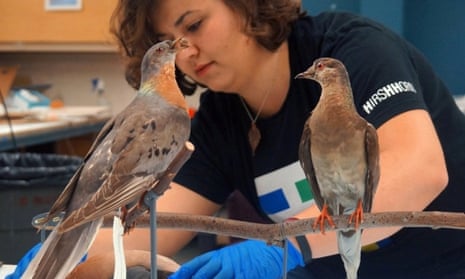
Credit: www.theguardian.com
Pigeon Biology And Cold Resistance
Pigeons have evolved unique biological traits that help them survive cold weather. Their ability to resist freezing temperatures depends on their body design and natural adaptations. Understanding pigeon biology reveals how they manage cold stress and stay warm in harsh conditions.
Body Temperature Regulation
Pigeons maintain a high body temperature around 40°C (104°F). This helps keep their organs working well in cold weather. They have a fast metabolism that produces heat constantly. Blood circulation adjusts to keep vital areas warm. Their legs and feet can tolerate lower temperatures without frostbite. This balance prevents body heat loss and supports survival.
Feather Insulation
Pigeon feathers provide excellent insulation against cold air. They have a dense layer of down feathers close to the skin. These trap warm air and reduce heat loss. Outer feathers shield them from wind and moisture. Pigeons can fluff their feathers to create air pockets. This extra layer of air acts like a thermal blanket during cold spells.
Adaptations To Cold
- Pigeons reduce activity to conserve energy in winter.
- They roost close together to share body heat.
- Fat reserves increase to provide extra energy.
- Behavioral changes include seeking shelter from wind.
- Feet have special scales to limit heat loss.
These adaptations work together to help pigeons survive freezing temperatures. While they are not immune to extreme cold, pigeons are well-equipped to handle winter challenges.

Credit: www.reddit.com
How Cold Affects Pigeons
Pigeons are hardy birds that can survive cold weather. Their feathers provide good insulation. Still, extreme cold can affect their health and survival. Understanding how cold affects pigeons helps in protecting them during winter.
Impact Of Freezing Temperatures
Freezing temperatures cause pigeons to lose body heat rapidly. Their small size and high surface area increase heat loss. Prolonged exposure to cold can damage their skin and feet. Ice and frostbite may develop on exposed parts. Severe cold may lead to death if pigeons cannot find shelter.
Behavioral Changes In Winter
Pigeons change their behavior to cope with cold. They fluff their feathers to trap warm air. Birds huddle together to share body heat. Pigeons reduce activity to save energy. They seek sheltered areas like building ledges or trees. Food search increases as they need more calories.
Signs Of Hypothermia
- Shivering or trembling feathers
- Sluggish or weak movements
- Drooping wings and puffed-up appearance
- Slow breathing or gasping
- Unresponsiveness to surroundings
Recognizing these signs helps in timely aid. Providing warm shelter can save a cold-stricken pigeon.
Cases Of Pigeons Freezing To Death
Pigeons are tough birds, but extreme cold can be dangerous. There are rare cases where pigeons have frozen to death. These events help us understand how cold affects these birds. Studying them shows the limits of pigeon survival in harsh weather.
Documented Incidents
Some reports describe pigeons found lifeless during severe cold spells. Bird watchers and researchers noted these events mostly in winter months. In cities with heavy snowfall and freezing temperatures, pigeons struggled to survive. Cases often appeared after sudden temperature drops or icy storms.
One incident recorded multiple pigeon deaths in an urban park after a night below freezing. Another study observed pigeons caught outside during freezing rain, leading to fatal hypothermia. These incidents show how vulnerable pigeons can be without protection.
Environmental Factors
Cold air, wind chill, and ice increase the risk of freezing. Wet feathers lose insulation power, making birds colder. Lack of sunlight reduces warmth and energy from food. Sudden weather changes leave little time to adapt. Urban heat islands can help, but not always enough in severe cold.
Pigeons near open water or in sheltered areas fare better. Dry, calm conditions improve survival chances. Snow cover can protect some ground-nesting birds but not pigeons that roost in exposed places.
Role Of Shelter And Food
Shelter is crucial for pigeons during cold weather. Roofs, ledges, and dense trees provide warmth and protection. Pigeons often huddle together to share body heat. Lack of shelter exposes birds to wind and freezing rain.
Food availability affects their ability to stay warm. High-energy seeds and grains help maintain body heat. Scarce food weakens pigeons, making them prone to cold stress. Human feeding can support pigeons, but natural food sources matter most.
Credit: www.pigeons.biz
Preventing Cold-related Deaths In Pigeons
Cold weather poses a serious risk to pigeons, as freezing temperatures can lead to fatal conditions. Preventing cold-related deaths requires thoughtful care and attention to their environment and nutrition. You can make a real difference by ensuring pigeons have what they need to survive harsh winters.
Providing Adequate Shelter
Pigeons need protection from wind, rain, and snow to stay warm. A simple shelter with dry, insulated walls can keep them safe. You might use a wooden box or a small coop with straw bedding to offer warmth.
Make sure the shelter is elevated off the ground to avoid dampness. Ventilation is important too, but avoid drafts that chill the birds. Have you checked your local pigeons’ shelters recently? Sometimes a small fix can save many lives.
Feeding Strategies In Winter
Cold weather increases pigeons’ energy needs, so feeding them high-energy food is crucial. Grains mixed with seeds provide good nutrition and help generate body heat. Adding crushed corn or millet can boost their calorie intake effectively.
Offer food multiple times a day since pigeons burn calories quickly in the cold. Also, fresh water is essential, but it should not freeze. You can warm the water slightly or check often to prevent dehydration, which pigeons might suffer from without you realizing.
Community Efforts And Wildlife Care
Helping pigeons survive winter is easier when neighbors and local groups work together. Coordinated feeding stations and shared shelter projects can improve survival rates dramatically. Have you considered joining or starting a local pigeon care group?
Community involvement spreads awareness and resources. It also offers a chance to monitor pigeon health and report any sick or injured birds. Your small actions can inspire others and create a safer winter environment for these resilient birds.
Myths Vs Facts About Pigeons And Cold
Pigeons are often seen braving chilly weather, but stories about them freezing to death circulate widely. Separating myths from facts helps you understand how these resilient birds actually survive cold conditions. Let’s dive into what’s true and what’s just a misconception about pigeons and the cold.
Common Misconceptions
Many people believe pigeons are fragile in winter and can easily freeze to death. Some even think their feathers don’t protect them well enough against frostbite or hypothermia. Others assume that because pigeons are often seen puffed up, they are struggling to stay warm and at risk of dying.
Have you ever noticed pigeons standing still for long periods in freezing weather? This behavior often leads to the assumption that they are weak or suffering. However, it’s usually a way for them to conserve energy and minimize exposure to cold winds.
Scientific Evidence
Research shows pigeons have several adaptations that help them endure cold temperatures. Their feathers provide excellent insulation by trapping air close to the body, which keeps heat in. Additionally, pigeons can fluff up their feathers to increase this insulating layer.
Pigeons also reduce blood flow to their extremities to prevent heat loss, much like other birds. Studies indicate they can survive temperatures well below freezing as long as they have some shelter and food. This challenges the idea that cold alone is enough to cause their death.
What You Should Know
Pigeons won’t freeze to death simply because it’s cold outside. Instead, their survival depends more on access to food, water, and shelter. Lack of these essentials is a bigger threat than the cold itself.
If you want to help pigeons during winter, consider providing safe shelter or food in your area. This simple action can make a significant difference in their ability to withstand harsh conditions.
Next time you see a pigeon in the cold, remember: their tough nature and smart adaptations keep them going even when temperatures drop. What small steps can you take to support urban wildlife around you?
Frequently Asked Questions
Can Pigeons Survive Freezing Temperatures Outdoors?
Pigeons can endure cold weather by fluffing their feathers for insulation. However, extreme cold and wet conditions can threaten their survival. They seek shelter to avoid freezing, but prolonged exposure to freezing temperatures may cause hypothermia or death.
Do Pigeons Hibernate Or Migrate In Winter?
Pigeons do not hibernate or migrate seasonally. They are well-adapted to urban environments and survive winter by finding food and shelter. Their feathers provide good insulation, allowing them to stay active throughout cold months without migrating.
How Do Pigeons Keep Warm In Winter?
Pigeons keep warm by fluffing feathers to trap heat and roosting in sheltered places. They also reduce activity to conserve energy and huddle together. These behaviors help maintain body temperature during cold weather.
What Happens If A Pigeon Gets Wet In Freezing Weather?
If a pigeon gets wet in freezing weather, it risks hypothermia. Wet feathers lose insulation, causing rapid heat loss. Pigeons try to dry their feathers quickly by preening and seeking shelter to avoid freezing to death.
Conclusion
Pigeons are strong birds that handle cold well. They fluff their feathers to stay warm. Their bodies keep heat even in harsh weather. Freezing to death is very rare for pigeons. Still, extreme cold and wet conditions can be dangerous.
Watching how pigeons survive helps us understand nature better. They remind us that animals adapt to their world. Nature finds ways to protect life, even in cold times.