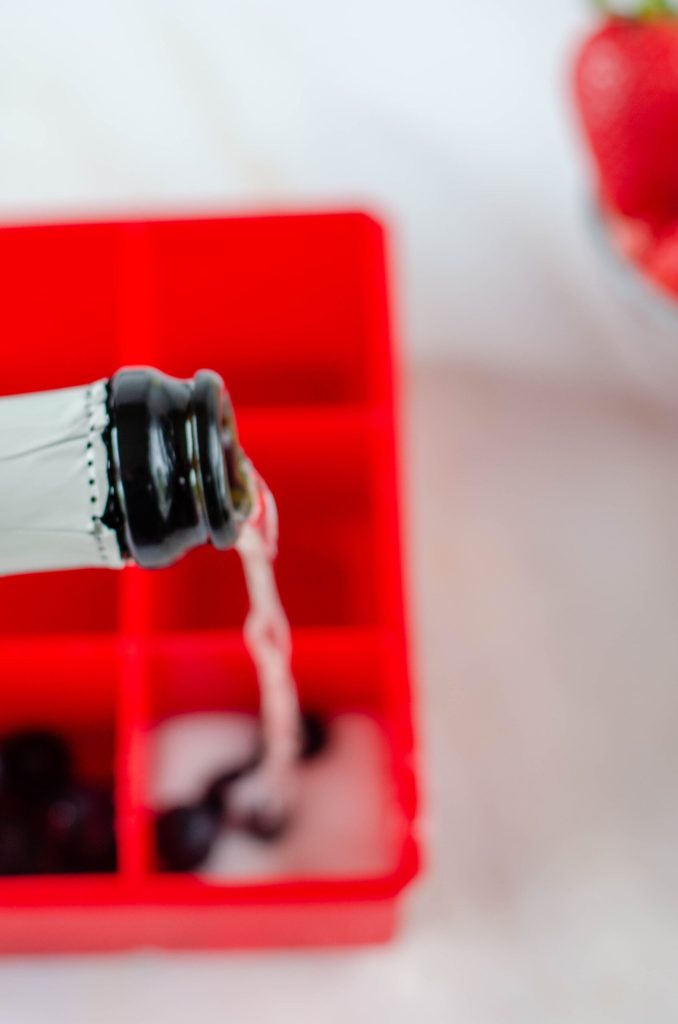
Have you ever wondered what happens when you pop a bottle of Prosecco in the freezer? Maybe you’re in a rush to chill your bubbly for a celebration or just curious about trying something new.
The question, “Does Prosecco freeze? ” Might have crossed your mind. Understanding this can save your drink from disaster and ensure that your next toast is as delightful as you imagined. Dive into the fascinating world of Prosecco and discover what really happens when you turn down the temperature.
Get ready to uncover tips that will keep your sparkling wine perfect every time. Stick around, and you’ll be the expert at your next gathering, impressing friends with your newfound knowledge.

Credit: www.momtrends.com
Prosecco Basics
Understanding the basics of Prosecco helps explain its behavior when chilled or frozen. Prosecco is a sparkling wine with distinct features. These features affect how it reacts to cold temperatures.
Knowing what makes Prosecco unique and how its alcohol content works gives insight into whether it freezes easily or not.
What Makes Prosecco Unique
Prosecco comes from Italy, mainly the Veneto region. It is made from the Glera grape. This grape gives Prosecco its fresh and fruity taste.
Prosecco is different from Champagne. It uses a different fermentation process called the Charmat method. This method creates lighter bubbles. The flavor is often sweeter and less complex.
The lightness and sweetness make Prosecco popular at celebrations and casual gatherings. Its gentle fizz and bright taste stand out.
Alcohol Content And Its Role
Prosecco usually has an alcohol content of about 11%. Alcohol lowers the freezing point of liquids. This means Prosecco freezes at a temperature lower than water.
Water freezes at 32°F (0°C). Prosecco freezes around 22°F (-6°C) because of its alcohol. Freezing Prosecco in a regular home freezer is possible but takes longer than freezing water.
The sugar level in Prosecco also affects freezing. Sweet Prosecco freezes at a slightly lower temperature than dry ones.
Freezing Points Of Wine
Understanding the freezing points of wine helps explain whether Prosecco can freeze. Wine has a lower freezing point than water due to its alcohol content. This means it needs colder temperatures to turn solid. Knowing these details helps avoid ruining your bottle by freezing it accidentally.
How Alcohol Affects Freezing
Alcohol lowers the freezing point of liquids. The more alcohol in a drink, the colder it must get to freeze. Wine usually has alcohol levels between 9% and 15%. This level is enough to stop wine from freezing at regular freezer temperatures.
Pure water freezes at 32°F (0°C). Wine, with alcohol, freezes at lower temperatures. The exact freezing point depends on how much alcohol is inside the wine. The higher the alcohol, the lower the freezing point.
Typical Freezing Temperatures For Wine
| Type of Wine | Alcohol Content | Freezing Point |
|---|---|---|
| Light White Wine | 9-11% | Approximately 24°F (-4°C) |
| Red Wine | 12-15% | Approximately 22°F (-6°C) |
| Prosecco | 11-12% | Approximately 23°F (-5°C) |
Freezers usually keep temperatures around 0°F (-18°C). This is cold enough to freeze most wines, including Prosecco. But home freezer cycles might vary, so wine may only partially freeze. This can affect the taste and texture of the wine.
Can Prosecco Actually Freeze?
Prosecco is a sparkling wine known for its light and bubbly nature. Many wonder if this refreshing drink can freeze. Understanding its freezing point helps to store it properly and avoid spoilage. Let’s explore whether Prosecco actually freezes.
Conditions That Cause Freezing
Prosecco contains alcohol and sugar, which lower its freezing point. Normal water freezes at 32°F (0°C), but Prosecco freezes at a much lower temperature. The exact freezing point depends on the alcohol level, usually around 15°F (-9°C).
Freezing can happen if Prosecco is placed in a very cold freezer. Most home freezers run at about 0°F (-18°C), cold enough to freeze Prosecco if left too long. The bottle’s material also matters. Glass can crack if the liquid inside expands while freezing.
What Happens When Prosecco Freezes
When Prosecco freezes, the bubbles disappear as carbon dioxide escapes. The texture changes from bubbly to flat and icy. The taste also shifts and can become dull or off.
Freezing can cause the bottle to crack or explode due to pressure build-up. This risk is higher in tightly sealed bottles. Thawed Prosecco loses its sparkle and fresh flavor, making it less enjoyable.

Credit: www.momtrends.com
Effects Of Freezing On Prosecco Quality
Freezing Prosecco affects its quality in several ways. The cold temperature changes the wine’s natural balance. These changes can affect how the drink tastes and feels.
Impact On Flavor And Aroma
Freezing can dull Prosecco’s fresh, fruity flavors. The cold slows down the release of aroma compounds. After thawing, the wine may lose its lively scent. Some subtle notes may disappear completely.
Changes In Carbonation And Texture
Prosecco’s bubbles are sensitive to freezing. Ice crystals can burst the delicate carbonation. This loss creates a flat and less enjoyable texture. The mouthfeel becomes watery and less smooth. The wine can feel thin instead of crisp.
Safe Storage Tips
Storing Prosecco correctly can save you from a disappointing mess and a wasted bottle. Knowing the right temperature and how to avoid freezing can keep your bubbly fresh and ready to enjoy. Let’s dive into some practical tips that ensure your Prosecco stays in perfect condition.
Ideal Temperatures For Prosecco
Prosecco tastes best when chilled, but not too cold. The ideal temperature to store Prosecco is between 45°F and 50°F (7°C to 10°C). This keeps the bubbles lively and the flavors crisp.
Storing it colder than 40°F risks dulling the taste and texture. If your fridge feels too chilly, try placing the bottle in a wine cooler or a dedicated beverage fridge. These options provide more precise temperature control, making your Prosecco enjoyable every time.
Avoiding Accidental Freezing
Freezing Prosecco can cause the liquid to expand and push the cork out—or worse, burst the bottle. This not only wastes your bottle but creates a sticky cleanup.
Keep your Prosecco away from the freezer and avoid leaving it in there overnight. If you want to chill it quickly, wrap the bottle in a damp cloth and place it in the freezer for no more than 20 minutes.
- Don’t forget to set a timer as a reminder.
- Store upright to reduce pressure on the cork.
- Consider a wine fridge with a frost-free setting.
Have you ever lost a bottle because it froze unexpectedly? Taking these simple precautions helps you protect your Prosecco and enjoy every sip just as it was meant to be.
Quick Chill Methods Without Freezing
Chilling Prosecco quickly without freezing keeps its bubbles fresh and lively. Rapid cooling methods ensure you enjoy the perfect sip without waiting too long. These techniques avoid the risk of a frozen bottle, which can break or lose flavor.
Best Practices For Rapid Cooling
- Wrap the bottle in a damp cloth or paper towel for faster cooling.
- Use cold water mixed with ice in a bucket to chill the bottle evenly.
- Rotate the bottle gently every few minutes to cool all sides.
- Keep the bottle upright to preserve carbonation during chilling.
- Chill Prosecco for about 20-30 minutes using these quick methods.
Tools To Use For Chilling Prosecco
- Ice bucket with water and ice cubes for balanced cooling.
- Reusable wine chillers that fit inside the bottle neck.
- Cold gel packs wrapped around the bottle for gradual cooling.
- Wine coolers or small refrigerators set to the right temperature.
- Metal ice buckets that conduct cold efficiently.

Credit: www.momtrends.com
Frequently Asked Questions
Does Prosecco Freeze In A Regular Freezer?
Prosecco can freeze in a regular freezer due to its low alcohol content. The freezing point is around 23°F (-5°C). Leaving it too long risks bottle breakage and flavor loss. Quick chilling for 30-60 minutes is safer than prolonged freezing.
How Long Does Prosecco Take To Freeze?
Prosecco typically takes several hours to freeze fully in a standard freezer. Exact time varies by freezer temperature and bottle size. Avoid freezing to preserve bubbles and taste. Rapid chilling methods are better for serving cold without freezing.
Can Freezing Prosecco Damage The Bottle?
Yes, freezing Prosecco can damage the bottle. The liquid expands when frozen, risking cracks or explosion. This can be dangerous and ruin the wine inside. Always chill Prosecco gently to avoid freezing and bottle damage.
What Happens To Prosecco After Freezing?
After freezing, Prosecco may lose carbonation and taste quality. The texture can become flat and dull once thawed. Freezing disrupts bubbles, affecting its signature sparkle. For best flavor, avoid freezing and chill it properly instead.
Conclusion
Prosecco can freeze if left too long in the freezer. Frozen Prosecco may lose its taste and bubbles. Never freeze it for hours; short chilling is best. Keep it cold, but not ice-cold. Enjoy your Prosecco fresh for the best flavor.
Now you know how to handle it safely. Cheers to your sparkling moments!