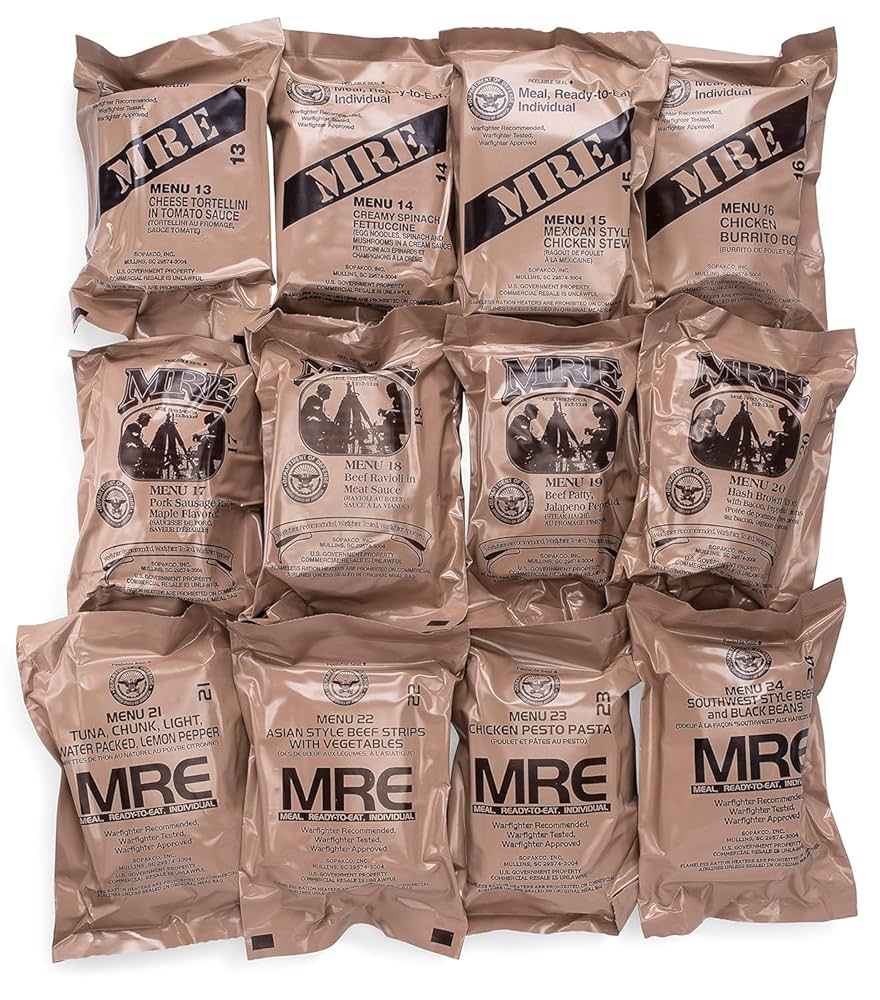
Have you ever wondered about the secret behind those compact, ready-to-eat meals known as MREs (Meals Ready-to-Eat)? If you’re curious about whether MREs are freeze-dried or not, you’re not alone.
This question sparks curiosity among outdoor enthusiasts, survivalists, and anyone interested in emergency preparedness. Understanding how these meals are preserved can make a difference in your choice for convenience and nutrition. We’ll dive into the truth about MREs and their preservation methods, revealing what makes them a reliable option for your next adventure or emergency situation.
Stick around, because the answer might just surprise you and change the way you think about your food supplies.
What Are Mres
Meals Ready to Eat, or MREs, are self-contained food packages. They provide complete meals designed for military use. These meals are made to be portable and last a long time without refrigeration. MREs are also popular for camping, emergencies, and outdoor activities. Their convenience and durability make them a reliable food source in many situations.
Components Of Mres
Each MRE contains several parts to create a full meal. A main entrée is included, often with meat, vegetables, or pasta. Side dishes come with fruits, snacks, or desserts. There is usually a bread or cracker packet. A spread such as peanut butter or cheese paste may be added. Drink powders like coffee, tea, or fruit drink mix are common. Utensils, napkins, and seasonings are part of the pack. Some MREs include a flameless ration heater to warm the food without fire.
Typical Packaging
MREs come in durable, airtight packages. The outer layer is a strong plastic film that protects food from moisture and air. Inside, each component is sealed separately to maintain freshness. The packaging is lightweight and compact for easy carrying. It is designed to resist punctures and tears. MREs also have a long shelf life, often lasting several years. This packaging ensures that the meal stays safe and edible in harsh conditions.

Credit: www.fcsurplus.ca
Freeze Drying Basics
Understanding the basics of freeze drying helps you see why MREs often use this method. Freeze drying removes moisture from food without cooking it, which keeps the taste and nutrients intact. This process is key to making MREs lightweight and long-lasting, perfect for outdoor adventures or emergency kits.
Process Overview
Freeze drying starts by freezing the food solid. Next, the frozen food is placed in a vacuum chamber where the ice turns directly into vapor, skipping the liquid phase. This step, called sublimation, removes moisture without heating the food.
The process ends by gently warming the food to remove any remaining water molecules. This careful drying keeps the food’s shape, color, and flavor much closer to fresh compared to other drying methods. Have you noticed how freeze-dried fruits still taste vibrant and fresh? That’s the magic of this process.
Benefits Of Freeze Drying
- Long shelf life:Freeze-dried foods can last for years without refrigeration, making them ideal for MREs.
- Lightweight and portable:Removing water cuts down the weight drastically, so your backpack feels lighter.
- Retains nutrition:Most vitamins and minerals stay locked in, unlike other drying methods that can degrade nutrients.
- Preserves flavor and texture:The food keeps much of its original taste and appearance, which is rare for preserved foods.
Think about your last camping trip—would you prefer a heavy, soggy meal or a light, tasty freeze-dried option that rehydrates quickly? Freeze drying answers that question clearly.
Are Mres Freeze Dried
MREs, or Meals Ready to Eat, are popular for military and emergency use. Many wonder if MREs are freeze dried. The answer is no; MREs usually use other preservation methods. Understanding these methods helps clarify how MREs stay fresh and safe to eat.
Common Preservation Methods
MREs often rely on these preservation methods:
- Retort packaging – food is cooked inside sealed pouches under high heat and pressure.
- Vacuum sealing – air is removed to slow down spoilage.
- Dehydration – some ingredients are dried but not freeze dried.
- Use of preservatives – chemicals help extend shelf life.
These methods keep the food safe without freezing or freeze drying.
Differences From Freeze Dried Foods
Freeze dried foods have water removed by freezing and then drying under low pressure. This process keeps food very light and lasts longer. MREs are heavier because they keep more moisture.
Freeze dried foods need rehydration before eating. MREs often come ready to eat or just need heating. Texture and taste can differ due to these processes.
Shelf Life And Storage
Understanding the shelf life and storage of MREs is important for anyone relying on them. These meals are designed to last long and provide nutrition in tough conditions. Proper storage keeps them safe and edible for years.
Temperature, humidity, and packaging affect how long MREs stay good. Knowing these factors helps in storing them correctly and avoiding waste.
How Mres Last
MREs typically last 3 to 5 years at room temperature. Cooler temperatures extend their life significantly. Heat speeds up food spoilage inside the package.
The sealed packaging protects food from air and moisture. This slows down bacteria growth and preserves flavor. Still, storing MREs in a cool, dry place is best.
Impact Of Freeze Drying On Longevity
Freeze drying removes moisture from the food. Less moisture means less chance for bacteria and mold. This process greatly increases shelf life.
Freeze-dried MREs can last 10 to 25 years if stored well. They are lighter and easier to carry than regular MREs. Freeze drying keeps nutrients and taste almost intact.
Storing freeze-dried MREs in airtight containers prevents moisture entry. Avoid heat and sunlight to keep quality high.
Nutritional Value Of Mres
MREs (Meals Ready-to-Eat) are designed to fuel you in demanding situations. Their nutritional value is a key reason they remain popular among military personnel and outdoor enthusiasts alike. Understanding what you get in an MRE can help you decide if they fit your needs for energy and nutrition during your adventures.
Calories And Nutrients
Each MRE typically provides between 1,200 and 1,300 calories. This high calorie count supports sustained energy for intense physical activities. The meals include a balance of macronutrients: carbohydrates, proteins, and fats, aiming to keep you fueled and satiated.
In addition to calories, MREs contain essential vitamins and minerals. You’ll find nutrients like vitamin C, iron, and calcium, which help maintain your body’s functions under stress. However, the sodium content can be quite high, so it’s important to monitor your intake if you have dietary restrictions.
Comparison With Freeze Dried Meals
Freeze dried meals often appeal due to their lighter weight and longer shelf life. While both MREs and freeze dried meals offer good nutrition, freeze dried meals usually have fewer calories per serving. This might require you to eat more portions if you need the same energy level.
Freeze dried meals tend to have less fat and sodium compared to MREs, making them a better option if you want to avoid those. However, MREs come with more ready-to-eat components, including snacks and accessories like flameless heaters, which freeze dried meals often lack.
Have you thought about how your activity level influences the type of meal you choose? If you’re on a long hike or in a survival situation, the extra calories in MREs might be worth the extra weight. On the other hand, for casual camping, freeze dried meals might be more convenient and healthier overall.

Credit: bushlife.ca
Taste And Texture
Taste and texture are key factors for enjoying MREs. These meals must stay edible and pleasant after long storage. Freeze drying impacts how flavors and textures develop. Understanding these changes helps set expectations for MRE users.
Mre Flavor Profile
MREs offer a variety of flavors. They often include savory, salty, and slightly spicy notes. Some meals have a mild sweetness or tanginess. The taste aims to be balanced and satisfying for hungry eaters.
Spices and seasoning blend to mask the preserved nature. Ingredients are chosen to keep flavors stable over time. This helps maintain taste during storage and transport.
Effect Of Freeze Drying On Taste
Freeze drying removes moisture without heating the food. This preserves much of the original flavor. The taste stays closer to fresh food than other drying methods.
Some subtle changes happen. Freeze drying can concentrate flavors, making them more intense. At times, this may feel different from freshly cooked meals.
Texture changes are noticeable. Foods become lighter and crispier. Rehydrated meals try to regain original softness but can feel slightly different.
Overall, freeze drying keeps MREs tasty and easy to store. It balances flavor retention with long shelf life needs.
When To Choose Freeze Dried Foods
Choosing freeze dried foods depends on the situation and needs. These foods offer unique benefits that suit various uses. Understanding when to pick freeze dried options helps you prepare better.
Survival Scenarios
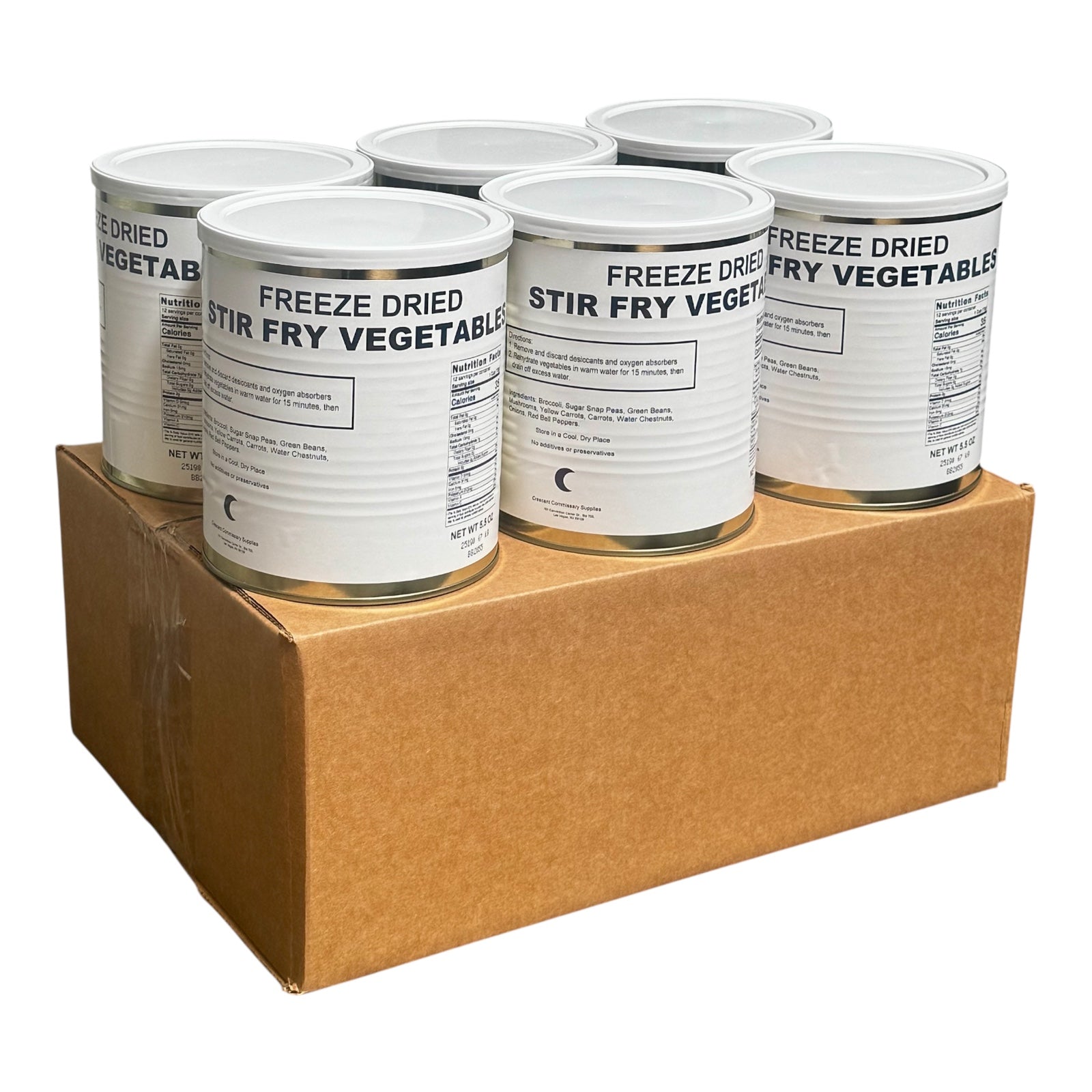
Freeze dried foods are ideal for survival situations. They keep well for years without spoiling. Lightweight and easy to carry, they provide energy quickly. These foods help maintain nutrition during emergencies. Perfect for camping, hiking, or disaster kits.
Storage And Portability
Freeze dried foods save space in storage. They take less room than canned or fresh foods. Long shelf life means less worry about expiration. Easy to pack for travel or outdoor trips. No refrigeration needed, so they stay fresh anywhere.
Credit: mredepot.com
Making The Most Of Your Mres
Getting the most out of your MREs (Meals Ready-to-Eat) means more than just opening a pouch and eating. You can enhance the flavor, texture, and overall experience with a few simple strategies. These tips help you enjoy your meals even during tough outdoor adventures or emergency situations.
Preparation Tips
Start by warming your MRE properly. Using the built-in flameless heater works great, but if you don’t have one, placing the pouch in hot water for 5 to 10 minutes also warms it evenly.
Always check the packaging for expiration dates and any damage before your trip. A torn pouch can lead to spoilage, which ruins your meal and could make you sick.
Consider adding small extras like hot sauce, salt, or pepper packets to boost flavor. These simple additions can turn a bland meal into something much more enjoyable.
Combining With Freeze Dried Foods
Freeze dried foods pair perfectly with MREs, especially if you want variety or more nutrients. For instance, mixing a freeze dried vegetable pouch with your MRE entree adds freshness and crunch.
They’re lightweight and easy to carry, making them a good choice for backpackers who want to keep meals interesting. Just add water to the freeze dried food, and it’s ready to mix or eat alongside your MRE.
Have you ever thought about how combining different preserved foods could improve your energy levels and morale on long trips? Experimenting with freeze dried fruits or soups can make a big difference.
Frequently Asked Questions
Are Mres Freeze Dried For Long Shelf Life?
MREs are not typically freeze dried. They use retort packaging to preserve food, which involves heat sealing. This method extends shelf life while keeping meals ready-to-eat without refrigeration.
How Does Freeze Drying Differ From Mre Packaging?
Freeze drying removes moisture by freezing food and applying a vacuum. MREs use heat and sealed pouches instead. Freeze drying preserves texture better but is costlier than MRE packaging.
Can Freeze Dried Foods Replace Mres In Emergencies?
Freeze dried foods are lightweight and nutrient-rich, making them great for emergencies. However, MREs offer more complete meals with built-in heating options, ideal for military or field use.
Why Aren’t Mres Commonly Freeze Dried?
Freeze drying is expensive and time-consuming. MREs prioritize durability and cost efficiency using retort packaging. This balance makes MREs practical for large-scale military supply chains.
Conclusion
MREs are not always freeze-dried but often use other drying methods. Freeze drying helps keep food light and lasts longer. This process removes moisture without cooking the food. Many MREs use freeze drying for fruits or side dishes. Main meals may use dehydrating or retort packaging instead.
Understanding these differences helps when choosing emergency food. Always check the label for the drying method used. Knowing this can improve your meal planning for outdoor trips or emergencies. Freeze-dried MREs offer convenience and a longer shelf life. Simple and easy to carry, they suit many situations well.