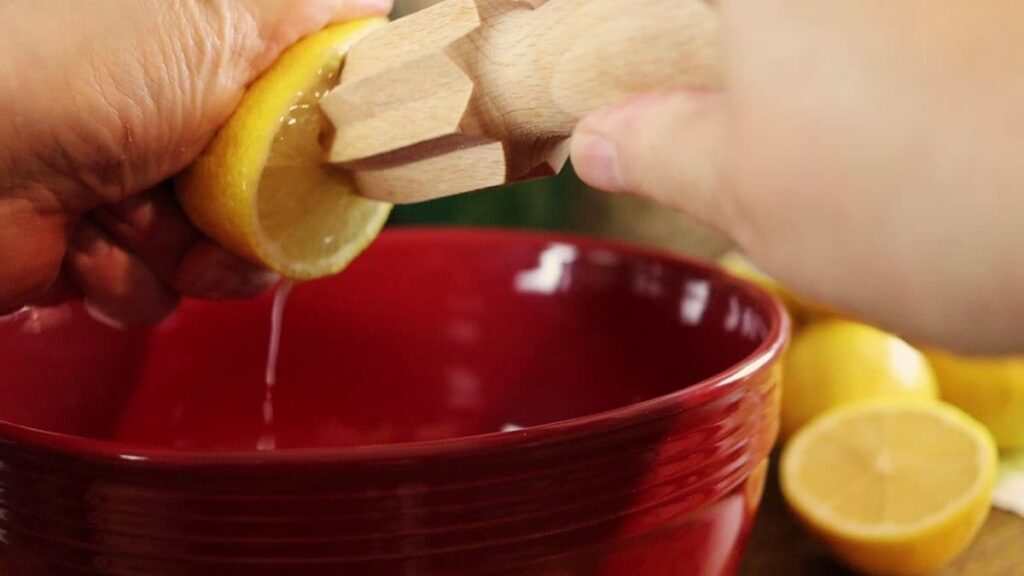
Have you ever wondered if you can freeze juice from a juicer? Imagine this: you’ve just made a big batch of your favorite fresh juice.
It’s vibrant, delicious, and packed with nutrients. But then, reality hits—you can’t drink it all at once. Instead of letting it go to waste, what if you could preserve that freshness for later? This is where freezing comes into play.
Freezing juice might seem like a straightforward solution, but there are important tips and tricks to ensure your juice remains as tasty and nutritious as the day you made it. By the end of this article, you’ll know exactly how to store your juice like a pro, so you can enjoy it anytime. Curious to learn the secrets to freezing juice successfully? Keep reading!
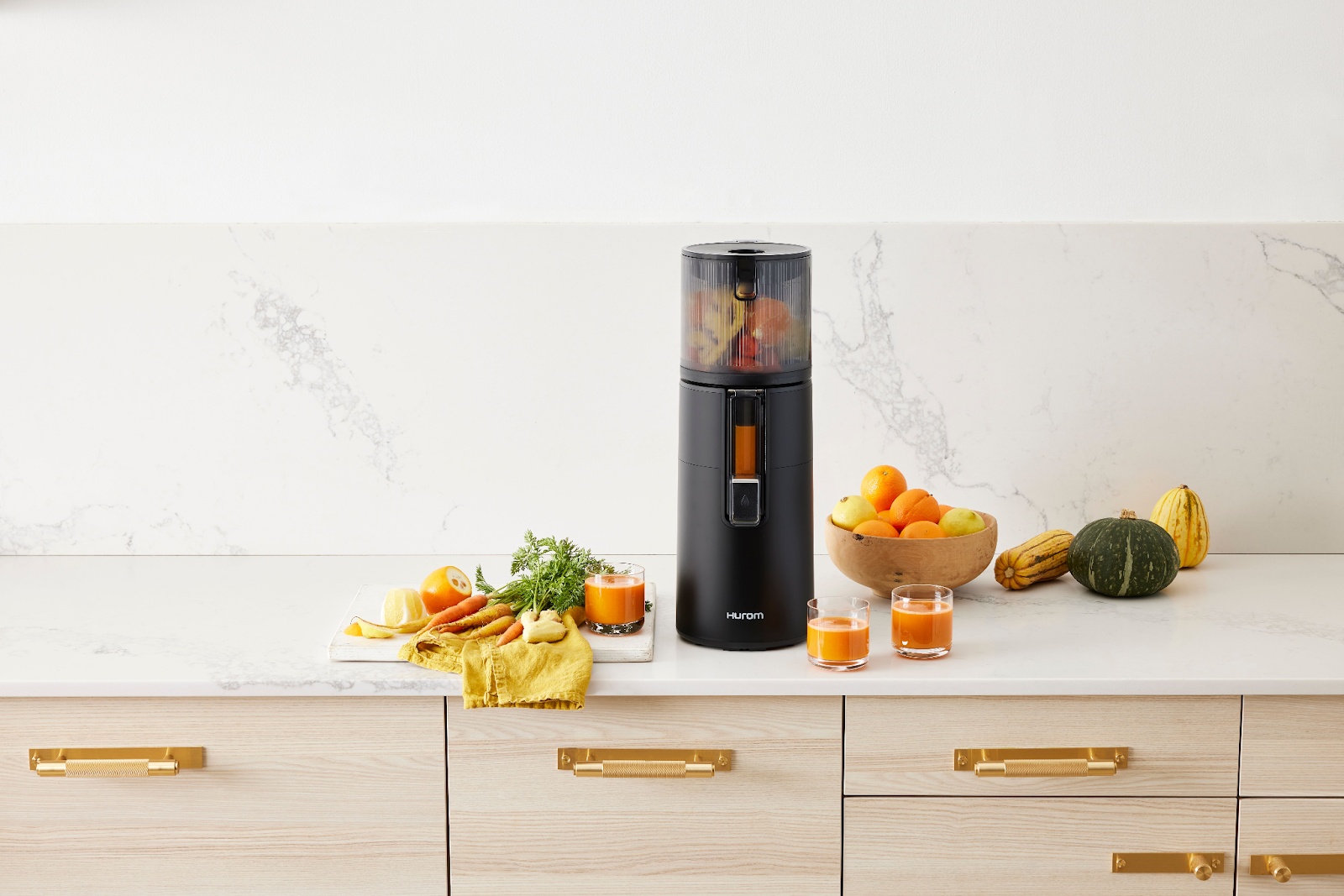
Credit: www.hurom.com
Freezing Juice Basics
Freezing juice from a juicer helps keep it fresh longer. It stops bacteria growth and slows down nutrient loss. You can enjoy your favorite juices even weeks after making them. Freezing is easy but knowing the basics ensures good taste and nutrition.
Types Of Juices Suitable For Freezing
- Citrus juices like orange, lemon, and lime freeze well.
- Vegetable juices, such as carrot and beet, keep flavor after freezing.
- Green juices with spinach or kale freeze fine but may separate.
- Fruit blends with apples, berries, or pineapple freeze successfully.
- Juices high in water content freeze better than thick or creamy ones.
Benefits Of Freezing Juice
- Preserves vitamins and minerals for a longer time.
- Prevents spoilage and waste of fresh juice.
- Allows making large batches ahead of time.
- Offers convenience for quick, healthy drinks anytime.
- Keeps flavor closer to fresh juice compared to refrigeration.
Potential Changes After Freezing
- Texture may become grainy or watery after thawing.
- Separation of juice components is common but harmless.
- Some loss of aroma and brightness in flavor can occur.
- Shaking or stirring juice helps restore consistency.
- Freezing may slightly reduce vitamin C content over time.
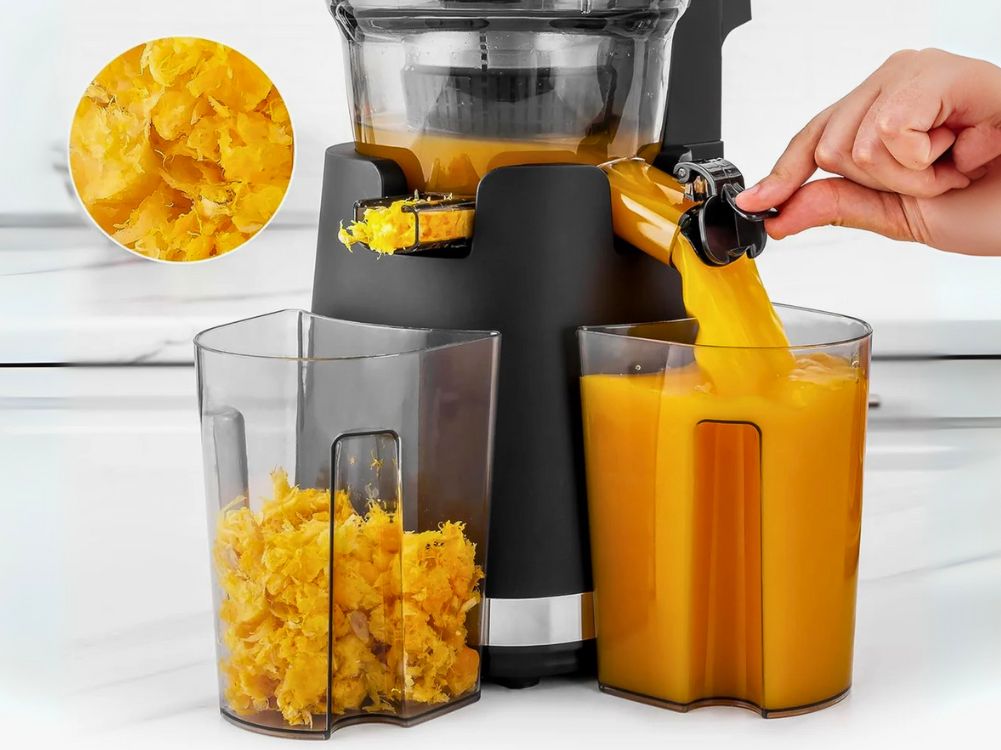
Credit: www.zulaykitchen.com
Preparing Juice For Freezing
Preparing your juice properly before freezing can make a big difference in taste and texture once thawed. Taking a few careful steps ensures you keep your juice fresh and enjoyable. Let’s look at how to get your juice ready for the freezer.
Straining And Removing Pulp
Do you prefer a smooth juice or don’t want it to separate after freezing? Removing excess pulp can help maintain a better texture. Use a fine mesh strainer or cheesecloth to strain your juice, catching most of the pulp before freezing.
Less pulp means less chance of the juice becoming grainy or thick when thawed. If you like some pulp, leave a little in, but be aware it might change consistency.
Choosing The Right Containers
Picking the right container is key to preserving flavor and preventing freezer burn. Glass jars with airtight lids work well, but make sure they’re freezer-safe to avoid cracking.
Plastic containers or BPA-free freezer bags are lightweight and space-efficient. Just leave some room at the top because juice expands as it freezes.
- Use containers with tight seals to keep out air.
- Avoid overfilling to prevent spills and container damage.
- Label your containers with the date for easy tracking.
Proper Portioning
How much juice do you usually drink at once? Freezing in small portions can save you from thawing more than needed. This also helps juice thaw faster and reduces waste.
Consider freezing juice in ice cube trays if you want small servings. Once frozen, transfer the cubes to a larger bag or container.
Portioning this way lets you mix cubes into smoothies or drinks without defrosting a whole batch. It’s practical and keeps your juice fresh longer.
Freezing Techniques
Freezing juice from your juicer can be a great way to preserve freshness and enjoy your favorite blends later. However, using the right freezing techniques is key to maintaining flavor, texture, and nutritional value. Let’s look at some important tips to help you freeze your juice effectively.
Sealing And Labeling
Proper sealing prevents air from spoiling your juice. Use airtight containers or freezer-safe bags to lock in freshness. Remove as much air as possible before sealing to reduce oxidation and freezer burn.
Labeling your juice containers is just as important. Write down the date and type of juice clearly. This helps you keep track of how long the juice has been frozen and avoid guessing its freshness later.
Optimal Freezing Temperature
Set your freezer to around 0°F (-18°C) for the best results. This temperature keeps your juice frozen solid but preserves its taste and nutrients. Avoid fluctuating temperatures that can cause ice crystals to form and damage the juice’s quality.
Have you noticed how your freezer’s temperature can vary? Using a freezer thermometer can help you monitor and maintain the right temperature consistently.
Avoiding Freezer Burn
Freezer burn happens when moisture escapes from the juice, creating dry spots and off-flavors. To avoid this, fill containers almost to the top, leaving just enough space for the juice to expand as it freezes.
Wrapping containers in an extra layer of plastic wrap or placing them inside a sealed bag adds protection. This extra step has saved many of my homemade juices from developing that unpleasant freezer taste.
Thawing Juice Safely
Thawing juice safely after freezing is key to keeping its fresh taste and nutritional benefits. If you rush the process or use improper methods, you risk losing flavor or inviting bacteria growth. Knowing how to thaw juice correctly helps you enjoy every drop without worrying about spoilage or waste.
Best Methods To Thaw Juice
Thaw juice slowly in the refrigerator for several hours or overnight. This gentle approach keeps the juice cool and preserves its natural flavors and nutrients.
If you’re in a hurry, place the sealed juice container in a bowl of cold water. Change the water every 30 minutes to speed up thawing without heating the juice too fast.
Avoid using a microwave to thaw juice, as it can unevenly heat the liquid and degrade its quality. Slow and steady thawing keeps your juice tasting closer to fresh.
Signs Of Spoiled Juice
After thawing, check your juice carefully before drinking. Look for any unusual smell—sour or fermented aromas are clear signs the juice has gone bad.
Also, inspect the texture. If the juice appears cloudy, has separated into layers that don’t mix back well, or contains mold, it’s best to discard it.
Have you ever noticed a strange taste in thawed juice? That off flavor is a red flag and usually means the juice is no longer safe to drink.
Using Thawed Juice
You can drink thawed juice as is or use it in smoothies and recipes. Mixing it with fresh ingredients often helps refresh the flavor.
If your juice lost some brightness after freezing, try adding a splash of lemon or ginger to revive the taste. This little trick worked for me when my frozen carrot juice felt flat.
Remember, once thawed, juice should be consumed within 24-48 hours to avoid spoilage. Keep it refrigerated and sealed tightly to maintain quality.
Tips To Maintain Flavor And Nutrients
Freezing juice from your juicer is a smart way to extend its shelf life, but maintaining its vibrant flavor and nutrients can be tricky. Simple techniques can help preserve the fresh taste and health benefits you expect. Let’s look at some practical tips you can apply right away.
Freezing Fresh Vs. Store-bought Juice
Fresh juice straight from your juicer contains live enzymes and delicate nutrients that start breaking down quickly. Store-bought juice often has preservatives and pasteurization, which make it more stable in the freezer.
When freezing fresh juice, use airtight containers to prevent freezer burn and flavor loss. Leaving a little space at the top allows for expansion without cracking the container. You’ll notice fresh juice can taste slightly different after freezing, so plan to consume it within 3 months for the best experience.
Adding Preservatives Or Citrus
Adding natural preservatives like lemon or lime juice can help keep your juice fresh longer. The acidity slows down oxidation and microbial growth, which means better flavor retention after thawing.
You don’t need much—just a tablespoon of citrus juice per cup of juice can make a big difference. Some people add a pinch of vitamin C powder, which acts as an antioxidant without changing the taste.
Avoiding Oxidation
Oxidation is the enemy of fresh juice, causing it to turn brown and lose nutrients quickly. To minimize this, fill containers to the brim to reduce air exposure before freezing.
Using vacuum-sealed bags or containers with tight lids can also help keep oxygen out. Have you noticed your juice tastes better when it’s frozen in small portions? Smaller batches thaw faster and reduce the time juice spends exposed to air.
Common Mistakes To Avoid
Freezing juice from your juicer can be a great way to save time and reduce waste. However, many people make mistakes that affect the juice’s taste and texture. Avoiding these common pitfalls will help you enjoy fresh-tasting juice even after freezing.
Freezing Too Much At Once
Freezing large quantities of juice at once can cause uneven freezing and longer thawing times. This often results in a watery texture and loss of flavor. Try freezing smaller portions so you can thaw only what you need, keeping the rest fresh and tasty.
Have you ever thawed a huge container of juice only to find half of it spoiled? Smaller batches reduce this risk and make your juice last longer.
Ignoring Container Choices
The container you use plays a big role in preserving your juice’s quality. Avoid containers that aren’t airtight or allow air to seep in, as oxygen can spoil the juice quickly.
Glass jars with tight lids or BPA-free freezer bags are excellent options. Also, leave some space at the top of your container because juice expands when frozen—this prevents cracks or spills.
Refreezing Thawed Juice
Refreezing juice once it has thawed damages its texture and taste. Each freeze-thaw cycle breaks down the juice’s structure, making it watery and dull.
If you’re unsure how much juice you’ll drink, freeze in small portions to avoid the temptation of refreezing leftovers. Have you noticed changes in flavor after refreezing your juice? It’s a sign to freeze smarter next time.

Credit: www.hurom.com
Frequently Asked Questions
Can You Freeze Juice Made From A Juicer?
Yes, you can freeze juice from a juicer. Use airtight containers or freezer bags to prevent freezer burn. Freeze juice in small portions for easy thawing. Consume within 3 months for best taste and nutrients.
Does Freezing Affect The Juice’s Nutritional Value?
Freezing juice slightly reduces some nutrients like vitamin C. However, most vitamins and minerals remain intact. To preserve nutrients, freeze juice immediately after juicing. Thaw juice slowly in the fridge to retain quality.
How Should You Store Juice Before Freezing?
Store juice in clean, airtight containers to avoid contamination. Leave some space for expansion during freezing. Use BPA-free plastic or glass containers with tight lids. Label containers with the date to track freshness.
Can Frozen Juice Maintain Its Fresh Flavor?
Frozen juice retains most of its fresh flavor if properly stored. Avoid refreezing thawed juice to prevent quality loss. Shake or stir juice after thawing to redistribute pulp and flavor.
Conclusion
Freezing juice from a juicer keeps it fresh longer. Use airtight containers to avoid freezer burn. Leave some space for juice to expand when frozen. Thaw juice slowly in the fridge for best taste. Fresh juice may separate after thawing; just stir it well.
Freezing helps save money and reduces waste. Enjoy your juice anytime without rushing to drink it fresh. Simple steps make freezing juice easy and effective. Try freezing your juice to enjoy it later.