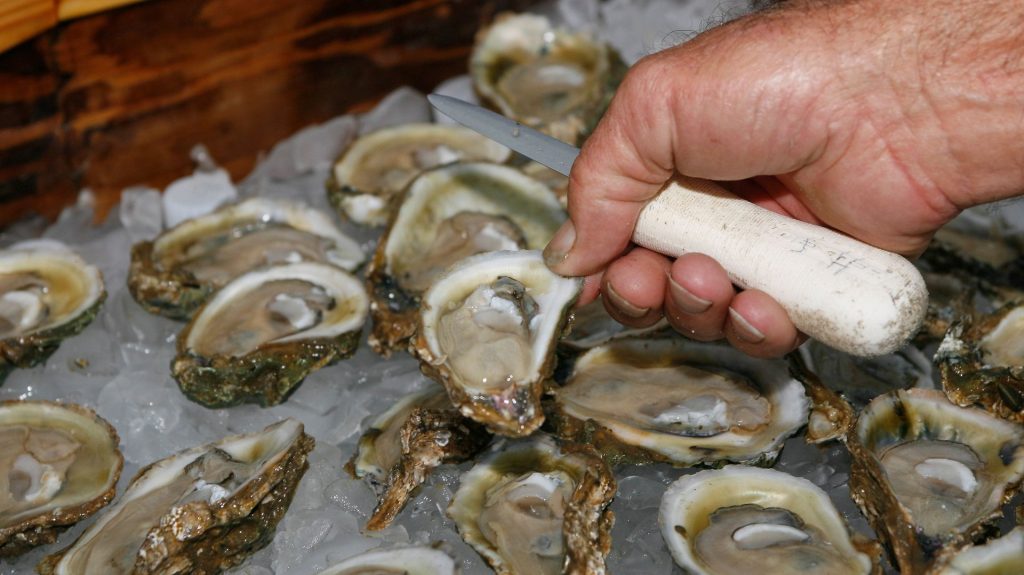
Have you ever found yourself wondering if you can freeze oysters without losing their fresh, ocean-kissed flavor? You’re not alone.
Many seafood lovers face this conundrum, especially when they buy oysters in bulk or have leftovers from a special occasion. Freezing oysters can seem like a risky endeavor, but understanding the right techniques can open up a world of possibilities for your culinary adventures.
We’ll uncover the secrets behind freezing oysters effectively, ensuring they remain delicious and safe to eat. Get ready to unlock the potential of your favorite shellfish and discover how you can savor their taste long after the tide has gone out. Stay with us to learn how to freeze oysters like a pro, and never let another one go to waste!
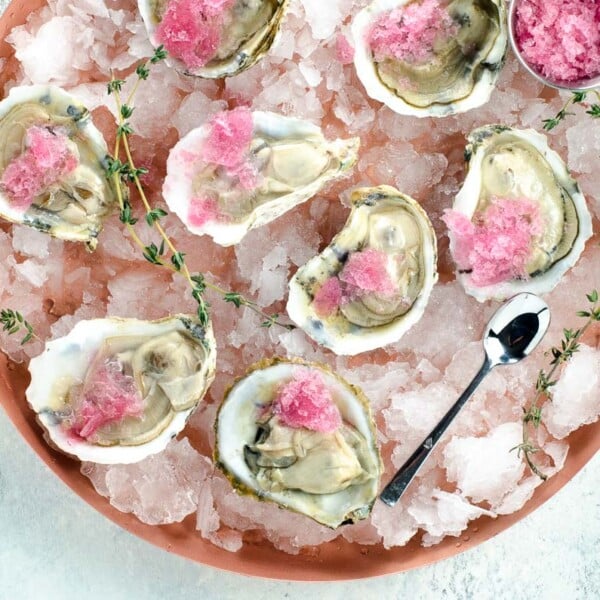
Credit: umamigirl.com
Oyster Freshness Basics
Understanding the basics of oyster freshness is key before you decide whether oysters can be frozen. Fresh oysters not only taste better but also reduce health risks. Knowing how to identify fresh oysters ensures you enjoy them at their best.
Signs Of Fresh Oysters
Fresh oysters should be tightly closed or close quickly when tapped. If an oyster shell is open and does not close, it’s likely dead and unsafe to eat. The shell should feel heavy and moist, not dry or brittle.
Check the smell carefully — fresh oysters have a clean, ocean-like scent. Any strong, fishy, or sour odor is a red flag. The oyster’s meat inside should look plump and shiny, not shriveled or dull.
Why Freshness Matters
Eating fresh oysters matters because they are highly perishable. Bacteria can multiply quickly on oysters that aren’t fresh, increasing the risk of foodborne illness. If you’ve ever experienced stomach upset after eating oysters, it might have been due to poor freshness.
Freshness also affects flavor and texture. Fresh oysters offer a sweet, briny taste and a smooth, firm texture. As oysters age, they become watery and lose their appealing taste.
Would you risk your health and enjoyment by eating oysters without checking their freshness first? Taking a moment to inspect your oysters can make all the difference.
Freezing Oysters Safely
Freezing oysters can be a great way to extend their shelf life and enjoy their fresh taste later. However, freezing them safely requires attention to timing, preparation, and the right techniques. If you freeze oysters incorrectly, you risk losing their texture and flavor, or worse, food safety issues.
When To Freeze Oysters
You should freeze oysters as soon as possible after purchasing or harvesting them. Fresh oysters are best frozen within 24 hours to maintain their quality. Avoid freezing oysters that have been out of refrigeration for too long, as this increases the risk of spoilage.
Pay attention to the smell and appearance before freezing. If an oyster smells off or looks dry, it’s safer to discard it than freeze it. Have you ever noticed how quickly seafood loses freshness? Acting fast is key.
Preparing Oysters For Freezing
Start by rinsing the oysters gently under cold water to remove any dirt or debris. If you prefer, you can freeze oysters in their shells or shucked. Shucking before freezing can save time when you’re ready to cook, but it requires careful handling to avoid contamination.
To prepare shucked oysters, place them in a sealed container with their liquor (the natural juice inside the shell). This helps preserve flavor and moisture. Don’t forget to pat the oysters dry if freezing in shells to reduce ice crystals.
Best Freezing Methods
- Freezing in Shell:Place cleaned oysters on a baking sheet and freeze until solid. Then transfer to an airtight container or freezer bag. This method protects oysters but takes longer to thaw.
- Freezing Shucked Oysters:Place oysters with their liquor in freezer-safe containers, leaving some space for expansion. Seal tightly and label with the date.
- Using Ice Cubes:Pour oyster liquor into ice cube trays and freeze. Once solid, add shucked oysters to the cubes and store them in a freezer bag. This way, you can thaw small portions easily.
Always use airtight containers or bags to prevent freezer burn and off-flavors. Label your packages with the freezing date and use the oysters within 3 months for best taste. Have you tried freezing oysters yourself? How did you find the texture after thawing?
Storage Duration And Tips
Knowing how to store oysters properly in the freezer helps keep their quality. Freezing extends their shelf life, but storage time matters. Using the right techniques avoids spoilage and preserves flavor.
How Long Can Oysters Last Frozen
Oysters can stay safe in the freezer for up to 3 months. Beyond this time, their texture and taste start to decline. For the best quality, use frozen oysters within 2 to 3 months. Label the package with the freezing date to track freshness easily.
Avoiding Freezer Burn
Freezer burn dries out oysters and ruins their taste. It happens when air touches the surface of the oysters. To prevent this, keep oysters tightly sealed and avoid temperature changes in the freezer. Store oysters in the coldest part of your freezer for better results.
Proper Packaging Techniques
- Use airtight containers or heavy-duty freezer bags.
- Remove as much air as possible from bags before sealing.
- Wrap oysters in plastic wrap before placing them in bags for extra protection.
- Place a layer of ice or cold water if freezing shucked oysters to keep moisture.
Good packaging stops moisture loss and keeps oysters fresh. Always check for leaks or tears in the packaging before freezing.
Thawing And Using Frozen Oysters
Freezing oysters extends their shelf life, but proper thawing is key for safety and flavor. Knowing how to thaw and use frozen oysters helps keep them fresh and tasty. Handle them gently to enjoy their best texture and taste.
Safe Thawing Practices
Thaw oysters in the refrigerator, not at room temperature. This keeps bacteria growth low. Place frozen oysters in a bowl to catch any liquid. Let them thaw slowly for 12 to 24 hours. Avoid using warm water or microwaves, which can harm texture and safety.
Cooking Tips After Freezing
Frozen oysters cook well but may lose some firmness. Use gentle cooking methods like steaming, baking, or simmering. Avoid overcooking to keep a tender bite. Add oysters near the end of cooking to keep flavor fresh. Frozen oysters are ideal for soups and stews.
Raw Consumption Considerations
Eating frozen-thawed oysters raw is risky. Freezing kills some bacteria but not all viruses. Always use oysters from trusted sources. Check that oysters smell fresh and look clean. When in doubt, cook them to avoid illness.
Common Mistakes To Avoid
Freezing oysters can be a great way to extend their shelf life, but many people make mistakes that ruin the texture and flavor. Avoiding these errors ensures your oysters stay fresh and delicious when you’re ready to enjoy them. Let’s look at some common pitfalls and how you can steer clear of them.
Freezing Live Oysters Incorrectly
Many assume freezing live oysters is as simple as tossing them in the freezer. However, live oysters contain water that expands when frozen, which can crack their shells and damage the meat inside.
To prevent this, shuck the oysters first and freeze only the meat or preserve them in their liquor in an airtight container. Have you ever experienced oysters that tasted off after freezing? This is often the cause.
Refreezing Thawed Oysters
Refreezing oysters after they have thawed is a big no-no. Each freeze-thaw cycle damages the oyster’s texture and increases the risk of bacterial growth.
If you don’t plan to use them immediately after thawing, cook them first. This simple step keeps your oysters safe and tasty for later use.
Ignoring Storage Temperature
Oysters need to be kept at a consistent freezing temperature, ideally below 0°F (-18°C). Fluctuating temperatures lead to freezer burn, which dries out the oysters and dulls their flavor.
Check your freezer’s settings and avoid opening it frequently when storing oysters. How often do you check your freezer temperature? Small adjustments can make a big difference.

Credit: www.inahalfshell.com
Alternatives To Freezing
Freezing oysters is not always the best choice. There are other ways to keep oysters fresh and tasty. These alternatives help maintain flavor and texture better than freezing. Here are some practical options to store oysters safely.
Refrigeration Best Practices
Refrigeration keeps oysters fresh for a short time. Store live oysters in the coldest part of the fridge. Keep them in a breathable container, like a mesh bag or a bowl covered with a damp cloth. Avoid airtight containers. Do not store oysters in freshwater. Freshwater can kill them quickly. Maintain the fridge temperature between 34°F and 40°F (1°C to 4°C). Check oysters daily and discard any that are open and do not close when tapped.
Canning And Pickling Options
Canning and pickling oysters extend their shelf life without freezing. Canning involves sealing oysters in jars with liquid, then heating to kill bacteria. Use sterilized jars and follow safe canning guidelines. Pickling means soaking oysters in vinegar or brine. This adds flavor and preserves the oysters. Pickled oysters can be stored in the fridge for weeks. Both methods allow you to enjoy oysters later with good taste and safety.

Credit: www.aol.com
Frequently Asked Questions
Can Oysters Be Frozen Safely At Home?
Yes, oysters can be frozen safely. Use airtight containers or vacuum bags to preserve freshness. Freeze shucked oysters quickly for best quality. Whole oysters freeze well but may lose texture upon thawing.
How Long Can Oysters Stay Frozen?
Frozen oysters can last up to 3 months. After this, they may lose flavor and texture. Proper packaging and fast freezing extend their shelf life effectively.
Do Frozen Oysters Taste Different From Fresh Ones?
Frozen oysters may have a slightly different texture. Freezing can cause them to be less firm. However, taste remains largely similar if frozen and thawed properly.
Should Oysters Be Shucked Before Freezing?
Shucking before freezing is recommended for easier use later. Shucked oysters freeze better and thaw faster. Whole oysters can be frozen but require shucking after thawing.
Conclusion
Oysters can freeze, but it affects their texture and taste. Fresh oysters stay best when eaten soon after buying. Freezing may change their flavor and make them less juicy. Use frozen oysters mainly for cooking, not raw eating. Always store oysters properly before freezing to keep them safe.
Remember, frozen oysters work well in recipes like soups and stews. Choose fresh oysters for a better experience when eating raw. Freezing is an option but not the best for quality. Keep these tips in mind to enjoy oysters safely and tasty.