Imagine waking up on a chilly winter morning to find that your plumbing is acting up. The culprit?
Frozen pipes. If you’re using PVC pipes, you might be wondering, “Can PVC pipes freeze? ” This is a crucial question, especially if you want to avoid costly repairs and water damage in your home. Understanding how temperature affects your plumbing can save you time, money, and a whole lot of hassle.
This article will delve into whether PVC pipes are susceptible to freezing and what you can do to protect your home. Keep reading, because the insights here could be the key to ensuring your plumbing system survives the winter intact.

Credit: www.builderonline.com
Why Pvc Pipes Freeze
Understanding why PVC pipes freeze is key to protecting your home’s plumbing. PVC, or polyvinyl chloride, is a plastic material that reacts differently to cold compared to metal pipes. When the temperature drops, water inside the pipes can freeze, expanding and potentially causing damage. But why exactly does this happen to PVC pipes, and what makes them vulnerable?
How Freezing Affects Pvc Pipes
Water expands as it freezes, increasing its volume by about 9%. This expansion puts pressure on the pipe walls. PVC pipes are rigid, so they don’t stretch easily. That pressure can cause the pipe to crack or burst.
Interestingly, PVC pipes can handle cold better than metal pipes because they don’t conduct heat as quickly. However, they are still at risk if water inside them freezes solid. A frozen section means no water flow, which can lead to pipe bursts when the ice starts to thaw.
Common Freeze Points In Plumbing
Knowing where pipes freeze most often can help you take action. Here are common spots where PVC pipes are vulnerable:
- Exterior walls or unheated areas like basements and crawl spaces
- Near windows, doors, and vents where cold air enters
- Attics or garages that are poorly insulated
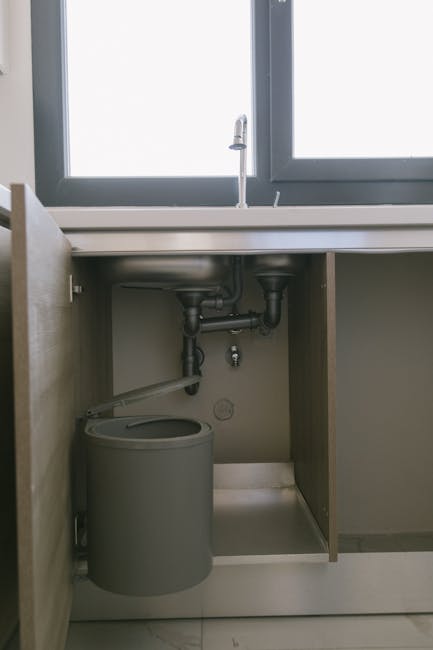
- Underneath sinks or behind cabinets in colder rooms
If your pipes run through these cold zones, they are more likely to freeze. Have you checked these areas in your home during the last cold snap? Taking preventative measures there can save you costly repairs.

Credit: madisongroup.com
Signs Of Frozen Pvc Pipes
Noticing the signs of frozen PVC pipes early can save you a lot of trouble. Frozen pipes don’t just stop water flow—they can crack and cause leaks. Knowing what to look for helps you act quickly before damage worsens.
Detecting Pipe Freezing Early
You might feel a sudden drop in water pressure or see no water coming out of your faucets. Pipes exposed to cold areas like basements or crawl spaces are most at risk.
Look for frost or ice buildup on the pipe surface. Sometimes, the pipe feels unusually cold or even hard to the touch. Strange noises like banging or gurgling can also signal freezing inside.
Have you checked your water meter when no one is using water? An unexpected change might indicate a hidden leak caused by a burst frozen pipe.
Consequences Of Ignoring Frozen Pipes
Ignoring frozen pipes can lead to serious damage. When water freezes, it expands and can crack the PVC pipe, causing leaks when it thaws.
Leaks mean water damage to your walls, floors, and belongings, which can be costly to repair. Plus, a burst pipe often results in a sudden loss of water supply, disrupting your daily routine.
Are you prepared to face the repair costs and inconvenience of a burst pipe? Acting at the first sign of freezing can prevent much bigger headaches.
Preventing Pvc Pipe Freezing
Preventing PVC pipe freezing is crucial to avoid costly repairs and water damage. When PVC pipes freeze, they can crack or burst, leading to major headaches. Taking simple, proactive steps can save you time and money, especially during harsh winters.
Insulation Techniques For Pipes
Insulating your PVC pipes is one of the most effective ways to stop freezing. Use foam pipe insulation sleeves or wrap pipes with fiberglass tape to keep the cold out.
Pay special attention to pipes in unheated areas like basements, crawl spaces, or garages. Adding insulation not only protects pipes but also helps you save on energy bills by keeping the warmth inside.
Maintaining Proper Indoor Temperatures
Keeping your home’s temperature steady is key to protecting your pipes. Even a slight drop below freezing can cause pipes to freeze, especially those near exterior walls.
If you plan to be away, don’t set your thermostat too low. Instead, keep it at least 55°F (13°C) to ensure pipes inside the house stay warm enough.
Using Heat Tape And Cable
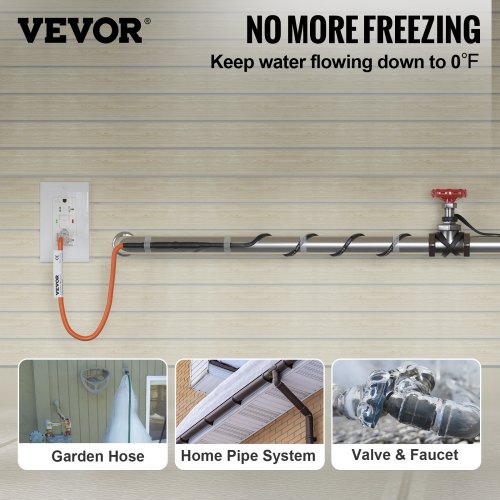
Heat tape or heat cable provides direct warmth to vulnerable PVC pipes. These electric heating elements wrap around pipes and activate when temperatures fall too low.
Be sure to follow the manufacturer’s instructions for installation to avoid fire hazards. Heat tape is especially useful for pipes in extreme cold spots where insulation alone might not be enough.
Credit: www.vevor.ca
Thawing Frozen Pvc Pipes Safely
Thawing frozen PVC pipes requires care and patience. Rapid heating or harsh methods can cause the pipes to crack or burst, leading to costly repairs. Knowing how to safely warm your pipes can save your plumbing and prevent water damage in your home.
Methods To Thaw Pipes Without Damage
You can use gentle heat sources to gradually warm frozen PVC pipes. A hairdryer set on low or medium heat works well. Move it slowly along the pipe to avoid overheating any one spot.
Another option is wrapping the pipe with warm towels soaked in hot water. This method provides steady, even heat and reduces the risk of sudden temperature changes.
If the frozen section is accessible, a space heater placed nearby can raise the surrounding temperature. Just be sure to keep it at a safe distance from the pipe and any flammable materials.
Have you tried opening faucets during thawing? Letting water flow slowly through the pipe while warming helps melt ice faster and relieves pressure buildup inside the pipe.
What To Avoid When Thawing
Never use an open flame, such as a blowtorch or lighter, to thaw PVC pipes. The intense heat can melt or warp the plastic, causing permanent damage.
Avoid using electric heating pads or coils directly on the pipe unless they are specifically designed for plumbing use. Improper devices can create hot spots and weaken the pipe.
Do not apply boiling water directly to frozen pipes. Extreme temperature changes can cause the PVC to crack. Instead, rely on warm water or indirect heat sources.
Resist the urge to hit or bang the pipe to break the ice. This can cause fractures that may not be immediately visible but will lead to leaks later.
Long-term Protection Strategies
Protecting PVC pipes from freezing is essential for lasting performance. Long-term strategies reduce damage risk and costly repairs. Smart planning and care keep pipes safe through cold seasons.
Upgrading To Freeze-resistant Materials
Standard PVC pipes can crack under freezing conditions. Choosing freeze-resistant materials helps prevent this damage. Pipes made with cross-linked polyethylene (PEX) or CPVC offer better flexibility. These materials expand slightly when frozen, lowering breakage risk. Installing insulated pipes in vulnerable areas adds extra protection. Consider thicker-walled pipes for outdoor or unheated spaces.
Regular Maintenance And Inspection
Routine checks catch small issues before they worsen. Inspect pipes yearly, especially before winter. Look for cracks, leaks, or worn insulation. Replace damaged sections quickly to avoid bigger problems. Clear nearby debris and ensure pipes are not exposed to cold drafts. Use pipe sleeves or foam insulation for added warmth. Maintain steady water flow during cold nights to reduce freezing chances.
When To Call A Professional
Knowing when to call a professional for frozen PVC pipes can save you time and money. Some pipe issues need expert attention to prevent bigger problems. Acting fast can protect your home and plumbing system.
Identifying Serious Pipe Damage
Look for signs of pipe cracks or bursts. Water leaks or wet spots on walls and floors are warning signals. Strange noises, like banging or hissing, may also indicate damage. If pipes feel soft or bulging, they might be weakened. These issues require immediate professional help to avoid costly repairs.
Emergency Plumbing Services
Emergency plumbers offer quick response for urgent pipe problems. They have tools to thaw frozen pipes safely. Professionals can fix leaks and replace damaged pipe sections. Calling emergency services ensures your water supply returns fast. Do not wait if water is leaking or pipes are broken. Quick action prevents water damage and mold growth.
Frequently Asked Questions
Can Pvc Pipes Freeze In Cold Weather?
Yes, PVC pipes can freeze when exposed to temperatures below 32°F. Frozen water inside pipes expands, risking cracks or bursts. Proper insulation helps prevent freezing and damage during cold weather.
What Happens If Pvc Pipes Freeze?
Frozen PVC pipes can crack or burst due to expanding ice. This leads to leaks and costly repairs. It’s important to thaw pipes carefully to avoid further damage.
How To Prevent Pvc Pipes From Freezing?
Insulate pipes with foam sleeves or heat tape. Keep indoor temperatures above freezing. Allow faucets to drip slowly to prevent water from freezing inside pipes.
Can Frozen Pvc Pipes Burst Easily?
Yes, frozen PVC pipes are prone to bursting. Ice expands inside pipes, creating pressure that can cause cracks. Early prevention and insulation reduce the risk.
Conclusion
PVC pipes can freeze in very cold weather. Frozen pipes might crack and cause leaks. Insulating pipes helps keep them warm and safe. Dripping faucets also reduce freezing risk. Taking these steps protects your plumbing in winter. Stay prepared to avoid costly repairs.
Simple care keeps water flowing smoothly all season.