Have you ever wondered at what temperature diesel fuel might freeze, leaving you stranded in the cold? If you’re a diesel vehicle owner or simply curious about how different fuels perform in chilly conditions, this question is critical.
Understanding the freezing point of diesel is essential to keeping your vehicle running smoothly during the winter months. Imagine the frustration of a car that won’t start just because the temperature dropped. By knowing this vital information, you can prevent unexpected breakdowns and enjoy peace of mind.
Stick with us as we delve into the world of diesel fuel and reveal the facts you need to know to keep your engine purring, even when the mercury plunges.
Diesel Fuel And Cold Weather
Diesel fuel behaves differently in cold weather compared to gasoline. It can become thick and gel-like, which causes problems for engines. Understanding how diesel reacts to cold helps prevent breakdowns and keeps vehicles running smoothly. This knowledge is vital for drivers in cold climates and those who store diesel for long periods.
How Diesel Reacts To Cold
Diesel fuel starts to thicken as temperatures drop. Tiny wax crystals form inside the fuel. These crystals block fuel filters and lines, stopping the flow of fuel. Engines may struggle to start or run poorly. The fuel does not freeze solid like water but gels enough to cause issues.
Types Of Diesel Fuel
- Petrodiesel:The most common type, made from crude oil.
- Biodiesel:Made from vegetable oils or animal fats; can gel faster in cold.
- Winter diesel:Blended with additives to lower the gelling point.
Each type reacts differently to cold. Winter diesel helps prevent gelling and works better in low temperatures.
Why Diesel Freezes
Diesel freezes because of its wax content. As temperature drops, wax crystals form and grow. These crystals clog fuel systems and stop fuel flow. Water in diesel can freeze, causing ice blockages. Cold weather worsens these problems, making it hard for engines to work.
Freezing Points Of Diesel
Diesel fuel doesn’t freeze like water, but it does reach critical temperatures where its flow and performance are affected. Understanding these freezing points can help you avoid engine trouble during cold weather. Knowing the exact temperatures at which diesel begins to cloud, gel, or stop flowing is key to keeping your equipment running smoothly.
Cloud Point And Pour Point
The cloud pointis the temperature at which tiny wax crystals start to form in diesel, making it look cloudy. This doesn’t stop the fuel from flowing yet, but it signals trouble ahead.
The pour pointis colder than the cloud point and marks the temperature where diesel stops flowing entirely. At this point, your engine can’t get fuel, which means it won’t start or run.
Have you ever noticed diesel looking milky on a chilly morning? That’s the cloud point showing up—an early warning you shouldn’t ignore.
Gel Point Explained
The gel point is the temperature at which diesel thickens so much it becomes like jelly. Unlike freezing water, diesel doesn’t solidify but turns into a gel that clogs fuel filters and lines.
This point is usually a few degrees below the pour point and is often the real cause of diesel engine failures in cold weather. When diesel gels, it restricts fuel flow, causing your engine to stall or fail to start.
Temperature Ranges By Diesel Type
| Diesel Type | Cloud Point (°F) | Pour Point (°F) | Gel Point (°F) |
|---|---|---|---|
| 1 Diesel (Winter Blend) | 20 to 30 | 10 to 20 | 0 to 10 |
| 2 Diesel (Regular) | 32 to 40 | 14 to 20 | 0 to 14 |
| Biodiesel (B20) | 28 to 36 | 15 to 25 | 5 to 15 |
Different diesel types have varying freeze-related temperatures. Winter blends resist freezing better, while biodiesel can gel at higher temperatures. Knowing your diesel type helps you prepare and choose the right additives or heaters.
Have you checked your diesel’s cloud or gel points before winter? It could save you from unexpected downtime.
Effects Of Frozen Diesel On Engines
Frozen diesel can create serious problems for your engine’s performance and longevity. When diesel fuel freezes, it doesn’t just sit there harmlessly—it affects key engine components and can lead to unexpected breakdowns. Understanding these effects helps you take smarter steps to protect your vehicle during cold weather.
Fuel Filter Clogging
Diesel contains paraffin wax that solidifies at low temperatures, forming crystals that clog your fuel filter. This blockage restricts fuel flow, making it harder for your engine to receive the proper amount of fuel.
If you’ve ever experienced your engine sputtering or losing power on a cold morning, a clogged fuel filter might be the culprit. Keeping an eye on your fuel filter condition before winter can save you from getting stranded.
Engine Starting Issues
When diesel freezes, it thickens and becomes difficult to pump, causing your engine to struggle or fail to start. You might notice longer crank times or complete failure to ignite the engine on chilly days.
Have you ever wondered why your diesel vehicle hesitates or won’t start in cold weather? Frozen fuel is often behind this frustrating issue. Using winterized diesel or additives can improve cold start reliability.
Potential Damage Risks
Running your engine with frozen or partially frozen diesel can lead to serious damage. Fuel starvation from clogged filters can cause the engine to overheat or wear out vital parts faster.
Ignoring frozen diesel’s effects might result in costly repairs like damaged fuel pumps or injectors. Protecting your engine isn’t just about convenience—it’s about avoiding expensive, preventable damage.

Credit: www.trucksales.com.au
Preventing Diesel Freeze
Diesel freeze can cause serious problems, especially when temperatures drop unexpectedly. Preventing diesel from freezing is essential to keep your engine running smoothly and avoid costly delays. You don’t have to be an expert to protect your fuel—simple steps can make a big difference.
Using Fuel Additives
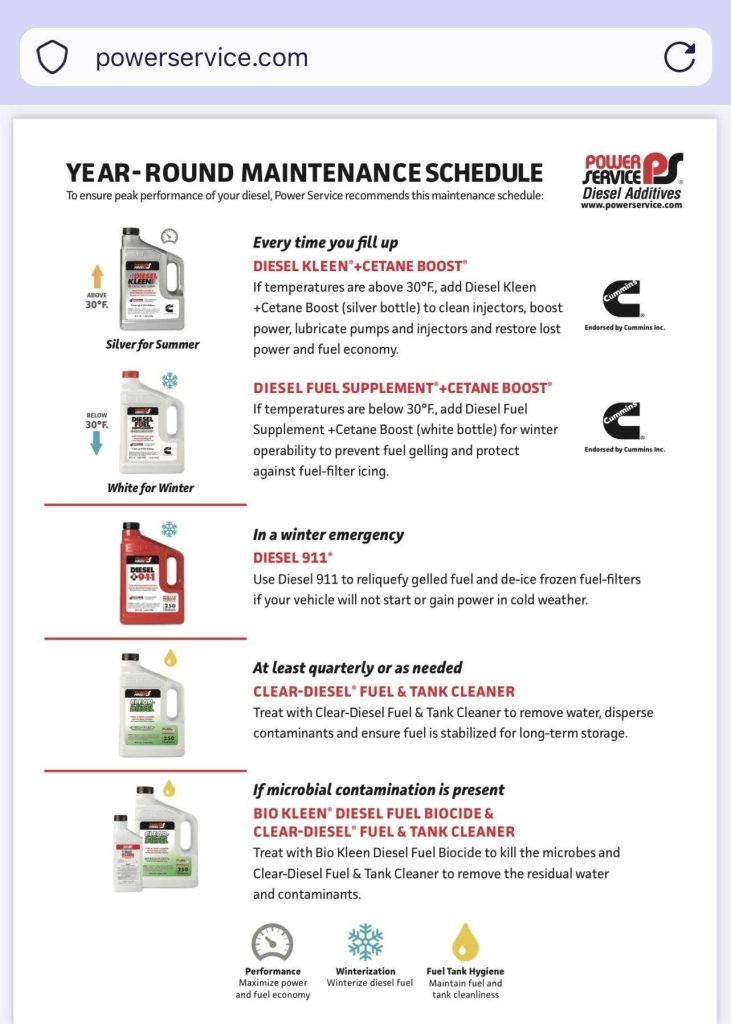
Fuel additives are one of the easiest ways to prevent diesel freeze. These additives lower the fuel’s freezing point and stop wax crystals from forming. Adding the right amount before cold weather hits keeps your diesel flowing freely.
Look for additives specifically designed for cold weather. Some not only prevent freezing but also improve fuel efficiency and reduce engine wear. Have you checked if your local supplier stocks these additives during winter?
Proper Storage Techniques
How you store diesel plays a big role in preventing freeze. Keep your fuel tanks as full as possible to reduce air space where moisture can condense and cause ice. This simple practice can save you from fuel contamination.
Store diesel indoors or in shaded areas to avoid extreme temperature swings. If that’s not possible, insulating your tanks can reduce the risk of freezing. Think about the last time you left your vehicle outside overnight—did you notice any sluggish starts?
Heating Systems For Fuel Tanks
Heating systems provide a reliable defense against diesel freeze, especially in very cold climates. Electric heaters or heat trace cables wrapped around fuel lines and tanks maintain a steady temperature. This prevents wax buildup and keeps diesel flowing even in subzero temperatures.
Installing a heating system requires some upfront investment but pays off by reducing downtime and maintenance costs. If you’ve experienced frozen fuel, wouldn’t a small heater be a worthwhile upgrade?
Winter Diesel Maintenance Tips
Winter brings challenges for diesel engines. Low temperatures cause diesel fuel to gel and freeze. Proper maintenance keeps engines running smoothly. Follow these simple winter diesel maintenance tips to avoid cold weather issues.
Regular Fuel Checks
Check your diesel fuel often during winter months. Look for cloudiness or crystals in the fuel. These signs mean fuel is starting to gel. Use winter-grade diesel or additives to prevent freezing. Regular checks help catch problems early.
Drain Water From Fuel
Water in the fuel system can freeze and block fuel flow. Drain water from fuel filters and separators regularly. This prevents ice buildup that stops the engine. Keep the fuel system dry for better performance.
Keep Fuel Tank Full
A full tank reduces air space and limits condensation inside. Less condensation means less water in fuel. Fill the tank before cold weather arrives. This simple step protects your diesel engine from freezing issues.

Credit: bulletproofdiesel.com
Emergency Measures For Frozen Diesel
Frozen diesel can stop your engine and cause delays. Acting fast helps avoid damage and gets you moving again. Knowing emergency steps keeps your vehicle ready during cold weather. Here are key actions to handle frozen diesel safely and effectively.
Thawing Frozen Fuel
Place the vehicle in a warm garage or shelter to raise fuel temperature. Use a heat source near the fuel tank but keep it safe and controlled. Avoid direct flame or high heat that can damage components. Warm the fuel gradually to prevent cracks or leaks. Portable heaters or heat lamps work well for this task. It may take several hours for the diesel to thaw completely.
Replacing Fuel Filters
Frozen diesel often clogs fuel filters with wax crystals. Replace clogged filters to restore fuel flow and engine performance. Use the correct filter type for your vehicle model. Check the fuel filter housing for ice or debris before installing a new one. Always prime the new filter to avoid air locks in the fuel system. Keep spare filters handy in winter seasons for quick replacement.
When To Seek Professional Help
If the engine does not start after thawing and filter changes, call a mechanic. Persistent issues may indicate fuel system damage or contamination. Professionals have tools to clean fuel lines and test fuel quality. Avoid repeated attempts to start the engine, which can cause more damage. Early expert intervention saves time and repair costs. Trust experienced technicians for complex frozen diesel problems.

Credit: www.trucksales.com.au
Frequently Asked Questions
At What Temperature Does Diesel Start To Freeze?
Diesel begins to gel around 32°F (0°C). It doesn’t freeze solid but thickens, causing fuel flow issues in engines.
How Does Diesel Freezing Affect Engine Performance?
Frozen diesel clogs fuel filters and lines. This restricts fuel flow, causing engine stalling or failure to start in cold weather.
Can Additives Prevent Diesel From Freezing?
Yes, anti-gel additives lower diesel’s gelling point. They keep fuel flowing smoothly in low temperatures, protecting engine function.
What Is The Difference Between Diesel Freeze Point And Pour Point?
Freeze point is when diesel forms ice crystals. Pour point is the lowest temperature it still flows. Both affect cold-weather use.
Conclusion
Diesel fuel can freeze at very low temperatures. Knowing the freeze point helps protect engines in cold weather. Use winterized diesel or additives to prevent gelling. Keep your fuel tank full to reduce moisture build-up. Store diesel properly and check it before use.
Cold weather affects diesel performance, but you can prepare. Stay safe and keep your engine running smoothly all winter. Understanding diesel freeze points saves time and avoids costly repairs. Simple steps make a big difference in cold conditions.