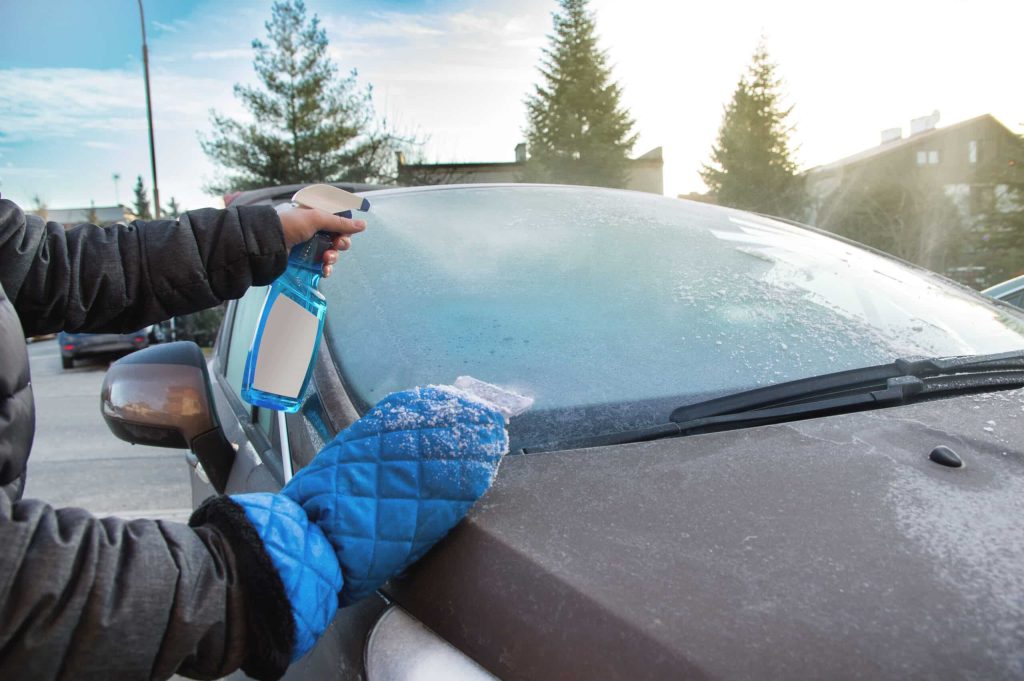
Have you ever faced a frosty morning, armed with nothing but a stubborn ice-covered windshield? If so, you’re not alone.
Winter can be relentless, and those icy surfaces often feel like nature’s little challenge to your patience. That’s when you might wonder, “Will antifreeze melt ice? ” This question isn’t just about convenience; it’s about saving time, preserving your sanity, and keeping you safe on the road.
You’ll discover the truth about antifreeze and its potential to combat ice. We’ll delve into how it works, its effectiveness compared to other methods, and whether it’s the secret weapon you need for those frigid mornings. By the end, you’ll have a clear answer, helping you make informed decisions and tackle winter’s icy grip with confidence. Ready to find out if antifreeze is your winter hero? Let’s melt away the mystery together.
Credit: uk.news.yahoo.com
How Antifreeze Works
Understanding how antifreeze works helps explain why it does not simply melt ice. Antifreeze is designed to prevent freezing by altering the properties of water. It changes the temperature at which water turns to ice. This makes it useful in engines and other systems exposed to cold conditions.
Chemical Properties
Antifreeze contains chemicals like ethylene glycol or propylene glycol. These chemicals mix easily with water and lower its freezing point. They also raise the boiling point of the liquid. This dual action helps protect engines from freezing and overheating.
The chemicals in antifreeze are thick and sticky. This helps them spread evenly in the water. Their structure prevents water molecules from sticking together to form ice crystals. This stops ice from forming at the normal freezing temperature.
Freezing Point Depression
Freezing point depression is the main way antifreeze works. Adding antifreeze to water lowers the temperature needed for ice to form. Pure water freezes at 32°F (0°C). With antifreeze, the freezing point can drop well below this.
This effect happens because antifreeze molecules interfere with water molecules. They get in the way and stop water from solidifying easily. The more antifreeze added, the lower the freezing point becomes. This means water stays liquid in colder weather.
Types Of Antifreeze
Understanding the types of antifreeze can help you choose the right product to effectively melt ice and protect your vehicle. Not all antifreeze solutions work the same way, and some are safer or more environmentally friendly than others. Let’s look at the common types and what makes each unique.
Ethylene Glycol
Ethylene glycol is the most common type of antifreeze. It works well to lower the freezing point of water, helping to melt ice quickly and keep your engine safe in winter.
However, it is toxic to humans and animals, so you need to handle it carefully. Many people don’t realize how dangerous it can be if spilled or ingested, so always store it securely.
Propylene Glycol
Propylene glycol is a safer alternative to ethylene glycol. It’s less toxic and often used in places where accidental exposure might happen, like in food processing equipment or around pets.
It also melts ice effectively but may cost a bit more. If you want something less hazardous without losing performance, this type is a solid choice.
Natural Alternatives
Some antifreeze products use natural ingredients like glycerin or alcohol-based solutions. These options are biodegradable and better for the environment.
While they might not be as powerful as traditional antifreeze, they work well for light ice melting needs. Have you considered if your vehicle or equipment could benefit from these greener options?
Using Antifreeze To Melt Ice
Using antifreeze to melt ice might sound like a quick fix, but it’s important to understand how to apply it correctly and safely. Antifreeze contains chemicals that lower the freezing point of water, which can help in melting ice. However, its effectiveness and safety depend on the method of application and precautions taken.
Application Methods
Antifreeze is typically designed for automotive use, not as an ice melt solution for walkways or driveways. If you consider using it, apply it sparingly and in small amounts to avoid waste and environmental harm.
- Pour a small quantity directly onto thin ice patches to help break the bond between the ice and surface.
- Use a spray bottle for even distribution on icy spots for better control.
- Mix antifreeze with water to dilute its strength before application, reducing chemical buildup.
Have you noticed how some ice melts work faster after they’re spread evenly? The same principle applies here. Applying antifreeze carefully can speed up melting without creating slippery, unsafe surfaces.
Safety Precautions
Antifreeze contains toxic chemicals like ethylene glycol or propylene glycol, which can harm pets, children, and the environment. Always wear gloves and avoid inhaling fumes when handling it.
- Keep antifreeze away from open flames and heat sources to prevent fire hazards.
- Store it in a clearly labeled, secure container out of reach of children and pets.
- Never pour large amounts on the ground; this can contaminate soil and water supplies.
Thinking about alternatives? Consider pet-safe ice melts or sand for traction instead. Your choice can protect both your family and the environment while keeping surfaces safe.
Comparing Antifreeze And Ice Melts
Comparing antifreeze and ice melts helps you decide the best option to handle icy conditions safely and effectively. Both products serve to tackle ice, but their purposes and impacts differ significantly. Understanding these differences can save you time, money, and protect the environment.
Effectiveness
Antifreeze is designed primarily for vehicles, preventing the engine coolant from freezing in cold weather. It doesn’t directly melt ice on sidewalks or driveways. Using antifreeze as an ice melt is not effective and can even be dangerous due to its toxic nature.
Ice melts, on the other hand, are formulated to lower the freezing point of water on surfaces. Common ice melts include rock salt (sodium chloride), calcium chloride, and magnesium chloride. They work quickly to break down ice and improve traction.
Have you ever tried using antifreeze on your driveway? Chances are, it didn’t melt the ice and just wasted a costly product. If melting ice is your goal, choosing the right ice melt product is key.
Environmental Impact
Antifreeze contains chemicals like ethylene glycol or propylene glycol, which can be harmful to pets, wildlife, and plants if spilled on the ground. Its toxic nature means improper use can pollute soil and water sources.
Ice melts vary in their environmental effects. Rock salt can harm vegetation and corrode concrete or metal. Calcium chloride is less damaging but still poses risks if overused. Some ice melts are designed to be pet-friendly and biodegradable, offering safer alternatives.
When selecting an ice melt, consider its ingredients and how it might affect your garden or nearby water bodies. Would you want to save money now but spend more later on repairing damage caused by harsh chemicals?
Tips To Beat Winter Slush
Winter slush can be a real challenge for roads and walkways. It creates slippery surfaces and makes outdoor movement tough. Knowing how to handle slush keeps your paths safer and cleaner. The right tips help reduce accidents and improve comfort during cold months.
Preventive Measures
- Clear snow early before it turns to slush.
- Use salt or commercial ice melt on walkways and driveways.
- Apply sand or kitty litter for better traction on slippery surfaces.
- Keep gutters and drains clear to avoid water buildup.
- Wear proper footwear with good grip to prevent slips.
- Shovel regularly to prevent thick ice formation.
Alternative Solutions
- Use eco-friendly ice melt products to protect plants and pets.
- Try heated mats for small areas to melt slush quickly.
- Spread coffee grounds or wood ash for natural traction aid.
- Place rubber mats or textured runners on entryways.
- Use a snow blower to clear large areas efficiently.

Credit: www.amazon.ca

Credit: www.prestoneuk.com
Frequently Asked Questions
Does Antifreeze Actually Melt Ice On Contact?
Antifreeze lowers water’s freezing point but doesn’t instantly melt ice. It prevents ice formation and helps dissolve thin ice layers slowly.
Can Antifreeze Be Used To De-ice Car Windshields?
Yes, antifreeze-based solutions can melt ice on windshields quickly. They work by preventing freezing and breaking down existing ice safely.
Is Antifreeze Safe For Outdoor Ice Removal?
Antifreeze contains chemicals that can harm plants and animals. Use it cautiously outdoors or opt for environmentally-friendly ice melt alternatives.
How Does Antifreeze Prevent Ice Formation In Engines?
Antifreeze mixes with water, lowering freezing temperature inside engines. This stops coolant from freezing, protecting engine parts in cold weather.
Conclusion
Anti-freeze does not melt ice directly. It lowers water’s freezing point to stop ice forming. It works best before ice appears. Once ice is solid, anti-freeze has little effect. Use salt or warm water to remove ice safely. Keep anti-freeze handy to prevent ice build-up.
This helps protect pipes and car engines. Always follow product instructions for best results. Understanding how anti-freeze works keeps you prepared. Stay safe and avoid ice damage this winter.