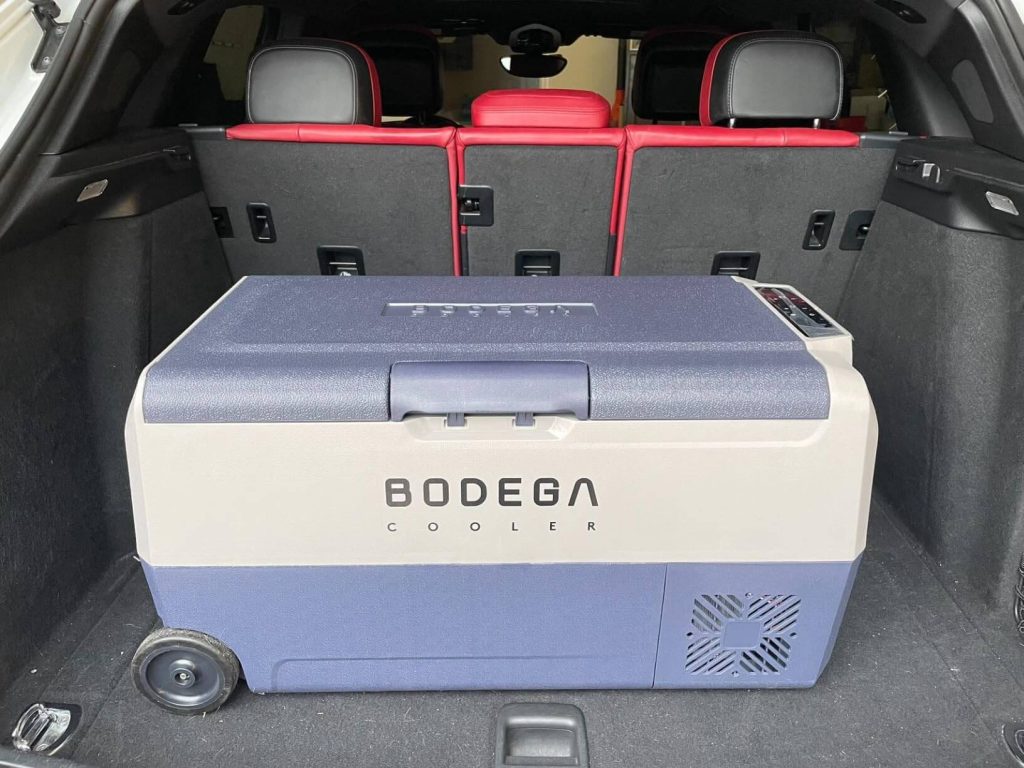
Have you ever left a bottle of wine in your car during a chilly winter day and wondered, “Will wine freeze in the car?” You’re not alone.
This question has puzzled many wine lovers who fear the fate of their precious bottle in freezing temperatures. Picture this: you’re planning a cozy evening, the perfect bottle of wine is nestled in your car, and suddenly, you remember the weather forecast warning of plummeting temperatures.
Will your wine turn into a solid block of ice, or will it survive the cold? We’ll uncover the science behind wine and freezing temperatures, and provide you with all the insights you need to protect your wine from winter’s icy grip. Keep reading to ensure your next wine experience remains delightful, no matter the weather outside.
How Wine Freezes
Understanding how wine freezes can help you decide whether it’s safe to leave a bottle in your car during cold weather. Wine isn’t like water; it doesn’t freeze at the usual 32°F (0°C). Instead, its unique composition means it freezes at a lower temperature, and knowing this can prevent unexpected messes or ruined wine.
Freezing Point Of Wine
Wine typically freezes between 15°F and 20°F (-9°C to -6°C), depending on its alcohol content. The higher the alcohol, the lower the freezing point. This means a strong red wine might stay liquid at temperatures where a lighter white wine could start to freeze.
Think about your last winter trip—did you notice that your wine felt colder but never froze? That’s because temperatures inside a car rarely drop enough to freeze higher alcohol wines, but if you live somewhere extremely cold, the risk increases.
Factors Affecting Freezing
Several factors influence whether your wine will freeze in the car:
- Alcohol Content:Wines with higher alcohol freeze at lower temperatures.
- Sugar Levels:Sweet wines freeze at different points than dry wines due to sugar acting as an antifreeze.
- Wine Type:Red, white, and sparkling wines have varying freezing points.
- Container:Glass bottles can crack if wine freezes and expands.
Have you ever wondered why your favorite sweet Riesling might freeze quicker than your dry Merlot? The sugar makes a big difference. Plus, a full bottle freezes slower than an opened one because there’s less air inside to cool rapidly.
Knowing these factors can guide you in protecting your wine during cold spells—whether that means bringing it inside or choosing which bottle to leave in the car.
Credit: www.bodegacooler.com
Temperature Inside A Car
The temperature inside a car can vary widely depending on the weather outside, the time of day, and whether the vehicle is parked in direct sunlight or shade. Understanding these temperature changes is key to knowing if wine left inside your car will freeze. Your wine’s safety depends on how cold it actually gets within the car’s interior.
Cold Weather Impact
During winter, temperatures inside a car can drop quickly, especially overnight. If the outside temperature falls below freezing, the inside of your car can reach similar lows. I once left a bottle of wine in my car overnight when the temperature dipped to 20°F (-6°C), and the wine froze solid by morning.
Freezing wine expands the liquid, which can push the cork out or even break the bottle. So, if you expect temperatures to be below 32°F (0°C), it’s risky to leave wine in your car. Always consider how long the wine will stay in the cold and what the outside weather is doing.
Variations In Car Temperature
The temperature inside your car doesn’t stay constant. It can fluctuate based on several factors:
- Sun exposure: A car in direct sunlight can warm up quickly, even on cold days.
- Parking location: Indoor garages keep cars warmer than outdoor spots.
- Time of day: Temperatures drop significantly at night, increasing freeze risk.
These variations mean your wine could be safe one hour and at risk the next. Have you ever noticed your car feeling much colder than the outside air? This happens because metal and glass surfaces lose heat fast, chilling the interior quickly.
Knowing these details helps you decide whether your wine will freeze or stay safe. Checking the weather forecast and parking wisely can protect your wine from freezing damage.
Will Wine Freeze In Your Car?
Have you ever wondered if leaving a bottle of wine in your car overnight during winter could turn your favorite drink into a frozen block? Understanding whether wine will freeze in your car is more than just a curiosity—it can save you from a disappointing surprise and preserve your wine’s quality. Let’s break down how different types of wine react to freezing temperatures and what factors influence this process.
Types Of Wine And Freezing
Not all wines freeze at the same temperature. The alcohol content in wine lowers its freezing point, but the exact temperature varies by type.
- Red wines:Typically freeze around 20°F (-6°C) because they usually have higher alcohol content (12-15%).
- White wines:Often freeze closer to 23°F (-5°C) since their alcohol percentage is generally a bit lower.
- Fortified wines:Such as port or sherry, have higher alcohol levels (up to 20%) and freeze at much lower temperatures, sometimes below 15°F (-9°C).
Thinking about your last winter trip, did you leave wine in the car? If it was a chilly night below these temperatures, there’s a good chance your wine could have frozen—or at least partially.
Duration And Conditions
The length of time wine spends in freezing conditions matters just as much as the temperature. A short exposure to cold might chill your wine well without freezing it.
- Wine left in a car for a few hours during a cold snap may get very cold but not freeze solid.
- Overnight exposure in subfreezing temperatures increases the risk of freezing and bottle damage.
- Temperature fluctuations, such as warming during the day and freezing at night, can stress the wine and cork, potentially affecting taste and aroma.
Consider this: how long do you usually leave wine in your car? A quick grocery run is unlikely to cause freezing, but leaving it overnight in winter could.
Knowing these details helps you decide if your car is a safe spot for storing wine temporarily. Would you risk your favorite bottle when temperatures drop below freezing?

Credit: www.nbcmiami.com
Effects Of Freezing On Wine
Freezing wine affects its quality in several ways. The liquid inside can expand and change texture. This can alter the wine’s original character. Some effects are visible, while others are subtle but impactful.
Taste And Aroma Changes
Freezing can dull the wine’s taste and aroma. The delicate flavors may become muted or flat. Fruity notes often weaken, losing their freshness. The wine might develop off-flavors or a strange aftertaste. These changes reduce the overall drinking pleasure.
Bottle Integrity Risks
Wine expands as it freezes, increasing pressure inside the bottle. This pressure can crack or break the glass. Corks may push out or break, causing leaks. Once the seal breaks, air enters and spoils the wine. A frozen bottle risks both safety and wine quality.
Preventing Wine From Freezing In The Car
Wine can freeze in the car during cold weather. Frozen wine may lose its flavor and texture. Taking steps to keep wine safe helps preserve its quality. Small changes in storage and transport make a big difference.
Storage Tips
- Keep wine away from car windows where cold air enters.
- Place bottles in insulated bags or coolers to maintain temperature.
- Wrap bottles in blankets or towels for extra warmth.
- Store wine in the trunk, which stays warmer than the cabin.
- Limit the time wine stays in the car during freezing weather.
Alternative Transport Methods
- Use a thermal wine carrier designed for cold weather.
- Carry wine inside a heated bag or box with heat packs.
- Bring wine directly into your destination instead of leaving it in the car.
- Consider shipping wine via a delivery service with climate control.

Credit: ainyf.com
What To Do If Wine Freezes
Finding your wine frozen in the car can be frustrating, but it’s not the end of the world. Knowing the right steps to take can help you save the bottle and still enjoy your wine. Here’s what you should do if your wine freezes.
Thawing Techniques
First, avoid rushing the thawing process. Take the bottle inside and let it warm up slowly at room temperature. Rapid changes in temperature can cause the glass to crack or the wine to lose its flavor.
If you’re in a hurry, wrap the bottle in a damp cloth and place it in a bowl of lukewarm water. This helps speed up thawing without shocking the wine.
Never use a microwave or direct heat to thaw your wine. These methods can damage the wine’s delicate structure and taste.
Assessing Wine Quality After Freezing
Once thawed, check the wine’s appearance first. Freezing can sometimes cause the liquid to become cloudy or separate. This doesn’t always mean it’s bad, but it’s a warning sign.
Next, give it a gentle swirl and sniff. If the aroma smells off or sour, it’s best to discard the wine. A frozen wine that smells fine usually tastes okay but expect some loss of subtle flavors.
Have you ever saved a frozen bottle that surprised you with its taste? Sometimes, wines with higher alcohol content freeze less and maintain quality better.
Frequently Asked Questions
Will Wine Freeze If Left In A Car Overnight?
Yes, wine can freeze in a car overnight if temperatures drop below 15°F (-9°C). Freezing causes expansion, which may break the bottle or alter the wine’s flavor.
How Cold Does Wine Need To Freeze?
Wine typically freezes around 15°F (-9°C) due to its alcohol content. Lower alcohol wines freeze at higher temperatures, while fortified wines freeze at colder temperatures.
Can Freezing Wine Damage Its Taste?
Freezing wine can change its taste and texture. Ice crystals may break down flavor compounds, leading to a flatter, less enjoyable wine experience.
Is It Safe To Drink Frozen Then Thawed Wine?
Yes, thawed wine is safe to drink but may taste different. The freezing process can affect aroma and flavor quality.
Conclusion
Wine can freeze in a car if temperatures drop very low. Most wines freeze around 15-20°F (-9 to -6°C). Freezing can change the taste and texture of wine. Leaving wine in cold cars is risky during winter nights. It’s best to keep wine in a warm place.
This helps keep the flavor and quality intact. Small temperature changes can harm wine less than freezing. Remember, wine is delicate and needs careful storage. Avoid freezing to enjoy your wine at its best. Simple care makes a big difference.