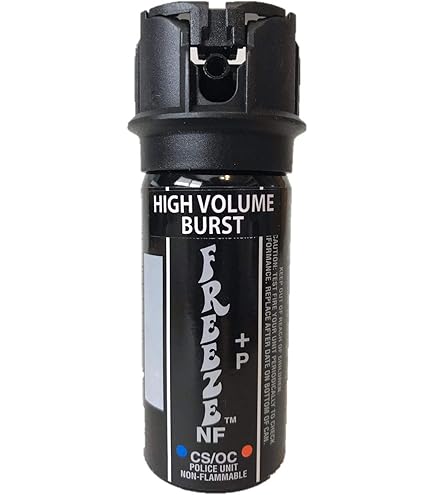
Have you ever wondered if your trusty can of pepper spray might fail you just when you need it the most? As the temperatures drop, it’s natural to question whether this self-defense tool can stand up to the cold.
After all, you rely on it for safety, and the last thing you want is for it to freeze when you need it most. Understanding how pepper spray behaves in freezing temperatures is crucial, especially if you live in a chilly climate.
You’ll discover the surprising facts about pepper spray and freezing conditions. Stay informed, stay safe, and ensure your peace of mind by reading on.

Credit: www.amazon.com
What Is Pepper Spray Made Of
Understanding what pepper spray is made of helps clarify why it behaves the way it does, including whether it freezes or not. The composition of pepper spray combines powerful irritants with specific ingredients that allow it to be effective and safe to carry. Let’s break down its main components to give you a clear picture.
Active Ingredients
The key active ingredient in pepper spray is oleoresin capsicum (OC), an extract from hot chili peppers. OC causes intense burning sensations, inflammation, and temporary blindness when it contacts the eyes or skin.
OC is measured in terms of capsaicinoid concentration, which determines the spray’s strength. Most self-defense sprays contain between 1% and 10% OC, enough to incapacitate without causing permanent harm.
Have you ever wondered why pepper spray causes such a strong reaction? That’s the power of these natural irritants, designed to overwhelm your attacker’s senses.
Formulation And Propellants
Pepper spray is not just OC in a bottle; it’s mixed with carriers and propellants to deliver the spray effectively. Common carriers include water, alcohol, or oils, which help dissolve and spread the active ingredient evenly.
The propellant, often a pressurized gas like nitrogen or carbon dioxide, pushes the spray out in a fine mist or stream. This makes the spray easy to aim and ensures it reaches the target quickly.
Different brands may use slightly different formulas or propellants, affecting how the spray behaves in cold weather. Have you noticed some sprays don’t work well when it’s freezing? That can come down to the type of propellant used.
How Temperature Affects Pepper Spray
Temperature plays a crucial role in how pepper spray performs. If you rely on pepper spray for personal safety, understanding its behavior in different weather conditions can be life-saving. Let’s take a closer look at how cold temperatures specifically impact the effectiveness of pepper spray and what you should expect.
Effects Of Cold Weather
Cold weather can reduce the pressure inside a pepper spray canister, affecting the spray’s range and spray pattern. You might notice that the spray doesn’t shoot out as far or as forcefully when temperatures drop below freezing.
Have you ever tried using pepper spray on a chilly winter day and found it less powerful? This happens because the propellant gas inside contracts in cold weather, leading to weaker spray force. It’s important to keep your spray close to your body to maintain warmth, which helps keep the pressure stable.
Additionally, the spray nozzle can freeze or become clogged if moisture gets inside. This can cause the spray to malfunction exactly when you need it most. Carrying your pepper spray in an inside pocket instead of outside on a cold day can prevent this problem.
Freezing Points Of Common Sprays
Not all pepper sprays freeze at the same temperature. The freezing point depends largely on the type of propellant and the liquid solution used in the canister.
| Type of Pepper Spray | Approximate Freezing Point | Effect of Freezing |
|---|---|---|
| Oleoresin Capsicum (OC) Spray | -10°C (14°F) | May thicken, reducing spray effectiveness |
| CS Gas Spray | 0°C (32°F) | Likely to freeze, nozzle blockage risk |
| CN Gas Spray | Around -5°C (23°F) | Can freeze and lose pressure |
Knowing these freezing points can help you choose the right spray if you live in colder climates. You might want to test your pepper spray in cold conditions to see how it performs before you depend on it.
Have you checked your pepper spray’s performance in the cold? Taking simple precautions like warming the canister before use could make all the difference in an emergency.
Can Pepper Spray Actually Freeze
Pepper spray is a popular self-defense tool for many people worldwide. Its effectiveness depends on its chemical properties and how it reacts to different temperatures. Many wonder if pepper spray can freeze and lose its power in cold weather. Understanding this helps users prepare better for harsh climates.
Scientific Evidence
Pepper spray contains capsaicin, extracted from chili peppers. Capsaicin is an oily compound, mixed with solvents and propellants in the spray. These ingredients lower the freezing point of the liquid.
Most pepper sprays use a pressurized canister filled with a mix of chemicals. This mix resists freezing even below 0°C (32°F). Scientific studies show that pepper spray usually remains liquid at temperatures as low as -20°C (-4°F).
Freezing can happen only if the temperature is extremely low and sustained for a long time. In such cases, the spray’s consistency might change. Still, it rarely freezes solid like water.
User Experiences In Cold Climates
People living in cold regions share practical insights. Many report using pepper spray successfully during winter without freezing issues. Some say the spray becomes thicker but still works.
Others mention that storing pepper spray inside warm places, like pockets or bags, helps avoid freezing. They advise keeping the canister away from direct exposure to cold air for long periods.
- Use pepper spray stored at room temperature before going outside.
- Carry it close to the body to keep it warm.
- Avoid leaving it in cars overnight in freezing weather.
These tips come from real users and show the importance of proper storage in cold areas. Pepper spray generally does not freeze under normal winter conditions.

Credit: www.amazon.com
Risks Of Using Frozen Pepper Spray
Pepper spray is a crucial self-defense tool for many people. Using it in freezing conditions comes with risks. Cold temperatures can change how the spray works. Frozen pepper spray may not protect you as expected. Understanding these risks helps keep you safe.
Effectiveness Reduction
Freezing can lower pepper spray’s power. The chemicals inside may separate or become less strong. Spray may come out as a weak mist instead of a strong stream. This reduces its ability to stop an attacker quickly. Relying on frozen spray can be dangerous in emergencies.
Potential Damage To Canister
Cold temperatures can harm the spray canister. The liquid inside expands when frozen. This puts pressure on the canister walls. Small cracks or leaks may form. A damaged canister might not release spray properly. In some cases, it could burst, causing injury.
Storing Pepper Spray In Extreme Temperatures
Storing pepper spray properly is key to keeping it effective. Extreme temperatures can change how it works. Too cold or too hot can harm the spray inside. Understanding safe storage helps maintain its power and readiness.
Best Practices For Cold Weather
Cold weather can cause pepper spray to freeze. Freezing may block the nozzle or change the spray pattern. Keep the canister close to your body for warmth. Store it inside your coat or pocket when outside.
Do not leave pepper spray in a car during winter. Inside temperatures can drop below freezing quickly. Always check the spray before use in cold conditions. If frozen, let it warm up naturally before spraying.
Avoiding Freezing And Overheating
Avoid leaving pepper spray in places with extreme heat. High temperatures can increase pressure inside the canister. This may cause leaks or bursts, making it unsafe. Store spray in a cool, dry place away from sunlight.
Keep pepper spray away from heaters, windows, or hot cars. Avoid freezing by not placing it directly on ice or snow. Regularly inspect the canister for damage or unusual signs. Replace expired or damaged spray immediately for safety.
Alternatives For Self-defense In Cold Conditions
Cold weather can affect the performance of some self-defense tools. Pepper spray may freeze and lose effectiveness. It is important to consider other options that work well in winter. These alternatives offer reliable protection even in freezing temperatures.
Other Non-lethal Options
- Personal alarms that emit loud sounds to scare attackers
- Tactical flashlights with strong beams to disorient threats
- Expandable batons for physical defense without causing serious harm
- Stun guns that deliver electric shocks to incapacitate assailants
- Self-defense keychains designed for quick, close-range protection
Choosing The Right Tool For Winter
Select tools that function well in cold and wet conditions. Check product reviews for winter performance. Carry multiple devices to ensure backup protection. Practice using your chosen tools regularly. This builds confidence and improves response time.

Credit: www.amazon.com
Frequently Asked Questions
Does Pepper Spray Freeze In Cold Weather?
Pepper spray can freeze at very low temperatures, usually below -20°F (-29°C). Freezing may affect its spray performance and accuracy.
How To Store Pepper Spray In Freezing Conditions?
Store pepper spray at room temperature or in an insulated container. Avoid leaving it in freezing environments to maintain effectiveness.
Can Frozen Pepper Spray Still Work Effectively?
Frozen pepper spray may clog or spray unevenly. It’s best to thaw it before use for reliable performance.
What Temperature Damages Pepper Spray Canisters?
Extreme cold below -20°F (-29°C) or heat above 120°F (49°C) can damage canisters and reduce spray effectiveness.
Conclusion
Pepper spray does not freeze easily in cold weather. It stays effective even on chilly days. Freezing can happen only in extreme cold, below its design limits. Always store pepper spray in a safe, moderate place. Check the product label for specific temperature ranges.
Use it responsibly and keep it ready for emergencies. Knowing how cold affects pepper spray helps you stay prepared. Safety comes first, no matter the weather outside. Stay alert and protect yourself with the right knowledge.