Imagine savoring the rich, succulent taste of lobster any time you desire, without the hassle of last-minute seafood shopping. With just a little preparation, you can enjoy this luxury whenever the craving hits.
Freezing lobster meat the right way not only preserves its delicious flavor but also ensures it stays fresh for when you need it most. Whether you’re a seasoned chef or a home cook, learning how to properly freeze lobster meat can save you time and elevate your meals.
Keep reading to uncover the secrets to preserving this seafood delicacy, so your future dinners can always have a touch of ocean magic.
Credit: lobsteranywhere.com
Preparing Lobster Meat
Preparing lobster meat properly before freezing is key to preserving its delicate flavor and texture. It involves choosing the right lobster, cleaning it thoroughly, and portioning the meat carefully. This ensures that when you thaw and cook the lobster later, it tastes just as fresh as the day you caught it.
Selecting Fresh Lobster
Start with live lobsters if possible. A lively lobster with hard shells and active movement signals freshness. Avoid any that seem lethargic or have cracked shells, as these could indicate poor quality.
Look for bright, clear eyes and moist antennae. These small details help you pick the best lobster to enjoy later. Have you ever noticed how much better fresh lobster tastes compared to frozen from the store? That freshness starts here.
Cleaning And Removing Meat
Once you have your lobster, it’s time to clean it carefully. Begin by rinsing the lobster under cold water to remove any dirt or debris. Then, use kitchen shears or a sharp knife to crack the shell gently without crushing the meat inside.
Remove the tail, claws, and knuckles. Pull the meat out in large chunks, avoiding any dark or greenish parts, which can taste bitter. If you’ve ever struggled with removing meat cleanly, try using a lobster pick—it makes the job easier and preserves the meat’s shape.
Portioning For Freezing
Before freezing, divide the lobster meat into portions you’ll likely use at once. This prevents waste and allows you to thaw only what you need. Consider packaging the meat in small airtight bags or vacuum-sealed packs to minimize freezer burn.
Label each package with the date to keep track of freshness. Have you thought about freezing lobster in butter or broth? This can add flavor and protect the meat during freezing. Proper portioning saves time and keeps your lobster tasting great every time.
Freezing Techniques
Freezing lobster meat properly keeps its flavor and texture fresh for months. Using the right techniques prevents freezer burn and maintains quality. Below are key methods to freeze lobster meat effectively.
Blanching Lobster Meat
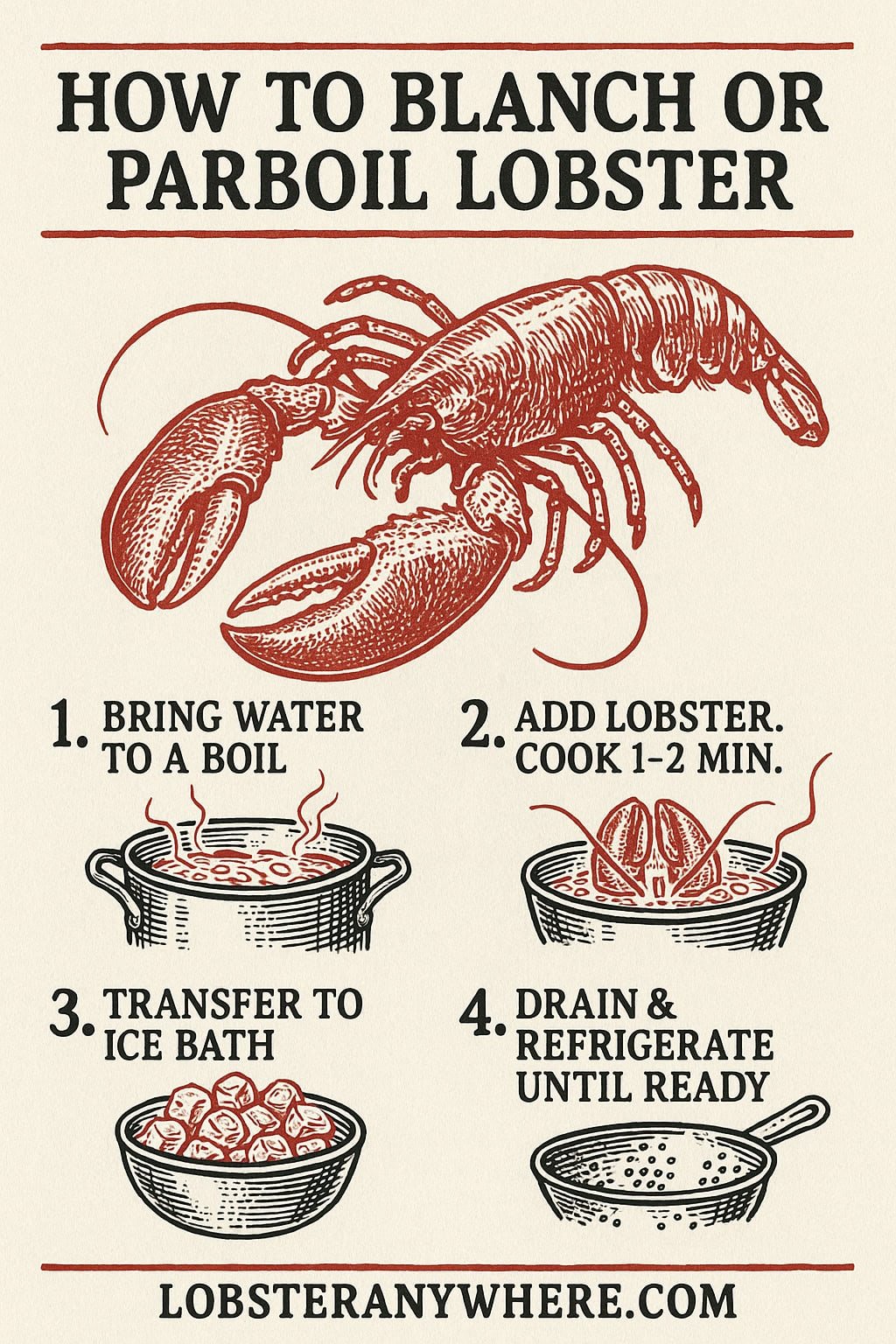
Blanching slows enzyme action that causes spoilage. Boil water and immerse lobster meat for 1-2 minutes. Then, quickly cool it in ice water. This step helps preserve color and taste before freezing.
Choosing Suitable Containers
Use containers that block air and moisture well. Airtight plastic containers or heavy-duty freezer bags work best. Remove as much air as possible to avoid freezer burn. Label containers with the date for easy tracking.
Vacuum Sealing Benefits
Vacuum sealing removes air and seals the lobster tightly. This extends freezer life and keeps meat fresh longer. Vacuum-sealed lobster meat stays tender and flavorful after thawing. It also prevents frost buildup inside the packaging.
Storage Tips
Proper storage is key to preserving the fresh taste and texture of your lobster meat after freezing. If you don’t store it correctly, you risk losing quality and flavor, which can ruin your meal. Let’s look at some essential storage tips to keep your lobster meat delicious and safe for longer periods.
Optimal Freezer Temperature
Set your freezer to a temperature of 0°F (-18°C) or lower. This temperature halts bacterial growth and keeps the lobster meat fresh for months. Temperatures above this can cause the meat to spoil faster or develop off-flavors.
Have you ever found your frozen seafood tasting dull? It might be because the freezer wasn’t cold enough. Double-check your freezer’s thermostat regularly to maintain the ideal temperature.
Labeling And Dating Packages
Always label your lobster meat packages with the date you froze them. This simple step helps you keep track of how long the meat has been stored, so you use it before it loses quality. Use waterproof markers or printed labels to avoid smudging.
Consider writing the cooking method on the label too, like “boiled” or “steamed.” This little detail saves time when planning meals and ensures you use the meat appropriately.
Avoiding Freezer Burn
Freezer burn dries out lobster meat and ruins its texture. To prevent this, wrap the meat tightly in plastic wrap or aluminum foil before placing it in a freezer bag. Remove as much air as possible from the bag to minimize exposure to cold air.
Vacuum sealing is a great option if you freeze lobster meat often. It creates an airtight environment that keeps the meat moist and flavorful. Have you tried vacuum sealing your seafood? It might be worth investing in a device for better results.

Credit: lobsteranywhere.com
Thawing Lobster Meat
Thawing lobster meat properly is key to preserving its delicate taste and texture. If you rush this process or use the wrong method, your lobster can turn rubbery or lose its rich flavor. Understanding how to thaw lobster meat safely ensures you enjoy every bite as if it were freshly cooked.
Safe Thawing Methods
One of the safest ways to thaw lobster meat is by placing it in the refrigerator overnight. This slow thawing keeps the meat at a safe temperature, preventing bacteria growth.
If you’re short on time, seal the lobster meat in a watertight plastic bag and submerge it in cold water. Change the water every 30 minutes until the meat is thawed. Avoid using warm or hot water, as it can start cooking the lobster and ruin the texture.
Microwaving is not recommended because it can unevenly heat the meat, making some parts tough while others stay frozen. Instead, patience with cold methods pays off in flavor and safety.
Maintaining Texture And Flavor
Once thawed, keep lobster meat moist by wrapping it in a damp paper towel or placing it in a sealed container. This prevents drying out, which can make the meat tough.
Consider using the lobster meat soon after thawing. The longer it sits, the more it risks losing its fresh taste. If you notice any off smells or sliminess, it’s best to discard it—quality matters more than saving leftovers.
Have you ever noticed how a slow thaw makes your lobster taste almost like you just picked it from the ocean? That’s because gentle thawing preserves the natural juices and flavor, making your dish stand out every time.
Common Mistakes To Avoid
Freezing lobster meat can save you money and time, but it’s easy to mess it up if you’re not careful. Avoiding common mistakes helps preserve that fresh, sweet flavor you love. Let’s look at some pitfalls that can ruin your frozen lobster experience.
Refreezing Issues
Refreezing lobster meat after it has thawed seriously affects its texture and taste. Each thaw and refreeze cycle causes ice crystals to form and break down the meat fibers.
Ever thawed lobster only to realize you didn’t need it all? Instead of refreezing, try cooking the leftover meat and then freezing the cooked lobster. This keeps quality intact and reduces waste.
Improper Packaging
Air exposure is the enemy of frozen lobster. If you don’t package the meat tightly, freezer burn will set in quickly, drying out the delicate lobster flesh.
Use vacuum-sealed bags or wrap the lobster in plastic wrap, then place it inside a freezer-safe zip-top bag. Squeeze out as much air as possible before sealing.
Have you ever opened freezer bags only to find icy crystals and tough meat? That’s a sign you need better packaging.
Ignoring Shelf Life
Lobster meat doesn’t last forever, even in the freezer. Most experts recommend using it within 3 months for the best flavor and texture.
Label your packages with the freezing date to keep track. Don’t wait too long to enjoy your lobster—freshness matters.
What’s the point of freezing if you forget about it until it’s no longer tasty? Plan your meals around your frozen stash to avoid waste.
Credit: maineshelledlobster.com
Frequently Asked Questions
How Long Can Lobster Meat Be Frozen Safely?
Lobster meat can be frozen safely for up to 3 months. Proper packaging prevents freezer burn and maintains freshness. Use airtight containers or vacuum-sealed bags for best results. Label with the freezing date to track storage time. Consume within this period for optimal taste and texture.
What Is The Best Way To Freeze Lobster Meat?
The best way is to first cook the lobster meat. Cool it completely, then place it in airtight containers or vacuum-sealed bags. Remove as much air as possible. Store at 0°F (-18°C) or below. This preserves flavor and texture while preventing freezer burn.
Can You Freeze Raw Lobster Meat Directly?
Freezing raw lobster meat directly is not recommended. It can lead to texture loss and freezer burn. Cooking the meat first helps retain moisture and flavor. After cooking and cooling, freeze the meat in airtight packaging for best quality and safety.
How Do You Thaw Frozen Lobster Meat Safely?
Thaw frozen lobster meat in the refrigerator overnight. Avoid thawing at room temperature to prevent bacterial growth. For quicker thawing, submerge sealed packaging in cold water. Cook the lobster meat immediately after thawing for best taste and safety.
Conclusion
Freezing lobster meat keeps it fresh for later use. Store it tightly in airtight bags or containers. Label with the date to track storage time. Freeze quickly to keep the best taste and texture. Thaw slowly in the fridge before cooking.
Enjoy delicious lobster anytime you want. Simple steps make your seafood last longer. Save money and reduce waste with proper freezing. A little care goes a long way. Keep your lobster tasty and ready to eat.