
Ever found yourself with a batch of leftover cooked sauerkraut and wondered what to do with it? You’re not alone.
This tangy, flavorful dish is a staple in many kitchens, but knowing how to store it properly can be a mystery. The big question is: Can you freeze sauerkraut after it’s been cooked? Imagine the ease of having your sauerkraut ready to go whenever you crave its unique taste.
Stick around as we unravel this culinary conundrum, giving you the confidence to make the most of your sauerkraut without wasting a bite. Your future meals might just thank you!
Freezing Basics For Sauerkraut
Freezing sauerkraut is a great way to extend its shelf life and reduce food waste. But understanding how freezing interacts with cooked sauerkraut is key to preserving its flavor and texture. Let’s explore the basics of freezing sauerkraut so you can enjoy it just as much after thawing.
How Cooking Affects Sauerkraut Texture
Cooking sauerkraut softens its crunchy texture, making it more tender and mellow. Heat breaks down the cabbage fibers, which changes how it feels when eaten. Once cooked, sauerkraut becomes less crisp and more uniform in texture.
This change means that after freezing and thawing, cooked sauerkraut won’t regain any crispness because the cell structure has already been altered. If you prefer a firmer bite, freezing raw sauerkraut might be a better option. Have you noticed how cooked cabbage dishes become softer after reheating? Sauerkraut behaves similarly.
Freezing Raw Vs. Cooked Sauerkraut
Raw sauerkraut freezes well because it retains its crunch and tang after thawing. The fermentation process preserves the cabbage, so freezing mainly pauses it without ruining texture. When thawed, raw sauerkraut can be eaten cold or cooked.
Cooked sauerkraut, on the other hand, freezes with a softer texture. Freezing doesn’t harm cooked sauerkraut’s flavor, but it may become a bit mushier after thawing. To avoid excess moisture, drain cooked sauerkraut well before freezing.
- Freeze in airtight containers or heavy-duty freezer bags to prevent freezer burn.
- Label with date and type (raw or cooked) for easy use later.
- Thaw slowly in the fridge to maintain quality.
Have you tried freezing sauerkraut either way? Which texture did you prefer after thawing? Your experience can help decide the best method for your taste.

Credit: www.simplycanning.com
Step-by-step Freezing Process
Freezing cooked sauerkraut can be a great way to preserve its tangy flavor and extend its shelf life. However, the freezing process needs care to keep the texture and taste intact. Here’s how you can freeze your cooked sauerkraut safely and effectively.
Cooling Cooked Sauerkraut Safely
Before freezing, make sure your sauerkraut is completely cooled down. Hot food placed directly in the freezer raises the temperature inside, risking other frozen items and causing uneven freezing.
Spread the sauerkraut in a shallow container or a baking sheet to cool it faster. You can even stir it occasionally to release heat more quickly. How long you leave it to cool depends on the quantity, but usually, 30 to 60 minutes works well.
Packaging Techniques To Prevent Freezer Burn
Freezer burn can dry out your sauerkraut and alter its flavor. Using airtight packaging is essential to keep it fresh.
- Use heavy-duty freezer bags or airtight containers.
- Remove as much air as possible before sealing. A vacuum sealer is perfect if you have one.
- Divide into small portions to avoid thawing more than you need.
Remember, double wrapping with plastic wrap before placing it in a freezer bag adds extra protection.
Labeling And Storage Tips
Label your packages with the date and contents. This simple step helps you track freshness and reduces food waste.
Store the sauerkraut flat in the freezer to save space and speed up thawing. Keep the freezer temperature at or below 0°F (-18°C) for best results.
Have you noticed how properly labeled and stored foods make meal prep so much easier? It’s a small habit that pays off big in the kitchen.
Thawing And Reheating Sauerkraut
Thawing and reheating cooked sauerkraut correctly can make a big difference in how enjoyable it tastes after freezing. If you rush the process or use the wrong technique, your sauerkraut might lose its tangy flavor or become mushy. Let’s look at how you can bring back that fresh, vibrant taste and texture.
Best Thawing Methods
Thawing sauerkraut slowly is key to preserving its texture and flavor. The best way is to transfer it from the freezer to the refrigerator and let it thaw overnight. This gradual thaw helps maintain its natural crunch without making it soggy.
If you’re short on time, you can thaw sauerkraut in a microwave using the defrost setting. Just be careful to check it frequently to avoid heating it unevenly or starting to cook it during thawing.
- Refrigerator thawing keeps the flavor intact.
- Microwave thawing is faster but requires close attention.
- Avoid thawing at room temperature to reduce risk of bacteria growth.
Maintaining Flavor And Texture When Reheating
Reheating sauerkraut gently helps keep its tangy flavor and slight crunch. Use a stovetop pan over low to medium heat, stirring occasionally to warm it evenly. Adding a splash of water or broth can prevent it from drying out.
Microwaving is also an option, but cover the container to trap moisture and heat in evenly. Try reheating in short bursts, stirring in between, so you don’t overcook it and lose the texture.
Have you noticed how reheated sauerkraut sometimes tastes dull? Adding a little fresh lemon juice or a pinch of caraway seeds after reheating can revive its zing. Experiment with what you add; it might surprise you how a small tweak can brighten the flavors.
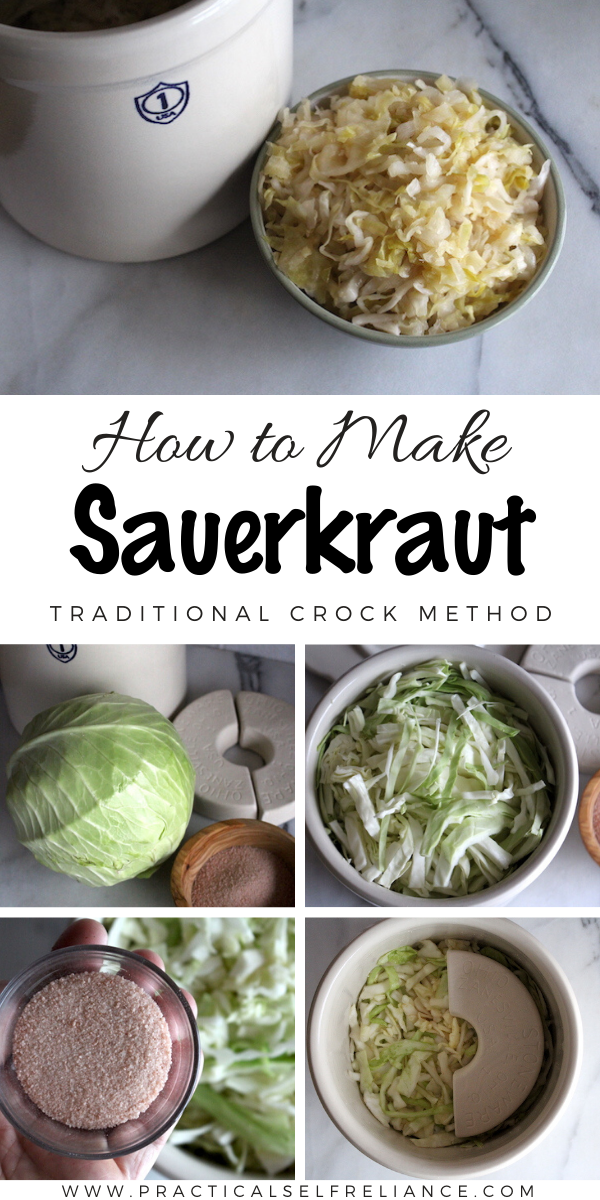
Credit: practicalselfreliance.com
Common Mistakes To Avoid
Freezing cooked sauerkraut can be a great way to extend its shelf life and enjoy it later. However, there are some common mistakes that can affect the quality and safety of your sauerkraut once frozen. Avoiding these pitfalls will help you keep your sauerkraut tasty and fresh after thawing.
Freezing Sauerkraut Too Hot
Placing hot sauerkraut directly into the freezer is a frequent error that can lead to uneven freezing and soggy texture. Hot food raises the freezer’s temperature, which may cause other items to partially thaw and refreeze. Always let your sauerkraut cool down to room temperature before freezing to maintain its quality.
Have you ever noticed ice crystals forming inside your container? That’s often because the food wasn’t cooled properly before freezing.
Using Improper Containers
The container you choose matters a lot when freezing cooked sauerkraut. Thin plastic bags or containers that aren’t airtight let in air and moisture, leading to freezer burn and off-flavors. Use heavy-duty, airtight freezer bags or glass containers with tight lids to lock in freshness.
Also, leaving too much empty space in the container can cause the sauerkraut to dry out. Fill your containers just enough to avoid air pockets.
Refreezing Sauerkraut
Refreezing thawed sauerkraut can seriously degrade its texture and taste. Each freeze-thaw cycle breaks down the cabbage fibers, making it mushy and less enjoyable. Try to freeze only the amount you plan to eat at one time to avoid refreezing.
Think about this: Would you want to eat a once-melted ice cream? Sauerkraut behaves similarly when refrozen.
Expert Recommendations
Freezing cooked sauerkraut is a common question for many home cooks. Experts offer clear advice to keep its texture and flavor intact. Following their recommendations helps maintain quality and safety.
Ideal Freezing Duration
Cooked sauerkraut should be frozen for no longer than 3 months. Beyond this, texture and taste may decline. Store it in an airtight container or freezer bag to prevent freezer burn. Label the container with the date to track freshness. Thaw it slowly in the fridge for best results.
Alternative Preservation Methods
Freezing is not the only way to preserve cooked sauerkraut. Other methods can extend its shelf life while keeping flavor strong.
- Refrigerate in a sealed jar for up to 2 weeks.
- Can sauerkraut using a water bath or pressure canner for months.
- Vacuum sealing before freezing can reduce freezer burn.
- Store in small portions for easier thawing and less waste.
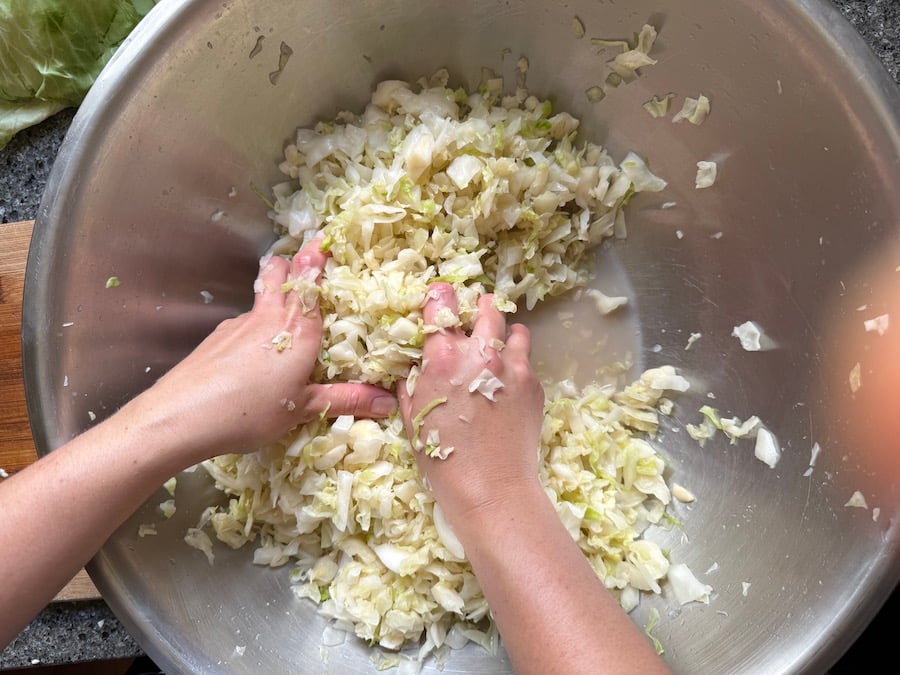
Credit: www.alyonascooking.com
Frequently Asked Questions
Can Cooked Sauerkraut Be Frozen Safely?
Yes, cooked sauerkraut freezes well. Store it in airtight containers or freezer bags. It keeps for up to 6 months.
Does Freezing Affect Cooked Sauerkraut’s Taste?
Freezing may slightly change texture but not taste. Proper storage prevents freezer burn and preserves flavor.
How To Thaw Frozen Cooked Sauerkraut?
Thaw in the refrigerator overnight or reheat directly from frozen. Avoid rapid thawing for best texture.
Can You Refreeze Thawed Cooked Sauerkraut?
Refreezing is not recommended as it lowers quality. Consume thawed sauerkraut within 3 days for safety.
Conclusion
Cooked sauerkraut freezes well and keeps its flavor. Store it in airtight containers to avoid freezer burn. Thaw it slowly in the fridge for best taste. You can reheat it easily for quick meals. Freezing helps reduce food waste and saves time.
Enjoy your sauerkraut without worrying about spoilage. Simple steps keep your cooked sauerkraut fresh and tasty. Give freezing a try and see how it works for you.