Imagine waking up on a chilly winter morning, ready for a hot shower, only to find that your well pump has frozen solid. It’s a scenario that can leave you frustrated and scrambling for solutions.
But what if you could prevent this headache altogether? You can ensure your well pump keeps running smoothly all winter long by taking some simple preventative steps. In this guide, you’ll discover practical tips to keep your well pump from freezing, saving you time, money, and stress.
Dive in, and learn how to safeguard your water supply against the harshest cold spells. Your peace of mind is just a few steps away.
Causes Of Well Pump Freezing
Understanding why your well pump freezes is key to preventing damage and costly repairs. Several factors contribute to freezing, especially in colder climates. Let’s break down the main causes so you can better protect your water supply system.
Cold Weather Effects
Freezing temperatures cause water inside the pump and pipes to expand. This expansion can crack pipes or damage the pump’s internal parts. Even a brief cold snap can lead to ice formation if the pump isn’t properly insulated or heated.
Wind chill can make the temperature around your well pump feel much colder than the actual air temperature. This effect strips away any natural warmth, increasing the risk of freezing. Have you ever noticed how a windy day feels colder on your skin? Your pump experiences the same harsh conditions.
Common Vulnerable Areas
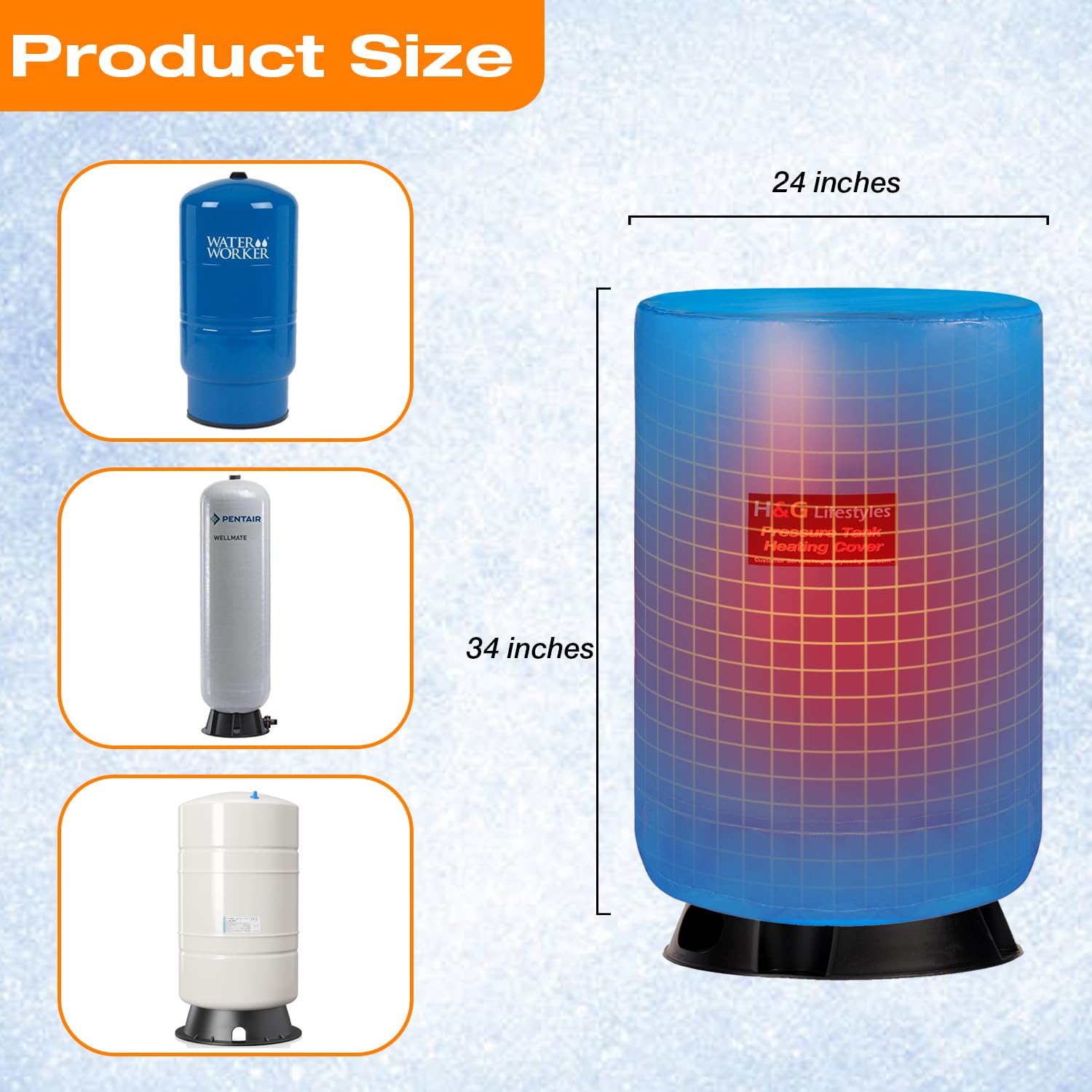
Some parts of your well system are more likely to freeze than others. The pressure tank, exposed pipes, and the pitless adapter are common weak spots. These areas often lack sufficient insulation or heat sources.
Outdoor components are particularly at risk because they face direct exposure to cold air and wind. Inside your well house or basement, pipes near unheated walls can also freeze during extreme weather. Checking these vulnerable spots regularly can save you from unexpected breakdowns.
Signs Your Well Pump Is Freezing
Knowing the signs that your well pump is freezing can save you from costly repairs and water supply interruptions. Early detection helps you act quickly before the problem worsens. Pay close attention to changes in your pump’s performance and sounds—these clues tell you when freezing might be happening.
Reduced Water Flow
If you notice your water pressure dropping or the flow slowing down, it could mean ice is blocking the pipes or pump parts. This restriction reduces the amount of water reaching your taps.
Think about the last winter when your shower suddenly felt weak. Could frozen sections be the culprit? Checking water flow regularly during cold spells helps you spot issues fast.
Strange Noises
Listen closely when your pump runs. Unusual sounds like grinding, rattling, or high-pitched squeals often indicate ice buildup inside the pump housing or pipes.
These noises happen because ice interferes with moving parts, causing friction or strain. If your pump starts sounding different, don’t ignore it—investigate immediately.
Pump Failure
Your pump might stop working entirely if freezing causes internal damage or electrical problems. This sudden failure cuts off your water supply and requires urgent attention.
Have you ever experienced a pump that just wouldn’t start on a freezing morning? That’s a clear signal your equipment needs inspection for freezing or mechanical damage.
Insulation Techniques
Keeping your well pump from freezing is crucial, especially during harsh winters. Insulation techniques provide a reliable way to protect both the pipes and the pump housing from cold temperatures. These methods help maintain the system’s efficiency and prevent costly repairs.
Pipe Insulation Options
Insulating your pipes is the first line of defense against freezing. You can choose from foam pipe sleeves, fiberglass wrap, or rubber insulation tubes. Foam sleeves are easy to install and offer good protection for exposed pipes.
Fiberglass wrap is best for pipes that experience extreme cold, as it provides an extra layer of warmth. Rubber insulation tubes are flexible and durable, making them ideal for pipes that might move or vibrate.
- Measure your pipe diameter before purchasing insulation to ensure a snug fit.
- Seal all joints with weather-resistant tape to prevent cold air from entering.
- Consider adding heat tape under the insulation for extra protection in freezing climates.
Have you checked your pipes recently to see if any insulation is worn or missing? Small gaps can cause big problems in winter.
Pump Housing Insulation
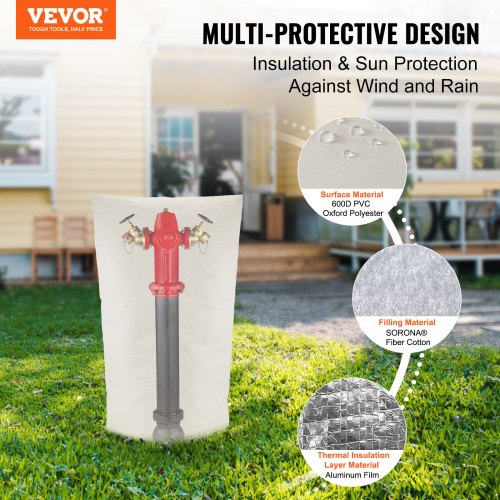
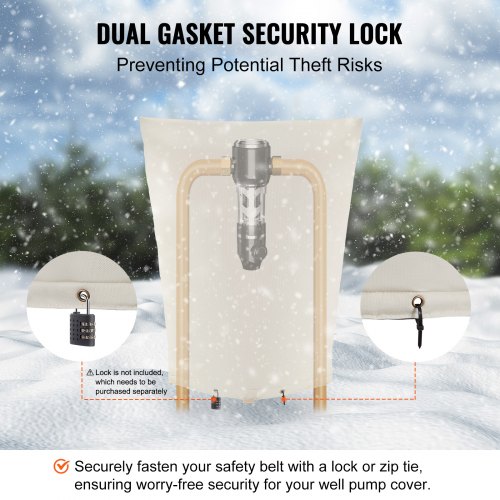
The pump housing is often overlooked, but it needs insulation just like the pipes. You can wrap the housing with foam board insulation or use an insulated pump cover designed specifically for this purpose.
Foam board insulation is easy to cut and shape around the pump, creating a tight barrier against the cold. Insulated pump covers often have adjustable straps and weatherproof materials to shield the pump from wind and moisture.
- Ensure any electrical components remain accessible for maintenance while insulating.
- Check for gaps or cracks in the housing before applying insulation to improve effectiveness.
- In extremely cold areas, adding a small heat source inside the housing can prevent freezing.
Think about your last winter—did your pump ever feel colder than it should? Insulating the housing can make a noticeable difference in performance and reliability.
Credit: www.vevor.ca
Heating Solutions
Keeping your well pump from freezing is crucial, especially during harsh winter months. Heating solutions provide a reliable way to maintain the temperature around the pump and prevent costly damage. Choosing the right heating method depends on your setup, budget, and how cold your climate gets.
Heat Tape And Cables
Heat tape and cables are among the most popular options for protecting well pumps from freezing. These electric heating elements wrap around the pipes or pump housing, delivering consistent warmth to prevent ice formation.
You can find heat tapes with built-in thermostats that turn on only when temperatures drop below a certain point. This feature helps save energy and reduces the risk of overheating. Installation is usually straightforward, but make sure to follow the manufacturer’s instructions carefully to avoid fire hazards.
Have you checked if your heat tape has damage or wear? Old or frayed heat tape loses effectiveness and can become a safety issue.
Space Heaters And Heat Lamps
Space heaters and heat lamps offer a more flexible heating solution for well pumps housed in larger or enclosed spaces. You can position them to direct warmth exactly where it’s needed most.
Make sure to use models rated for outdoor or damp locations to prevent electrical hazards. Also, keep a safe distance between the heater and any flammable materials around the pump.
Using a thermostat-controlled space heater can help maintain steady temperatures without wasting energy. Have you thought about adding a timer to your heater? It can reduce power use by running only during the coldest hours.
Water Flow Management
Water flow management plays a key role in stopping a well pump from freezing. Moving water resists freezing better than still water. Small tricks can keep water flowing just enough to protect pipes and pumps during cold weather. These actions cost little and prevent costly repairs later.
Dripping Faucets
Letting a faucet drip keeps water moving in the pipes. This slow flow stops water from freezing inside the pump and pipes. Even a small drip can help during freezing nights. Make sure the drip is steady and not just occasional.
Choose a faucet far from the pump to encourage water movement through the system. Use cold water, as hot water can cause pipes to crack if it cools too fast. Check the drip regularly to keep it consistent.
Maintaining Water Movement
Running water creates friction inside pipes, which produces slight heat. This heat is enough to prevent freezing in many cases. Avoid turning off the pump or water supply during cold spells.
Consider installing a recirculation pump for constant water flow. Insulate exposed pipes to help keep the heat inside. If you leave the house, keep water moving by setting timers on pumps or faucets.
Credit: www.amazon.ca
Installing Protective Enclosures
Installing protective enclosures is vital to keep your well pump safe from freezing. These enclosures shield the pump from harsh winter weather and reduce heat loss. Properly designed enclosures create a warmer environment around the pump, preventing ice buildup and damage.
Choosing the right type of enclosure depends on your climate and pump size. The enclosure should be sturdy, insulated, and easy to access for maintenance. Let’s explore key elements for effective protective enclosures.
Pump House Construction
Building a pump house provides excellent protection for your well pump. Use durable materials like wood or metal to create a solid structure. The house should be large enough to hold the pump and any insulation materials.
Insulate the walls, floor, and ceiling to keep cold air out. Use foam boards or fiberglass insulation. Raise the pump house slightly above ground to avoid water damage from melting snow.
- Choose weather-resistant materials for long-lasting protection
- Include a hinged door for easy pump access
- Seal gaps to block drafts and moisture
Sealing And Ventilation
Sealing the enclosure tightly prevents cold air from entering. Use weather stripping around doors and windows. Apply caulk to seal cracks and holes.
Ventilation is also crucial. Without airflow, moisture builds up and causes condensation. Install small vents near the top and bottom of the enclosure. Cover vents with screens to keep pests out.
- Seal all openings but allow controlled airflow
- Use insulated vents to reduce heat loss
- Check vents regularly for blockages or damage
Proper sealing combined with ventilation creates a balanced environment. This approach keeps the pump warm and dry during freezing temperatures.
Regular Maintenance Tips
Keeping your well pump from freezing requires consistent attention and care. Regular maintenance helps you spot potential problems early and saves you from costly repairs. Let’s look at some practical tips to keep your system running smoothly through the cold months.
Seasonal Inspections
Inspect your well pump at the start of each season, especially before winter arrives. Check the pump housing and surrounding pipes for any signs of wear or damage. You might discover cracks or weak spots that could let cold air in.
Don’t forget to verify the insulation around your pump and pipes. Adding extra insulation where needed can prevent freezing. Have you noticed any areas where frost tends to form? Those spots deserve special attention.
Checking For Leaks
Leaks are silent troublemakers. Even a small drip can lead to freezing and damage over time. Examine all joints and connections carefully for moisture or water stains.
Test your system by running water and observing if any unexpected wet spots appear. Fixing leaks early keeps your pump dry and less vulnerable to freezing. What’s your current approach to leak detection? Small changes can make a big difference.
Emergency Measures For Frozen Pumps
Frozen well pumps can cause major water supply problems. Acting fast is crucial to avoid damage. Emergency measures help restore pump function safely. Knowing how to handle frozen pumps prevents costly repairs and long water outages.
Thawing Methods
Start thawing the pump gently to avoid cracks. Use a hairdryer or heat gun on low heat. Move the heat source evenly around the frozen areas.
Never use open flames or high heat sources. These can damage the pump and pipes. Wrap the pump with warm towels soaked in hot water. Replace towels frequently to keep warmth steady.
Keep the area around the pump insulated during thawing. This helps maintain the heat and speeds the process. Allow water to drip as the ice melts to prevent pressure buildup.
When To Call A Professional
Contact a professional if the pump remains frozen after thawing attempts. Strange noises or leaks signal serious damage. Professionals have tools and skills to fix and prevent future freezing.
Do not try to force the pump to work if frozen. It may cause permanent damage. Experts can inspect the entire system and suggest proper insulation or heating options.

Credit: www.qwet.net
Frequently Asked Questions
How Can I Prevent My Well Pump From Freezing?
Insulate the pump and pipes using foam sleeves or heat tape. Maintain consistent water flow to keep water moving and prevent freezing. Consider installing a pump house or enclosure for added protection against cold weather.
What Materials Help Insulate A Well Pump Effectively?
Use foam pipe insulation, heat tape, or fiberglass wraps. These materials provide excellent thermal protection. Proper insulation reduces heat loss and shields the pump from harsh winter temperatures, preventing freezing and damage.
When Should I Winterize My Well Pump?
Winterize your well pump before temperatures consistently drop below freezing. Early preparation ensures pipes and equipment stay protected. This timing helps avoid costly repairs and water supply interruptions during winter months.
Can Running Water Prevent My Well Pump From Freezing?
Yes, running a small stream of water keeps pipes from freezing. Moving water resists freezing better than stagnant water. This simple method helps protect your well pump during cold spells.
Conclusion
Keeping your well pump from freezing protects your water supply. Use insulation and heat tape to keep it warm. Check pipes regularly for cracks or leaks. Drain outdoor pipes before winter starts. Simple steps can save costly repairs later. Stay prepared and keep water flowing all winter.
Small efforts prevent big problems. Don’t wait until freezing weather arrives. Act now to protect your well pump.