Imagine waking up on a crisp winter morning, ready to tackle the day, only to discover that your plumbing system is acting up. The culprit?
A frozen leach field. If you’re a homeowner, especially in colder regions, this scenario might sound all too familiar. The question, “Can a leach field freeze? ” Isn’t just a passing concern; it’s a pressing issue that could impact your daily life and your home’s health.
By understanding what causes a leach field to freeze, you can take proactive steps to prevent it. And if the freeze has already occurred, knowing how to address it can save you time, money, and stress. You’re not alone in this; many homeowners face similar challenges during the winter months. So, let’s dive into the causes, the risks, and most importantly, the solutions to ensure your leach field remains functional, no matter how low the temperature drops. Stay with us to arm yourself with the knowledge and tools you need to protect your home and maintain peace of mind.

Credit: www.septiccheck.com
Leach Field Basics
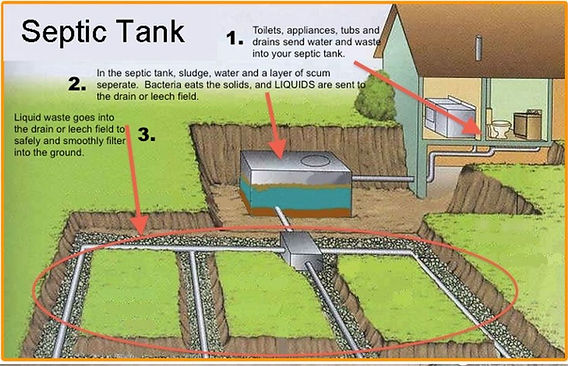
Understanding the basics of a leach field is key to managing your septic system effectively. A leach field, also known as a drain field, plays a crucial role in wastewater treatment. Knowing how it works and what it’s made of can help you prevent costly problems, especially in colder climates.
Purpose And Function
The leach field’s main job is to safely disperse wastewater from your septic tank into the ground. It uses a network of perforated pipes buried in trenches filled with gravel or other materials. As wastewater flows through these pipes, it slowly seeps into the surrounding soil, where natural processes break down harmful bacteria and nutrients.
Have you ever wondered why your leach field needs regular maintenance? It’s because soil absorption is a delicate balance. If the ground becomes saturated or frozen, the system can back up, causing damage and unpleasant odors.
Common Materials Used
Leach fields are usually made from materials designed to help water flow easily and encourage natural filtration. Common materials include:
- Perforated PVC or ABS pipes:These allow wastewater to drip out evenly along the trenches.
- Gravel or crushed stone:Placed around the pipes to create space for water to spread and filter.
- Geotextile fabric:Sometimes used to prevent soil from clogging the gravel and pipes.
In some newer systems, plastic chambers replace gravel, making installation faster and reducing the risk of clogging. Choosing the right materials depends on your soil type, local regulations, and climate conditions.
Causes Of Leach Field Freezing
Understanding the causes of leach field freezing is key to preventing costly repairs and maintaining your septic system’s efficiency. Freezing happens when conditions allow water within the leach field to solidify, blocking the flow and disrupting the system’s function. Let’s look at what exactly triggers this problem so you can better protect your property.
Cold Weather Impact
Freezing temperatures are the most obvious cause. When the ground temperature drops below freezing for extended periods, the moisture in the soil and pipes can turn to ice.
Areas with long, harsh winters are especially vulnerable. Even if your leach field is buried deep, prolonged cold spells can penetrate the soil and cause freezing.
Have you noticed your septic system acting up right after a cold snap? That’s a strong signal that freezing might be the culprit.
Soil And Drainage Factors
The type of soil around your leach field plays a big role. Clay soils hold water tightly and drain poorly, making them more likely to freeze because water stays close to the surface longer.
Sandy or well-drained soils let water move away quickly, reducing freeze risk. Poor drainage keeps the soil saturated, increasing the chance of ice forming.
Think about your yard’s layout and drainage patterns—do you see water pooling near the leach field? That stagnant water can freeze and cause serious blockages.
- Heavy rainfall or snowmelt can saturate the soil, elevating freeze risk.
- Shaded areas might stay colder longer, increasing freezing chances.
- Compacted soil reduces air circulation, trapping moisture and cold.
Signs Of A Frozen Leach Field
Recognizing the signs of a frozen leach field is important to prevent costly damage. A leach field can freeze during cold weather, causing serious problems. Early detection helps you act quickly and avoid system failure. Watch for subtle hints that your leach field might be frozen.
Slow Drains And Backups
Water may drain slowly from sinks, tubs, and toilets. Toilets can take longer to flush fully. Showers might drain at a snail’s pace. These slow drains occur because wastewater cannot flow into the frozen soil. A frozen leach field blocks the absorption process, causing wastewater to back up. Backups often appear in low spots or basement drains.
Unusual Odors And Wet Spots
Strange smells near your septic area can signal trouble. Sewage odors might come from the ground or vents. Wet spots or puddles may appear on the leach field surface. These spots stay wet even in cold weather. The frozen soil stops water from soaking in, causing pooling. Wet areas may be colder or have dead grass around them.
Preventing Leach Field Freeze
Preventing your leach field from freezing is essential to keep your septic system working smoothly during the cold months. Freeze-ups can cause backups and costly repairs, but there are clear steps you can take to protect your system. Understanding and applying simple prevention methods can save you both time and money.
Proper Insulation Techniques
Adding insulation over your leach field helps trap heat in the soil and prevents freezing. You can use straw, mulch, or even foam boards to cover the area. A 6 to 12-inch layer of mulch acts as a natural barrier against cold air and wind.
Think about how your garden stays warmer with mulch in winter—that same principle works here. Avoid compacting the soil above the field, as air pockets help maintain warmth. Have you checked if your leach field has enough natural insulation yet?
Managing Water Usage
Using water wisely during winter can keep your leach field active and warm. Frequent, smaller amounts of water help maintain flow and prevent stagnation, which reduces freezing risk. Avoid letting your system sit idle for long periods in freezing temperatures.
Try running water regularly, even if minimally, to keep the system moving. Have you noticed a difference in your septic’s performance when you adjust your water habits in winter?
Maintaining Soil Cover
Keeping a healthy layer of soil and vegetation on top of your leach field is crucial. Grass or ground cover plants provide insulation and protect the soil from frost penetration. Bare soil freezes faster, so maintain a thick cover to shield the area.
Resist the urge to walk or drive over the leach field when it’s cold; compacted soil loses insulating air pockets. What types of ground cover grow best in your climate to protect your septic system?
Repairing A Frozen Leach Field
Repairing a frozen leach field requires careful attention to avoid further damage. The frozen ground can block wastewater flow, causing backups and system failure. Acting quickly helps protect your septic system and home.
Thawing Methods
Thawing a frozen leach field can restore proper function. You can try these safe methods:
- Use warm water: Slowly pour warm water over the frozen area to melt the ice.
- Apply heat lamps: Position heat lamps above the frozen ground to raise the temperature.
- Cover with insulation: Use blankets or straw to trap heat and speed thawing.
- Use soil warmers: Electric soil warming cables can gently heat the ground.
Do not dig or use sharp tools to break the ice. This can damage the pipes and soil.
When To Call A Professional
Some situations require expert help. Contact a septic professional if:
- The frozen area is large or deep.
- Water or sewage is backing up into your home.
- You notice foul odors around the leach field.
- You are unsure about safe thawing methods.
Professionals have the right tools and knowledge to fix frozen systems safely. They can also check for hidden damage and prevent future problems.
Credit: septechcanada.com
Seasonal Maintenance Tips
Seasonal maintenance plays a crucial role in preventing your leach field from freezing. Taking timely and specific actions can keep the system functioning smoothly through cold months. Let’s look at practical tips you can apply to protect your leach field during fall and winter.
Fall Preparations
Before the first frost hits, clear any debris like leaves and branches from the area around your leach field. This helps ensure proper drainage and prevents excess moisture buildup that could freeze.
Consider adding a layer of mulch or straw over the field. This natural insulation keeps the ground temperature more stable and reduces the risk of freezing.
Have you checked for any leaks or slow drainage spots? Fixing these before winter keeps water flowing and avoids ice blockages that damage the system.
Winter Monitoring
During winter, regularly inspect the leach field for signs of ice or frost damage. Pay attention after heavy snowfall or freeze-thaw cycles.
Try to avoid driving or parking heavy vehicles over the field. Compacted snow and frozen soil can crush the pipes beneath and disrupt wastewater flow.
If you notice pooling water or unusual smells, act quickly. These can be warning signs that the system is freezing or backing up.

Credit: ecostrong.com
Frequently Asked Questions
Can A Leach Field Freeze In Winter?
Yes, a leach field can freeze if not properly insulated. Freezing blocks wastewater flow, causing backups and damage. Proper soil coverage and drainage help prevent freezing issues.
How To Prevent Leach Field Freezing?
Prevent freezing by maintaining good soil insulation and moisture levels. Avoid heavy traffic on the field and keep vegetation healthy. Adding mulch or snow cover also protects the field from frost.
What Are Signs Of A Frozen Leach Field?
Signs include slow drainage, sewage odors, and soggy ground near the field. You may notice backups in toilets and drains. Early detection helps avoid costly repairs.
Does Freezing Damage Leach Field Pipes?
Freezing can crack or damage leach field pipes, leading to leaks. Proper installation below the frost line reduces this risk. Timely maintenance minimizes freeze-related damage.
Conclusion
Leach fields can freeze in cold weather, causing problems. Proper care helps prevent freezing and damage. Keep water flowing by using your system regularly. Insulate pipes and the field to protect from cold. Watch for signs of freezing, like slow drains or odors.
Acting early can save time and money. Stay alert during winter months to keep your system healthy. Simple steps make a big difference in avoiding freeze issues. Protect your leach field to ensure it works well year-round.