Imagine you’re driving, and suddenly, your car’s check engine light flickers on. Your heart skips a beat, and questions flood your mind.
What went wrong? Is it serious? Enter freeze frame data—a powerful tool that can help demystify what’s happening under the hood of your vehicle. But what exactly is freeze frame data, and why should you care? We’ll unravel the secrets behind this diagnostic feature and show you how it can save you time, money, and stress.
Get ready to unlock the insights that could transform your car maintenance experience.
Freeze Frame Data Basics
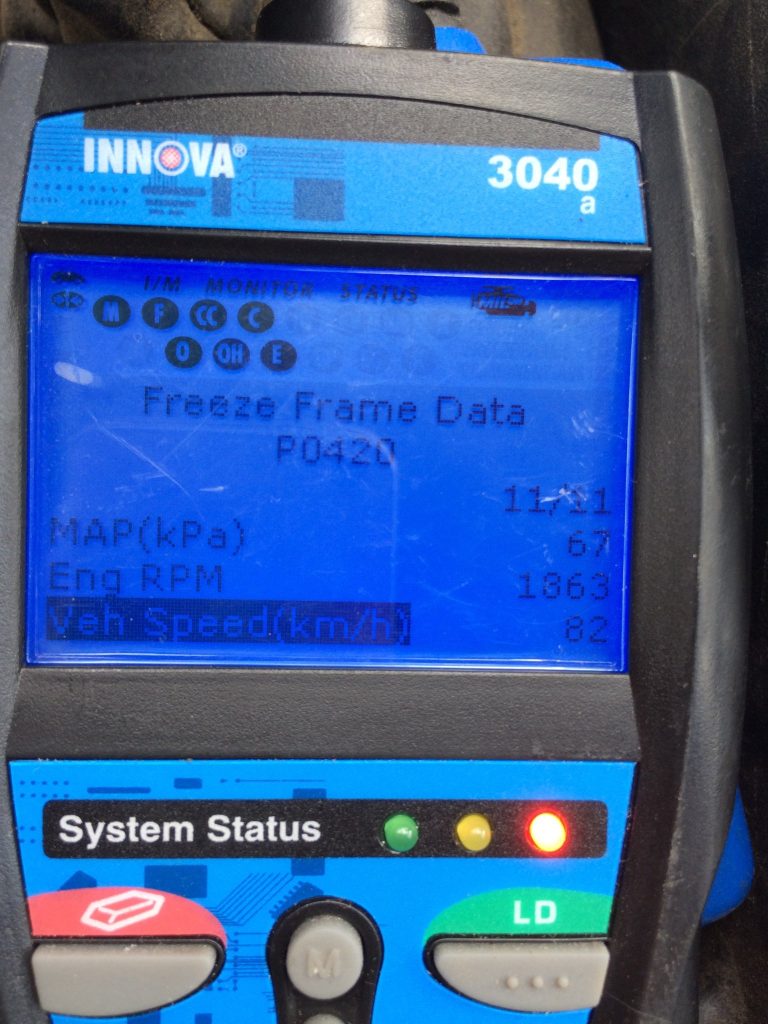
Freeze frame data is a snapshot of a vehicle’s condition at the time a problem occurs. It helps mechanics understand issues quickly. This data is stored by the vehicle’s computer system during an error. Understanding freeze frame data basics is key to accurate vehicle diagnostics.
What Freeze Frame Data Captures
Freeze frame data records important details about the vehicle’s state when a fault happens. It captures:
- Engine speed
- Vehicle speed
- Fuel system status
- Engine load
- Coolant temperature
- Throttle position
- Oxygen sensor readings
This information gives a clear picture of conditions at the exact moment of failure.
How Freeze Frame Data Works
The vehicle’s onboard computer detects a fault and saves the freeze frame data. It stores this snapshot in memory for future access. Mechanics use a scan tool to read the data. The data shows what happened before and during the fault event. This helps pinpoint the root cause quickly and accurately.
Importance In Vehicle Diagnostics
Freeze frame data improves diagnostic accuracy. It reduces guesswork by showing exact conditions during the fault. Mechanics can compare normal and fault states easily. This helps in faster repairs and avoids unnecessary part replacements. It also helps track intermittent problems that are hard to reproduce. Overall, freeze frame data saves time and money in vehicle repair.
Credit: www.odyclub.com
Sources Of Freeze Frame Data
Freeze frame data is a snapshot of your vehicle’s condition at the exact moment a problem occurs. Understanding where this data comes from helps you grasp how mechanics diagnose issues quickly and accurately. This data doesn’t appear out of nowhere—it’s collected from various sources within your car’s complex system.
Onboard Diagnostic Systems
Your vehicle’s onboard diagnostic system, commonly known as OBD, plays a key role in capturing freeze frame data. When your car detects a fault, the OBD system stores information about engine speed, coolant temperature, and other parameters right at that moment.
Think about a time when your check engine light came on unexpectedly. The OBD system had already saved vital data that mechanics used to pinpoint the problem without guessing. This system continuously monitors your car’s health, making it easier to catch issues early.
Sensors And Modules Involved
Freeze frame data depends on a network of sensors and control modules scattered throughout your vehicle. These sensors track everything from oxygen levels in the exhaust to the position of your throttle.
Each sensor sends real-time data to the engine control module (ECM). When a fault happens, the ECM freezes this data to help identify what caused the issue. Without these sensors and modules, you’d be driving blind to potential problems.
- Mass Air Flow Sensor:Measures air entering the engine.
- Oxygen Sensor:Monitors exhaust gases for fuel efficiency.
- Throttle Position Sensor:Tracks how much you press the gas pedal.
- Engine Coolant Temperature Sensor:Detects engine temperature to prevent overheating.
Have you ever wondered how your car seems to “remember” what went wrong before it even breaks down? The answer lies in these sensors and modules working together to provide that crucial freeze frame data.
Reading Freeze Frame Data
Reading freeze frame data reveals vital information about a vehicle’s condition during a fault. This data captures a snapshot of sensor readings and system status at the exact time a trouble code triggers. Understanding this data helps diagnose issues faster and more accurately.
Accessing The Data
Freeze frame data is stored in the vehicle’s onboard computer. Access requires an OBD-II scanner or diagnostic tool. Connect the tool to the vehicle’s diagnostic port, usually under the dashboard. Follow the tool’s prompts to retrieve freeze frame data linked to fault codes. Some vehicles may store multiple freeze frames for different events.
Interpreting Key Parameters
Freeze frame data includes key parameters like engine speed, coolant temperature, and throttle position. These values show the engine’s state when the error occurred. Look for unusual readings that differ from normal operation ranges. For example, high temperature or low voltage can indicate specific problems. Understanding these values helps pinpoint the root cause.
Common Tools And Software
Various tools can read and display freeze frame data clearly. Popular OBD-II scanners include handheld devices and smartphone apps. Many tools offer detailed reports and graphs for easier analysis. Software like Torque, OBDLink, and ScanMaster provides user-friendly interfaces. Choose tools compatible with your vehicle make and model for best results.
Credit: www.355nation.net
Applications In Vehicle Repair
Freeze frame data plays a crucial role in vehicle repair. It captures information about the engine’s condition at the exact moment a fault occurs. This snapshot helps mechanics understand problems clearly and quickly. Repair work becomes more focused and effective. Here are some key uses of freeze frame data in vehicle repair.
Troubleshooting Engine Issues
Freeze frame data shows engine details during a fault. It reveals factors like speed, temperature, and sensor readings. This helps identify what caused the engine problem. Mechanics can spot issues that are not obvious during regular checks. It saves time and prevents guesswork in repairs.
Preventing Recurring Problems
Freeze frame data records the exact conditions when a fault happens. This information helps find the root cause of recurring issues. Mechanics can fix the underlying problem instead of just the symptoms. This reduces repeat visits to the repair shop and improves vehicle reliability.
Enhancing Repair Accuracy
Using freeze frame data ensures repairs target the real problem. It provides precise engine data that guides the repair process. This leads to accurate part replacements and adjustments. Repair accuracy improves, which extends vehicle life and performance.
Freeze Frame Data And Safety
Freeze frame data plays a crucial role in vehicle safety by capturing a snapshot of the car’s status at the exact moment a fault occurs. This data helps mechanics and safety experts understand the conditions leading to an issue, making it easier to pinpoint problems quickly. Understanding how freeze frame data supports safety can change the way you approach vehicle maintenance and repairs.
Detecting Critical Faults
Freeze frame data records vital information such as engine speed, temperature, and sensor readings right when a fault is detected. This snapshot allows technicians to identify critical faults that may not be obvious during a regular inspection. Have you ever wondered why some car issues seem to disappear by the time you visit the mechanic? Freeze frame data prevents that by preserving the exact conditions of the fault.
Without this data, diagnosing intermittent problems becomes a guessing game. With it, you get detailed clues about what went wrong, helping you address safety risks before they escalate. This can be the difference between a minor repair and a major accident.
Supporting Recall Decisions
Manufacturers rely on freeze frame data when deciding whether to issue recalls. This data provides concrete evidence about specific faults affecting multiple vehicles under certain conditions. You might not realize it, but every recall notice you receive often starts with detailed freeze frame analysis.
When patterns emerge from this data across many vehicles, companies can act swiftly to fix widespread safety concerns. This not only protects drivers but can also save lives. Imagine how many accidents could be prevented if freeze frame data weren’t available to catch these issues early.
Future Of Freeze Frame Data
The future of freeze frame data holds great promise for vehicle diagnostics and safety. This data captures vital moments before and after an incident, helping mechanics and drivers understand what happened. As technology advances, freeze frame data will become more detailed and easier to access. It will play a bigger role in preventing accidents and improving vehicle performance.
Integration With Telematics
Freeze frame data will connect with telematics systems in vehicles. Telematics collects real-time information like speed, location, and engine status. Combining this with freeze frame data creates a full picture of vehicle health and driver behavior. Fleet managers can monitor vehicles remotely and react faster to issues. This integration supports better maintenance and safer driving practices.
Advances In Data Analytics
Data analytics tools will analyze freeze frame data more deeply. Patterns and trends become easier to spot with smart software. These insights help predict failures before they happen. Machine learning can improve the accuracy of diagnoses from freeze frame data. This means quicker repairs and less downtime for vehicles. Analytics also aid in developing better safety features for future cars.
Credit: www.rubiconownersforum.com
Frequently Asked Questions
What Is Freeze Frame Data In Vehicles?
Freeze frame data captures the exact vehicle conditions during a fault. It helps diagnose issues by recording engine parameters at the error moment.
How Does Freeze Frame Data Help In Diagnostics?
It provides a snapshot of engine stats during a malfunction. This data aids mechanics in pinpointing problems quickly and accurately.
Where Is Freeze Frame Data Stored?
Freeze frame data is stored in a vehicle’s onboard computer memory. It remains until cleared or overwritten by new data.
Can Freeze Frame Data Be Accessed By Car Owners?
Yes, with an OBD-II scanner, car owners can access freeze frame data. It helps them understand and communicate vehicle issues effectively.
Conclusion
Freeze Frame Data helps analyze and improve sports performance. It shows detailed player stats and game moments. Coaches and fans use it to understand the game better. This data brings clarity to complex plays. It supports smarter decisions on and off the field.
Knowing what Freeze Frame Data offers can boost your sports knowledge. Simple, clear, and useful – that’s its main strength. Keep exploring to see how it changes sports analysis.