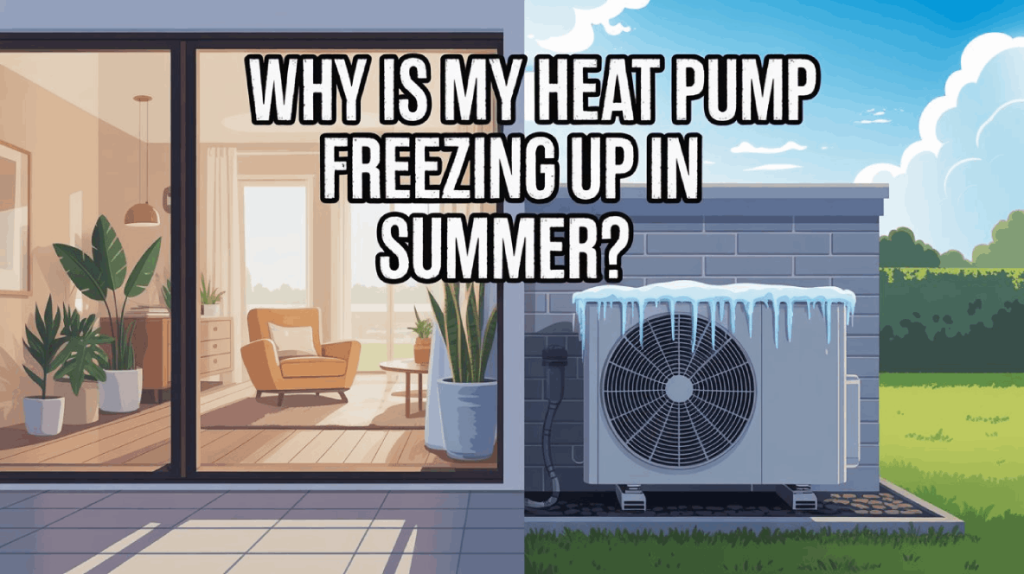
Have you ever noticed your heat pump covered in ice and wondered why it’s freezing up? It’s frustrating when your heating system doesn’t work the way it should, especially when you need it most.
Understanding why your heat pump freezes up can save you time, money, and discomfort. You’ll discover the common reasons behind this problem and simple steps you can take to fix it. Keep reading to protect your home and stay warm all winter long.

Credit: www.reddit.com
Common Reasons For Heat Pump Freezing
Heat pumps can freeze up for several common reasons. Understanding these causes helps prevent damage and keeps your system working efficiently. A frozen heat pump lowers heating performance and increases energy bills. Identifying the root cause early saves time and money on repairs.
Low Refrigerant Levels
Refrigerant absorbs heat from outside air. Low levels cause the coil to get too cold and freeze. Leaks or improper charging often cause low refrigerant. This issue reduces heat transfer and causes ice buildup.
Dirty Air Filters
Clogged filters block airflow over the coil. Without enough air, the coil temperature drops below freezing. Dirt and dust buildup also reduce system efficiency. Replacing or cleaning filters regularly prevents freezing and improves air quality.
Blocked Airflow
Obstructions around vents or registers limit air movement. Outdoor unit blockage from debris or snow also restricts airflow. Poor airflow leads to coil freezing because warm air cannot circulate properly. Clearing blockages keeps your heat pump running smoothly.
Faulty Defrost Cycle
The defrost cycle melts ice on the outdoor coil. A malfunctioning defrost control or sensor stops this process. Ice accumulates, causing the heat pump to freeze. Regular maintenance ensures the defrost cycle works correctly.
Outdoor Temperature Effects
Very cold weather makes freezing more likely. Heat pumps struggle to extract heat from freezing air. Frost can build quickly on the coils in low temperatures. Some models have limits on how well they work in extreme cold.
Signs Your Heat Pump Is Frozen
Recognizing the signs that your heat pump is frozen can save you from costly repairs and uncomfortable cold days. A frozen heat pump often struggles to keep your home warm, but the warning signs are usually visible if you know what to look for. Paying attention to these signals early on can help you act quickly and avoid prolonged downtime.
Ice On The Outdoor Unit
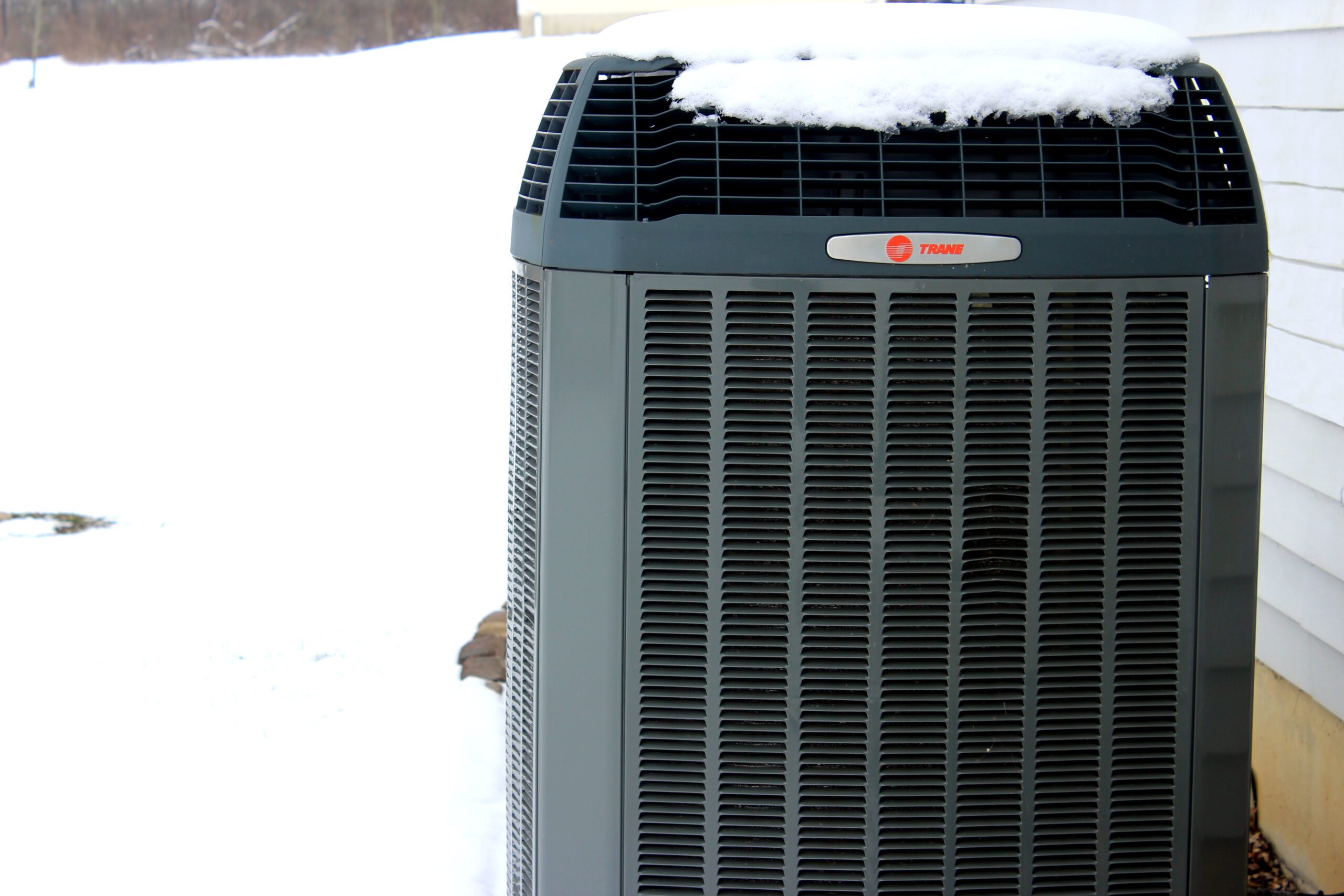
One of the most obvious signs of a frozen heat pump is visible ice buildup on the outdoor unit. If you notice thick layers of ice or frost covering the coils, fan blades, or other components, it’s a clear indicator the system is struggling. Ice can block airflow and stop the heat exchange process, making your heat pump less effective.
I once saw a neighbor’s unit completely encased in ice, which caused their heating bill to skyrocket. Don’t let it get that far—regularly check your outdoor unit during cold weather.
Reduced Heating Efficiency
Have you felt your home isn’t warming up like it used to, even though the heat pump is running? That drop in heating efficiency is a common sign of freezing issues. A frozen heat pump can’t transfer heat properly, so your indoor temperature stays lower than expected.
Track your energy usage and indoor comfort levels closely. If your heat pump is working overtime but your house remains chilly, it’s time to inspect the system for ice buildup or other freezing problems.
Unusual Noises
Listen carefully when your heat pump is running. Frozen parts can cause the system to make strange noises like grinding, rattling, or squealing. These sounds often come from the fan struggling to spin through ice or the compressor under strain.
Ignoring these noises might worsen the freeze-up or cause permanent damage. If you hear anything unusual, turn off the system and check for ice immediately.
Quick Fixes To Thaw Your Heat Pump
When your heat pump freezes up, quick action can prevent damage. These fast fixes help thaw the unit and restore warmth. Follow simple steps to clear ice and improve performance.
Turn Off The Heat Pump
Switch off the heat pump to stop ice build-up. This prevents further freezing and protects internal parts. Allow the unit to thaw naturally for several hours. Avoid using sharp tools to break the ice.
Clear Debris Around Unit
Remove leaves, dirt, and snow near the heat pump. Debris blocks airflow and causes ice to form. Clean the area around the outdoor unit carefully. Good air circulation helps prevent freezing issues.
Check And Replace Air Filters
Dirty air filters reduce airflow and cause the heat pump to freeze. Inspect filters regularly and replace them if clogged. Clean filters improve efficiency and reduce ice formation. Use filters recommended by the manufacturer.
Reset The System
Resetting the heat pump can clear error codes and restore function. Turn off the power at the breaker for a few minutes. Switch the system back on and check if it runs normally. This simple step often resolves minor freezing problems.
Preventive Measures To Avoid Freezing
Preventing your heat pump from freezing up is essential for efficient heating. Taking simple steps can keep your system running smoothly during cold months. These preventive measures help avoid costly repairs and keep your home warm.
Regular Maintenance
Schedule routine check-ups for your heat pump. Clean or replace filters regularly to avoid blockages. Inspect coils and fans to remove dirt and debris. Professional servicing ensures all parts work well. Well-maintained pumps last longer and freeze less often.
Ensure Proper Airflow
Clear obstacles near the outdoor unit. Keep plants, snow, and leaves away. Blocked airflow causes the unit to work harder and freeze. Check vents inside your home for dust or blockage. Good airflow helps the heat pump operate efficiently.
Monitor Refrigerant Levels
Low refrigerant causes freezing problems. Watch for signs like reduced heating or ice on coils. A certified technician can check and refill refrigerant safely. Correct levels keep the heat pump balanced and prevent freezing.
Use A Heat Pump Cover
A cover protects the outdoor unit from snow and ice. Use a breathable cover designed for heat pumps. Avoid plastic covers that trap moisture and cause rust. Proper covers extend the life of your unit and reduce freezing risks.
When To Call A Professional
Knowing when to call a professional for your heat pump is crucial. Some issues may look simple but can cause bigger damage if ignored. Recognizing the right moment to get expert help can save you time, money, and frustration.
Persistent Freezing Issues
If your heat pump keeps freezing even after you’ve cleared the ice, it’s time to call a professional. Continuous freezing usually points to a deeper problem that DIY fixes can’t solve. A technician will inspect the system thoroughly and find what’s causing the ice buildup.
Refrigerant Leak Concerns
Low refrigerant levels often cause freezing. But if your heat pump is freezing repeatedly, it might have a leak. Refrigerant leaks are tricky to detect and require special tools to fix. Ignoring this can damage your compressor and increase energy bills, so get a pro to check it out.
Electrical Or Mechanical Problems
Sometimes, freezing is due to electrical or mechanical failures like a faulty defrost control or blower motor. These issues can be dangerous if not handled properly. Professionals have the skills to safely diagnose and repair electrical components, preventing further damage or safety hazards.

Credit: www.reddit.com
Credit: www.logan-inc.com
Frequently Asked Questions
What Causes A Heat Pump To Freeze?
A heat pump may freeze due to restricted airflow, low refrigerant levels, or a faulty defrost cycle. Blocked filters, dirty coils, or malfunctioning fans can also contribute. Regular maintenance helps prevent these issues, ensuring efficient operation. Checking for obstructions and cleaning components can keep your heat pump running smoothly.
How Do I Prevent Heat Pump Freezing?
To prevent freezing, ensure good airflow by regularly cleaning filters and removing obstructions. Schedule routine maintenance checks to identify issues early. Keep outdoor units free of snow and debris. Proper refrigerant levels and a functioning defrost cycle are crucial to maintaining a freeze-free heat pump.
Is A Frozen Heat Pump Dangerous?
A frozen heat pump is not typically dangerous but can lead to inefficiencies and higher energy bills. It may cause the system to work harder, increasing wear and tear. Addressing the root cause of freezing promptly helps avoid potential damage and ensures optimal performance.
Can I Fix A Frozen Heat Pump Myself?
You can address simple issues like cleaning filters and ensuring proper airflow. However, complex problems like refrigerant leaks or faulty defrost controls need professional attention. Regular maintenance and timely inspections by a qualified technician ensure your heat pump operates efficiently, preventing frequent freezing problems.
Conclusion
A heat pump freezing up can cause big problems at home. Dirt, low refrigerant, or poor airflow often cause ice buildup. Regular cleaning and timely repairs help keep your system working well. Watch for signs like frost on the coils or poor heating.
Acting fast can save money and avoid damage. Stay aware and take simple steps to protect your heat pump. A little care goes a long way for warm, cozy days.