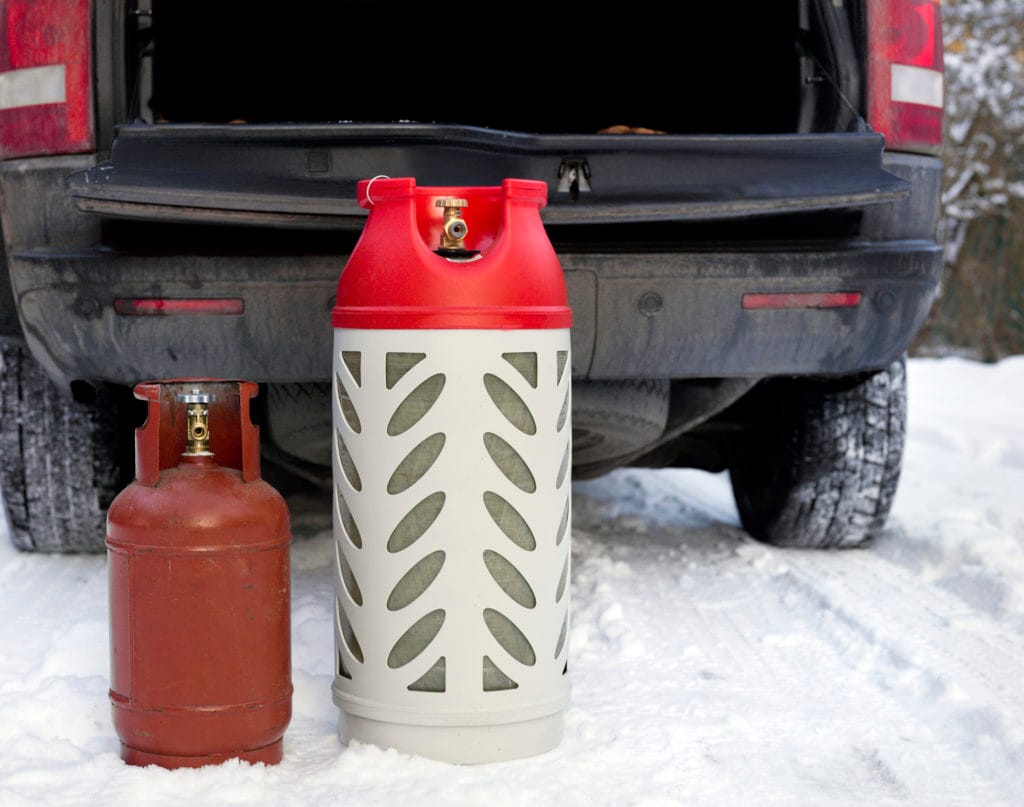
Have you ever wondered if your LPG tank could freeze during those chilly winter months? It’s a question that might have crossed your mind, especially when you rely on LPG to keep your home warm and cozy.
Imagine waking up on a frosty morning only to discover that your heating system isn’t working because your LPG has frozen. Is that even possible? You’re about to discover the surprising facts about LPG and freezing temperatures. Understanding this could save you from unnecessary stress and help you ensure that your home remains a haven of warmth, regardless of how low the temperature drops outside.
So, let’s dive in and clear up the mystery: Can LPG really freeze? Keep reading to find out!
What Is Lpg?
LPG, or Liquefied Petroleum Gas, is a versatile fuel you might already use without realizing it. It powers everything from your kitchen stove to outdoor grills and even some vehicles. But what exactly is LPG, and what makes it so useful and safe for everyday use?
Composition And Properties
LPG mainly consists of propane and butane, two gases that turn into liquid under moderate pressure. This liquid form makes LPG easy to store and transport in tanks. It’s colorless and has a distinct smell added for safety, so you can detect leaks quickly.
Because LPG vaporizes quickly when released, it mixes well with air to create a flammable mixture. But despite its flammability, LPG is safer than many fuels since it dissipates rapidly in open air. Have you ever noticed how quickly a gas leak in the open air disappears? That’s why LPG is preferred in many homes.
Common Uses
LPG is everywhere around you, even if you don’t see it. It fuels your cooking stove, heats your home, and even powers some cars and forklifts. Many rural areas rely on LPG where natural gas pipelines don’t reach.
- Cooking: Many kitchens use LPG for quick, controllable heat.
- Heating: LPG heaters warm homes efficiently during cold months.
- Transportation: Some vehicles run on LPG, reducing emissions.
- Industrial: Factories use LPG for high-temperature processes.
Have you ever wondered why LPG is chosen over electricity or other fuels in certain places? Its portability and clean-burning nature make it a convenient choice. Understanding what LPG is can help you appreciate its role in your daily life and how to handle it safely.

Credit: www.reddit.com
Freezing Point Of Lpg
Understanding the freezing point of LPG (liquefied petroleum gas) is crucial, especially if you rely on it for heating or cooking in cold climates. Unlike water, LPG behaves differently under low temperatures, and knowing its limits helps prevent unexpected supply issues. Let’s dive into what happens to LPG as temperatures drop and how cold it can actually get before it freezes.
Temperature Range
LPG is a mixture mainly of propane and butane, and its freezing point depends on these components. Pure propane freezes at around -187°C (-305°F), while butane freezes at approximately -0.5°C (31°F). Because commercial LPG blends these gases, its freezing point falls somewhere between these temperatures.
In practical terms, LPG rarely freezes under typical outdoor conditions, even in very cold weather. This means you won’t usually have to worry about it turning solid during winter. However, if temperatures drop extremely low, closer to butane’s freezing point, you might start to see problems with fuel flow.
Factors Influencing Freezing
The exact freezing point of LPG can change based on several factors. The gas composition is the biggest influence — more propane means a lower freezing point, while higher butane content raises it. Suppliers adjust these ratios depending on the season to keep LPG flowing smoothly.
Pressure also affects LPG’s state. Higher pressure keeps LPG liquid at lower temperatures, so storage tanks and cylinders under pressure are less likely to freeze. If the pressure drops due to a leak or improper storage, freezing risks increase.
Have you ever noticed your gas appliance struggling in cold weather? This might be due to the gas mixture or pressure issues affecting LPG’s freezing behavior. Checking your supplier’s blend and tank condition can help you avoid this hassle.
Can Lpg Actually Freeze?
Liquefied Petroleum Gas (LPG) is a common fuel used worldwide. Many wonder if LPG can freeze under cold conditions. Understanding this helps in safe storage and usage during winter or in cold climates. The question is, does LPG actually freeze? Let’s explore the facts through science and real cases.
Scientific Evidence
LPG consists mainly of propane and butane. These gases turn liquid under pressure. The freezing point of propane is about -188°C (-306°F). Butane freezes around -138°C (-216°F). These temperatures are far below normal weather conditions.
Because these points are so low, LPG does not freeze in everyday cold weather. Even in very cold places, temperatures rarely drop to these levels. Instead, LPG may become less effective if it gets too cold, but it won’t freeze solid.
Real-life Incidents
Reports of LPG freezing are very rare. Some users confuse freezing with other problems, like pressure drops. When LPG gets cold, its pressure decreases, causing issues in appliances. This can seem like freezing but is not the same.
In extreme cold regions, special measures keep LPG tanks warm. Insulation or heating prevents pressure loss. These steps avoid supply interruptions but do not address freezing. No verified cases show LPG freezing in normal use conditions.
Effects Of Freezing On Lpg
Liquefied Petroleum Gas (LPG) is widely used for heating, cooking, and fuel. Its behavior under extreme cold is important. Understanding the effects of freezing on LPG helps ensure proper storage and safety. Though LPG does not freeze easily, very low temperatures can affect its properties and handling. This section explores the main impacts of freezing on LPG.
Impact On Storage
LPG has a very low freezing point, much below typical cold weather conditions. It usually stays in liquid form even in freezing temperatures. Still, extreme cold can cause pressure drops inside storage tanks. Low pressure may reduce gas flow and efficiency.
Storage tanks must be designed to handle temperature changes. Insulation helps keep LPG at a stable temperature. Without proper insulation, tanks may contract and weaken. This can lead to leaks or damage over time.
Safety Concerns
Freezing temperatures can create risks if LPG pressure falls too low. Low pressure can cause incomplete combustion in appliances, leading to dangerous carbon monoxide buildup. Monitoring pressure regularly is crucial.
Rapid temperature changes may cause condensation inside tanks. Water and LPG do not mix, so water buildup can cause corrosion. Corroded tanks increase the chance of leaks or explosions.
- Check tanks for frost or ice buildup.
- Keep tanks away from freezing drafts.
- Use pressure gauges to monitor levels.
Preventing Lpg Freezing
Preventing LPG from freezing is essential to maintain its efficiency and safety, especially in cold weather. While LPG freezing is rare due to its chemical properties, extremely low temperatures can cause issues like pressure drops and flow restrictions. Taking simple precautions can help you avoid any interruptions or hazards linked to cold conditions.
Storage Tips
Store your LPG cylinders in a well-ventilated area that stays dry and above freezing temperatures. Avoid placing cylinders directly on cold concrete floors or outside where they are exposed to harsh weather.
Using insulated covers or blankets designed for LPG tanks can help maintain a stable temperature. Check your storage area regularly for signs of frost or ice buildup, which can indicate potential freezing problems.
Handling In Cold Climates
When using LPG in cold climates, keep the cylinder upright to ensure proper pressure and flow. If you notice slow gas flow or difficulty lighting appliances, gently warming the cylinder with warm (not hot) water can help restore performance.
Consider using LPG regulators designed for low temperatures, as they are less likely to freeze. Have you ever struggled with your gas supply during a cold snap? Small adjustments like these can save you from frustration and downtime.

Credit: www.reddit.com
Myths And Misconceptions
There are many myths and misconceptions about LPG and freezing. These misunderstandings can cause confusion and fear. It is important to separate fact from fiction to use LPG safely and wisely.
Common Misunderstandings
- Some believe LPG can freeze like water in cold weather.
- Others think LPG tanks explode if exposed to cold temperatures.
- Many assume LPG stops working in winter or cold climates.
- There is a myth that LPG pipes burst due to freezing.
Clarifying The Facts
LPG is a gas stored under pressure as a liquid. It does not freeze easily because its freezing point is extremely low.
Typical LPG components freeze at temperatures far below natural weather conditions.
LPG tanks and pipes are designed to handle cold temperatures safely.
Properly maintained LPG systems work well in winter without freezing or damage.

Credit: blueskynewenergy.com
Frequently Asked Questions
Can Lpg Freeze In Cold Temperatures?
LPG has a very low freezing point, around -188°C (-306°F). It does not freeze under normal cold conditions on Earth.
What Happens To Lpg In Freezing Weather?
LPG remains in liquid form in cold weather. However, very low temperatures can reduce pressure, affecting flow and vaporization.
Can Lpg Tanks Freeze During Winter?
LPG tanks do not freeze but may experience pressure drops. Proper insulation helps maintain consistent pressure and performance.
How To Prevent Lpg Freezing Issues?
Use insulated tanks and maintain proper storage temperature. Regular tank checks ensure efficient LPG flow in cold climates.
Conclusion
LPG does not freeze like water but can get very cold. It turns into liquid under low temperatures and high pressure. This change helps keep it usable even in cold weather. Still, safety measures are important to prevent any problems.
Knowing how LPG behaves in cold helps you use it safely. Always store and handle LPG properly to avoid risks. Understanding these facts makes using LPG easier and safer for everyone.