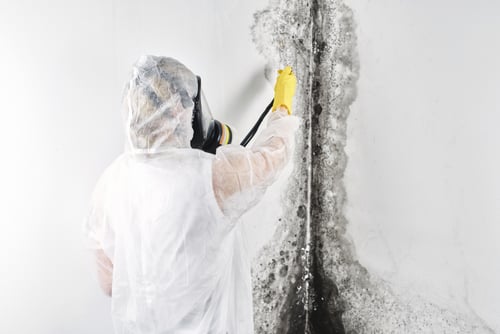
Have you ever stumbled upon mold lurking in your home and wondered if freezing temperatures could be your secret weapon? You’re not alone.
Mold is a pesky intruder that can cause everything from unsightly stains to serious health issues. But before you start stuffing your moldy items into the freezer, you might want to know if it actually works. Will freezing truly kill mold, or is it just another household myth?
We’ll dive into the science behind freezing and mold, revealing the truth you need to know. Stick around, because understanding how to effectively combat mold can make all the difference in maintaining a safe and healthy environment for you and your loved ones.
How Mold Grows
Mold growth can be a frustrating problem in homes and workplaces. Understanding how mold grows helps you tackle it effectively. Mold doesn’t just appear out of nowhere—it needs specific conditions to thrive and spread.
Conditions Mold Needs
Mold requires a few key things to grow:
- Moisture:Mold thrives in damp environments. Leaky pipes, high humidity, or wet materials create perfect breeding grounds.
- Food source:Mold feeds on organic materials like wood, paper, fabrics, and even dust.
- Temperature:Most molds grow well between 60°F and 80°F (15°C to 27°C). However, some can survive in colder or warmer conditions.
- Oxygen:Mold needs oxygen to grow, but it can survive with very little.
If any of these conditions are missing, mold cannot thrive. Have you checked your home for hidden moisture? Even small leaks can lead to mold problems over time.
Common Mold Types
You might recognize some mold types from visible spots or smells around your home. Here are a few common ones:
| Mold Type | Color | Where It Grows | Health Effects |
|---|---|---|---|
| Cladosporium | Green, brown, black | Wood, fabrics, carpets | Allergic reactions, asthma triggers |
| Aspergillus | Green, yellow, or black | Damp walls, insulation, food | Respiratory issues, infections |
| Stachybotrys (Black Mold) | Black or dark green | Wet cellulose materials, drywall | Severe allergic reactions, toxic effects |
Knowing which mold you’re dealing with can guide your cleanup efforts. Have you spotted any of these types in your living space? Identifying the mold can help you choose the right removal method and avoid health risks.

Credit: www.puroclean.com
Freezing And Mold
Mold is a common problem in homes and food storage. Many wonder if freezing can stop mold growth or even kill it. Understanding how cold affects mold helps clarify what freezing can do.
Effect Of Cold Temperatures
Cold slows mold growth but does not usually kill mold. Mold spores can survive freezing temperatures. They become dormant and wait for warmer conditions.
Freezing preserves mold rather than destroys it. This is why mold can reappear after frozen food thaws. Cold acts like a pause button for mold activity.
Can Freezing Kill Mold?
Freezing alone cannot kill mold effectively. Mold spores are very tough and resist cold. To kill mold, higher heat or chemical treatments are needed.
Freezing may stop mold from growing temporarily. It does not remove mold from surfaces or food. Proper cleaning or disposal is necessary to handle mold safely.
Other Mold Removal Methods
Freezing might slow down mold growth, but it rarely kills mold completely. To truly remove mold from your home, you need effective techniques that target its roots and spores. Let’s look at some practical alternatives that can help you tackle mold issues for good.
Heat Treatments
Heat can be a powerful tool against mold. Temperatures above 140°F (60°C) can destroy many types of mold spores.
Using steam cleaners on fabrics or hard surfaces is an effective way to apply heat without harsh chemicals. I once used a handheld steam cleaner on my bathroom tiles, and it cleared mold spots that scrubbing alone couldn’t touch.
However, be cautious with delicate materials as heat might cause damage or warping. Always test a small area first.
Chemical Cleaners
Chemical cleaners are popular for their quick action against mold. Products containing bleach, hydrogen peroxide, or vinegar can kill mold on non-porous surfaces.
For example, spraying a mix of white vinegar and water on a moldy window sill can help clear the black spots within minutes.
Remember, chemicals don’t remove mold roots embedded in porous materials like wood or drywall, so physical removal might still be necessary.
Physical Removal
Sometimes, the best way to get rid of mold is to remove it manually. Scrubbing with a brush or using sandpaper can eliminate mold from surfaces like walls or furniture.
When I faced a stubborn patch on my basement wall, scrubbing with a stiff brush soaked in detergent made a huge difference.
Wear protective gear like gloves and masks during physical removal to avoid inhaling spores. Also, dispose of contaminated materials carefully to prevent spreading mold elsewhere.

Credit: purehomeus.com
Limitations Of Freezing
Freezing is often seen as a simple way to stop mold growth. Yet, it has clear limits. Mold spores can survive low temperatures. Freezing alone may not kill all mold types. Understanding these limits helps in choosing the right mold removal method.
Mold Survival Mechanisms
Mold spores protect themselves in many ways. They form tough outer layers that resist cold. Some molds go dormant, pausing growth but staying alive. This dormancy lets mold survive freezing and restart later. Mold can also produce chemicals that protect cells from damage. These defenses make mold hard to kill with freezing alone.
When Freezing Might Work
Freezing can reduce mold activity temporarily. It slows or stops mold growth during cold periods. Freezing works better on soft, fresh mold on food. It can limit mold spread but not remove it. Long-term mold problems need more than freezing. Combining freezing with cleaning or drying is often needed to fully control mold.
Best Practices For Mold Removal
Removing mold effectively requires careful actions and attention to detail. Best practices help stop mold from spreading and returning. Proper cleaning and care keep your space healthy and safe.
Safety Precautions
Wear gloves and a mask before handling mold. Avoid touching mold with bare hands. Use goggles to protect your eyes from spores. Keep the area well ventilated by opening windows or using fans. Dispose of contaminated materials in sealed bags. Clean tools and clothes immediately after use to avoid spreading mold.
Preventing Mold Regrowth
Fix leaks and moisture problems quickly. Keep indoor humidity below 60% using dehumidifiers or air conditioners. Clean and dry wet areas within 24 hours. Use mold-resistant paint on walls and ceilings. Regularly inspect areas prone to mold, such as bathrooms and basements. Remove clutter to improve air circulation and reduce mold chances.

Credit: www.reddit.com
Frequently Asked Questions
Can Freezing Stop Mold Growth Completely?
Freezing halts mold growth temporarily but does not kill mold spores. Once thawed, mold can resume growing if moisture returns. Freezing is not a reliable method for mold removal or prevention.
Does Freezing Moldy Food Make It Safe?
Freezing moldy food does not make it safe to eat. Mold toxins remain active after freezing. It’s best to discard moldy food to avoid health risks.
How Long Does Freezing Affect Mold?
Freezing affects mold only while the temperature stays below freezing. Mold spores survive freezing and reactivate when thawed. Freezing is a temporary pause, not a permanent solution.
Can Freezing Remove Mold From Household Items?
Freezing may stop mold growth on items temporarily but won’t remove or kill it. Proper cleaning and drying are needed to eliminate mold effectively.
Conclusion
Freezing may slow mold growth but does not kill it completely. Mold spores can survive cold temperatures and grow again once warm. To remove mold safely, cleaning with proper solutions is necessary. Always dry items thoroughly after freezing to prevent mold return.
Understanding mold behavior helps protect your home and health. Stay cautious and use effective methods to manage mold problems.