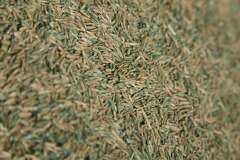
Have you ever wondered if freezing temperatures can kill your grass seed? You’re not alone.
Many gardeners and homeowners face this dilemma, especially when trying to establish a lush, green lawn in unpredictable weather. If you’ve invested time and money into seeding your lawn, the last thing you want is for a cold snap to ruin your efforts.
But does freezing actually pose a threat to those tiny seeds, or is it just a myth? In this blog post, we’re going to delve into the science behind grass seeds and freezing temperatures. By the end, you’ll know exactly how to protect your investment and ensure your lawn thrives, no matter what Mother Nature throws its way. Stay with us to discover the truth—and secure the vibrant lawn you’ve always dreamed of.

Credit: www.homesandgardens.com
How Grass Seed Reacts To Cold
Grass seed has natural ways to survive cold temperatures. Understanding how it reacts to cold helps gardeners protect their seeds. Cold can slow down seed growth or pause it completely. Some seeds stay safe during winter by going into a rest state. Others may lose their ability to grow if exposed to harsh cold for too long.
Seed Dormancy And Cold Exposure
Seed dormancy is a natural pause in growth. Grass seeds use dormancy to survive winter cold. During dormancy, seeds stop growing and wait for warm conditions. Cold exposure helps some seeds break dormancy. This process is called stratification. It makes seeds ready to sprout in spring. Without cold, some seeds may not grow well. Dormancy protects seeds from sprouting at the wrong time.
Impact Of Freezing Temperatures On Seed Viability
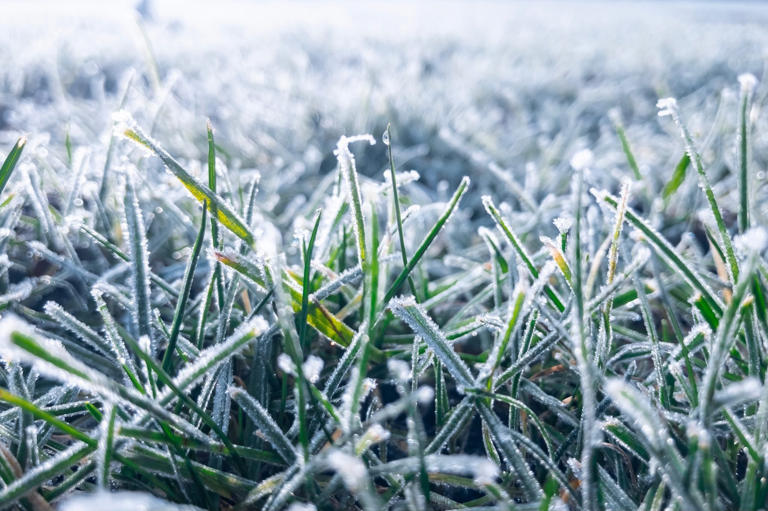
Freezing temperatures can harm grass seeds, but not always. Many seeds can survive short freezes if dry. Water inside seeds can cause damage if it freezes. Ice crystals may break seed cells and kill them. Prolonged freezing or wet conditions increase risk of damage. Frozen seeds may lose the ability to sprout. Proper storage and planting timing reduce freezing risks. Healthy seeds resist cold better than weak ones.
Credit: www.msn.com
Factors Influencing Seed Survival In Frost
Grass seed survival in frost depends on several key factors. Understanding these can help you protect your lawn and achieve better growth results. Frost can damage seeds, but not all seeds react the same way. Some survive harsh conditions, while others do not. Let’s explore the main elements that influence seed survival during freezing weather.
Seed Type And Hardiness
Different grass seeds have varying levels of frost tolerance. Cool-season grasses like fescue and ryegrass handle frost better. Warm-season grasses such as Bermuda are less hardy and more sensitive to freezing. Seed genetics affect how well seeds endure cold. Some seeds remain dormant and protected under frost. Others may lose viability quickly if frozen.
Moisture Content And Freezing
Seed moisture plays a crucial role in frost survival. Seeds with high moisture are more prone to freeze damage. Ice crystals can form inside wet seeds and harm their structure. Dry seeds resist freezing effects better. Proper drying before frost lowers the risk of seed death. Moisture levels also affect seed germination after thawing.
Duration Of Freezing Conditions
The length of frost exposure impacts seed health. Short, mild freezes might not kill seeds. Prolonged or repeated freezing stresses seeds more. Extended frost can cause cellular damage inside seeds. The longer the seed stays frozen, the lower its survival chances. Timing seed planting to avoid long freezes improves growth success.
Common Myths About Freezing Grass Seed
Many gardeners worry that freezing grass seed might ruin its ability to grow. This concern comes from several common myths about how cold temperatures affect seeds. Let’s clear up confusion so you can store and handle your grass seed with confidence.
Does Freezing Always Kill Seeds?
Freezing does not always kill seeds. In fact, many seeds can survive freezing temperatures if stored properly. The key is moisture—too much water inside the seed can cause ice crystals to form and damage it during freezing.
I once froze a batch of grass seed accidentally after leaving it in a cold garage over winter. To my surprise, most of the seeds still germinated well in spring. This shows that freezing alone isn’t a guaranteed death sentence for seeds.
Are you storing your seeds dry enough before freezing? Dry seeds are much more likely to survive freezing than those with high moisture.
Misconceptions About Seed Storage
People often think seeds need to be kept at room temperature or warmer to stay viable. However, proper cold storage can actually extend a seed’s shelf life by slowing down metabolic processes.
Another myth is that freezing and thawing seeds repeatedly won’t affect them. But frequent temperature changes can cause moisture buildup inside seeds, leading to damage.
To avoid this, store seeds in airtight containers and minimize how often you take them out of the freezer.
- Keep seeds dry before freezing
- Use airtight containers to prevent moisture
- Limit temperature fluctuations
Understanding these facts helps you make better decisions about seed storage. How do you currently store your grass seed, and have you noticed any effects on germination?
Credit: www.lawnsite.com
Proper Storage Techniques For Grass Seeds
Proper storage of grass seeds is key to keeping them viable and ready for planting when you need them. Seeds are living organisms that can lose their ability to grow if not stored under the right conditions. Understanding the ideal environment and handling techniques can save you time, money, and frustration in your gardening journey.
Ideal Temperature And Humidity Levels
Grass seeds thrive when stored at cool temperatures between 40°F and 50°F (4°C to 10°C). Higher temperatures can shorten seed life, while freezing temperatures might cause damage unless properly managed. Humidity should be kept low, ideally below 50%, to prevent mold and premature germination.
Have you ever noticed seeds clumping together or feeling damp? That’s a sign of too much moisture in the storage area. Using airtight containers with moisture absorbers like silica gel packs can help maintain the perfect humidity level.
Freezing As A Storage Method
Freezing grass seeds is a common question: does it kill them or preserve their viability? If done correctly, freezing can extend seed life by slowing down metabolic processes. The key is to store seeds in moisture-proof containers to avoid ice crystal formation, which can rupture seed cells.
I once froze a batch of Kentucky bluegrass seeds sealed tightly in a vacuum bag and found that they sprouted just as well after six months as fresh seeds. However, if seeds are exposed to fluctuating temperatures and moisture, freezing can cause damage and reduce germination rates.
Avoiding Seed Damage During Storage
Handling seeds gently and storing them in stable conditions prevents damage. Avoid frequent temperature changes and exposure to sunlight, which can weaken seeds. It’s also important not to store seeds in plastic bags that aren’t airtight, as they can trap moisture.
Label your containers with the date of storage so you can monitor seed age. Older seeds might need special treatment, such as soaking before planting, to improve germination. What small changes can you make in your storage habits to keep your grass seeds healthy and ready for planting?
Tips For Planting Grass Seed After Freezing
Planting grass seed after it has been exposed to freezing temperatures can be tricky, but it’s not impossible. Understanding how to handle frozen seeds properly can make a big difference in your lawn’s growth. Here are some practical tips to help you get the best results after your grass seed has been frozen.
Preparing Frozen Seeds For Planting
First, check the seeds for any visible damage. Frozen seeds might look dry or cracked, but that doesn’t always mean they are dead. Gently thaw the seeds at room temperature before planting to avoid shocking them.
Once thawed, test their viability by placing a few seeds between moist paper towels. Keep them in a warm spot and check after a few days to see if they sprout. This simple test helps you decide if the seeds are still good enough to plant or if you need fresh ones.
Best Planting Practices Post-freezing
Plant your thawed seeds in well-prepared soil with good drainage. Frozen seeds may take a bit longer to germinate, so keep the soil consistently moist but not waterlogged. Avoid planting during extreme cold spells to give your seeds a better chance.
- Use a light layer of mulch to protect young seedlings from temperature fluctuations.
- Water gently and regularly, especially during dry periods.
- Consider overseeding with fresh seed to improve lawn density if some seeds fail to grow.
Have you noticed your grass seeds struggling after a frost? Adjusting your planting techniques could be the key to a lush, green lawn despite the cold challenges. What steps can you take today to ensure your grass seeds survive and thrive?
Real-life Examples And Case Studies
Exploring real-life examples and case studies helps understand if freezing kills grass seed. Many gardeners and researchers have tested seeds exposed to freezing temperatures. Their results show varied outcomes. Some seeds survived and grew well. Others failed to sprout. These stories reveal valuable insights about seed resilience and proper storage.
Successful Growth From Frozen Seeds
Several gardeners shared their success with frozen grass seeds. They stored seeds in the freezer for months. After planting, many seeds sprouted healthy and strong. Freezing seemed to pause seed aging without harming viability. Some types of grass, like Kentucky bluegrass and fescue, responded well. Proper thawing before planting was important. Seeds placed directly in soil after freezing still grew fine in some cases.
- Seeds kept at consistent freezing temperatures sprouted well.
- Dry seeds froze better than moist seeds.
- Freezing slowed seed deterioration over time.
Failures And Lessons Learned
Not all frozen seeds grew successfully. Some lost germination ability after freezing. Moisture inside seeds caused ice crystals that damaged cells. Seeds frozen and thawed repeatedly showed poor growth. Some grass varieties were more sensitive to freezing stress. These failures teach important lessons about seed care.
- Keep seeds dry before freezing to avoid damage.
- Avoid thawing and refreezing cycles.
- Test seed viability after freezing before large planting.
- Understand specific grass type tolerance to cold.
Frequently Asked Questions
Does Freezing Grass Seed Harm Its Germination?
Freezing grass seed generally does not harm its germination if stored properly. Seeds remain viable in cold, dry conditions. However, repeated freeze-thaw cycles can reduce seed quality. Proper storage in airtight containers prevents moisture damage and preserves seed health.
Can Frozen Soil Affect Grass Seed Growth?
Frozen soil can delay grass seed growth but does not kill the seed. Grass seeds remain dormant in frozen soil and sprout when temperatures rise. Planting in early spring after the freeze improves germination success.
How Long Can Grass Seed Survive Freezing Temperatures?
Grass seed can survive freezing temperatures for months if kept dry. Moisture combined with freezing can damage seeds. Proper storage in cool, dry places helps maintain seed viability over time.
Should I Store Grass Seed In The Freezer?
Storing grass seed in the freezer is not recommended due to moisture risks. Freezing can damage seeds if moisture is present. A cool, dry, dark place is ideal for seed storage.
Conclusion
Freezing does not usually kill grass seed. Most grass seeds survive cold temperatures well. They remain viable and ready to grow when planted. Proper storage helps keep seeds healthy for longer. Avoid moisture to prevent damage during freezing. Remember, planting at the right time gives better results.
Healthy seeds lead to strong, green lawns. Understanding seed care helps your garden thrive. Keep these tips in mind for successful grass growth.