Winter is coming, and with it, the dreaded possibility of frozen drain lines. You know how frustrating it can be to deal with a plumbing disaster right in the middle of a freezing night.
The good news? You don’t have to wait until it’s too late to take action. With a few simple steps, you can prevent your drain lines from freezing and save yourself time, money, and stress. Imagine the peace of mind knowing your plumbing is safe and sound, no matter how low the temperature drops.
Stay with us as we guide you through practical tips and tricks to keep your drain lines flowing smoothly all winter long. Your home—and your wallet—will thank you!
Causes Of Drain Line Freezing
Drain line freezing can cause serious plumbing problems during cold months. Understanding the causes helps prevent costly damage and keeps your pipes flowing. Several factors increase the risk of drain lines freezing.
Low Temperatures And Exposure
Freezing happens when temperatures drop below 32°F (0°C). Drain lines outside or near cold walls face direct exposure. Wind and frost make pipes colder faster. Pipes close to unheated spaces, like basements or crawl spaces, are at risk.
Poor Insulation
Insufficient insulation lets cold air reach pipes easily. Old or damaged insulation cannot keep warmth in. Drain lines in walls, attics, or under floors need proper wrapping. Without insulation, pipes lose heat quickly and freeze.
Water Stagnation
Standing water inside pipes freezes faster than moving water. Long periods without use cause water to sit in drain lines. Slow drainage or clogs worsen the problem. Drains in guest bathrooms or seasonal homes face this issue often.
Signs Of Frozen Drain Lines
Frozen drain lines cause many problems in cold weather. Recognizing signs early helps prevent damage and costly repairs. Watch for changes in how your drains work and look for visible clues.
Slow Drainage
Water flows slower through pipes with ice inside. Drains take longer to empty. Sinks, tubs, and showers may drain poorly or back up. Slow drainage often signals a partial freeze in the line.
Unusual Noises
Frozen pipes can make strange sounds. Listen for gurgling, banging, or popping near drains. These noises come from trapped air or ice blocking water flow. They warn you the drain line is not clear.
Visible Frost Or Ice
Look for frost or ice on pipes near drains. Pipes exposed to cold air may show white frost patches. Ice buildup on the outside of pipes means the inside may be frozen too. This is a clear sign of frozen drain lines.
Effective Insulation Techniques
Effective insulation keeps drain lines warm and prevents freezing during cold weather. Insulating pipes reduces heat loss and blocks cold air. This simple step helps avoid costly repairs and water damage. Using the right insulation materials and techniques can protect your home efficiently.
Using Foam Pipe Insulation
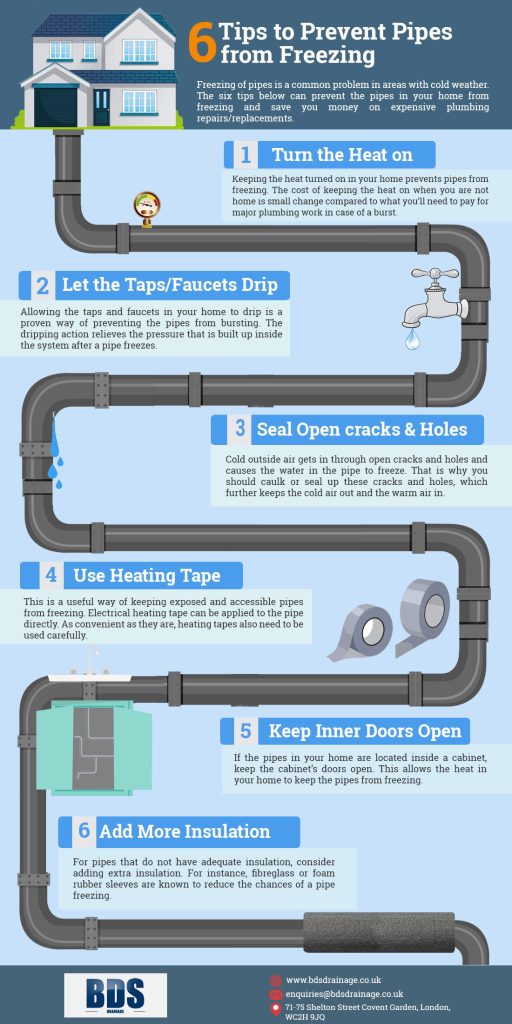
Foam pipe insulation is a popular choice for protecting drain lines. It fits easily around pipes and creates a barrier against cold air. The foam is lightweight and flexible, making installation fast and simple. It also resists moisture, which helps prevent mold growth inside walls.
Cut the foam to size and slide it over the pipe. Seal any seams with tape for better protection. Foam insulation works best on exposed pipes in basements, crawl spaces, and attics.
Applying Heat Tape
Heat tape is an electric cable that warms pipes to stop freezing. Wrap it snugly around the drain line and plug it in. The tape maintains a steady temperature, ensuring pipes stay above freezing. Heat tape works well in very cold areas or on pipes that are hard to insulate.
Follow manufacturer instructions carefully to avoid overheating. Use heat tape approved for your pipe type. Combine heat tape with foam insulation for extra protection.
Sealing Gaps And Cracks
Cold air enters homes through small gaps and cracks near pipes. Seal these openings with caulk or spray foam to keep cold air out. Check around windows, doors, and where pipes enter walls. This simple step improves insulation performance and reduces drafts.
Use weather-resistant materials to seal gaps. Inspect the seals regularly and repair any damage. Sealing gaps also helps lower heating bills by keeping your home warmer.

Credit: medium.com
Maintaining Proper Water Flow
Maintaining proper water flow is essential to prevent your drain lines from freezing during cold weather. Water that moves regularly through pipes is less likely to freeze, reducing the risk of costly damage and inconvenient repairs. Paying attention to how water flows in your home can help you catch issues early and keep everything running smoothly.
Regularly Running Water
Keeping water moving through your drain lines is one of the simplest ways to prevent freezing. Even a small amount of water flowing through the pipes can stop ice from forming. Think about how you use your sinks and showers daily—if some drains rarely get used, try running water through them for a few minutes every day.
I once ignored a guest bathroom that wasn’t used for weeks. When winter hit, the drain line froze, causing a major headache. Running water regularly in all parts of your home can prevent this problem before it starts.
Dripping Faucets
Allowing a faucet to drip slowly is a smart move when temperatures drop. This slight flow keeps water moving enough to avoid freezing without wasting too much water. Focus on faucets connected to vulnerable pipes, especially those near exterior walls or in unheated spaces.
Have you ever noticed a slight drip during a cold night? That tiny drip can save you hundreds in plumbing repairs. It’s a small inconvenience that pays off big when freezing temperatures hit.
Avoiding Water Stagnation
Water left standing still in your pipes is at high risk of freezing. Stagnant water cools quickly and forms ice blockages. Make sure your drainage system doesn’t have dead-end sections where water can collect and stay still for long periods.
Check for leaks or clogs that might cause water to pool unexpectedly. Regularly flushing your drains helps clear any buildup and keeps water flowing freely. Are there parts of your drainage system you rarely inspect? Those might be the spots where trouble starts.
Protecting Outdoor Drain Lines
Outdoor drain lines face harsh weather that can cause freezing and blockages. Protecting these pipes is key to avoid costly repairs and water damage. Proper protection keeps water flowing even in freezing temperatures.
Simple steps can help protect your outdoor drain lines. Covering exposed pipes reduces exposure to cold air. Drain covers block debris and ice buildup. Heated enclosures provide warmth to prevent freezing completely.
Covering Exposed Pipes
Exposed pipes lose heat quickly in cold weather. Covering them slows down heat loss and keeps water flowing. Use foam pipe insulation sleeves or wrap pipes with insulating tape. Secure the insulation tightly to avoid gaps where cold air can enter.
Check insulation yearly for damage or wear. Replace worn covers before winter arrives. Covering pipes is an easy and low-cost way to protect outdoor drains.
Installing Drain Covers
Drain covers block leaves, dirt, and ice from entering drain openings. They keep drains clear and prevent blockages that cause backups. Choose covers made from durable materials like plastic or metal.
Ensure covers fit securely over the drain. Remove and clean covers regularly to maintain good water flow. Installing drain covers helps keep outdoor drains free and functional all winter.
Using Heated Enclosures
Heated enclosures provide extra protection by warming the drain pipes. These enclosures use small heating elements to keep temperatures above freezing. They are ideal for pipes in very cold climates or exposed areas.
Place the heated enclosure around vulnerable sections of the drain line. Use thermostats to control the heat and save energy. Heated enclosures prevent ice buildup and costly pipe damage during winter.

Credit: www.spi-co.com
Emergency Measures For Frozen Drains
Frozen drain lines can cause serious problems fast. Acting quickly helps reduce damage and restores flow. These emergency measures provide safe, effective ways to thaw frozen drains without waiting for a plumber.
Using A Hair Dryer Or Heat Gun
A hair dryer or heat gun works well to warm frozen pipes gently. Move the heat source slowly along the pipe’s length. Keep the tool a few inches away to avoid damage. Focus on the frozen area but do not overheat. Avoid using a heat gun with high settings on plastic pipes.
Applying Warm Towels
Warm towels help raise the temperature around frozen drain lines. Soak towels in hot water and wrap them around the pipe. Replace towels often to keep the heat steady. This method works best for small or hard-to-reach pipe sections. It is a safe, quiet way to melt ice build-up.
Avoiding Open Flames
Open flames pose a serious fire risk near drain lines. Do not use matches, lighters, or torches to thaw pipes. These methods can cause burns, pipe damage, or house fires. Stick to safer heating options like electric tools or warm towels. Safety must come first during any emergency thawing process.
Long-term Prevention Strategies
Preventing drain lines from freezing requires a focus on long-term solutions. These strategies help protect your plumbing throughout cold seasons. They reduce the risk of costly repairs and water damage. Consistent care and smart upgrades make your home safer and more comfortable.
Upgrading Pipe Materials
Old pipes are more likely to freeze and burst. Replacing them with modern, insulated materials improves durability. Pipes made from PEX or flexible plastic resist freezing better than metal ones. These materials expand slightly if water inside freezes, reducing damage risk. Proper insulation around pipes adds extra protection against cold air.
Regular Maintenance Checks
Routine inspections catch small problems before they grow. Look for cracks, leaks, or signs of wear on pipes. Clear any debris or blockages in drain lines to keep water flowing smoothly. Check insulation and replace it if worn out. Maintaining your plumbing system lowers the chance of frozen pipes in winter.
Professional Inspections
Plumbers have tools to find hidden issues in drain lines. They can spot weak spots and suggest repairs or upgrades. Annual inspections help keep your plumbing in top shape. Professionals also advise on the best ways to protect pipes from freezing. Scheduling these visits ensures peace of mind during cold weather.

Credit: cactusplumbingandair.com
Frequently Asked Questions
How Can I Prevent Drain Lines From Freezing In Winter?
Insulate exposed drain pipes with foam sleeves or heat tape. Keep indoor temperatures above 55°F. Allow faucets to drip slightly to maintain water flow. Seal gaps around pipes to block cold air entry.
What Are The Signs Of Frozen Drain Lines?
Slow drainage, gurgling sounds, and unpleasant odors indicate frozen drains. Pipes may feel icy or cold to touch. Watch for water backups or unusual noises during use.
Are Heat Cables Effective For Stopping Drain Line Freezes?
Yes, heat cables provide consistent warmth to pipes, preventing ice formation. They are energy-efficient and easy to install. Ensure cables are UL-listed and follow manufacturer instructions for safety.
Can Dripping Faucets Help Stop Drain Lines From Freezing?
Yes, dripping faucets keep water moving, reducing freeze risk. Even a small drip prevents standing water from freezing inside pipes. This simple method is effective during extreme cold.
Conclusion
Protecting drain lines from freezing saves time and money. Wrap pipes with insulation to keep cold out. Let faucets drip slightly to prevent ice buildup. Seal gaps where cold air enters your home. Check pipes regularly during winter months. These small steps help avoid costly repairs.
Stay proactive and keep your drains flowing smoothly. Winter’s chill won’t stop your water when you prepare well. Simple care keeps your home safe and warm all season.