
Have you ever wondered if your deep freezer can brave the elements and live outside? If you’re considering the idea of moving your deep freezer outdoors, you’re not alone.
Many homeowners are exploring this option to free up space indoors or simply for convenience. But is it really a good idea? We’re diving into the pros and cons of placing your deep freezer outside. You’ll discover practical tips, potential risks, and the surprising benefits you might not have considered.
Whether you’re trying to maximize space or create an outdoor kitchen oasis, understanding the ins and outs of keeping a deep freezer outside could be a game-changer for your household. Stick around to find out if your deep freezer is ready to face the great outdoors!
Outdoor Suitability Of Deep Freezers
Placing a deep freezer outside can save indoor space and provide convenience. Not all deep freezers are made for outdoor use. Choosing the right type and understanding weather resistance is important. Following manufacturer guidelines ensures safe and efficient operation outdoors.
Types Of Deep Freezers For Outdoors
Outdoor deep freezers come in different styles. Chest freezers are popular due to their insulation and capacity. Upright freezers designed for outdoor use have weatherproof features. Some models are built specifically to handle temperature changes and moisture.
- Chest freezers with heavy insulation
- Outdoor-rated upright freezers
- Freezers with sealed, weatherproof doors
Weather Resistance Features
Outdoor freezers must resist rain, snow, and sun exposure. Look for rust-resistant materials like stainless steel or coated metal. Sealed door gaskets prevent moisture and dust entry. Temperature control systems adapt to hot or cold outdoor environments.
- Waterproof seals and gaskets
- Corrosion-resistant exterior
- Insulation suited for temperature swings
- Ventilation designed for outdoor air flow
Manufacturer Guidelines
Always check the freezer’s manual before outdoor placement. Manufacturers specify suitable temperature ranges for operation. Some freezers need additional shelter from direct sunlight or rain. Installing on a level, stable surface is crucial for performance and safety.
- Follow temperature recommendations
- Provide shade or cover if advised
- Keep the freezer away from extreme weather
- Ensure proper electrical connections and grounding
Credit: soilssolutions.com
Temperature Considerations
Temperature plays a key role in the performance of a deep freezer kept outside. The freezer must maintain a stable internal temperature to keep food safe. Changes in outdoor temperature can affect how well the freezer works. Understanding these effects helps in choosing the right spot for your freezer and protecting it from harsh weather.
Impact Of Cold Weather On Performance
Very cold weather can cause the freezer to run less efficiently. The compressor may turn off because the freezer thinks it is cold enough outside. This can cause the internal temperature to rise, risking food spoilage. Freezers not designed for outdoor use may freeze internal parts, leading to damage. Some models have a temperature sensor to adjust for cold, but many do not.
Effects Of Heat And Sun Exposure
High temperatures make the freezer work harder to stay cold. Direct sunlight can heat the freezer’s surface, increasing energy use. Prolonged sun exposure may fade the freezer’s paint and damage seals. Heat also stresses the compressor and other parts, shortening their lifespan. Placing the freezer in shade helps reduce these risks and keeps it running smoothly.
Maintaining Optimal Temperature
Keep the deep freezer in a sheltered spot, protected from wind and rain. Use a weatherproof cover to block moisture and dirt. Check the temperature regularly with an external thermometer. Avoid overloading the freezer, as this blocks air circulation inside. Clean the freezer coils frequently to maintain cooling efficiency. These steps help the freezer perform well outside, regardless of the weather.
Placement And Setup Tips
Setting up your deep freezer outside requires careful planning to ensure it runs efficiently and lasts longer. The placement and setup impact not just the freezer’s performance but also your energy bills and the safety of your stored items. Let’s look at some essential tips to help you position your deep freezer correctly and protect it from outdoor elements.
Choosing The Right Location
Pick a spot that is sheltered from direct sunlight. Sun exposure forces the freezer to work harder, increasing energy use and wear. A shaded area also prevents heat from affecting the temperature inside.
Think about accessibility too. You want easy access, especially in bad weather, but avoid placing the freezer where water collects after rain. Standing water can cause rust and electrical problems over time.
Consider nearby power sources and the length of the cord. Avoid extension cords as they can be fire hazards and reduce efficiency.
Protective Shelters And Covers
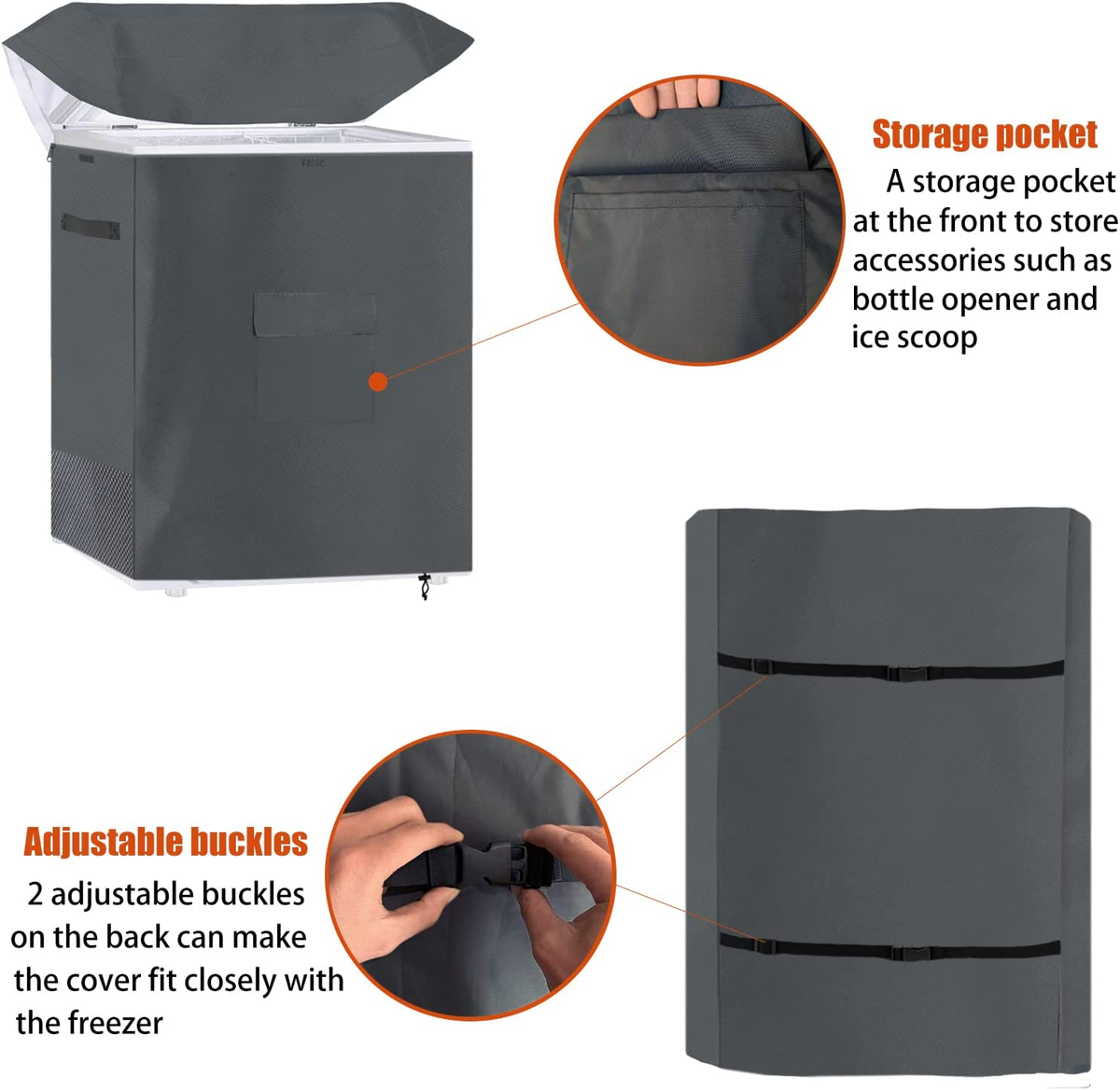
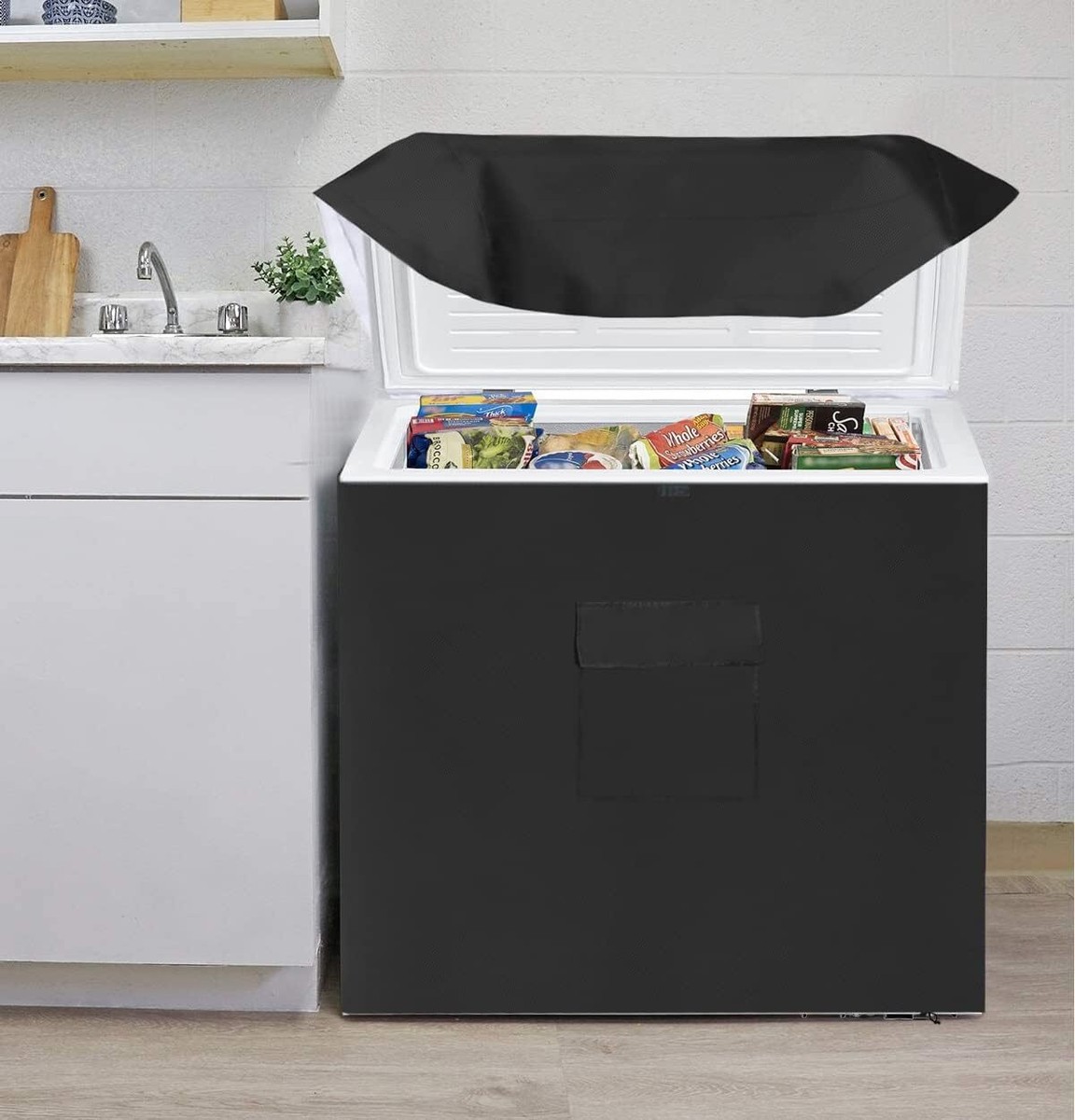
Cover your deep freezer with a waterproof and UV-resistant cover when not in use. This simple step shields it from rain, snow, and sun damage. A tarp or custom-fitted cover works well.
Building or installing a small shelter or awning above the freezer adds extra protection. It keeps snow and rain off and reduces temperature fluctuations.
Remember, the cover should not block ventilation areas. Avoid wrapping the freezer tightly; it needs airflow to stay cool and prevent overheating.
Leveling And Ventilation
Place your deep freezer on a level surface to prevent lid seal problems and compressor strain. Uneven surfaces can cause doors not to close properly, leading to frost buildup and energy loss.
Use a spirit level or simple tools to check if the ground is flat. If needed, add wooden planks or concrete blocks to create a stable base.
Ensure there is enough space around the freezer for air to circulate freely. Most models need at least 2-3 inches of clearance on all sides. Proper ventilation helps the compressor work efficiently and prevents overheating.
Credit: mysticpool.com
Power And Safety Measures
Placing a deep freezer outside needs careful power and safety planning. Outdoor conditions affect electrical parts and user safety. Proper setup prevents accidents and keeps the freezer working well.
Electrical Requirements For Outdoor Use
Use a grounded outdoor outlet for the freezer. The outlet should have a weatherproof cover. Check the freezer’s power rating to match the outlet capacity. Avoid using indoor extension cords. Outdoor-rated wiring and outlets handle moisture and temperature changes better. A dedicated circuit reduces the risk of overload.
Preventing Moisture And Electrical Hazards
Keep the freezer away from rain and snow. Use a shelter or cover to protect the unit. Ensure the power plug and outlet stay dry at all times. Moisture can cause short circuits and damage the freezer. Check seals and insulation regularly. Clean dirt and debris from vents for good airflow.
Surge Protection And Extension Cords
Use a surge protector to guard against power spikes. Surges can harm the compressor and electronics. Choose a surge protector rated for outdoor use. Avoid long or thin extension cords. They cause voltage drops and may overheat. If extension cords are necessary, pick heavy-duty, outdoor-rated ones. Keep cords away from water and walking paths to prevent accidents.
Maintenance For Outdoor Deep Freezers
Maintaining an outdoor deep freezer requires careful attention. Exposure to weather and dirt can affect its performance. Proper upkeep helps extend the freezer’s life and keeps it running smoothly. Regular checks and cleaning are essential. Small tasks prevent bigger problems later.
Regular Cleaning Practices
Clean the exterior of the freezer often. Use a soft cloth and mild detergent. Remove dirt, dust, and debris from vents and surfaces. Avoid harsh chemicals that may damage the finish. Keep the area around the freezer clear to allow good air flow.
Inside the freezer, wipe spills quickly. Remove old or spoiled food regularly. This stops bad smells and mold growth. Defrost the freezer if ice builds up too much. Clean shelves and drawers with warm water and mild soap.
Inspecting Seals And Hinges
Check the door seals for cracks or damage. A tight seal keeps cold air inside and saves energy. Replace seals if they are worn out or broken. Lubricate hinges lightly to keep doors opening smoothly. Rust or stiffness can cause the door to close poorly.
Look for signs of wear after storms or heavy use. Fix any problems quickly to avoid bigger damage. Properly working seals and hinges improve freezer efficiency and food safety.
Handling Frost Buildup
Frost buildup reduces freezer space and efficiency. Defrost the freezer when ice gets thicker than ¼ inch. Turn off the freezer and let ice melt naturally. Use a plastic scraper to remove loose ice carefully.
Do not use sharp tools that might damage the walls. Dry the inside completely before turning the freezer back on. Regular defrosting keeps the freezer running well and saves energy.
Troubleshooting Common Issues
Troubleshooting common issues with a deep freezer placed outside is essential to keep it running smoothly. Outdoor conditions can challenge your freezer’s performance, so knowing how to spot and fix problems early saves you time and money. Let’s look at some typical issues and what you can do about them.
Unusual Noises And Vibrations
If your deep freezer starts making strange noises or vibrating more than usual, it could mean several things. Check if the freezer is on a level surface; uneven ground can cause vibrations. Also, listen for rattling parts or a noisy compressor—these might need tightening or professional attention.
Sometimes, items inside might be touching the walls and causing noise. Try rearranging your frozen goods to see if that helps. Have you noticed the noise changing with temperature shifts? That could signal the compressor is working harder than it should.
Temperature Fluctuations
Temperature swings can spoil your frozen food quickly. If the freezer isn’t staying cold enough, first ensure the door seal is clean and intact; a broken seal lets cold air escape. Outdoor placement means more exposure to heat and cold, so consider if extreme weather is affecting your freezer’s ability to maintain temperature.
Another factor is the thermostat setting. Sometimes it gets bumped accidentally or malfunctions. Have you tried adjusting it slightly colder to see if stability improves? Also, avoid overloading the freezer, as air circulation inside is key to consistent cooling.
Power Supply Problems
Power issues are common when a deep freezer is outside, especially if the electrical outlet isn’t weatherproof. Make sure your power source is reliable and protected from moisture. Using a surge protector can prevent damage from electrical spikes.
If the freezer won’t turn on, check the circuit breaker or fuse box first. Have you inspected the power cord for any visible damage or wear? Sometimes, simply unplugging and plugging back in can reset the system and fix minor glitches.

Credit: www.amazon.com
Frequently Asked Questions
Can A Deep Freezer Be Kept Outside Safely?
Yes, a deep freezer can be kept outside if it’s designed for outdoor use. Ensure it is weatherproof and placed in a shaded, dry area to avoid damage.
What Temperature Range Is Safe For Outdoor Freezers?
Outdoor freezers should operate between 0°F and 110°F. Extreme cold or heat can affect performance and cause mechanical issues.
How To Protect A Deep Freezer Outside From Weather?
Use a waterproof cover and place the freezer on a raised platform. This prevents water damage and protects it from dirt and pests.
Does Placing A Freezer Outside Increase Electricity Bills?
Yes, outdoor freezers may consume more energy due to temperature fluctuations. Insulating the area can help reduce energy costs.
Conclusion
Placing a deep freezer outside can work, but you must take care. Protect it from rain, sun, and extreme cold. Keep it on a flat, dry surface to avoid damage. Check the freezer often to ensure it runs well. Remember, not all freezers are made for outdoor use.
Choose one designed for outside if possible. With the right steps, your deep freezer can last longer outside. Simple care helps save money and keeps food safe. Think about your space and weather before moving your freezer outdoors.