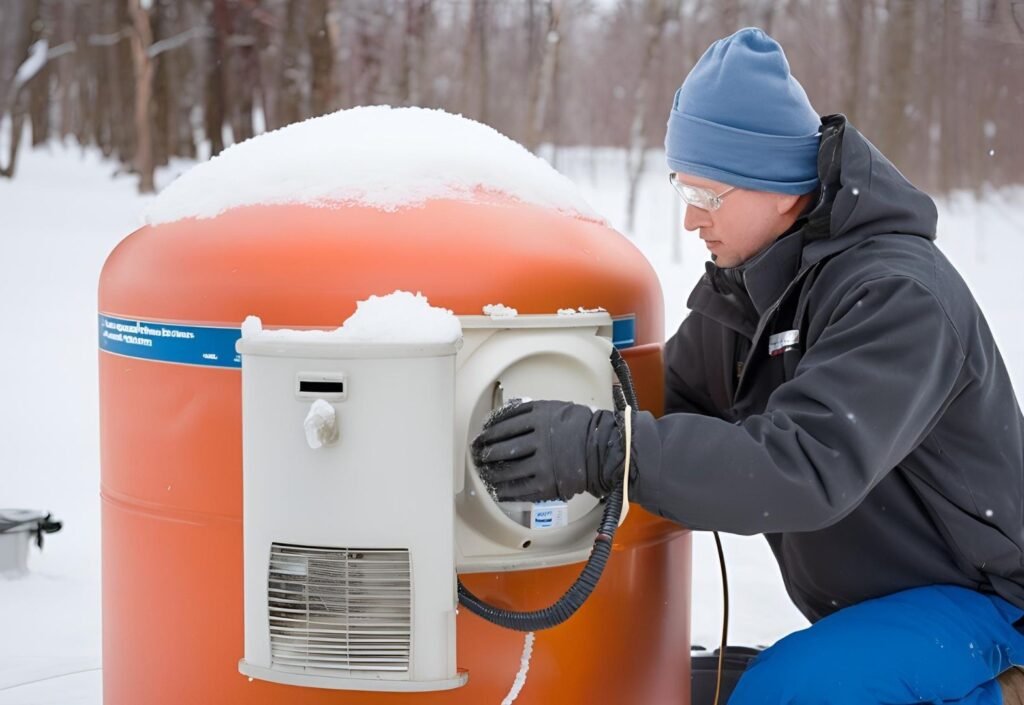
Have you ever found yourself wondering, “Do propane tanks freeze?” Especially when the temperatures drop?
Whether you’re relying on propane for heating your home, firing up your grill for a winter barbecue, or powering your RV, understanding how cold weather impacts propane is crucial. Imagine preparing for a cozy evening indoors, only to discover that your propane supply isn’t working as expected.
That’s a real frustration, right? You’ll discover the truth about propane tanks and freezing conditions. We’ll clear up common myths, provide you with practical tips, and ensure your propane system works smoothly, no matter how chilly it gets. Stay with us to learn how to keep your propane running efficiently, so you can enjoy warmth and comfort throughout the colder months.
Propane Basics
Understanding propane is key to answering the question: do propane tanks freeze? Before diving into the freezing aspect, let’s cover some propane basics that will help you handle your propane tank safely and effectively. Knowing what propane is and how the tanks work will give you a clearer picture of its behavior in cold weather.
What Is Propane?
Propane is a flammable gas commonly used for heating, cooking, and fueling vehicles. It is stored as a liquid under pressure inside tanks and turns into gas when released into the air. This transformation allows it to burn efficiently and provide energy.
Have you ever noticed how propane smells? That distinct odor is added for safety, so you can detect leaks quickly. Without this, propane would be odorless and much more dangerous to handle.
How Propane Tanks Work
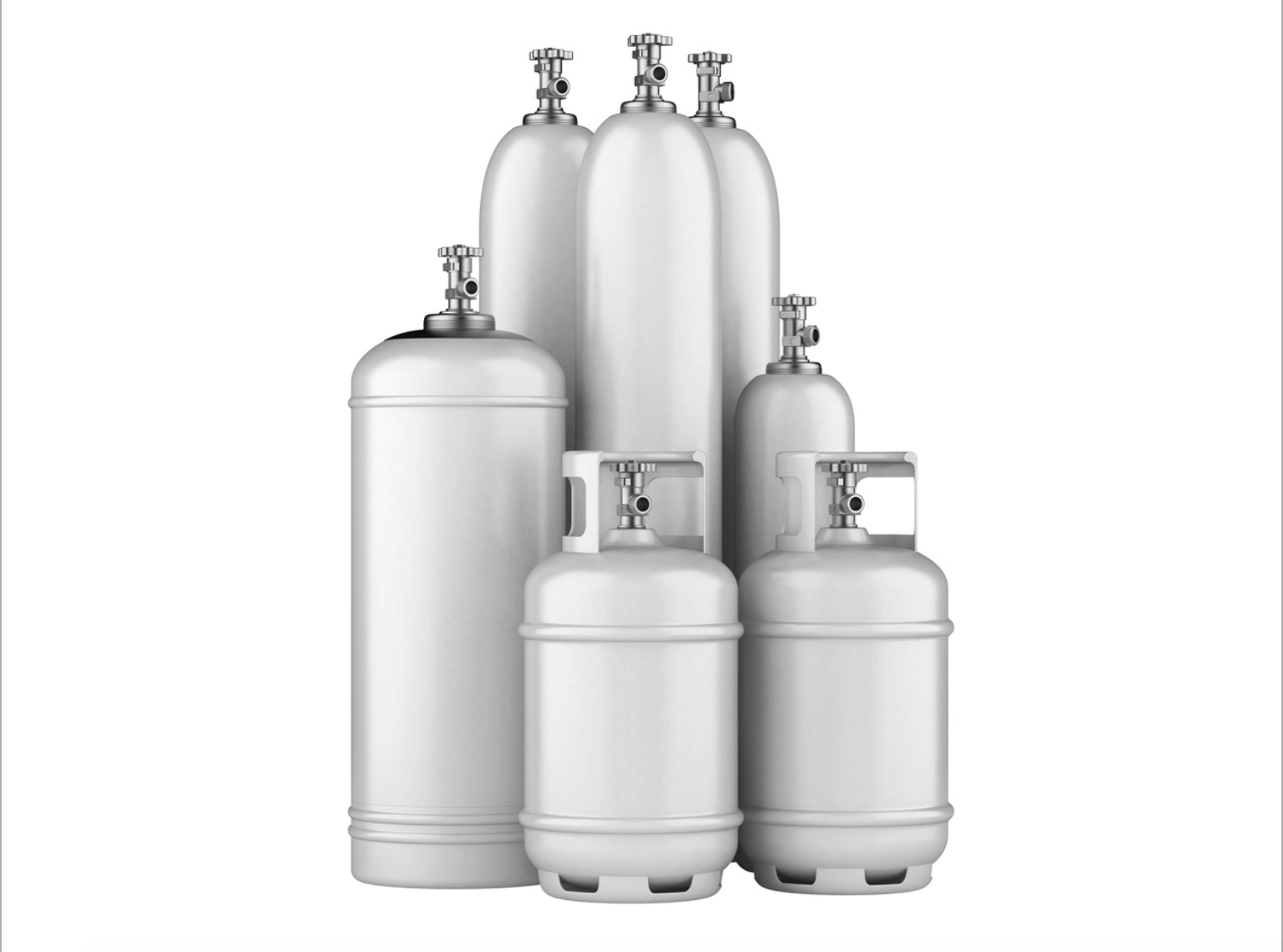
Propane tanks store liquid propane under pressure, keeping it cool and compressed. When you open the tank valve, the liquid propane turns into gas and flows through the regulator to your appliance. The regulator controls the pressure, ensuring a steady and safe gas flow.
One important point is that propane tanks rely on the liquid propane vaporizing to supply gas. If the temperature drops too low, vaporization slows down, which can affect the gas flow. Have you ever experienced your grill not lighting on a cold day? This is often why.
Credit: bryansfuel.on.ca
Freezing Point Of Propane
Understanding the freezing point of propane is crucial if you rely on it for heating or cooking, especially in colder climates. Many people wonder if propane tanks can actually freeze and what happens to the gas inside when temperatures drop. Knowing the behavior of propane at low temperatures helps you manage your tanks safely and efficiently.
Temperature Thresholds
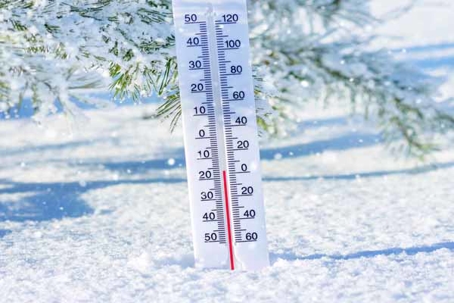
Propane freezes at a very low temperature—about -44°F (-42°C). This means it remains in liquid form at temperatures far below what most people encounter during winter.
Most outdoor temperatures, even in harsh winters, don’t get cold enough to freeze propane. However, the pressure inside the tank can drop at low temperatures, making it seem like the gas is “freezing” or not flowing properly.
Have you ever noticed your propane appliance sputtering or not working well in cold weather? It’s often due to low pressure, not because the propane itself has frozen.
Physical State Changes
Propane exists in three states: gas, liquid, and solid. At normal tank pressure and temperatures above its freezing point, propane stays liquid inside the tank, ready to vaporize into gas when you use it.
As temperatures approach the freezing point, propane transitions from liquid to solid. But reaching this point outdoors is rare, so your tank usually holds liquid propane safely.
- Gas phase:Propane vapor you burn in your grill or heater.
- Liquid phase:Stored propane inside the tank under pressure.
- Solid phase:Only forms at extremely low temperatures, practically never outdoors.
Knowing these changes can help you troubleshoot issues and understand why your propane system behaves differently in cold weather. Could your equipment or regulator be the real problem rather than frozen propane?
Common Myths About Freezing
Many people have wrong ideas about propane tanks freezing. These myths cause confusion and worry during cold weather. Understanding the truth helps keep propane tanks safe and working well. Let’s clear up some common myths about freezing propane tanks.
Can Propane Tanks Freeze Solid?
Propane tanks do not freeze solid like water. Propane is a gas that turns to liquid under pressure. It boils at -44°F (-42°C). Normal winter temperatures rarely get this low. The liquid propane inside the tank stays cold but does not freeze. The tank itself is made of metal that does not freeze or crack easily.
Sometimes frost appears on the tank surface. This happens when moisture in the air meets the cold tank. Frost is normal and does not mean the tank is frozen inside.
Misconceptions About Tank Malfunctions
Some believe propane tanks stop working because they freeze. Tanks can have issues, but freezing is rarely the cause. Problems often come from:
- Low propane levels causing pressure drops
- Blocked valves or regulators
- Faulty equipment or poor maintenance
Proper care and regular checks prevent these problems. Tanks must be filled and stored correctly to avoid issues in cold weather.
Real Risks In Cold Weather
Cold weather can create real challenges for propane tanks that many people don’t anticipate. It’s not just about the tank feeling chilly; the functionality of the propane inside can be affected, leading to issues that could disrupt your heating or cooking needs. Understanding these risks helps you prepare better and avoid inconvenient or even dangerous situations during winter.
Pressure Drop Issues
Propane tanks rely on pressure to push the gas out for use. As temperatures drop, the pressure inside the tank can fall significantly. This happens because propane contracts when it gets cold, lowering the internal pressure.
If the pressure gets too low, your appliances might not work properly or could stop altogether. Have you ever noticed your gas stove flame flickering or going out on a cold day? That’s a sign of low pressure. It’s important to keep your tank at a temperature where the pressure stays stable.
Vaporization Challenges
Propane is stored as a liquid but is used as a gas. For propane to work, it must vaporize from liquid to gas inside the tank. Cold temperatures slow down this vaporization process, which means less gas is available to flow out.
Think about trying to pour syrup when it’s cold—it moves much slower. The same happens inside your propane tank. This can leave you with insufficient fuel even if the tank appears full. To avoid this, you might need to insulate your tank or keep it in a warmer spot during freezing weather.
Safety Tips For Winter Use
Winter brings cold temperatures that can affect propane tanks. Safety is key to avoid problems and keep heating running smoothly. Follow simple tips to protect your propane tanks during cold months. Proper care prevents freezing issues and ensures reliable fuel supply.
Proper Tank Storage
Store propane tanks outdoors in a well-ventilated area. Avoid enclosed spaces where gas can build up. Keep tanks upright on a flat surface to prevent damage. Protect tanks from snow and ice with a shelter or cover. Do not store tanks near heat sources or flames.
Maintaining Adequate Pressure
Propane tanks need enough pressure to work well in cold weather. Use a tank with enough fuel to maintain pressure. Avoid running tanks near empty during winter. Cold can lower pressure, so refill tanks early. Check pressure gauges regularly to ensure proper levels.
Handling And Inspection
Handle tanks gently to avoid damage or leaks. Wear gloves to protect hands from cold metal surfaces. Inspect tanks for rust, dents, or cracks before use. Check valves and connections for tightness and leaks. Replace damaged parts immediately to ensure safety.
Credit: www.townsendtotalenergy.com
Signs Of Trouble
Noticing early signs of trouble with your propane tank can save you from unexpected interruptions and costly repairs. Recognizing these warning signals helps you act promptly and keep your system running smoothly. Let’s look at some clear indicators that your propane tank might be struggling in cold weather.
Detecting Low Pressure
One common sign of trouble is a drop in propane pressure. If your appliances start to sputter or lose heat, it’s a strong hint that the tank’s pressure is too low.
Low pressure often happens because propane needs to vaporize before it can flow properly. When temperatures drop, this process slows down, reducing the pressure inside the tank.
Have you ever noticed your heater struggling on a cold night? That’s your propane tank signaling it can’t keep up. Checking the pressure gauge regularly can help you catch this early.
Identifying Frost Or Ice Buildup
Frost or ice forming on the outside of your propane tank is a visible warning sign. This happens when moisture in the air freezes on the tank’s surface due to the cold temperature of the propane inside.
Ice buildup can block the pressure relief valve, which is a safety hazard. It may also indicate that your tank is not vaporizing propane efficiently.
Have you ever touched a propane tank and felt it was colder than usual or saw frost patches? Don’t ignore these signs—they might mean your tank is at risk of freezing up and not delivering fuel properly.
Preventive Measures
Preventing propane tanks from freezing is essential to keep your appliances running smoothly during cold weather. Taking proactive steps can save you from unexpected interruptions and costly repairs. Let’s look at practical ways you can protect your propane tank from freezing conditions.
Using Tank Warmers
Tank warmers are specially designed devices that gently heat your propane tank. They prevent ice buildup and keep the pressure inside the tank stable. You simply wrap the warmer around your tank and plug it in, making it a straightforward solution.
Many users report that tank warmers are surprisingly energy-efficient. They use just enough heat to stop freezing without wasting power. Have you considered how much hassle you could avoid by using one during winter?
Insulating Your Tank
Insulation helps trap heat around your propane tank, slowing down the freezing process. You can use materials like foam blankets or custom tank covers made for insulation. These options are affordable and easy to install.
Adding insulation doesn’t just help with freezing; it also improves fuel efficiency. When your tank stays warmer, propane vaporizes better, ensuring steady fuel flow. What insulation method fits your setup best?
When To Seek Professional Help
Knowing when to seek professional help is important for propane tank safety. Some problems need expert skills to fix. Avoid trying risky repairs on your own.
Call a professional if you notice unusual signs or feel unsure. They have the tools and knowledge to handle propane tanks safely.
Signs Of A Frozen Propane Tank
Watch for frost or ice buildup on the tank. If gas flow slows or stops, it could be frozen. A professional can check and thaw the tank correctly.
Leaks Or Damage To The Tank
Any leak or visible damage needs immediate expert attention. Propane leaks are dangerous and require quick, safe repair.
Persistent Low Pressure Issues
Low pressure that does not improve may indicate a deeper problem. Experts can test and fix pressure regulators and valves.
When Safety Smells Or Sounds Occur
Hissing sounds or a strong propane smell mean a potential leak. Do not try to fix it yourself. Contact a professional right away.
Regular Maintenance And Inspection
Professionals can perform regular checks to prevent freezing and other issues. Schedule inspections to keep your propane system safe and working well.

Credit: centralpennpropane.com
Frequently Asked Questions
Can Propane Tanks Freeze In Cold Weather?
Propane tanks do not freeze like water. However, extreme cold can cause pressure drop, affecting performance. Proper maintenance prevents issues.
Why Does My Propane Tank Feel Cold Outside?
A propane tank feels cold during use because of gas expansion and pressure changes. This is normal and not freezing.
How To Prevent Propane Tanks From Freezing?
Store propane tanks in a well-ventilated, shaded area. Avoid moisture buildup and regularly check for leaks or damage to prevent freezing.
Does Propane Freeze In Winter Conditions?
Propane freezes at -306°F (-188°C), far colder than natural winter temperatures. Therefore, it does not freeze under normal weather conditions.
Conclusion
Propane tanks can freeze, but it is rare in normal use. Cold weather may cause pressure to drop inside the tank. Keep tanks full and use them properly to avoid freezing. Store tanks in a cool, dry place, away from extreme cold.
Regular checks help ensure safe and smooth propane use. Understanding how propane tanks work helps prevent problems in winter. Stay safe and keep your propane working well all year.