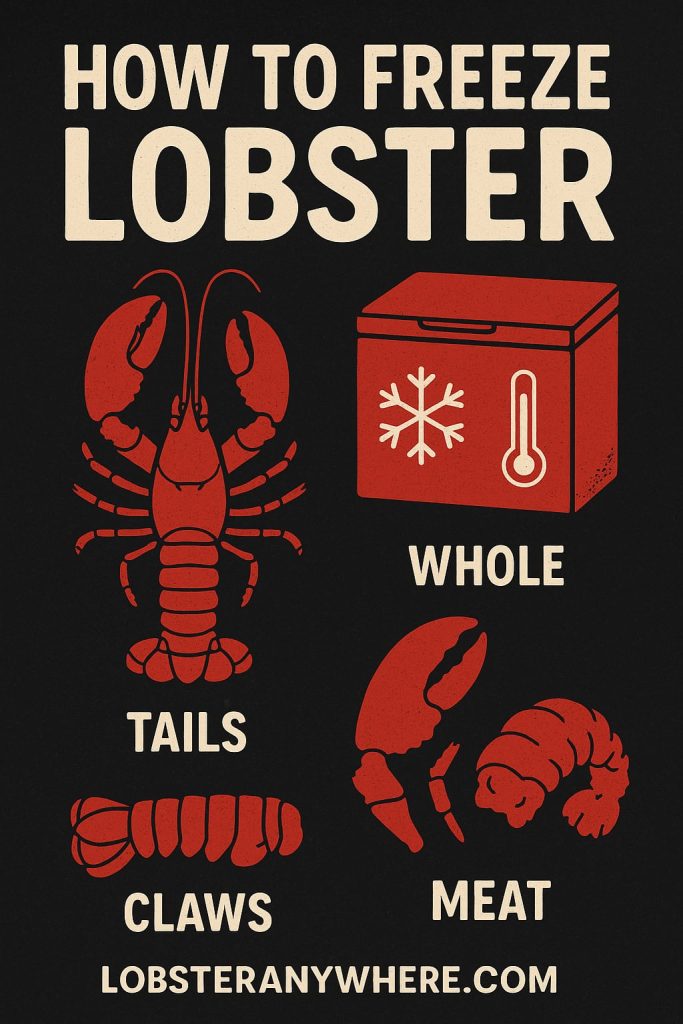
Imagine savoring the rich, sweet taste of lobster tails whenever you want, without worrying about spoilage. Freezing lobster tails is your key to enjoying this delicacy all year round, ensuring every bite is as fresh as the day you bought it.
But how can you freeze them properly without compromising their flavor and texture? You’re about to discover the perfect method that keeps your lobster tails as succulent and mouthwatering as when they were first caught. Dive into this guide, and learn the secrets to preserving your lobster tails like a pro, so you can effortlessly whip up a gourmet meal whenever the craving strikes.
Ready to unlock the door to culinary convenience and delight? Let’s get started!
Credit: thissillygirlskitchen.com
Choosing Fresh Lobster Tails
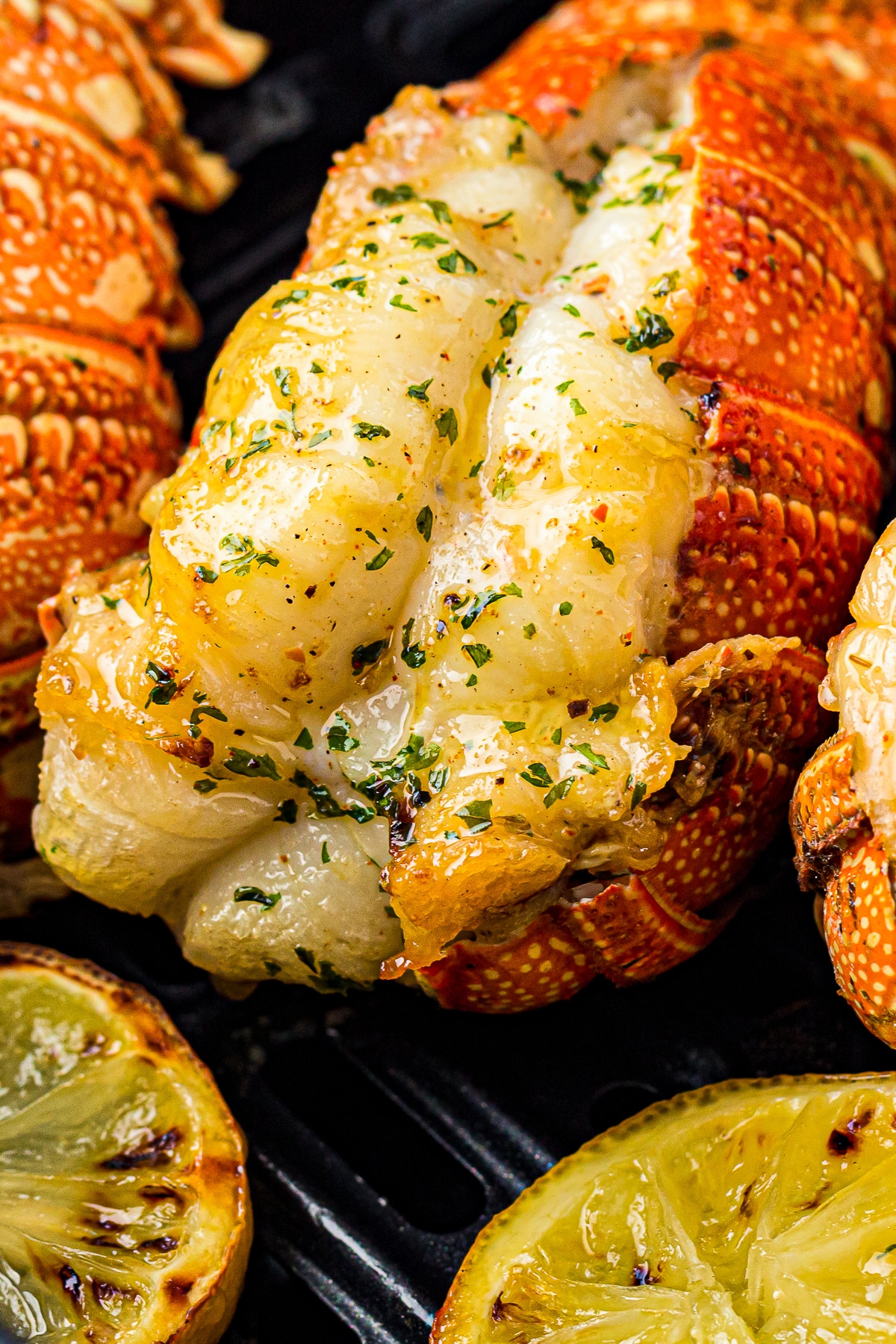
Choosing fresh lobster tails is key for great taste and texture. Fresh tails freeze better and keep their flavor longer. Selecting good quality lobster tails ensures a tasty meal every time. Pay attention to freshness signs and size before buying.
Signs Of Freshness
- The shell should look bright and moist, never dry or cracked.
- A fresh lobster tail smells like the sea, not fishy or sour.
- The flesh inside should be firm and slightly translucent.
- Check for no discoloration or dark spots on the shell or meat.
- Fresh lobster tails feel heavy for their size, not light or hollow.
Selecting The Right Size
Choose lobster tails that fit your recipe and portion needs. Smaller tails cook faster and suit appetizers. Larger tails offer more meat for main dishes.
Consider these size tips:
| Size | Weight | Best For |
|---|---|---|
| Small | 3-4 ounces | Appetizers, salads |
| Medium | 5-7 ounces | Main courses, side dishes |
| Large | 8+ ounces | Special meals, large portions |
Credit: www.tasteofhome.com
Preparing Lobster Tails For Freezing
Preparing lobster tails for freezing is a crucial step that can impact the taste and texture once thawed. Taking a little extra time to clean and dry the tails ensures they stay fresh and flavorful. Have you ever opened frozen lobster only to find it watery or bland? Proper preparation helps you avoid that disappointment.
Cleaning And Deveining
Start by rinsing the lobster tails under cold water to remove any surface dirt or shell fragments. Next, use kitchen scissors to carefully cut through the top shell, stopping just before the tail fin. This gives you access to the meat without damaging it.
Look for the vein running along the back of the meat—this is the digestive tract and should be removed. Gently lift it out with the tip of a knife or your fingers. Removing the vein not only improves the taste but also prevents any gritty texture in your cooked lobster.
Pat Dry For Best Results
After cleaning, pat each lobster tail dry with paper towels. Moisture on the surface can cause ice crystals to form during freezing, which affects texture and flavor. Drying them thoroughly helps preserve the lobster’s natural sweetness.
Try to avoid air drying, as this can leave the tails exposed to bacteria. Instead, wrap them loosely in a clean kitchen towel or paper towel before placing them in freezer bags. This small step can make a big difference the next time you cook your lobster tails.
Wrapping Techniques
Proper wrapping is essential to maintain the flavor and texture of your lobster tails during freezing. The right technique prevents freezer burn and keeps your seafood tasting fresh when you’re ready to cook. Let’s look at two popular methods you can easily try at home.
Using Plastic Wrap And Foil
Start by tightly wrapping each lobster tail in plastic wrap. This layer clings closely to the surface, sealing out air and moisture. It’s important to press out as much air as possible to avoid ice crystals forming.
After the plastic wrap, add a layer of aluminum foil. The foil acts as a sturdy barrier against freezer odors and physical damage. It also helps keep the cold air consistent around the lobster tail.
Have you noticed how some frozen seafood tastes dry or bland? That usually happens when air sneaks in. This double layer method is a simple fix that many home cooks overlook.
Vacuum Sealing Benefits
Vacuum sealing removes almost all the air around the lobster tail before freezing. This method offers superior protection against freezer burn and extends the shelf life significantly. Your lobster tails stay juicy and flavorful for months.
Besides preserving taste, vacuum sealing also makes storage more efficient. Vacuum-packed tails take up less space and stack neatly in your freezer. If you often buy seafood in bulk, this can save you a lot of room.
Do you have a vacuum sealer at home? If not, consider investing in one. It’s a small tool that can make a big difference in how well your frozen foods keep their quality.
Freezing Methods
Freezing lobster tails properly keeps them fresh and tasty for later use. The right freezing methods protect the meat’s texture and flavor. It also helps avoid freezer burn and moisture loss. Knowing the best way to freeze lobster tails saves money and reduces waste.
Quick Freeze Tips
- Rinse lobster tails under cold water before freezing.
- Pat dry with paper towels to remove excess moisture.
- Wrap each tail tightly in plastic wrap or aluminum foil.
- Place wrapped tails inside an airtight freezer bag.
- Press out as much air as possible before sealing the bag.
- Label the bag with the freezing date for easy tracking.
- Freeze lobster tails flat to keep their shape intact.
Optimal Freezer Temperature
Set your freezer temperature at 0°F (-18°C) or below for best results. This temperature keeps lobster tails safe and fresh for up to six months. Avoid temperature fluctuations to prevent freezer burn. Use a freezer thermometer to check the temperature regularly. Proper temperature control maintains lobster quality and taste.
Storage Duration And Safety
Proper storage duration and safety are key when freezing lobster tails. Keeping them frozen too long can affect taste and texture. Storing them safely prevents foodborne illness and waste. Knowing the right freezing time and how to protect lobster tails from damage is essential for best results.
Recommended Freezing Time
Lobster tails stay best in the freezer for up to 6 months. Beyond this, quality starts to drop. Use airtight packaging to keep them fresh. Label packages with the date to track storage time. Freeze lobster tails as soon as possible after buying or cooking.
Avoiding Freezer Burn
Freezer burn dries out lobster tails and changes flavor. Prevent it by wrapping tails tightly in plastic wrap. Then place them in a sealed freezer bag or vacuum-sealed bag. Remove as much air as possible before sealing. Store at a constant temperature below 0°F (-18°C) for best protection.
Thawing Lobster Tails
Thawing lobster tails properly is key to enjoying their rich flavor and tender texture. Rapid or improper thawing can make the meat tough and rubbery. Take time to thaw lobster tails gently to preserve their delicate taste and structure.
Safe Thawing Methods
- Place lobster tails in the refrigerator for 8 to 12 hours.
- Keep them in a sealed bag to prevent water absorption.
- For quicker thawing, submerge sealed tails in cold water for 30 to 60 minutes.
- Change water every 15 minutes to keep it cold.
- Avoid thawing at room temperature to reduce bacteria growth.
Maintaining Texture And Flavor
Keep lobster tails cold during thawing to stop bacteria and keep freshness.
Do not soak tails in water for too long to avoid sogginess.
Pat dry with paper towels before cooking to remove excess moisture.
Cook lobster tails soon after thawing for best taste and texture.
Cooking Frozen Lobster Tails
Cooking frozen lobster tails can be a game-changer for your seafood meals. It lets you enjoy fresh-tasting lobster even if you didn’t plan ahead. The key is to handle the tails properly to keep their texture tender and flavor rich.
Best Cooking Techniques
Start by thawing the lobster tails slowly in the refrigerator overnight. This gentle process helps keep the meat juicy and prevents it from becoming rubbery.
If you’re short on time, place the frozen tails in a sealed bag and submerge them in cold water for about 30 minutes. Avoid using hot water as it can unevenly cook the lobster and ruin the texture.
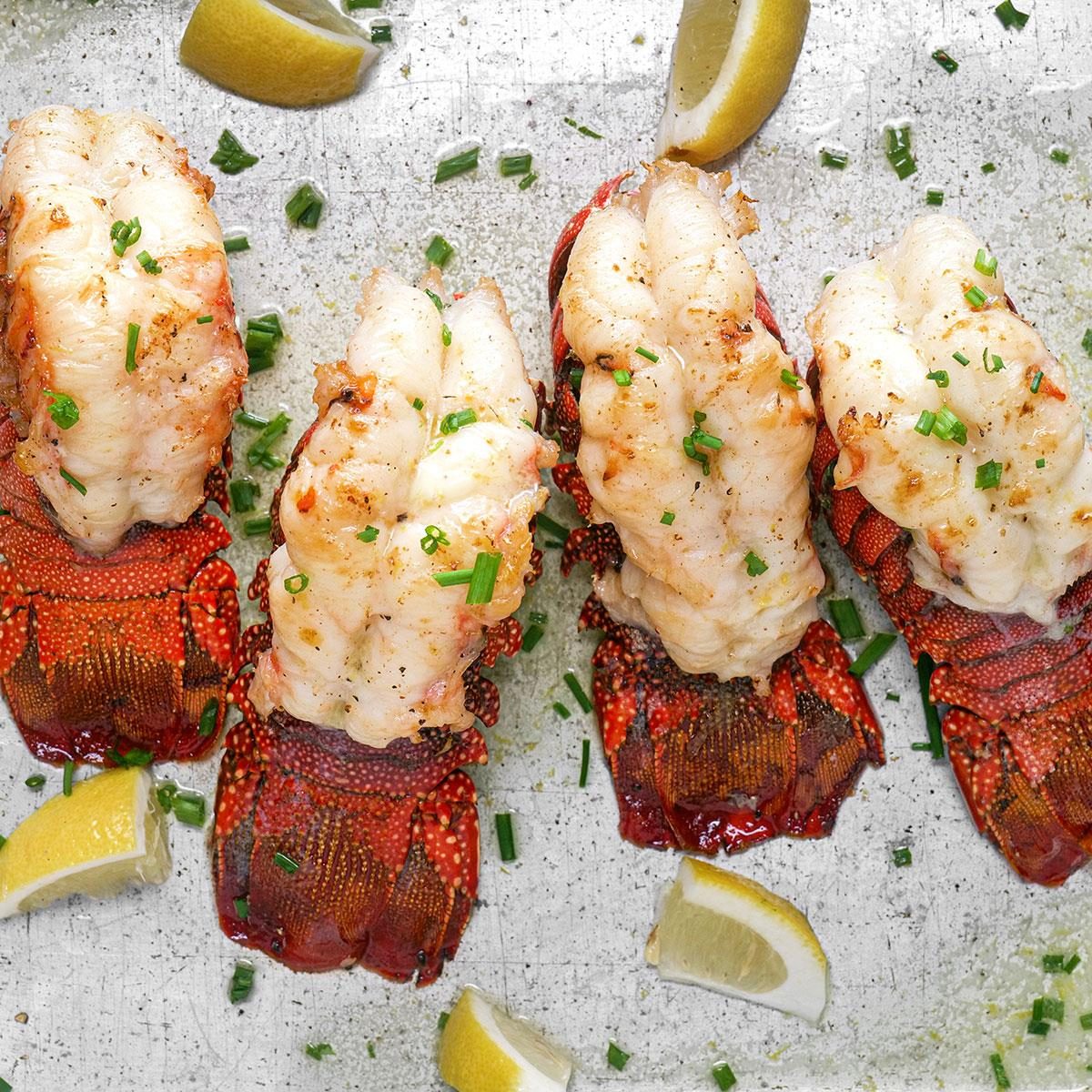
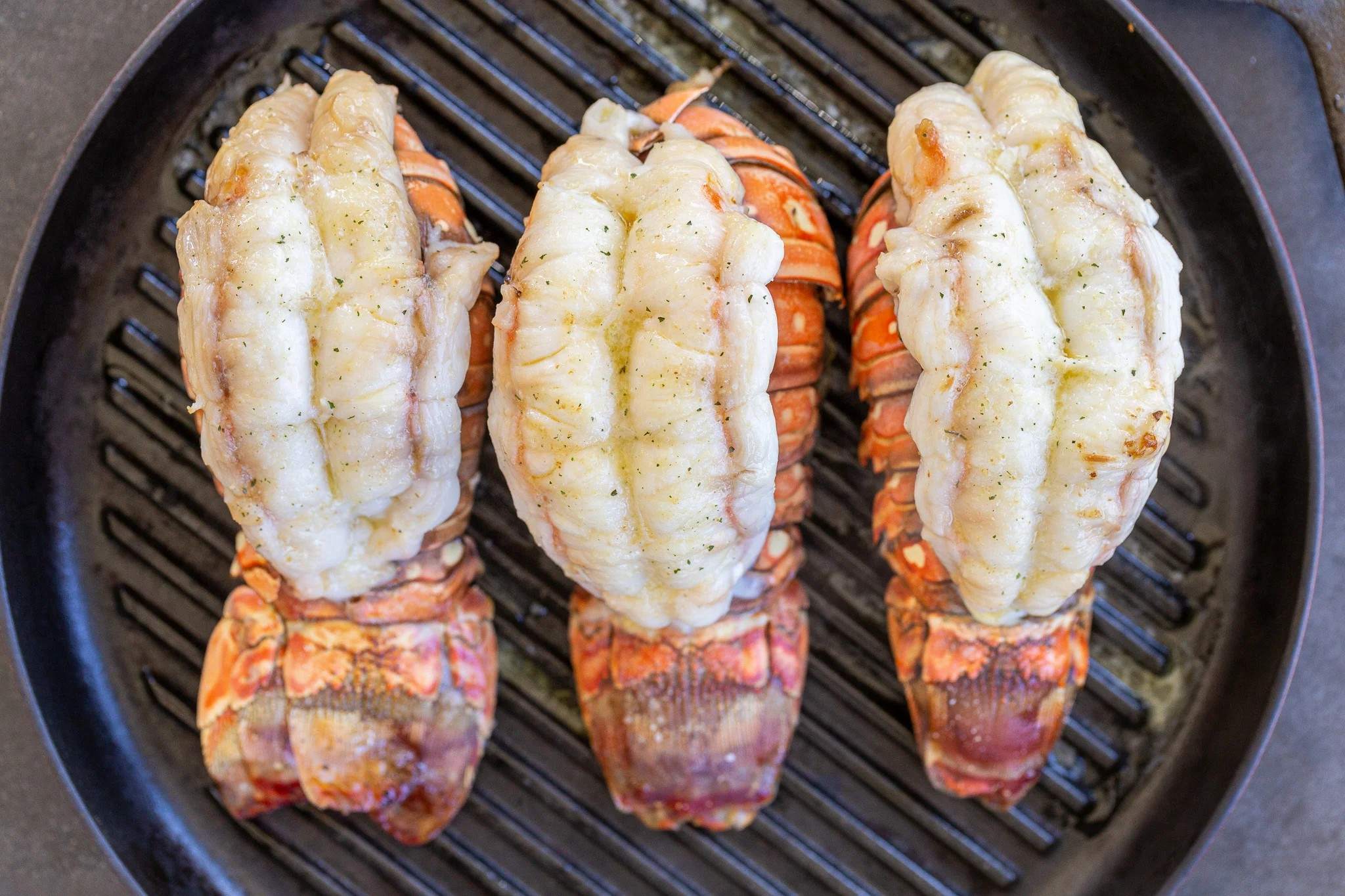
Once thawed, you can cook lobster tails by steaming, baking, grilling, or boiling. Steaming is great for preserving moisture, while grilling adds a smoky flavor that many enjoy. Baking with a bit of butter and herbs enhances the natural sweetness.
Enhancing Fresh Taste
Adding simple ingredients like lemon juice, garlic, and fresh herbs can brighten the flavor significantly. Butter is a classic companion; try melting it with a pinch of paprika or cayenne for a subtle kick.
Don’t overcook the lobster—keep an eye on it. The meat should turn opaque and firm but still feel springy to the touch. Overcooking dries it out and masks the delicate taste.
Have you noticed how a quick brush of butter during grilling makes a huge difference? It not only adds flavor but also keeps the meat moist and tender. Try it next time and see how your frozen lobster tails come alive on the plate.
Credit: gastrodome.com.my
Frequently Asked Questions
How Long Can Lobster Tails Be Frozen Safely?
Lobster tails can be frozen safely for up to 6 months. Ensure they are tightly wrapped in plastic and stored in an airtight container. Proper freezing preserves their flavor and texture while preventing freezer burn.
What Is The Best Method To Freeze Lobster Tails?
The best method to freeze lobster tails is to first rinse and pat them dry. Wrap each tail tightly in plastic wrap, then place them in a freezer bag. Remove excess air before sealing to maintain freshness.
Should Lobster Tails Be Cooked Before Freezing?
It is best to freeze lobster tails raw for optimal taste and texture. Cooking before freezing can cause them to become rubbery when reheated. Freeze raw tails and cook them fresh after thawing.
How Do You Thaw Frozen Lobster Tails Safely?
Thaw frozen lobster tails in the refrigerator overnight for best results. This slow thawing keeps the meat firm and safe. Avoid thawing at room temperature to prevent bacterial growth.
Conclusion
Freezing lobster tails keeps them fresh and tasty for later use. Wrap each tail tightly to avoid freezer burn and loss of flavor. Label the package with the date to track freshness easily. Store lobster tails in the coldest part of your freezer.
Thaw them slowly in the fridge before cooking for best results. Enjoy delicious lobster meals anytime with proper freezing methods. Simple steps make seafood storage easy and effective. Save money and reduce waste by freezing lobster tails correctly.