Imagine this: you’ve just invested in half a cow, and your kitchen is about to be stocked with some of the best quality beef you can get. But now, you’re facing a new challenge—how big of a freezer do you need to store it all?
You’re not alone in this dilemma. Many people find themselves uncertain about freezer sizes when stocking up on large quantities of meat. Don’t worry, though. By the end of this article, you’ll know exactly what size freezer is perfect for your needs.
We’ll break it down into simple steps, ensuring you make the right choice without any stress. Keep reading to discover how to keep your beef fresh and delicious for months to come.

Credit: www.reddit.com
Freezer Size Basics
Choosing the right freezer size is key for storing large amounts of meat. For one or two cows, a freezer must have enough space to keep all the cuts fresh and safe. Understanding freezer size basics helps in picking a unit that fits your needs without wasting space or energy.
Freezer size depends on how much meat you want to store and how you plan to organize it. A freezer too small will overcrowd the meat, causing uneven freezing. A larger freezer gives more room for air circulation and easy access to different cuts.
Factors Influencing Freezer Size
- Amount of meat from one or two cows
- Type of cuts and packaging style
- Available space for freezer installation
- Frequency of adding or removing meat
- Energy efficiency and operating costs
Types Of Freezers Suitable For Large Meat Storage
- Chest freezers: Deep and wide, ideal for bulk storage
- Upright freezers: Easy to organize with shelves and doors
- Commercial freezers: Designed for heavy-duty use and large capacity
- Walk-in freezers: Best for very large quantities and long-term storage
Credit: www.christensenranch.com
Estimating Meat Volume From 1 To 2 Cows
Estimating the meat volume from one or two cows helps plan freezer space effectively. Knowing the amount of meat guides purchasing the right size freezer. It also avoids storage problems and waste. This section breaks down the average meat yield per cow and calculates total storage needs.
Average Yield Of Meat Per Cow
The average live weight of a cow ranges from 1,000 to 1,200 pounds. After butchering, the hanging weight (carcass weight) is about 60% of live weight. The actual meat yield you get is roughly 60-70% of the hanging weight.
| Weight Type | Weight Range (lbs) |
|---|---|
| Live Weight | 1,000 – 1,200 |
| Hanging Weight (60% of live) | 600 – 720 |
| Usable Meat (60-70% of hanging) | 360 – 504 |
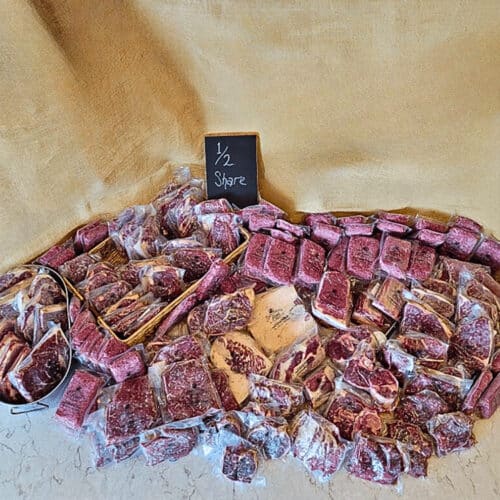
On average, expect about 400 to 500 pounds of meat from one cow. This includes steaks, roasts, ground beef, and other cuts. Two cows will double this amount, roughly 800 to 1,000 pounds of meat.
Calculating Total Storage Needs
Freezer space depends on meat volume and packaging. Meat usually takes about 0.5 to 0.7 cubic feet per 100 pounds. Packaging style also affects space. Vacuum-sealed packages save room compared to bulky wrapping.
- One cow (450 pounds): about 2.25 to 3.15 cubic feet
- Two cows (900 pounds): about 4.5 to 6.3 cubic feet
For 1 to 2 cows, a freezer with 6 to 7 cubic feet capacity works well. This size fits all cuts comfortably without overcrowding. Proper airflow keeps meat fresh longer.
Recommended Freezer Capacities
Choosing the right freezer size is key for storing beef from one or two cows. Proper freezer capacity keeps meat fresh longer. It also helps organize cuts efficiently and prevents waste. The size depends on the amount of beef and your storage needs.
Freezer capacity is measured in cubic feet. Larger freezers hold more meat but take more space and energy. Smaller freezers save room and power but may fill quickly. Knowing the amount of beef from one or two cows guides the right choice.
Minimum Size For One Cow
One cow yields about 400 to 500 pounds of meat. This needs roughly 20 to 25 cubic feet of freezer space. A chest freezer or upright freezer in this range works well. It offers enough room to store cuts without crowding.
- 20 to 25 cubic feet capacity
- Space to organize different cuts
- Good air circulation for even freezing
This size fits average home freezers. It balances capacity and energy use. Avoid smaller freezers to prevent overpacking.
Options For Two Cows Storage
Two cows produce about 800 to 1,000 pounds of beef. This requires 40 to 50 cubic feet of freezer space. You can use one large freezer or two medium-sized freezers. Large freezers offer convenience but need more room.
- 40 to 50 cubic feet total capacity
- Multiple compartments help organize cuts
- Consider energy efficiency for larger units
Using two freezers allows flexibility. Store different types of meat separately. It also helps if freezer space is limited in one area.
Freezer Features For Large Meat Storage
Choosing a big freezer for storing meat from one or two cows requires attention to key features. These features ensure the meat stays fresh and safe for long periods. The right freezer keeps a steady cold temperature and offers enough space. It also uses energy wisely and helps organize large meat cuts efficiently. Understanding these features helps you pick the best freezer for large meat storage.
Temperature Control And Consistency
Stable temperature is vital for preserving meat quality. A freezer with precise temperature control avoids thawing and refreezing. Look for models that maintain temperatures around -18°C (0°F). Digital thermostats make adjustments easy and accurate. Even cold distribution prevents spoilage in all freezer sections. Consistent cold slows bacterial growth and keeps meat fresh longer.
Energy Efficiency Considerations
Large freezers consume significant power. Energy-efficient models reduce electricity bills over time. Look for freezers with high energy star ratings. Insulation quality affects energy use and temperature stability. Features like automatic door seals prevent cold air loss. Using energy-efficient freezers is better for the environment and budget.
Shelving And Organization
Proper organization helps store large meat cuts neatly. Adjustable shelves allow customization for big or small items. Removable baskets or drawers improve access and sorting. Clear shelving lets you see stored meat easily. Good organization prevents overcrowding, ensuring proper airflow. Airflow is crucial to keep meat frozen evenly throughout.
Placement And Installation Tips
Choosing the right spot for a big freezer designed to store meat from 1 to 2 cows is more important than you might think. Proper placement and installation ensure the freezer works efficiently and lasts longer. Let’s look at key factors that will help you make the best choice.
Space Requirements
Big freezers need plenty of room—not just for the unit itself but also for easy access and maintenance. Measure the freezer dimensions carefully and add extra space around it for opening doors fully. Consider the space you’ll need to move large cuts of meat in and out without hassle.
Think about the floor strength too. Freezers for storing cow meat are heavy, especially when fully loaded. Ensure your floor can handle the weight to avoid any structural issues.
Ventilation Needs
Freezers generate heat while running, so good airflow is crucial to keep them cool and efficient. Avoid placing the freezer in a cramped corner or against a wall that blocks vents. A gap of at least a few inches around the back and sides helps air circulate properly.
Have you checked if your installation spot gets direct sunlight or is near heat sources like ovens or heaters? Heat can make your freezer work harder, raising energy bills and wear. A shaded, cool area is always better.
Accessibility For Frequent Use
If you plan to access your freezer regularly, convenience matters a lot. Place it somewhere easy to reach from your kitchen or processing area. This saves time and effort when you need to grab meat quickly.
Also, make sure the freezer door can open fully without obstruction. Imagine trying to pull out large meat cuts but hitting a wall or other appliances—it’s frustrating and inefficient. Keep walkways clear and consider lighting for better visibility during use.
Maintaining Your Large Freezer
Maintaining your large freezer designed for storing 1 to 2 cows is essential to keep your meat fresh and safe. Proper care extends the life of your appliance and saves you money on repairs. With the right routine, you can avoid common freezer problems and enjoy optimal performance every day.
Cleaning And Defrosting
Regular cleaning prevents bad odors and bacterial buildup inside your freezer. Wipe down shelves and walls with a mild detergent and warm water every few months. Avoid harsh chemicals that can damage the surfaces or leave residues on your meat.
Defrosting is key if your freezer is not frost-free. Ice buildup reduces storage space and makes your freezer work harder, increasing energy costs. Turn off the freezer and let the ice melt naturally, then clean the interior before switching it back on.
Preventing Freezer Burn
Freezer burn happens when air reaches your meat, causing dry spots and flavor loss. Use airtight packaging like vacuum-sealed bags or heavy-duty aluminum foil to protect your beef. Check the seals regularly and replace packaging if it’s damaged or worn.
Keeping your freezer at a consistent temperature below 0°F (-18°C) also helps prevent freezer burn. Have you noticed how even a small temperature change can affect the quality of your stored meat? This simple control can make a big difference.
Regular Performance Checks
Monitor your freezer’s temperature with a reliable thermometer. Fluctuations could signal a problem with the thermostat or door seals. Inspect the door gasket for cracks or gaps that let cold air escape.
Listen for unusual noises or longer running cycles, which might mean your freezer needs servicing. Testing the defrost timer and checking the condenser coils for dust buildup can keep your freezer running efficiently. Would you want your freezer to break down during a big storage day?
Budgeting And Cost Factors
Budgeting for a big freezer to store one or two cows involves several cost factors. Understanding these helps plan your expenses clearly. You can avoid surprises and manage your budget better by knowing what to expect.
Costs go beyond just buying the freezer. Think about running costs and long-term value too. Each part affects your overall spending and savings.
Initial Purchase Price
The first cost is the freezer’s price. Prices vary by size, brand, and features. A large freezer for one or two cows usually costs more than smaller models. Quality and durability affect the price as well.
Look for freezers with good reviews and reliable warranties. This helps avoid extra costs from repairs or replacements soon after purchase.
Operational Costs
Running a big freezer uses electricity daily. Power consumption depends on freezer size and efficiency. Expect higher electricity bills with larger freezers.
Maintenance is another cost. Regular cleaning and occasional repairs keep the freezer working well. Neglecting maintenance can lead to costly breakdowns.
Long-term Investment Benefits
A big freezer protects your meat from spoilage. This saves money by reducing waste. Proper storage keeps meat fresh for longer periods.
Investing in a quality freezer adds value to your farm or business. It allows better planning and stock management. Over time, the freezer pays for itself through savings and improved efficiency.

Credit: www.5sfarms.ca
Frequently Asked Questions
What Size Freezer Is Needed For One Cow?
A freezer with at least 20 to 25 cubic feet capacity is ideal for storing one cow’s meat. This size ensures enough space for proper freezing and organization. It maintains meat quality and prevents spoilage.
How Much Meat Does One Cow Produce For Freezing?
One cow yields approximately 400 to 500 pounds of meat after processing. This amount requires ample freezer space for safe and efficient storage. Proper freezing preserves taste and texture.
Can A Large Freezer Save Money For Cow Owners?
Yes, buying a large freezer helps store bulk meat, reducing frequent purchases. It allows owners to buy whole cows at lower prices. This approach saves money and ensures fresh meat availability.
What Features Matter In A Freezer For Cow Meat?
Look for strong insulation, adjustable temperature, and spacious compartments. These features maintain consistent cold, organize large meat cuts, and improve energy efficiency. A reliable freezer protects meat quality over time.
Conclusion
Choosing the right big freezer for one or two cows saves time and money. It keeps meat fresh and safe for longer. Space and temperature control matter a lot in this choice. A good freezer fits your needs without wasting energy.
Remember, proper storage helps maintain meat quality and taste. This makes your farm work easier and more efficient. Take your time to pick a freezer that works well for you. Your meat stays fresh, and you stay satisfied. Simple steps lead to better results.