
When your outside unit freezes up, it can feel like you’re suddenly thrust into a winter wonderland, but without any of the fun or magic. Instead, you’re left with a hefty problem that could potentially disrupt your comfort and peace at home.
You might wonder, “Why did this happen? What should I do? ” Don’t worry; you’re not alone, and you’re in the right place. Understanding the root of the issue and knowing what steps to take can save you time, stress, and money.
Stick around, and you’ll discover the simple solutions and preventive measures that will keep your outside unit running smoothly, ensuring your home remains a cozy haven.

Credit: a1heating.com
Signs Of A Frozen Unit
Noticing the signs of a frozen outside unit early can save you from costly repairs and discomfort. A frozen unit doesn’t just stop working efficiently; it can cause damage if left unchecked. Paying attention to these warning signs helps you act quickly and protect your system.
Visible Ice Formation
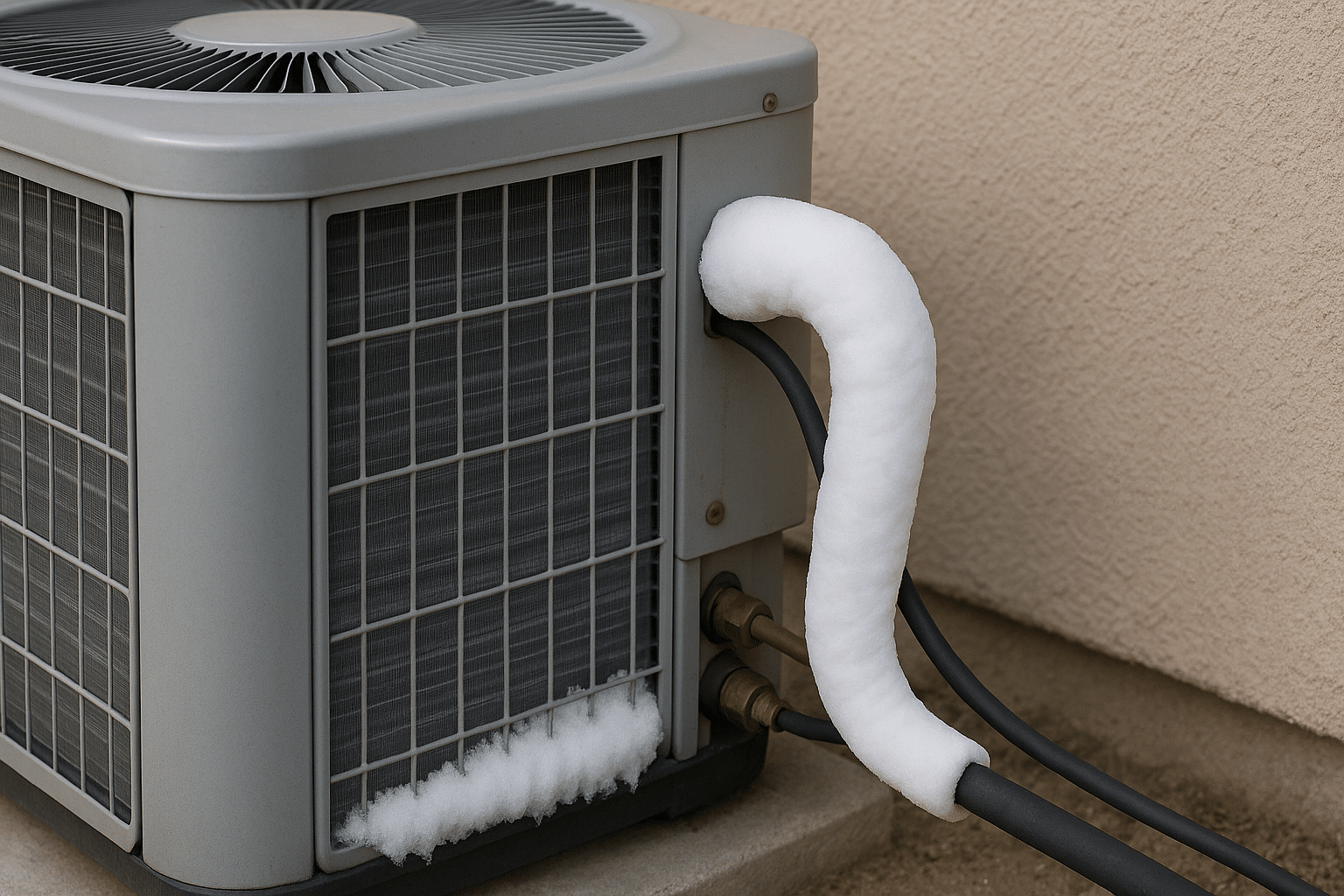
Ice buildup on the outside unit is the most obvious sign that something is wrong. You might see frost or thick ice covering the coils or fan blades. If you spot ice, it’s a clear indicator that your unit is struggling to operate properly.
Have you ever touched the unit only to find it cold and slippery with ice? This is a red flag that needs immediate attention to avoid bigger problems.
Reduced Airflow
If the air coming from your vents feels weaker or warmer than usual, it could be due to a frozen outdoor unit. Ice restricts airflow, making your system work harder to push air through. This leads to less cool air inside your home.
Think about the last time your AC didn’t cool a room as expected. Could frozen coils outside be the reason behind it?
Unusual Noises
Frozen units often cause strange sounds like buzzing, rattling, or grinding. Ice can jam moving parts, making the unit work under stress and create noise. These sounds are your unit’s way of signaling distress.
Have you heard odd noises from your AC and ignored them? Listening carefully can help you catch ice problems before they escalate.
Credit: serviceplusheatingcooling.ca
Common Causes Of Freezing
When your outside unit freezes up, it’s frustrating and often puzzling. Understanding the common causes of freezing helps you spot problems before they worsen. Let’s look at some key reasons your unit might be freezing and what you can do about them.
Dirty Air Filters
Dirty air filters restrict airflow, causing the refrigerant to get too cold and freeze the coils. You might not notice it at first, but a clogged filter forces your system to work harder. Changing or cleaning your air filters regularly can prevent freezing and improve air quality.
Low Refrigerant Levels
Low refrigerant means your unit can’t absorb heat properly, leading to ice buildup. This often results from leaks or improper charging during installation. If your unit is freezing and you notice poor cooling, check the refrigerant level—you’ll likely need a professional to refill and fix leaks.
Blocked Vents
Blocked vents choke airflow, similar to dirty filters, and cause the coils to freeze. Furniture, curtains, or debris outside can block vents without you realizing it. Make sure all vents are clear to keep air flowing freely and avoid ice formation.
Faulty Fan Motor
The fan motor circulates air over the coils to prevent freezing. When it’s faulty, airflow slows or stops, allowing ice to build up. If you hear unusual noises or your unit isn’t blowing air well, the fan motor might need repair or replacement.
Immediate Steps To Take
Noticing your outside HVAC unit frozen can be frustrating, especially when you need it most. Acting quickly and correctly can prevent further damage and get your system back to working efficiently. Here are the immediate actions you should take to handle a frozen outdoor unit safely and effectively.
Turn Off The System
First, switch off your HVAC system at the thermostat. This stops the compressor and fan, preventing more ice buildup. Leaving it running while frozen can cause serious damage to your unit’s components.
Next, turn off the power at the breaker for extra safety. This ensures no electrical parts operate during the thawing process. Have you ever tried fixing something while it’s still powered on? It rarely ends well.
Allow Ice To Melt Safely
Never try to chip away the ice yourself; this can harm the coils and other delicate parts. Instead, let the ice melt naturally by leaving the system off for several hours. Using a hairdryer on low heat at a safe distance can speed up the process, but avoid applying direct heat to any plastic or electrical parts.
Place towels or a shallow pan under the unit to catch melting water and prevent mess. Watching ice melt might seem slow, but rushing this step often leads to costly repairs. Patience here saves you money and hassle.
Check Air Filters
Dirty air filters reduce airflow, which can cause your unit to freeze. After the ice has melted, inspect your filters and replace them if they’re clogged or dirty. This simple step can prevent future freezing problems and improve your system’s efficiency.
Ask yourself: When was the last time you changed your air filters? Regular maintenance is key to avoiding these freezing headaches. Keeping filters clean helps your system breathe better and last longer.
Preventive Measures
Preventing the outdoor unit from freezing up saves time and money. Taking simple steps helps the system work better and last longer. These measures reduce ice build-up and keep your home comfortable. Follow these easy tips to protect your unit.
Regular Maintenance
Clean or replace air filters every month during heavy use. Dirty filters block airflow and cause freezing. Check the refrigerant levels; low refrigerant leads to ice formation. Clear debris and dirt from coils to improve heat exchange. Regularly inspect the fan to ensure it spins freely. These small tasks keep the unit running smoothly and prevent freezing.
Keep Outdoor Unit Clear
Remove leaves, dirt, and snow from around the unit. Keep at least two feet of clearance on all sides. Trim plants and bushes near the unit to allow good airflow. Avoid placing objects on or near the unit. Good airflow stops cold air from trapping and freezing the coils. Clearing space helps the unit work efficiently.
Schedule Professional Inspections
Hire a licensed technician at least once a year. Professionals check refrigerant levels, electrical connections, and overall system health. They spot early signs of wear that cause freezing. A technician can clean hard-to-reach parts thoroughly. Regular inspections reduce the risk of costly repairs. Trust experts to keep your unit safe and efficient.
When To Call A Technician
Knowing when to call a technician is crucial if your outside unit freezes up. Some issues can be fixed with simple steps, but others need professional expertise to avoid further damage. Recognizing the signs that require expert help can save you time and money.
Persistent Freezing Issues
If your unit keeps freezing even after you’ve cleared the ice, it’s time to call a technician. Persistent freezing often points to underlying problems like clogged filters or blocked airflow that need professional inspection. You don’t want to keep defrosting it only to see the ice return within hours.
Have you noticed ice building up repeatedly despite your efforts to keep the unit clear? That’s a clear signal that your system needs a closer look by an expert.
Refrigerant Leaks
Low refrigerant levels cause the unit to freeze up and reduce its cooling efficiency. Since refrigerant is a controlled substance, only certified technicians should handle leaks and refills. Attempting to fix a refrigerant leak yourself can be dangerous and illegal in many areas.
Watch out for signs like hissing sounds or oily residue on the unit, which often indicate a leak. Ignoring these symptoms can lead to more severe damage and costly repairs down the line.
Electrical Problems
Electrical issues inside the outside unit can cause it to malfunction and freeze. These problems might include faulty wiring, a broken thermostat, or a malfunctioning compressor. Since electricity poses serious safety risks, a professional should handle any electrical troubleshooting.
Have you experienced your unit shutting off unexpectedly or not turning on at all? These could be signs that the electrical components need expert attention to prevent bigger hazards.

Credit: www.reddit.com
Frequently Asked Questions
Why Does My Outside Unit Freeze Up?
Your outside unit freezes due to poor airflow or low refrigerant. Dirty filters or blocked vents restrict air. Low refrigerant causes the coils to freeze. Regular maintenance helps prevent freezing and ensures efficient operation.
How Can I Safely Defrost A Frozen Unit?
Turn off the system to stop the freeze. Allow the ice to melt naturally; avoid sharp tools. Check filters and vents for blockages. Restart the system only after complete defrosting to avoid damage.
Can A Frozen Unit Cause System Damage?
Yes, frozen units can damage compressors and coils. Running the system while frozen stresses components. Prompt defrosting and maintenance prevent costly repairs and extend unit lifespan.
When Should I Call A Professional For Freezing Issues?
Call a technician if freezing recurs or ice is severe. Professionals check refrigerant levels and system components. They ensure safe, effective repairs and prevent future freezing problems.
Conclusion
A frozen outside unit can cause many problems. Act quickly to prevent damage and save energy. Turn off your system to let the ice melt safely. Clean the area around the unit for better airflow. Check filters and vents for blockages.
Regular maintenance helps avoid freezing issues. Call a professional if the problem continues. Staying alert keeps your unit working well all year. Simple steps can protect your home and comfort.