Have you ever faced the frustration of a propane grill or heater suddenly not working in the middle of a cold snap? You’re not alone.
Many people experience this puzzling issue during colder months and often wonder, “Can a propane regulator freeze? ” Understanding the mechanics behind your propane system can help you avoid unexpected interruptions, especially when you need it most. We’ll unravel the mystery behind frozen propane regulators and share practical tips to keep your equipment running smoothly, regardless of the weather.
Stay with us to ensure that your next cookout or cozy evening isn’t left out in the cold.
How Propane Regulators Work
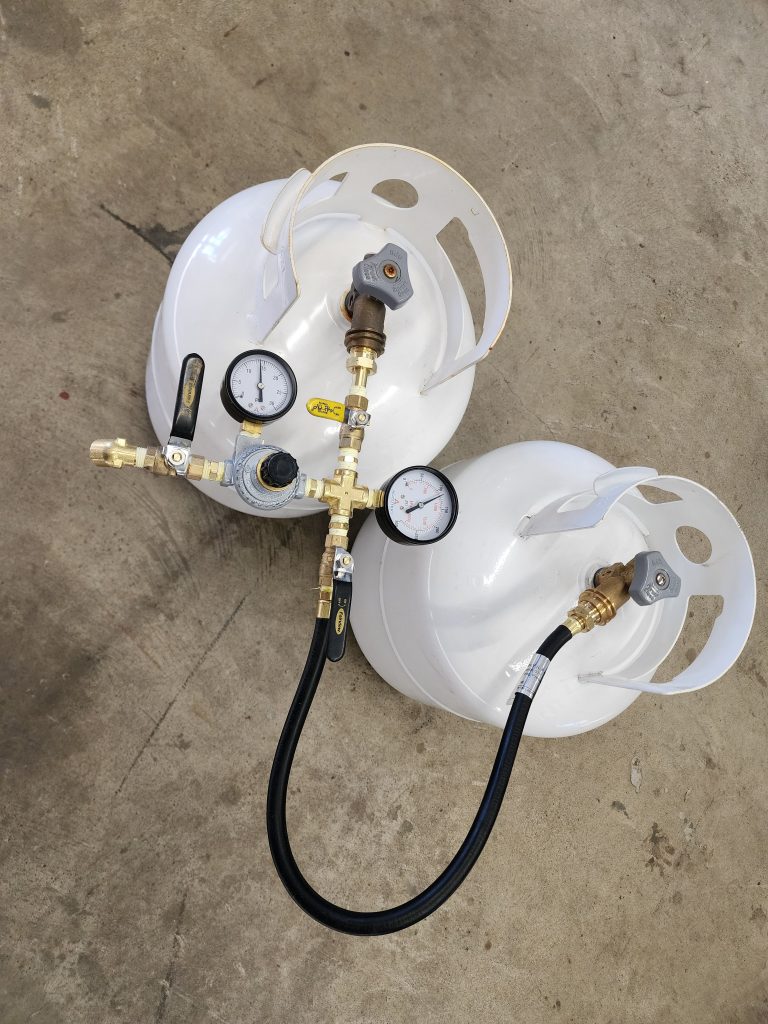
A propane regulator controls the pressure of propane gas from the tank to the appliance. It ensures the gas flows safely and steadily for proper use. Without a regulator, the gas pressure could be too high, causing damage or danger.
The regulator adjusts the high pressure inside the propane tank to a lower, usable pressure. It uses a valve and a diaphragm to keep the flow consistent. The regulator also stops the gas flow if the pressure gets too high.
Basic Components Of A Propane Regulator
- Inlet connection from the propane tank
- Pressure control valve
- Diaphragm that senses pressure changes
- Outlet connection to the appliance
How Pressure Is Reduced
Propane inside the tank is under high pressure. The regulator’s valve opens to let gas flow. The diaphragm detects the pressure and adjusts the valve. It lowers the pressure to a safe and steady level.
Maintaining Steady Gas Flow
The regulator keeps the gas flow steady. It opens more if pressure drops. It closes a bit if pressure rises. This balance protects appliances and ensures efficient operation.
Why Regulators Freeze
Understanding why propane regulators freeze is key to preventing unexpected disruptions in your gas supply. Freezing happens when certain conditions combine, causing ice to build up and block the regulator. Let’s break down the main reasons behind this issue so you can keep your system running smoothly.
Moisture In The System
Moisture is often the hidden culprit in regulator freezing. Water vapor can enter the propane system from the air or condensation inside the tank.
When the gas flows through the regulator, the moisture can freeze due to the temperature drop caused by gas expansion. This ice then clogs the regulator, stopping the flow of propane.
Have you checked your system for leaks or moisture buildup lately? A simple inspection could save you from a frozen regulator.
High Gas Flow Demand
High demand for propane can cause the regulator to freeze faster than you might expect. When a lot of gas is used quickly, the pressure inside drops sharply.
This pressure drop causes the temperature to fall, sometimes well below freezing. If moisture is present, it will turn to ice and block the regulator.
Think about the last time you used multiple propane appliances at once—did you notice any issues? Managing your gas usage can help prevent freezing problems.
Cold Weather Impact
Cold temperatures alone don’t cause regulators to freeze, but they make the situation worse. When the outside air is very cold, it speeds up the cooling effect inside the regulator.
Combined with moisture and high gas flow, cold weather creates the perfect storm for ice buildup. This is why regulators often freeze during winter months.
Are you prepared for the cold season with proper insulation or covers for your regulator? Taking simple precautions can keep your propane flowing no matter the weather.
Signs Of A Frozen Regulator
Recognizing a frozen propane regulator early helps avoid safety risks and service interruptions. The regulator controls gas flow from the tank to your appliances. When it freezes, gas flow slows or stops, causing issues.
Watch for clear signs that point to a frozen regulator. These signs help you take quick action to prevent damage and keep your propane system running smoothly.
Visible Ice Or Frost On The Regulator
Ice or frost on the regulator body is a clear sign of freezing. It appears as white or translucent patches on the metal surface. This happens because moisture in the air freezes on the cold regulator.
Reduced Or No Gas Flow
Your appliances may burn weakly or stop working. A frozen regulator restricts gas flow, causing low flame or no flame at all. Check burners and pilot lights for signs of poor gas supply.
Hissing Or Whistling Sounds
Unusual sounds near the regulator may signal a problem. Hissing or whistling can mean gas is struggling to pass through. This often happens when ice blocks the regulator’s internal parts.
Pressure Gauge Drops
If your system has a pressure gauge, watch for drops below normal levels. A frozen regulator can reduce pressure, causing the gauge needle to fall. This affects appliance performance and safety.
Cold Or Wet Regulator Surface
The regulator feels colder than usual or damp to the touch. Moisture collects on the surface and freezes. This physical sensation is a good clue of freezing conditions.

Credit: www.reddit.com
Dangers Of A Frozen Regulator
A frozen propane regulator is more than just an inconvenience—it can create serious risks for your home and safety. When ice forms on the regulator, it can block or alter the flow of gas, leading to unpredictable and potentially dangerous situations. Understanding these dangers helps you take quick action before small issues turn into emergencies.
Gas Flow Disruption
Ice buildup on your propane regulator restricts the flow of gas to your appliances. This can cause your heater, stove, or grill to perform poorly or stop working altogether. Have you ever noticed your heater struggling during a cold snap? That could be a sign of a frozen regulator.
When gas flow is interrupted, appliances may sputter or produce weak flames. This not only wastes fuel but also leads to uneven heating, making your home uncomfortable. You might even face complete shutdowns, leaving you without heat in freezing conditions.
Safety Hazards
A frozen regulator can create dangerous pressure changes in your propane system. If the gas flow suddenly stops and then restarts unexpectedly, it can cause leaks or even explosions. These risks are real and can threaten your safety and property.
Additionally, frozen regulators can lead to incomplete combustion, producing carbon monoxide—a silent, deadly gas. Have you checked your carbon monoxide detectors recently? Keeping them functional is essential when dealing with propane appliances in cold weather.
To stay safe, inspect your propane regulator regularly during winter. Look for signs of frost or ice and never try to thaw it with open flames or heat sources that could ignite gas. Instead, gently warm the area with warm water or wait for natural thawing.
Preventing Regulator Freeze
Preventing your propane regulator from freezing is essential to keep your system running smoothly, especially in cold weather. Ice buildup can block gas flow, causing interruptions or safety hazards. Taking simple steps can help you avoid this frustrating issue and keep your propane working efficiently.
Regular Maintenance
Check your propane regulator regularly for any signs of wear or damage. Dirt, debris, and moisture buildup can increase the risk of freezing. Clean the regulator gently with a soft brush or cloth to remove any buildup.
Look for cracks or leaks in the hoses and connections. Replacing worn parts promptly can prevent moisture from entering and freezing inside the regulator. Have a professional inspect your system annually to catch problems early.
Proper Installation
Where you install your propane regulator affects its exposure to cold and moisture. Position the regulator in a sheltered spot, away from wind and rain. Avoid placing it directly on the ground or where water can pool.
Make sure the regulator is mounted securely and upright. This helps water drain away and prevents it from collecting inside the unit. Use a drip leg or trap in your gas line to catch moisture before it reaches the regulator.
Using Insulation
Adding insulation around your propane regulator can help keep it warm enough to prevent freezing. Use materials designed for outdoor use that won’t trap moisture against the regulator. Foam covers or insulated wraps work well in most cases.
Be careful not to block ventilation or access points while insulating. You want to keep the regulator protected but still able to breathe. Have you ever considered using heat tape or a small heater for extreme cold? These can be effective but require careful monitoring for safety.
Fixing A Frozen Regulator
Fixing a frozen propane regulator requires care and attention. The regulator can freeze when moisture in the gas or air causes ice buildup. This stops the gas flow, making appliances stop working. Quick and safe action can restore the regulator’s function without damage.
Safe Thawing Techniques
Thaw the regulator slowly to prevent damage. Avoid using open flames or high heat sources. Use warm water or a warm cloth to melt the ice gently. Keep the regulator dry after thawing to stop refreezing.
- Turn off the propane supply before thawing.
- Apply warm water or a damp warm cloth to the regulator.
- Allow the ice to melt naturally without force.
- Check for leaks before turning the gas back on.
- Do not use hair dryers or heaters directly on the regulator.
When To Call A Professional
Call a professional if the regulator does not thaw or the problem repeats. Professionals have tools to inspect and fix internal damage. Never try to repair the regulator by opening it yourself. If you smell gas or see damage, shut off the supply and seek help immediately.
Choosing The Right Regulator For Cold Climates
Choosing the right propane regulator for cold climates is crucial. Low temperatures can cause standard regulators to freeze, stopping gas flow. Selecting a regulator designed for cold weather prevents this issue and keeps your appliances running smoothly.
Understanding Cold Climate Regulators
Cold climate regulators have special features. They resist freezing and handle low temperatures well. Some use built-in heaters or materials that prevent ice buildup. These designs ensure continuous gas flow even in freezing weather.
Key Features To Look For
- Frost-resistant materials that prevent ice formation
- Heated regulator options for extreme cold
- Durable construction to withstand harsh weather
- Proper pressure settings for safe operation
Choosing The Right Size And Capacity
A regulator must match your propane system size. Too small and it will struggle; too large and it may waste fuel. Check the BTU rating of your appliances and select a regulator that supports that load comfortably.
Installation Tips For Cold Weather
Place the regulator in a sheltered spot. Avoid direct exposure to wind and snow. Insulate the lines and regulator if possible. Regularly inspect the regulator for ice or damage during winter.

Credit: rvpillc.com

Credit: centralpennpropane.com
Frequently Asked Questions
Can A Propane Regulator Freeze In Cold Weather?
Yes, propane regulators can freeze in cold weather due to moisture buildup. This ice blocks propane flow, reducing gas pressure and causing appliance failure.
What Causes A Propane Regulator To Freeze?
Moisture in propane gas or the atmosphere causes freezing. When gas expands inside the regulator, it cools and moisture turns to ice.
How To Prevent A Propane Regulator From Freezing?
Keep the regulator dry and protected from moisture. Use a regulator heater or insulation to maintain temperature and prevent ice formation.
What Are Signs Of A Frozen Propane Regulator?
Slow appliance operation or no gas flow indicates freezing. Frost or ice buildup on the regulator is a clear visual sign.
Conclusion
Propane regulators can freeze in cold, wet weather. This stops propane flow and affects appliances. Keeping regulators dry helps prevent freezing problems. Regular checks ensure safe and smooth propane use. Simple steps can protect your system from cold damage. Stay aware of weather conditions to avoid surprises.
Proper care keeps your propane working well all winter. Don’t let freezing regulators disrupt your comfort or safety.