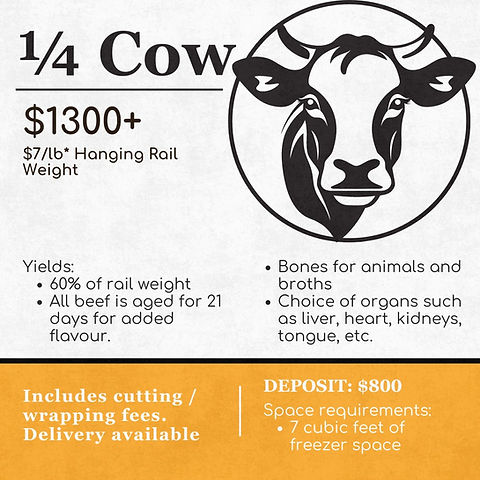
Are you considering buying half a cow to stock up your freezer with delicious, locally-sourced meat? Great choice!
But before you make that purchase, there’s an important question you need to answer: What size freezer do you need for half a cow? Choosing the right freezer size is crucial to ensure that your investment stays fresh and organized.
Imagine opening your freezer to find neatly stacked, easy-to-access cuts of meat, ready to turn into mouth-watering meals anytime. By the end of this article, you’ll know exactly what size freezer will fit your needs, saving you time, money, and the headache of playing freezer Tetris. Let’s dive into the specifics so you can make an informed decision that suits your lifestyle and kitchen space.
Factors Influencing Freezer Size
Choosing the right freezer size for storing meat from half or a whole cow depends on several important factors. These elements influence not only the capacity you need but also how efficiently you manage your frozen goods. Understanding what affects freezer size can help you avoid costly mistakes and maximize your storage space.
Amount Of Meat To Store
The quantity of meat you plan to store is the most obvious factor. Half a cow can yield roughly 200 to 250 pounds of meat, while a whole cow doubles that amount. You need enough freezer space to accommodate all cuts comfortably without overcrowding.
Think about how you package your meat too. Vacuum-sealed packages take up less space than bulk cuts. Estimating the total volume in cubic feet helps you pick a freezer that fits your needs precisely.
Frequency Of Butchering
How often you butcher impacts your freezer choice. If you butcher once a year, a larger freezer makes sense to store all meat at once. But if you butcher in smaller batches throughout the year, a smaller freezer or multiple freezers might work better.
Consider whether you want quick access to certain cuts or if you’ll be storing meat long-term. Regularly adding new meat means you need space to keep your inventory organized and prevent overstocking.
Space Availability
Your available space at home or on your property limits freezer size options. Measure the area carefully before shopping. Make sure there’s enough room to open doors fully and that the freezer won’t obstruct walkways.
Also, think about ventilation. Freezers need airflow to operate efficiently and avoid overheating. Placing a large freezer in a cramped space can reduce its lifespan and increase energy costs.
Energy Efficiency Considerations
Energy consumption affects your ongoing costs and environmental footprint. Larger freezers generally use more power, but newer models often have better insulation and energy-saving features.
Look for freezers with an Energy Star rating to save money over time. Ask yourself: Is it better to buy a slightly bigger freezer now to avoid upgrading soon, or a smaller one that uses less energy?
Estimating Meat Yield From 1/2 Cow
Estimating how much meat you get from half a cow helps plan freezer space. Knowing the weight and edible meat guides your storage choices. This section breaks down key points about meat yield from half a cow.
Typical Weight Of Half A Cow
A whole cow usually weighs between 1,000 and 1,200 pounds. Half a cow, then, weighs around 500 to 600 pounds. This is the live weight before butchering. After processing, the weight drops significantly.
The hanging weight, or carcass weight, is about 60% of live weight. For half a cow, this means about 300 to 360 pounds of hanging weight. This number excludes bones, fat trim, and other waste.
Edible Meat Percentage
From hanging weight, expect about 65% to 70% to be edible meat. This includes steaks, roasts, ground beef, and other cuts. Bones, fat, and trim make up the rest.
On average, half a cow yields 195 to 252 pounds of packaged meat. This weight is what you will freeze and use over time. It varies with butchering style and trimming preferences.
Packaging And Storage Needs
Pack meat in vacuum-sealed bags or freezer paper for best preservation. Label packages with cut type and weight. This helps organize your freezer and track inventory.
Estimate about 1.5 to 2 cubic feet of freezer space per 50 pounds of meat. For half a cow, plan for 6 to 10 cubic feet of freezer capacity. Keep space for air circulation to maintain quality.
Freezer Types And Capacities
Choosing the right freezer size depends on the type and capacity that fits your needs. Freezers come in different styles, each with unique features and storage options. Understanding these types helps you store meat from one or two cows efficiently. Capacity matters too, especially for large quantities.
Chest Freezers
Chest freezers open from the top and offer wide storage space. They keep food frozen longer during power outages. These freezers use less energy because cold air stays inside when opened. They are good for storing large cuts of meat and bulk items.
Most chest freezers range from 5 to 25 cubic feet. For one or two cows, 15 to 20 cubic feet is usually enough. They take up more floor space but give better value for large storage.
Upright Freezers
Upright freezers open like a refrigerator door. They have shelves and compartments for organized storage. These freezers fit well in tight spaces due to their vertical design. They are easier to access and clean.
Upright freezers often range from 7 to 20 cubic feet. For one or two cows, a 15-cubic-foot model works well. They use more energy than chest freezers but offer better organization.
Commercial Vs. Residential Models
Commercial freezers are built for heavy use and frequent opening. They have stronger compressors and better insulation. These models last longer and cool faster but cost more.
Residential freezers suit home use and moderate storage needs. They are quieter and more energy-efficient for daily use. For storing one or two cows, residential models usually meet capacity needs.
Consider how often you open the freezer and the space available. Commercial models fit better in farms or butcher shops. Residential models work well for home freezers with less frequent access.
Credit: www.snipershide.com
Calculating Freezer Capacity Needed
Choosing the right freezer size for storing beef from one or two cows requires careful calculation. Estimating the freezer capacity helps avoid overcrowding and keeps meat fresh longer. This section breaks down key factors to consider before making a purchase.
Cubic Feet Per Pound Of Meat
Each pound of meat needs about 0.5 cubic feet of freezer space. For example, 500 pounds of beef requires 250 cubic feet. This space allows proper storage without squeezing the meat. Use this rule to estimate total freezer size easily.
Allowing Room For Air Circulation
Good air flow inside the freezer prevents frost and keeps temperature even. Leave some space between meat packages. Avoid packing meat tightly to ensure cold air moves freely. This practice protects meat quality and extends freezer life.
Future Storage Considerations
Think about future needs before buying a freezer. Extra space lets you store more meat or other foods later. Choose a slightly larger freezer to avoid buying a second one soon. Planning ahead saves time and money.
Space Management Tips
Managing freezer space effectively can make a huge difference when storing meat from half or a whole cow. It’s not just about fitting everything inside, but also about making sure you can access what you need quickly without wasting time or energy. Smart space management helps keep your meat fresh longer and reduces the chances of forgetting or losing track of packages.
Organizing Meat For Maximum Efficiency
Arrange your meat by cut and size to save space and avoid clutter. Group similar items together—steaks with steaks, roasts with roasts, and ground beef in one section. This setup makes it easier to find specific cuts without digging through piles.
Stack packages flat when possible, rather than piling them randomly. Flat stacking creates a stable layout and maximizes the vertical space inside your freezer. Think about reserving one area for bulkier items and another for smaller, thinner cuts.
Labeling And Rotation
Clear labeling is a game-changer. Use waterproof markers or printed labels on each package with the cut type and date frozen. This habit prevents confusion and ensures you use older meat first, reducing waste.
Place newer packages behind older ones so you naturally rotate your stock. This simple trick keeps your freezer organized and helps you avoid thawing meat that’s been buried at the bottom for months. Do you know how long your meat has been in the freezer right now?
Using Storage Containers
Storage containers and bins help keep your freezer tidy and protect meat from freezer burn. Use stackable, airtight containers or heavy-duty freezer bags to group smaller cuts or leftovers. This containment also prevents juices from leaking and mixing with other items.
Consider clear containers so you can see the contents without opening them. This visibility saves time and helps maintain the freezer’s cold temperature by minimizing how long the door stays open. Have you tried organizing your freezer with containers yet?
Additional Features To Consider
Choosing the right freezer size for storing meat from 1 to 2 cows is important, but don’t overlook the extra features that can make your freezer more efficient and easier to use. These features affect how well your freezer maintains quality, how much energy it consumes, and how simple it is to keep clean. Let’s look at some key features that you should consider to get the best value and performance.
Temperature Controls
Precise temperature control is vital for preserving large amounts of meat safely. Look for freezers with adjustable thermostats that let you set the temperature to the ideal range, usually between -10°F and 0°F for long-term storage. Digital controls provide more accuracy compared to manual dials, helping you avoid freezer burn or spoilage.
Have you ever dealt with meat going bad because the freezer temperature wasn’t steady? A freezer with a reliable temperature control system can save you from that frustration. Some models even offer alarms to alert you if the temperature rises unexpectedly.
Defrost Options
Deciding between manual, automatic, or frost-free defrost options can impact your freezer maintenance routine. Manual defrost freezers require you to periodically thaw and clean ice buildup, which can be time-consuming but often use less energy. Frost-free models prevent ice build-up automatically, saving effort but sometimes raising energy costs.
Think about how much time and effort you want to spend on defrosting. If you prefer a hassle-free experience, frost-free might be worth the extra cost. On the other hand, manual defrost freezers usually keep your meat fresher for longer periods because they maintain lower humidity.
Energy Star Ratings
Energy efficiency is more than just a cost-saving factor—it’s also about reducing your environmental impact. Freezers with Energy Star ratings meet strict efficiency guidelines, consuming less electricity while keeping your meat perfectly frozen. This is especially important if you plan to run the freezer constantly for long-term storage.
Choosing an Energy Star-rated freezer can lead to significant savings on your electric bill over time. Plus, it’s reassuring to know you’re using a product that’s been tested for performance and efficiency. Would you rather pay less upfront or save money month after month?
Budgeting For Your Freezer
Budgeting for your freezer is a vital step before buying. You need to balance cost and value carefully. Freezers for storing one or two cows require a larger capacity. This means higher initial costs but potential savings over time. Planning helps avoid surprises and keeps your finances steady.
Initial Cost Vs Long-term Savings
Freezers come in many sizes and prices. Bigger freezers cost more upfront. But they store more meat, reducing trips to buy more space.
Energy-efficient models may cost more but save money on electricity. Consider these points:
- Price of the freezer
- Capacity needed for one or two cows
- Energy use per year
- Expected lifespan of the freezer
Investing in a good freezer can reduce waste and save money. Think beyond the price tag. The right freezer pays off in the long run.
Maintenance Expenses
Freezers need regular care to work well. Maintenance costs can add up over time. These include:
- Cleaning to prevent frost build-up
- Repair costs for parts like seals or compressors
- Electricity bills for running the freezer
Ignoring maintenance can cause bigger problems and more expenses. Plan a budget for upkeep to keep your freezer running smoothly.

Credit: www.christensenranch.com
Popular Freezer Models For Half Cow Storage
Choosing the right freezer size is crucial for storing half a cow. Popular freezer models vary in style and capacity. Each offers unique benefits for meat storage and organization. Understanding these options helps you pick the best fit for your needs.
Top Chest Freezers
Chest freezers provide ample space and maintain consistent temperatures. They often have a large capacity, perfect for half a cow. Their horizontal design allows stacking of large meat packages. Chest freezers typically use less energy than uprights.
- Capacity ranges from 10 to 25 cubic feet
- Easy to keep cold during power outages
- Simple interior without shelves, maximizing space
- Lid opens from the top, saving kitchen floor space
These freezers are best for deep freezing large cuts. They keep meat frozen longer with minimal frost buildup.
Best Upright Freezers
Upright freezers offer organized storage with shelves and compartments. They fit well in tighter spaces due to their vertical design. Uprights make it easy to access different cuts without digging.
- Capacity usually between 14 and 22 cubic feet
- Interior shelving helps organize different meat types
- Door shelves provide extra storage for small packages
- Some models have frost-free technology for easy maintenance
These freezers suit those who prefer quick access and neat arrangement. Upright models often require more energy but add convenience.
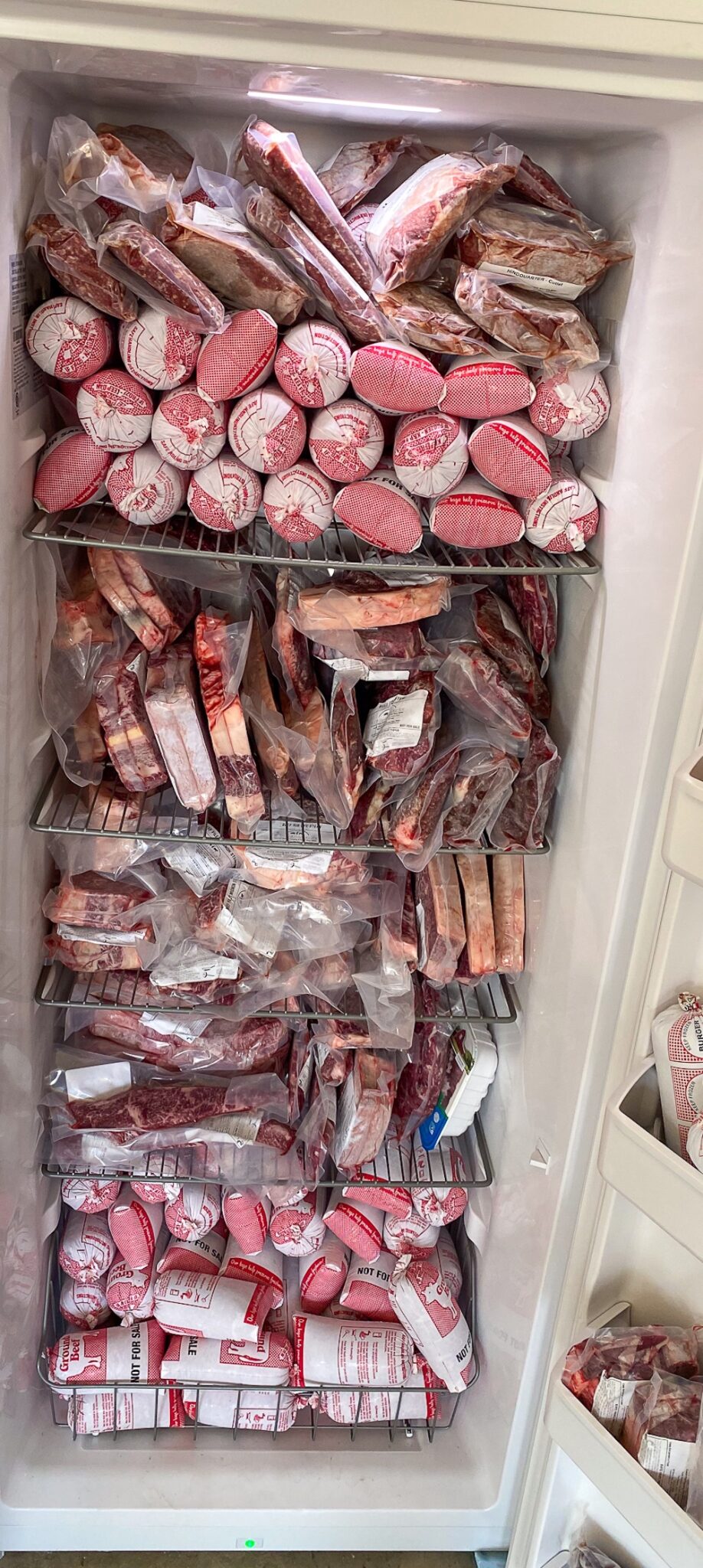
Credit: mytxkitchen.com
Frequently Asked Questions
What Size Freezer Is Needed For Half A Cow?
A freezer with 20 to 25 cubic feet capacity suits half a cow. This size stores all cuts properly. It prevents overcrowding, maintaining quality and freezing efficiency.
How Much Meat Does Half A Cow Yield?
Half a cow typically yields 150 to 200 pounds of meat. This varies by breed and butchering method. Proper freezer size depends on this yield.
Can A Chest Freezer Hold Half A Cow?
Yes, a chest freezer of 20 to 25 cubic feet can hold half a cow. It offers ample space for large meat portions and keeps temperature stable.
Is A Refrigerator Freezer Combo Enough For Half A Cow?
A standard refrigerator freezer combo is usually too small. Half a cow needs more space than typical combos provide. A dedicated freezer is recommended.
Conclusion
Choosing the right freezer size saves space and keeps meat fresh longer. A freezer around 20 to 25 cubic feet usually fits one or two cows well. Think about how much meat you want to store and how often you buy.
Don’t forget to leave room for air circulation inside the freezer. This helps keep the meat at the right temperature. A good freezer makes storing large amounts of meat easier and safer. Plan carefully to avoid running out of space or wasting food.
Easy storage means you enjoy your meat without stress.