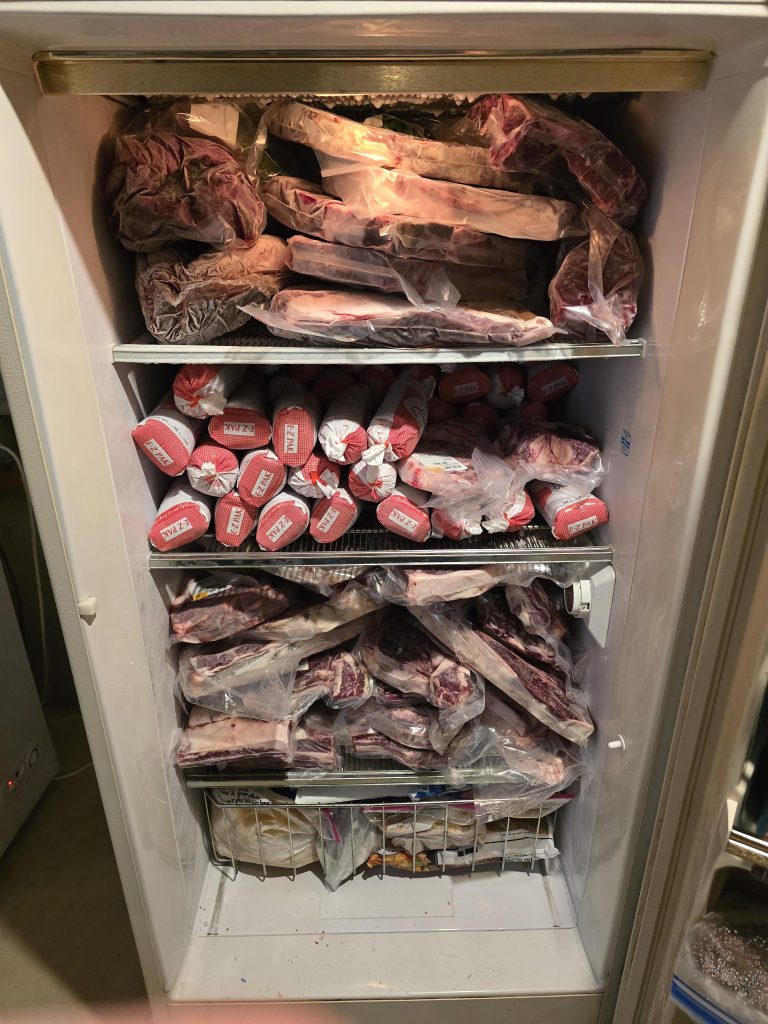
Imagine this: You’ve just invested in a whole cow, providing your family with delicious, high-quality meat that will last for months. But now you’re faced with a crucial question: How big of a freezer do you need to store it all?
This isn’t just about squeezing everything into a tight space. It’s about ensuring that each cut is perfectly preserved, maintaining its flavor and texture. You don’t want to find yourself in a situation where you’re struggling with limited space, jeopardizing the quality of your investment.
In this guide, we’ll dive into the ideal freezer size for your needs. By the end, you’ll feel confident in making the right decision, ensuring your freezer is as ready as you are to enjoy the bounty of your purchase. Stay with us, and let’s uncover the perfect freezer solution for your whole cow.
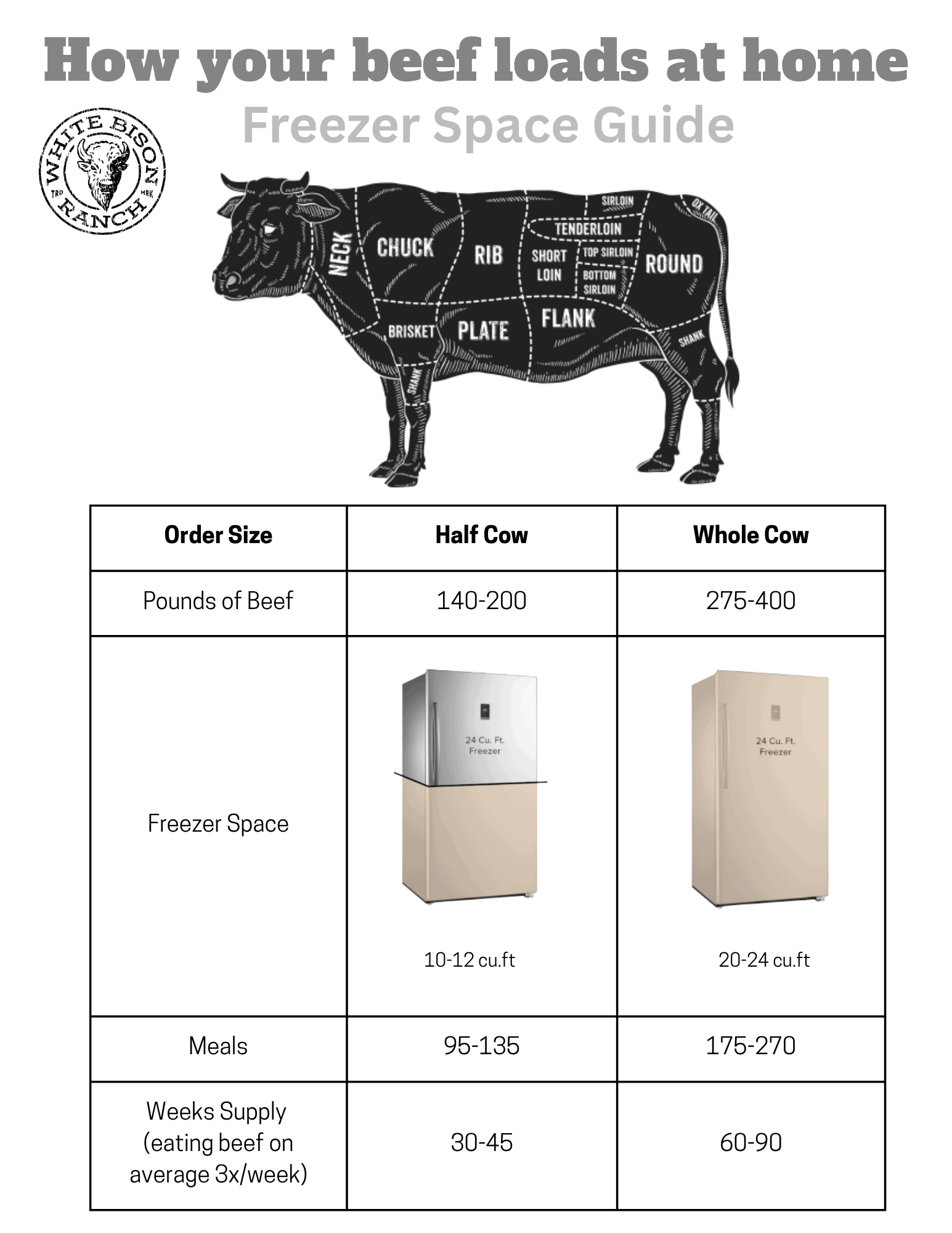
Credit: www.whitebison-ranch.com
Factors Influencing Freezer Size
Choosing the right freezer size for storing a whole cow is not just about the total weight. Several key factors influence how much space you truly need. Understanding these will help you avoid overcrowding and keep your meat properly frozen and organized.
Weight Of A Whole Cow
The average weight of a whole cow can vary widely, typically ranging from 1,000 to 1,500 pounds live weight. After processing, the hanging weight—what you actually get as meat—is usually about 60% of the live weight. So, a 1,200-pound cow might yield around 720 pounds of meat.
Remember, the freezer space needed depends on the actual meat weight, not the live weight. This means you should calculate freezer capacity based on the pounds of packaged meat you’ll store, which can range between 1.2 to 1.5 cubic feet per 100 pounds of meat.
Types Of Cuts And Packaging
The way you cut and package the meat affects the freezer space. Bulkier cuts like roasts take up more room than ground beef, which can be tightly packed in smaller containers or bags.
Vacuum-sealed packaging is a space-saver because it removes air and compresses the meat. On the other hand, loosely packed or irregularly shaped cuts might require extra space to avoid crushing and to ensure proper freezing.
Storage Duration Considerations
How long you plan to store the meat also influences freezer size. If you intend to keep the meat for several months, consider allowing extra space for proper air circulation to maintain consistent freezing temperatures.
Short-term storage might let you pack the meat more tightly, but long-term storage benefits from spacing that prevents freezer burn and maintains quality. Ask yourself: will you be accessing the meat frequently, or storing it all at once for a long haul?
Estimating Space Requirements
Estimating the space needed for freezing a whole cow is important. Knowing how much freezer space the meat will take helps in planning. This section breaks down the key factors to consider for storage.
Volume Of Meat Per Pound
Beef varies in density, but on average, one pound of meat equals about 0.05 cubic feet in volume. A whole cow can yield 400 to 500 pounds of meat. This means the total meat volume ranges between 20 to 25 cubic feet. Bone and fat content also affect the volume slightly.
Freezer Capacity In Cubic Feet
Freezer size is measured in cubic feet. A freezer with 25 cubic feet can hold roughly 500 pounds of beef. Choose a freezer slightly larger than the estimated meat volume. This allows easier organization and access to meat packages.
Allowing Room For Air Circulation
Air circulation is essential to keep meat frozen evenly. Leave some space between packages and freezer walls. Allow at least 10% extra space above the total meat volume. This prevents frost buildup and helps maintain steady temperatures.
Types Of Freezers Suitable For Whole Cows
Choosing the right freezer for storing a whole cow is more than just picking the biggest model you can find. It’s about understanding the types of freezers available and how each one fits your space, budget, and freezing needs. Let’s look at the common freezer types that work well for whole cows, so you can make an informed decision that keeps your meat fresh and your process smooth.
Chest Freezers
Chest freezers are popular for storing large quantities of meat because they often offer more usable space than upright models. Their wide, open design allows you to stack large cuts of beef without worrying about awkward shelf heights. Plus, chest freezers tend to be more energy-efficient, which can save you money over time.
One thing to consider is accessibility. Since you have to bend down and dig through layers, organizing your meat with bins or dividers becomes crucial. Have you thought about how often you’ll need to access the freezer? If frequent access is necessary, keep that in mind when choosing the size and layout.
Upright Freezers
Upright freezers offer the convenience of shelves, making it easier to organize and quickly find specific cuts of meat. They take up less floor space and fit nicely in tighter areas like garages or basements. However, they generally cost more per cubic foot and can use more energy.
Consider how you plan to arrange your beef cuts. Upright freezers work well if you prefer neat rows and easy visibility. But if you plan to store very large pieces, check the shelf dimensions carefully to avoid frustration.
Commercial Vs Residential Models
Commercial freezers are designed for heavy-duty use and usually have larger capacities and more robust cooling systems. They can handle bigger loads and maintain consistent temperatures, which is great for a whole cow. However, they come with a higher price tag and might be louder or more power-hungry.
Residential freezers tend to be quieter and more energy-efficient but might not handle large volumes as well over long periods. Ask yourself how often you’ll be freezing large amounts and if the freezer will see daily heavy use. This will help you decide if investing in commercial-grade equipment makes sense or if a high-quality residential model will do the job.

Credit: www.5sfarms.ca
Calculating Freezer Size For Various Cow Weights
Choosing the right freezer size depends on the cow’s weight. Each weight range needs different storage space. Estimating space helps avoid buying too small or too large a freezer. This section breaks down freezer size needs by cow weight categories.
Small Cows (under 600 Lbs)
Small cows yield less meat, usually between 150 and 250 pounds of beef. You will need a freezer that holds about 10 to 15 cubic feet. This size fits most small cow cuts and leaves room for organization. Small freezers are easier to handle and cost less.
Medium Cows (600-1000 Lbs)
Medium cows provide around 300 to 500 pounds of beef. A freezer with 20 to 30 cubic feet capacity works well for this amount. It offers enough space for whole cuts and ground meat. Medium freezers balance storage and energy use efficiently.
Large Cows (over 1000 Lbs)
Large cows produce 500 pounds or more of beef. Freezers of 30 cubic feet or more are necessary here. This size handles large volumes and bulky cuts comfortably. Large freezers require more electricity but save multiple trips to the butcher.
Additional Freezer Features To Consider
Choosing the right freezer size for storing a whole cow is just the start. You also need to think about features that make your freezer more efficient and easier to use. These extra features can save you time, energy, and hassle in the long run.
Temperature Control
Precise temperature control is crucial when storing large amounts of meat. Look for freezers with digital thermostats that allow you to set and maintain a steady temperature. This helps prevent freezer burn and keeps your meat fresh for months.
Some freezers offer alarms that alert you if the temperature rises unexpectedly. This feature can be a lifesaver during power outages or if the door is left open. Have you ever lost food because of unnoticed temperature changes? Choosing a freezer with reliable temperature control can protect your investment.
Energy Efficiency
Freezing a whole cow means running your freezer for long periods, so energy efficiency matters. Models with Energy Star ratings use less electricity, which lowers your utility bills. This is especially important if you plan to keep your freezer running year-round.
Look for features like improved insulation and energy-saving modes. These can reduce power consumption without compromising performance. Ask yourself: how much could you save on energy costs each year by selecting a more efficient freezer?
Organization Accessories
Keeping a whole cow organized inside a large freezer can be challenging. Freezers with adjustable shelves, baskets, or dividers help you separate different cuts of meat. This makes it easier to find what you need without digging through piles of packages.
Some freezers even offer slide-out drawers or door bins for extra convenience. Imagine how much time you could save by knowing exactly where your steaks or roasts are stored. Don’t underestimate how good organization improves your freezer experience.
Tips For Efficient Freezer Use
Efficient freezer use helps keep your whole cow meat fresh longer. It also saves space and reduces waste. Using the right methods protects the quality of your meat. Good freezer habits make storing large amounts easier and cleaner.
Proper Packaging Techniques
Choose airtight packaging to stop freezer burn. Use heavy-duty freezer bags or vacuum seal bags. Wrap meat tightly in plastic wrap before placing it in bags. Remove as much air as possible to keep meat fresh. Freeze meat in smaller portions for easy thawing.
Labeling And Inventory Management
Label every package with the cut and date frozen. Use waterproof markers or printed labels for clarity. Keep an inventory list to track all stored meat. Arrange packages by date, placing older ones in front. This system helps use meat before it spoils.
Regular Maintenance
Check your freezer temperature often; it should stay at 0°F (-18°C) or lower. Defrost the freezer regularly to avoid ice buildup. Clean shelves and seals to keep the freezer running well. Inspect packages for damage or leaks and repackage if needed. Proper maintenance saves energy and extends meat quality.

Credit: elkinscattleco.com
Frequently Asked Questions
How Much Freezer Space Is Needed For A Whole Cow?
A whole cow requires about 200 to 250 cubic feet of freezer space. This depends on the cow’s size and how it’s butchered. Proper freezing space ensures meat stays fresh and organized for long-term storage.
What Size Freezer Fits A Half Or Whole Cow?
A 20 to 25 cubic feet freezer fits a half cow, while a whole cow needs 40+ cubic feet. Chest freezers are often preferred for their spacious interiors and better cold retention.
How Long Can You Store Beef From A Whole Cow?
Beef can be stored frozen for 6 to 12 months without quality loss. Proper packaging and consistent freezing temperature are essential to prevent freezer burn and maintain taste.
Can A Standard Home Freezer Hold A Whole Cow?
Most standard home freezers are too small for a whole cow. You’ll likely need a commercial or large chest freezer to store all the meat properly.
Conclusion
Choosing the right freezer size matters for storing a whole cow. A large freezer helps keep the meat fresh and organized. Think about space in your home and how much meat you need. A chest freezer of at least 20 cubic feet often works best.
This size fits various cuts and keeps them safe for months. Planning ahead saves time and money. Store meat properly to enjoy it longer. Buying the right freezer makes your meat storage simple and stress-free.