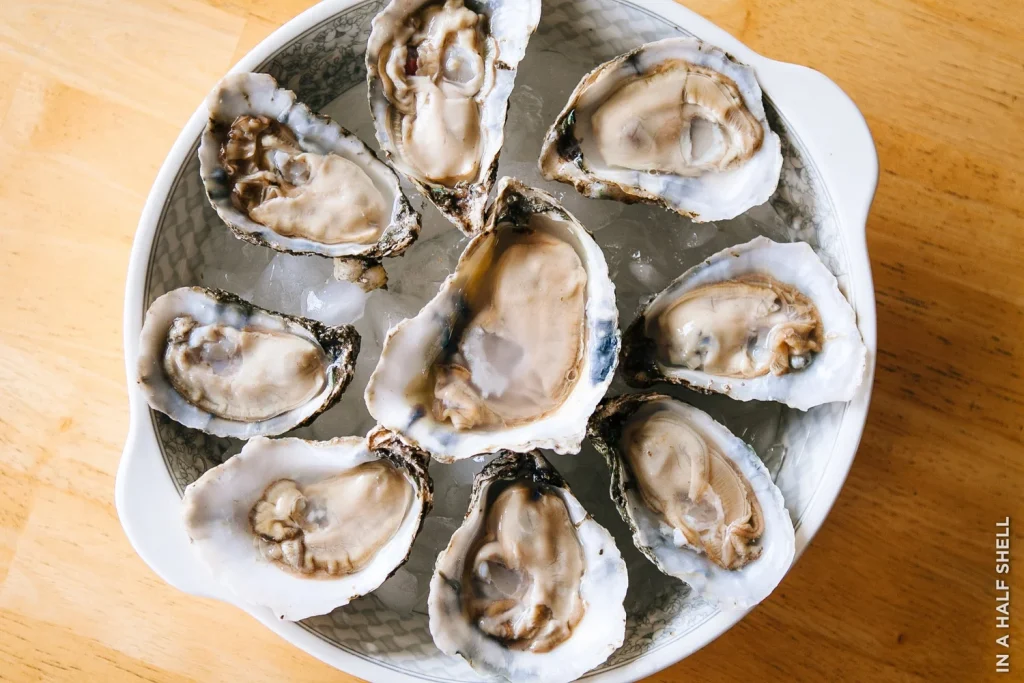
Can you freeze fresh oysters? If you’ve ever found yourself standing in your kitchen with a bag of these ocean delights, you might have wondered about the best way to keep them fresh.
Imagine being able to savor their briny taste whenever you desire, without the rush of consuming them immediately. The good news? Freezing might just be the solution you’ve been searching for. You’ll discover whether freezing fresh oysters is a viable option, how it affects their taste and texture, and the best methods to preserve their quality.
Stay with us as we explore how you can enjoy these delicious mollusks at your own pace, without compromising on flavor.
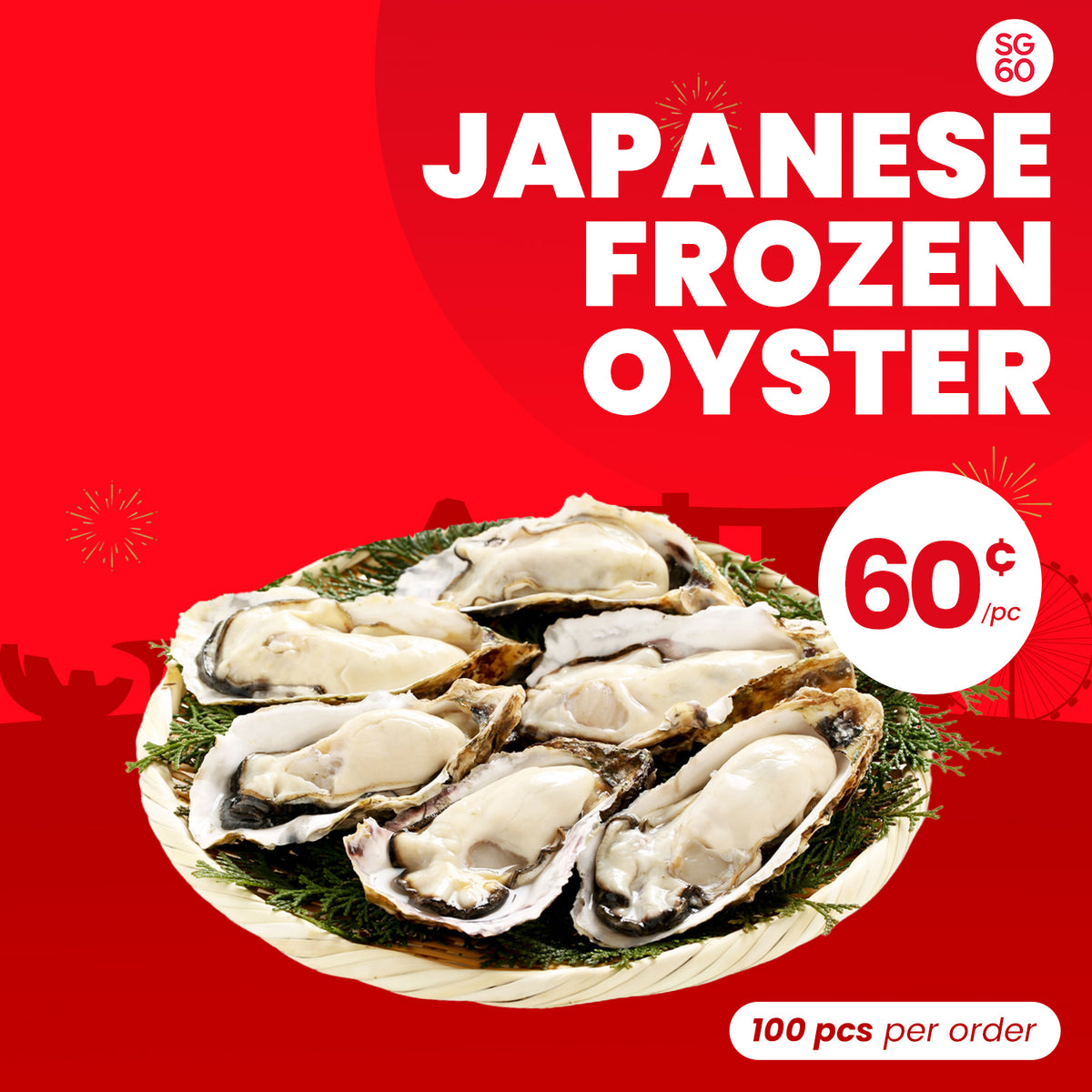
Credit: seaco-online.com
Fresh Oysters And Freezing Basics
Freezing fresh oysters is a topic that often raises questions among seafood lovers. You might wonder if freezing affects their taste or texture and which types of oysters handle freezing best. Understanding these basics can help you make smart choices when storing oysters for later use.
How Freezing Affects Oysters
Freezing changes the texture of oysters because ice crystals form inside their tissues. These crystals can break down the oyster’s delicate structure, making them less firm once thawed.
Frozen oysters often lose some of their fresh, briny flavor. However, they remain safe to eat and can be perfect for cooked dishes like stews or chowders.
Have you noticed how frozen oysters rarely taste the same raw? That’s because freezing kills the live bacteria but also affects their natural juices, which give fresh oysters their unique zing.
Types Of Oysters Suitable For Freezing
Not all oysters freeze equally well. Some types handle freezing better, especially those with a meatier texture.
- Pacific Oysters:These are often more resilient to freezing due to their thicker meat. They work well in cooked recipes after freezing.
- Atlantic Oysters:These have a softer texture and may become mushy after freezing. They’re best eaten fresh or cooked immediately.
- Kumamoto Oysters:Their small size and delicate flavor make them less ideal for freezing.
Think about what dishes you plan to prepare. If you want to enjoy oysters raw, freezing is usually not the best option. For cooking, freezing some oyster types can save you time and reduce waste.
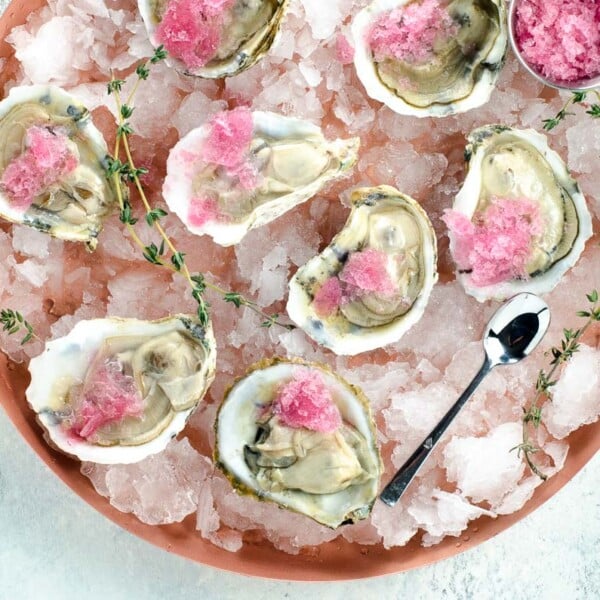
Credit: umamigirl.com
Preparing Oysters For Freezing
Preparing oysters for freezing ensures they stay fresh and tasty. Proper handling before freezing keeps their texture and flavor intact. This stage requires careful cleaning and smart packaging choices.
Cleaning And Shucking Tips
Start by rinsing oysters under cold water to remove dirt. Use a stiff brush to scrub the shells gently. Avoid soaking oysters in fresh water, as it can kill them.
Shuck oysters carefully to keep the meat intact. Use an oyster knife and wear a protective glove. Open the shell by inserting the knife at the hinge and twisting it.
Remove the top shell, then slide the knife under the oyster meat. Detach the oyster from the bottom shell without spilling its liquid. Keep the oyster liquor, as it helps preserve flavor during freezing.
Choosing The Right Freezing Containers
Select containers that prevent air exposure to avoid freezer burn. Airtight plastic containers work well for freezing oysters. You can also use heavy-duty freezer bags, pressing out excess air before sealing.
For extra protection, wrap containers in foil or plastic wrap. Label each container with the freezing date to track freshness. Choose containers that fit your freezer space efficiently to keep oysters safe.
Freezing Methods For Fresh Oysters
Freezing fresh oysters helps preserve their flavor and texture for later use. Choosing the right freezing method keeps the oysters safe and tasty. Proper preparation before freezing is important to avoid losing quality. Different methods suit different needs and preferences.
Freezing In Shell Vs. Out Of Shell
Freezing oysters in their shells keeps them protected. The shell acts as a natural barrier against freezer burn. Clean the shells well before freezing. Place oysters in a single layer on a tray. Freeze until solid, then transfer to an airtight container or bag.
Freezing oysters out of the shell is good for cooking later. Remove the oyster meat and drain excess liquid. Place the meat in a freezer-safe container. Cover with a bit of their own juice or water to keep moisture. Seal tightly to avoid freezer odors. Label and date the container.
Using Ice Water Or Brine Solutions
Ice water or brine solutions protect oysters during freezing. They help maintain moisture and texture. Prepare a saltwater brine using about 3.5% salt concentration. Soak the oysters briefly in the brine or ice water before freezing.
After soaking, drain oysters well. Pack them in airtight containers with some brine or ice water. This method reduces freezer burn and keeps oysters fresh longer. Always use clean containers and freeze quickly to preserve taste.
Storage Duration And Conditions
Storing fresh oysters properly is key to keeping their taste and texture intact. How long you freeze them and at what temperature greatly affects their quality. Let’s look at what you should keep in mind to get the best results from freezing fresh oysters.
Optimal Freezing Timeframes
You don’t want to keep oysters in the freezer forever. Fresh oysters maintain the best quality if frozen for no longer than 3 months. Beyond this, their texture can become rubbery and the flavor dull.
If you freeze oysters for less than a month, you’ll likely notice very little difference from fresh ones. Freezing them for 2 to 3 months is still acceptable but try to use them within this window to enjoy their full freshness.
Ask yourself: How often do you plan to use frozen oysters? If you don’t consume them quickly, freezing may not be the best option.
Temperature Recommendations
Freezing oysters at the right temperature is just as important as timing. The ideal temperature is at or below -18°C (0°F). This keeps the oysters safely frozen and slows down any deterioration.
A temperature that fluctuates can cause ice crystals to form inside the oysters, ruining their texture. Make sure your freezer maintains a consistent cold temperature, and avoid opening it frequently.
Consider investing in a freezer thermometer to monitor the temperature precisely. This small step can save you from unpleasant surprises when you thaw your oysters later.
Thawing And Using Frozen Oysters
Thawing and using frozen oysters requires care to keep their flavor and texture. Proper thawing prevents bacteria growth and keeps the oysters safe to eat. Using the right cooking methods helps maintain their delicate taste even after freezing.
Safe Thawing Techniques
Thaw oysters slowly in the refrigerator. Keep them in a sealed container to avoid contamination. This method usually takes 12 to 24 hours.
For faster thawing, place oysters in a sealed bag. Submerge the bag in cold water. Change the water every 30 minutes. Avoid warm or hot water, which can spoil the oysters.
Do not thaw oysters at room temperature. This can cause bacteria to grow quickly. Always keep oysters cold until you are ready to cook them.
Cooking Tips After Freezing
Frozen oysters are best cooked thoroughly. Raw eating is not recommended after freezing. Heat helps kill any bacteria that may have formed.
Popular cooking methods include:
- Steaming for 5 to 7 minutes
- Grilling over medium heat
- Adding to soups or stews
- Baking with toppings
Avoid overcooking, which makes oysters tough. Cook just until the edges curl slightly. This keeps them tender and flavorful.
Common Mistakes To Avoid
Freezing fresh oysters can be a great way to extend their shelf life, but it’s easy to slip up and ruin their texture and flavor. Avoiding common mistakes helps you enjoy oysters that taste closer to fresh. Let’s look at key pitfalls you should watch out for.
Freezing Oysters Too Long
Oysters don’t keep well in the freezer forever. Freezing them for more than 3 months can make their texture rubbery and their flavor fade.
Think about how long you realistically plan to store them before freezing. If it’s longer than a few months, consider using them in cooked dishes rather than raw to mask any texture changes.
Ask yourself: Is it worth freezing oysters that might lose their freshness? Timing matters more than many realize.
Improper Packaging Issues
Oysters need airtight packaging to avoid freezer burn and off flavors. Using just a plastic bag without squeezing out air invites ice crystals to form.
Vacuum sealing is ideal, but if you don’t have that, wrap oysters tightly in plastic wrap, then place them in a sealed freezer bag.
Don’t forget to label the package with the date. It’s easy to lose track and find oysters with freezer burn months later.
Have you ever tasted freezer-burnt oysters? The dry, tough texture is a clear sign of poor packaging.
Benefits Of Freezing Fresh Oysters
Freezing fresh oysters offers several key benefits that help you enjoy them longer. This process preserves their quality and makes them convenient for future use. Freezing also helps reduce waste and keeps oysters safe to eat for extended periods.
Extending Shelf Life
Freezing fresh oysters significantly extends their shelf life. Normally, oysters last only a few days in the fridge. Freezing slows down spoilage and bacterial growth. This lets you store oysters for months without losing safety or freshness.
Maintaining Flavor And Texture
Proper freezing can keep oysters’ natural flavor and texture intact. Freezing preserves the briny taste that oyster lovers enjoy. It also prevents the meat from becoming rubbery or dry. Using airtight packaging helps maintain their quality after thawing.

Credit: buy.taylorshellfishfarms.com
Frequently Asked Questions
Can You Freeze Fresh Oysters Safely?
Yes, you can freeze fresh oysters safely. Use an airtight container or freezer bag. Freeze them quickly to maintain freshness and flavor.
How Long Do Frozen Oysters Last?
Frozen oysters typically last up to 3 months. Beyond this, quality and taste may decline. Always label with the freezing date.
Should You Freeze Oysters In Shell Or Shucked?
Freezing oysters in the shell is best for flavor. Shucked oysters can also be frozen but store them in their liquid.
How Do You Thaw Frozen Oysters Properly?
Thaw oysters slowly in the refrigerator overnight. Avoid room temperature thawing to prevent bacterial growth and maintain texture.
Conclusion
Freezing fresh oysters can help keep them for a while. It slows down spoilage but may change their texture. Use airtight containers or freezer bags to protect flavor. Thaw oysters slowly in the refrigerator for best results. Remember, frozen oysters are best for cooking, not eating raw.
Always check for freshness before using frozen oysters. This way, you enjoy safe and tasty seafood every time.