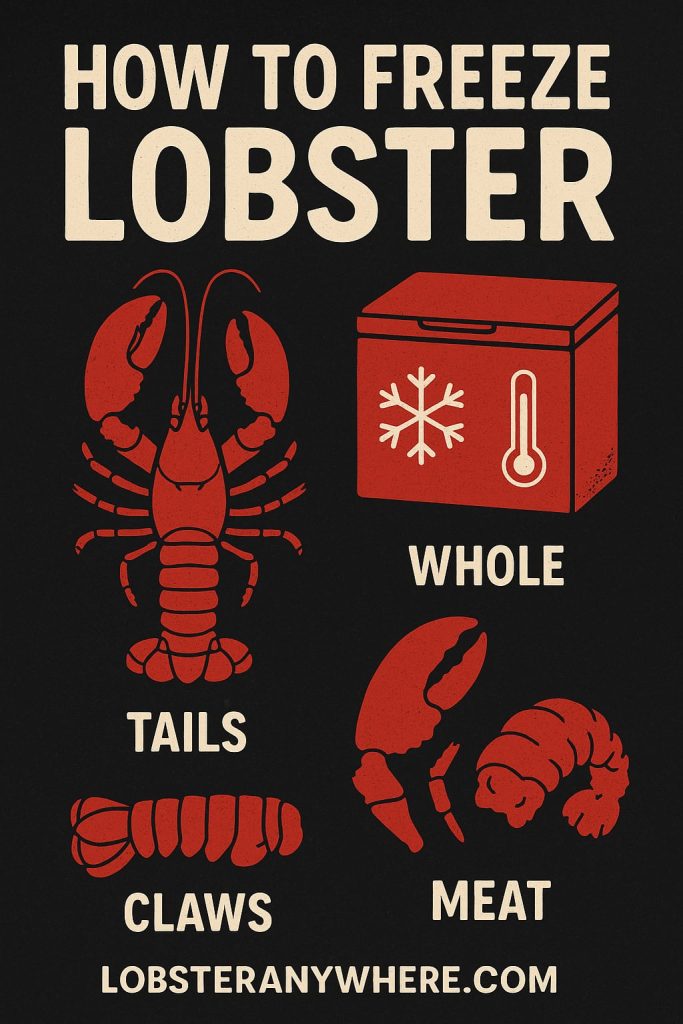
Are you a seafood lover who’s ever wondered, “Can you freeze lobster tails?” You’re not alone.
This question taps into the world of culinary curiosity many of us have but rarely explore. Imagine having a stash of delicious lobster tails in your freezer, ready to turn any meal into a gourmet experience. But is it really that simple?
The thought of preserving their delicate flavor and texture can be both intriguing and daunting. In this guide, we’ll dive into the ins and outs of freezing lobster tails, so you can enjoy this delicacy without worry. Keep reading to discover how to keep your lobster tails tasting fresh and fabulous, right from your freezer.
Freezing Basics
Freezing lobster tails is a smart way to enjoy seafood later. Proper freezing keeps the tails fresh and tasty. Knowing the basics helps prevent freezer burn and loss of flavor. Follow simple steps to keep lobster tails in top condition.
Why Freeze Lobster Tails
Freezing lobster tails saves them for future meals. It stops spoilage and keeps the meat firm. You can buy in bulk and freeze what you don’t use. This way, lobster stays fresh longer without wasting money.
Freezing also allows you to enjoy lobster anytime. No need to rush cooking right after buying. It gives flexibility in meal planning and special occasions.
Best Lobster Tails For Freezing
Choose fresh lobster tails with firm shells. Look for tails without cracks or damage. Freshness affects how well the tails freeze and taste later.
Frozen lobster tails bought from stores are good too. Check the packaging date and avoid those with ice crystals inside. Those can mean they were thawed and refrozen, which lowers quality.

Credit: www.northcoastseafoods.com
Preparation Steps
Preparing lobster tails for freezing ensures they stay fresh and tasty. Proper preparation prevents freezer burn and maintains flavor. Follow simple steps to clean, trim, and portion lobster tails before storage. These steps help keep lobster tails ready for cooking anytime.
Cleaning And Trimming
Rinse lobster tails under cold water to remove dirt and debris. Pat them dry with a paper towel. Use kitchen scissors to cut along the shell’s top center. Gently pull the meat from the shell without detaching it completely. Remove any dark vein or digestive tract from the meat. Trim off sharp edges of the shell to avoid injury during handling.
Portioning For Storage
Divide lobster tails into meal-sized portions. This avoids thawing more than needed. Wrap each portion tightly with plastic wrap or aluminum foil. Place wrapped portions in freezer bags or airtight containers. Remove as much air as possible from bags to prevent freezer burn. Label each package with the date before placing it in the freezer.
Freezing Techniques
Freezing lobster tails correctly can preserve their flavor and texture, letting you enjoy seafood delicacies long after your purchase. The key lies in choosing the right technique. Let’s look at how you can freeze lobster tails to keep them fresh and delicious.
Wrapping Methods
Proper wrapping is your first defense against freezer burn. Use plastic wrap or aluminum foil to tightly cover each lobster tail. This prevents air from reaching the meat and drying it out.
For extra protection, wrap the lobster tail twice—first with plastic wrap, then with foil. This double layer seals in moisture better. Have you ever noticed how poorly wrapped seafood ends up tasting bland? Avoid that by taking the extra minute to wrap carefully.
Using Vacuum Sealing
Vacuum sealing is a game-changer if you freeze lobster tails often. It removes all the air around the lobster, locking in freshness. You’ll notice your lobster tails keep their flavor and texture much longer this way.
If you don’t own a vacuum sealer, consider investing in one. It’s not just for lobster—think about all the other foods you could preserve better. Have you tried vacuum sealing other seafood? You might be surprised by the difference it makes.
Optimal Freezing Temperatures
Setting your freezer to the right temperature is crucial. Aim for 0°F (-18°C) or lower to maintain lobster tail quality. Higher temperatures can cause ice crystals to form and damage the meat’s texture.
Keep your freezer organized so cold air circulates evenly around the lobster. Avoid frequent door openings to maintain a steady temperature. Do you monitor your freezer’s temperature regularly? It’s a small habit that can save your seafood from spoilage.

Credit: mermaid.fish
Storage Duration
Knowing how long lobster tails stay fresh in the freezer can save you from wasting delicious seafood. Proper storage duration not only maintains taste but also keeps the lobster safe to eat. Let’s dive into how long you can expect lobster tails to last and what signs to watch for to avoid freezer mishaps.
How Long Lobster Tails Last
Frozen lobster tails usually keep their best quality for about 6 to 9 months. Beyond this period, they might still be safe, but the texture and flavor can start to degrade. If you plan to store them longer, make sure they’re wrapped tightly in airtight packaging to reduce exposure to air.
Have you ever pulled out frozen lobster tails only to find them tough or bland? That’s often because they’ve been stored too long or improperly sealed. Keeping track of the date when you freeze them can help you enjoy lobster at its freshest.
Signs Of Freezer Burn
Freezer burn appears as dry, grayish spots on the lobster tails and can ruin the taste and texture. It happens when air reaches the surface of the lobster, causing dehydration and oxidation. Even if your lobster tails are frozen for a short time, poor packaging can lead to freezer burn.
Check for these signs before cooking:
- White or grayish patches on the shell or meat
- Dry or tough texture after thawing
- An off or freezer-like smell
If you spot these, it’s best to discard the tails or use them in dishes where texture is less important, like soups or stews. Would you risk your meal on freezer-burned lobster, or is freshness your priority?
Thawing Tips
Thawing lobster tails correctly is essential to keep their flavor and texture intact. Rushing the process or using the wrong technique can turn your prized seafood into a rubbery disappointment. Let’s look at how you can thaw lobster tails safely and avoid any texture damage.
Safe Thawing Methods
Thawing lobster tails in the fridge is the safest and most reliable way. Simply place them in a sealed bag or container and let them thaw overnight or for about 12 hours. This slow thaw helps maintain freshness and reduces the risk of bacteria growth.
If you’re short on time, you can thaw lobster tails quickly by submerging them in cold water. Keep the tails in a sealed plastic bag and place them in a bowl of cold water, changing the water every 20-30 minutes. They usually thaw in about an hour this way.
Avoid thawing lobster tails at room temperature. It may seem convenient, but it encourages bacterial growth and can make the meat unsafe to eat. Cold, controlled environments are your best bet.
Avoiding Texture Damage
How you thaw lobster tails affects their texture more than most people realize. Sudden temperature changes or thawing too quickly can make the meat tough and rubbery. Always handle the tails gently during thawing to prevent this.
After thawing, don’t refreeze lobster tails unless you cook them first. Refreezing raw lobster disrupts the cell structure, leading to a mushy texture. Instead, cook the tails promptly or store them in the fridge for up to two days before cooking.
Think about how you store lobster tails before thawing too. Keeping them tightly sealed and away from air prevents freezer burn, which also ruins texture. Have you ever noticed dry or tough spots on thawed lobster? That’s usually freezer burn at work.
Cooking After Freezing
Cooking lobster tails after freezing them can be a rewarding experience if you know how to handle the process correctly. Freezing preserves their flavor and texture, but it does require some adjustments to get the best results. You might be surprised how well frozen lobster tails can taste when cooked properly.
Best Recipes For Frozen Tails
Frozen lobster tails work wonderfully in a variety of dishes. Simple recipes like broiled lobster tails with garlic butter let the natural sweetness shine through. You can also try grilling or baking them with herbs and lemon for a fresh, vibrant taste.
Rich recipes like lobster tail pasta or lobster mac and cheese turn frozen tails into comforting meals. These dishes benefit from the tender texture that frozen lobster retains when cooked gently. What’s your favorite way to enjoy lobster tails?
Adjusting Cooking Times
Frozen lobster tails need a bit more time in the oven or on the grill than fresh ones. It’s important to thaw them properly before cooking to avoid uneven cooking. If you’re short on time, you can cook them straight from frozen but increase the cooking time by about 50%.
Keep an eye on the lobster meat—it should turn opaque and firm but not rubbery. Overcooking is a common mistake that makes lobster tails tough. Have you ever tried cooking lobster tails from frozen and noticed a difference in texture?
Common Mistakes
Freezing lobster tails can be tricky if you’re not careful. Many people make simple mistakes that affect the taste and texture of the lobster once thawed. Avoiding these errors ensures your lobster tails stay fresh and delicious for your next meal.
Freezing Whole Lobsters
Freezing whole lobsters is a common mistake that can ruin the quality of your seafood. Lobsters contain a lot of water, and freezing them whole causes ice crystals to form inside the shell, damaging the meat’s texture. Instead, it’s better to remove the tail meat before freezing to protect the delicate flavor and avoid a rubbery bite.
Have you ever thawed a whole frozen lobster only to find it tough and chewy? That’s exactly what happens when you freeze the entire lobster instead of just the tails.
Skipping Proper Wrapping
Many people skip proper wrapping before freezing lobster tails, which leads to freezer burn. Air exposure dries out the meat, resulting in a less flavorful and tough texture. Use airtight packaging like vacuum-sealed bags or wrap the tails tightly in plastic wrap and then foil to lock in moisture.
Think about how you store other delicate foods in the freezer. Would you leave them exposed? The same care applies to your lobster tails to keep them tasting fresh.
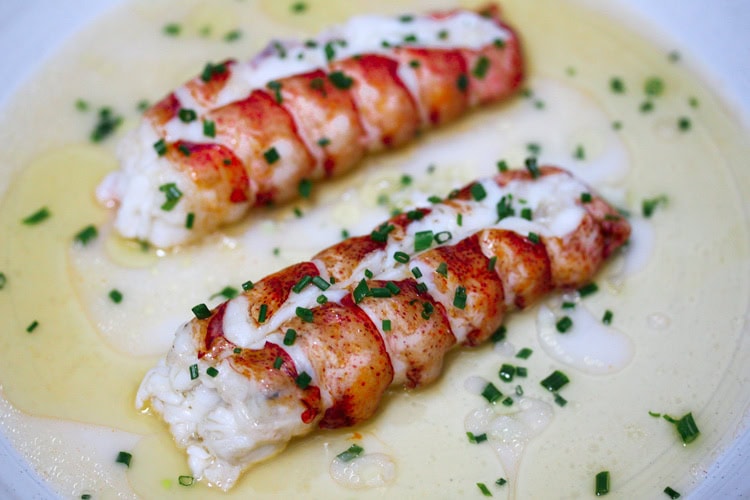
Credit: sousvideways.com
Frequently Asked Questions
Can You Freeze Cooked Lobster Tails?
Yes, cooked lobster tails can be frozen. Wrap them tightly in plastic wrap and place in an airtight container. Use within 2-3 months for best quality. Thaw in the refrigerator before reheating to maintain flavor and texture.
How Long Can Lobster Tails Stay Frozen?
Lobster tails can stay frozen for up to 6 months. Store them in airtight packaging to prevent freezer burn. Beyond this period, quality may decline, but they remain safe to eat if kept frozen continuously.
Should Lobster Tails Be Thawed Before Cooking?
Yes, thaw lobster tails in the refrigerator overnight before cooking. This ensures even cooking and preserves texture. Avoid thawing at room temperature to reduce bacterial growth and maintain seafood safety.
Can Frozen Lobster Tails Lose Flavor?
Frozen lobster tails may lose some flavor if not stored properly. Use airtight packaging and freeze quickly to preserve freshness. Proper thawing also helps retain the natural taste and texture of lobster meat.
Conclusion
Freezing lobster tails keeps them fresh for weeks. Wrap them well to avoid freezer burn. Thaw slowly in the fridge for best results. Cook them soon after thawing for great taste. This method saves money and reduces waste. Enjoy delicious lobster tails anytime you want.
Simple steps make freezing easy and effective. Try it and see how well it works.