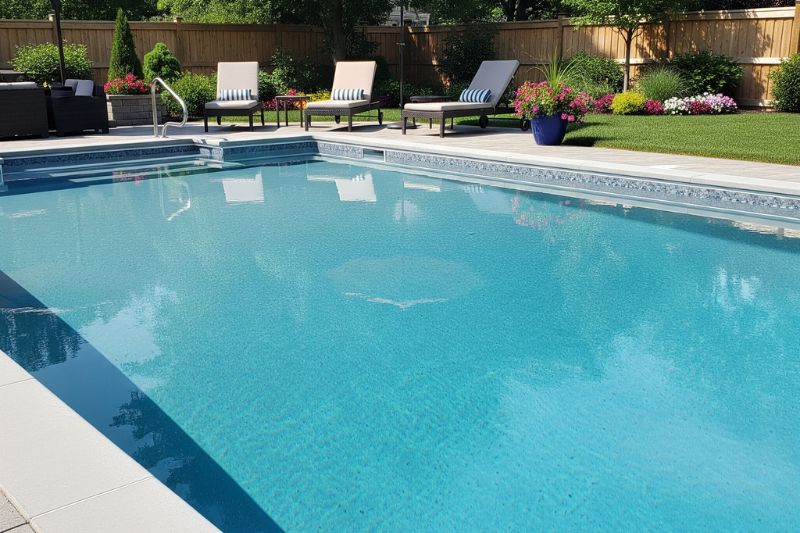
Have you ever wondered if your saltwater pool might freeze during those chilly winter months? You’re not alone.
Many pool owners are curious about how saltwater pools react to cold weather. Understanding this can save you time, money, and a lot of stress. Imagine being confident that your pool is safe and sound, no matter how low the temperature drops.
This peace of mind could be yours if you know the right facts. Dive into this article to uncover the truth about saltwater pools and freezing temperatures. Let’s get to the bottom of this fascinating topic together.
Salt Water Pool Basics
Salt water pools offer a different swimming experience than traditional chlorine pools. They use salt to generate chlorine naturally. This process helps keep the pool clean and clear. Understanding the basics of salt water pools can clarify how they respond to cold weather and freezing conditions.
How Salt Water Pools Work
Salt water pools use a salt chlorine generator. The generator converts salt into chlorine through a process called electrolysis. This chlorine kills bacteria and keeps the water safe. The system constantly produces chlorine as the pool runs. This reduces the need for adding chlorine manually.
The salt level in the pool is much lower than seawater. It creates a gentle, soft water feel. The pool’s filtration system works as usual to remove debris. Salt water pools need regular maintenance to keep the balance right.
Salt Concentration Levels
Salt concentration in these pools is usually between 2,500 and 4,000 parts per million (ppm). This is about 1/10th of the salt level in ocean water. The low salt level means the water tastes only slightly salty. It also affects the freezing point of the water.
Salt lowers the freezing point of water but only by a small amount at pool concentrations. This means salt water pools freeze, but at a slightly colder temperature than fresh water. Proper pool care includes monitoring salt levels to keep the system working well.
Freezing Point Of Salt Water
The freezing point of salt water is different from fresh water. Salt lowers the temperature at which water freezes. This change affects pools that use salt systems. Understanding this helps explain why salt water pools behave differently in cold weather.
Salt Water Vs Fresh Water Freezing
Fresh water freezes at 32°F (0°C). Salt water freezes at lower temperatures. The salt disrupts the formation of ice crystals. This means salt water stays liquid below 32°F. The exact freezing point depends on salt levels.
Impact Of Salt Concentration
More salt means a lower freezing point. Ocean water, with about 3.5% salt, freezes around 28.4°F (-2°C). Salt water pools have less salt than the ocean. Their freezing point is closer to fresh water but still lower. Pools with higher salt need colder temperatures to freeze.
Factors Influencing Freezing
Understanding the factors that influence whether a salt water pool freezes can help you better protect your investment during cold months. Several elements play a role, from the environment around your pool to its specific design and maintenance. Let’s look closely at what really affects freezing in salt water pools.
Climate And Temperature Effects
The local climate is the biggest factor in whether your salt water pool will freeze. If temperatures regularly drop below 32°F (0°C), the risk of freezing increases significantly. Even a mild frost can cause ice to form on the surface, especially overnight.
Think about your own area’s weather patterns. Do you experience sudden cold snaps or prolonged freezes? These details matter because a few degrees difference can determine if your pool water stays liquid or starts to freeze.
Pool Size And Depth
Smaller and shallower pools freeze faster than larger, deeper ones. Water holds heat, but less water means less heat storage, so cold temperatures can lower the pool’s temperature quickly. A deep pool, with more volume, cools more slowly, reducing the chance of freezing.
If your pool is on the smaller side, you’ll need to be extra cautious during cold spells. Covering the pool or adding heaters could be necessary steps to keep the water from freezing.
Water Movement And Circulation
Moving water resists freezing better than still water. If your pool pump runs continuously, it keeps water circulating and prevents ice from forming. This is why many pool owners run their circulation systems during cold weather.
Have you noticed ice forming around pools where the pump was off? That’s a sign that movement really helps. Keeping your water moving is a simple but effective way to reduce freezing risk.
Signs Of Freezing In Salt Water Pools
Noticing the signs of freezing in your salt water pool early can save you from costly repairs. Salt water pools don’t freeze as quickly as regular pools, but they are not immune to cold damage. Knowing what to look for helps you act before the worst happens.
Early Warning Indicators
You might spot a few subtle clues that your salt water pool is starting to freeze. Watch for:
- Ice forming around the edges:Thin layers of ice or frost at the waterline can be an early sign.
- Reduced water movement:Slower circulation or pump issues can mean ice is restricting flow.
- Cloudy or discolored water:Freezing can affect water clarity, making it look murky or strange.
- Unusual noises:Cracking or popping sounds near the pool structure may indicate ice expansion.
Have you ever ignored a small crack only to face a bigger problem later? Catching these signs early can prevent that.
Damage Risks From Freezing
Freezing water expands and can cause serious damage to your salt water pool’s components. Pipes, pumps, and filters are especially vulnerable.
Ice can cause:
- Cracked pipes:Water expands as it freezes, which can burst your plumbing.
- Damaged pool walls:Pressure from ice can lead to structural cracks or leaks.
- Equipment failure:Pumps and chlorinators may break if ice forms inside them.
Imagine the cost and hassle of replacing these parts during the winter. Isn’t it worth watching for early warning signs and taking simple steps to protect your pool?
Preventing Salt Water Pool Freezing
Salt water pools can freeze in cold climates, causing damage to the pool structure and equipment. Preventing freezing is essential to protect your investment and keep the pool functional. Simple steps can lower the risk of ice formation during winter.
Using the right techniques helps maintain water temperature and avoid ice buildup. Combining several methods often gives the best results.
Heating Options
Heaters keep the water temperature above freezing. Common types include:
- Electric heat pumps
- Gas heaters
- Solar pool heaters
Choose a heater based on climate, pool size, and budget. Set the heater to maintain at least 40°F (4°C) to prevent freezing. Use a thermostat to control the temperature efficiently.
Using Pool Covers
Pool covers act as insulation, reducing heat loss. They block wind and keep warmth in the water. Types of covers include:
- Winter covers
- Solar covers
- Automatic covers
Cover the pool tightly to stop cold air from reaching the surface. Remove debris from the cover regularly to avoid damage.
Maintaining Water Circulation
Water movement prevents ice from forming. Keep the pool pump running for several hours each day. Circulating water mixes warmer water from the heater with cooler water. This stops cold spots where ice can start.
Use return jets to direct water flow across the surface. Check and clean filters to ensure smooth circulation. Avoid turning off the pump during freezing weather.

Credit: www.youtube.com
Winterizing Salt Water Pools
Winterizing salt water pools is essential to protect them from cold weather damage. Salt water pools have unique systems that need special care during winter. Proper preparation can prevent freezing and costly repairs. Taking the right steps ensures your pool stays in good shape until spring.
Steps To Prepare For Cold Weather
- Test and balance the water chemistry before closing.
- Lower the water level below the skimmer to avoid freeze damage.
- Drain water from pumps, filters, and heaters to prevent ice buildup.
- Clean the pool thoroughly, removing leaves and debris.
- Add winterizing chemicals to keep water clear and algae-free.
- Cover the pool tightly with a durable winter cover.
Protecting Equipment
- Disconnect and store the salt cell indoors in a dry place.
- Flush salt system lines to remove water and prevent freezing.
- Cover pumps and filters with insulated blankets or weatherproof covers.
- Check and lubricate all seals and O-rings before storage.
- Inspect electrical connections for signs of wear or damage.
- Use a pool cover pump to remove rainwater and prevent ice pressure.
Common Myths About Salt Water Pool Freezing
Many people believe salt water pools never freeze. Others think salt in the water stops freezing completely. These ideas confuse pool owners about winter care. Understanding common myths helps you protect your pool better.
Salt Water Pools Never Freeze?
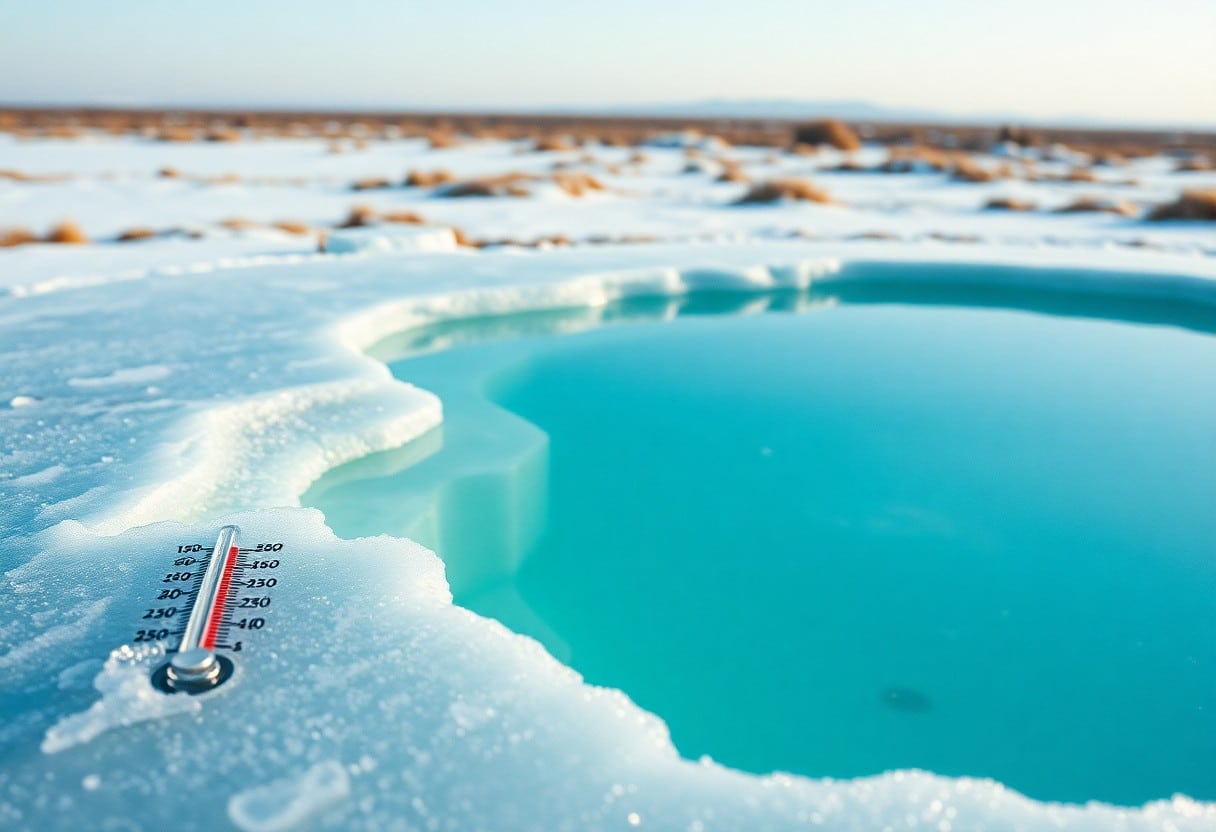
Salt water pools can freeze. Salt lowers the water’s freezing point. But it does not stop freezing entirely. If temperatures drop very low, ice can form. Salt water pools may freeze slower than fresh water pools. Yet, freezing is still possible in cold climates.
Salt As A Freeze Preventative
Salt acts like a natural antifreeze. It reduces ice formation but does not prevent it. The amount of salt in pools is too low to stop freezing fully. Pool owners should not rely on salt alone. Proper winterizing steps are necessary to protect the pool structure and equipment.

Credit: mysutro.com
Credit: rmdpoolservice.com
Frequently Asked Questions
Do Salt Water Pools Freeze In Winter?
Salt water pools can freeze if temperatures drop below 32°F (0°C). Salt lowers the freezing point, but extreme cold may still freeze the water. Proper pool maintenance and winterizing help prevent damage during freezing conditions.
How Does Salt Affect Pool Water Freezing?
Salt decreases water’s freezing point, making salt water pools freeze at colder temperatures. The higher the salt concentration, the lower the freezing point. However, very cold climates can still freeze salt water pools despite the salt.
Can Salt Water Pools Sustain Freezing Damage?
Yes, salt water pools can sustain damage if water freezes. Ice expansion can crack pool surfaces and plumbing. Winterizing and using pool covers minimize freezing risks and protect your pool’s structure during cold seasons.
Is Winterizing Salt Water Pools Necessary?
Winterizing salt water pools is essential in cold regions. It prevents freezing damage by draining water and protecting equipment. Proper winterizing ensures your pool stays safe and ready for use when temperatures rise.
Conclusion
Salt water pools can freeze, but it takes very cold weather. Salt lowers the freezing point, so water stays liquid longer. Still, in freezing temperatures, ice can form on the surface. Protect your pool by using covers and heaters. Regular maintenance helps avoid damage from freezing.
Understanding how salt water behaves keeps your pool safe. Stay prepared for winter to enjoy your pool all year.