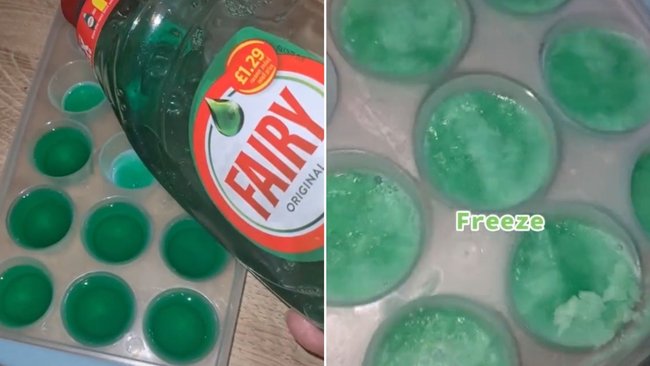
Have you ever wondered if your trusty bottle of liquid soap will turn into a frozen block when the temperature drops? You’re not alone.
Many people are curious about what happens to their household essentials in cold weather. Understanding how liquid soap reacts to freezing temperatures can be crucial, especially if you live in a region with harsh winters or plan to store your products in unheated spaces.
You’ll discover the surprising science behind liquid soap and freezing temperatures. You’ll also learn practical tips to prevent any messy soap disasters. Keep reading to ensure your liquid soap remains in perfect condition, no matter how cold it gets outside.
Liquid Soap And Freezing Point
Liquid soap behaves differently from plain water in cold temperatures. Understanding its freezing point helps you know what happens when temperatures drop. The freezing point of liquid soap depends on many factors related to its makeup. This section explains those factors clearly.
What Determines Freezing Point
The freezing point depends on the liquid’s chemical makeup. Pure water freezes at 32°F (0°C). Adding substances changes this point. This process is called freezing point depression. The more ingredients dissolved, the lower the freezing point.
Liquid soap contains many compounds. Each affects the freezing point in its way. The mix of these compounds sets the final freezing temperature.
Ingredients Affecting Freeze
Common ingredients in liquid soap include:
- Water
- Surfactants
- Glycerin
- Preservatives
- Fragrances
Glycerin and surfactants lower the freezing point. They act like antifreeze, stopping ice crystals from forming easily. Water alone freezes at 32°F, but soap with glycerin freezes at a much lower temperature.
Preservatives and fragrances also influence the freeze point. Their effect is smaller but still important. The combined effect of all ingredients means liquid soap rarely freezes at normal winter temperatures.
Differences From Water
Water freezes quickly and becomes solid ice at 32°F. Liquid soap stays liquid below this point. It becomes thick and slushy before freezing fully. This happens because soap has dissolved substances.
Water molecules form ice crystals easily. Soap’s ingredients interfere with this process. This stops ice from forming at the normal freezing point. Soap may freeze only in very cold conditions.
This difference helps keep soap usable in cold weather. It also protects containers from breaking due to freezing. Knowing this helps in storing and using liquid soap correctly.

Credit: www.wikihow.com
How Cold Does It Get To Freeze
Understanding the temperature at which liquid soap freezes helps in proper storage. Liquid soap contains water, oils, and other ingredients that affect its freezing point. Knowing how cold it must get to freeze can prevent damage to the soap’s texture and use.
Typical Freezing Temperatures
Most liquid soaps freeze near the temperature of water, around 32°F (0°C). The presence of other ingredients can lower this point slightly. Some soaps may begin to thicken or become cloudy just above freezing. At temperatures below 32°F, soap usually solidifies and loses its normal flow.
Variations Among Soap Brands
Different brands use different formulas, causing variations in freezing points. Soaps with higher glycerin or alcohol content freeze at lower temperatures. Natural or organic soaps may freeze closer to 32°F. Synthetic soaps might resist freezing a bit longer. Checking the label can help predict how cold it must get before freezing occurs.
Effects Of Freezing On Soap
Freezing affects liquid soap in several ways. These changes can impact how the soap looks, feels, and works. Understanding these effects helps in storing and using soap properly during cold weather.
Texture And Consistency Changes
Freezing causes the soap to thicken or become grainy. Ice crystals form inside the liquid, breaking the smooth texture. After thawing, the soap may separate or feel watery. These changes make the soap harder to pump or spread.
Impact On Cleaning Ability
The cleaning power of liquid soap can reduce after freezing. The ingredients may not mix well once thawed. This lowers the soap’s ability to remove dirt and grease. Sometimes, the soap needs shaking or stirring to restore some cleaning strength.
Appearance And Color Alterations
Freezing can change the soap’s color and clarity. The liquid may become cloudy or develop spots. The original bright color might fade or become uneven. These visual changes do not always mean the soap is unusable but can affect its appeal.

Credit: cottagelife.com
Preventing Liquid Soap From Freezing
Liquid soap can freeze in cold temperatures, causing it to become thick and unusable. Preventing freezing keeps the soap smooth and easy to use. Simple steps help protect your liquid soap during winter.
Storage Tips In Cold Weather
Store liquid soap in a warm place away from drafts. Keep bottles indoors or in insulated containers. Avoid leaving soap near windows or doors where cold air enters. Use smaller containers to reduce exposure to cold air. Keep soap off cold floors like concrete or tile. A cabinet or shelf away from cold walls works well.
Using Additives To Lower Freeze Point
Additives can help liquid soap resist freezing by lowering its freeze point. Glycerin is a common additive that keeps soap flexible and liquid. Propylene glycol also prevents freezing and is safe for skin. Mix small amounts carefully to avoid changing soap texture. Test the soap after adding additives to ensure it remains effective. Use only skin-safe additives to keep soap gentle.
Thawing Frozen Liquid Soap
Frozen liquid soap can become thick and hard, making it hard to use. Thawing is needed to bring it back to normal. Doing this correctly keeps the soap safe and effective for cleaning. Careful thawing helps keep the soap’s texture and scent just right.
Safe Methods To Restore Use
- Place the soap container in a bowl of warm water. Let it sit until the soap softens.
- Move the soap to room temperature and wait for it to melt naturally.
- Gently shake the bottle after thawing to mix the ingredients evenly.
- Use a spoon or spatula to stir thickened soap for smoothness.
What To Avoid During Thawing
- Do not use a microwave to thaw liquid soap; it can damage the soap.
- Avoid placing the soap near direct heat sources like radiators or stoves.
- Do not freeze and thaw liquid soap repeatedly; this breaks down its quality.
- Never add water to frozen soap to thin it; this dilutes the formula.
Liquid Soap Vs. Bar Soap In Cold
When cold weather hits, you might wonder how your soap holds up. Liquid soap and bar soap react differently to freezing temperatures. Knowing these differences helps you choose the best option for winter use.
Durability And Use Differences
Bar soap tends to be more durable in cold conditions. It doesn’t freeze like liquid soap can, which means it stays ready to use even in freezing temperatures.
Liquid soap, on the other hand, contains water and other ingredients that can freeze. This freezing can thicken the soap or cause it to separate, making it harder to pump or spread.
Have you ever found your liquid soap bottle stuck or clogged after a cold night? That’s the freezing effect in action. Meanwhile, bar soap remains solid and easy to handle regardless of the chill.
Which Lasts Better In Winter
Bar soap usually lasts longer in winter because it doesn’t freeze or change texture. It can sit near an unheated sink or outdoors without losing its effectiveness.
Liquid soap may lose some usability if it freezes and thaws repeatedly. This cycle can break down the formula faster and reduce its lifespan.
If you want a soap that won’t let you down during freezing weather, bar soap is often the safer choice. What’s your experience with soap durability in winter—have you noticed liquid soap struggling with the cold?
Common Myths About Freezing Soap
Many people worry about what happens to liquid soap when temperatures drop. There are plenty of rumors about whether it freezes, changes texture, or loses its effectiveness. Let’s clear up some of these common myths so you can handle your soap with confidence during cold weather.
Misconceptions Explained
One popular myth is that liquid soap freezes solid like water. In reality, most liquid soaps contain ingredients like glycerin and oils that lower their freezing point. This means they often become thick or slushy rather than turning into a hard block.
Another misconception is that freezing damages the soap’s cleaning power. From personal experience, I’ve stored liquid soap in the freezer overnight to test this. After thawing, the soap worked just as well—no loss in lather or scent.
Some believe freezing soap will cause it to separate or spoil. While extreme cold can affect the texture temporarily, shaking or stirring the soap usually restores its consistency. It’s more about temporary inconvenience than permanent damage.
Separating Fact From Fiction
- Fact:Liquid soap’s freezing point is lower than plain water due to additives.
- Fiction:It freezes into a hard, unusable block like ice.
- Fact:Freezing might thicken the soap but does not ruin its cleaning ability.
- Fiction:Once frozen, soap becomes unsafe or spoiled.
Have you ever left your liquid soap outside on a chilly night? Did you notice any changes? Understanding these facts helps you decide how to store your soap without unnecessary worry.

Credit: organicsbestshop.com
Frequently Asked Questions
Will Liquid Soap Freeze In Cold Weather?
Liquid soap can freeze if temperatures drop below its freezing point. This depends on its water and glycerin content. Most liquid soaps freeze around 32°F (0°C), causing thickening or solidifying. Freezing may affect texture but usually won’t harm the soap’s cleaning ability.
How Does Freezing Affect Liquid Soap Quality?
Freezing can change liquid soap’s texture, making it thicker or grainy. After thawing, it may separate or become less smooth. However, freezing rarely affects the soap’s cleaning power or safety. Proper storage can help maintain its quality and prevent freezing.
Can Frozen Liquid Soap Damage Soap Dispensers?
Yes, frozen liquid soap can expand and clog or crack dispensers. The thickened soap may block pumps, making it hard to dispense. To avoid damage, keep soap dispensers in warm areas or use antifreeze soap formulas during cold weather.
At What Temperature Does Liquid Soap Freeze?
Liquid soap typically freezes around 32°F (0°C), but this varies by formula. Soaps with higher glycerin or alcohol content freeze at lower temperatures. Always check product labels or manufacturer info for exact freezing points to protect your soap.
Conclusion
Liquid soap can freeze in very cold weather. Frozen soap may become thick or change texture. It usually returns to normal when warmed up. To keep soap liquid, store it indoors during winter. Using soap before freezing keeps it fresh longer.
Knowing this helps you avoid soap problems in cold months. Simple care makes a big difference for your soap. Stay prepared and keep your soap ready to use anytime.