Have you ever found yourself standing in the aisle of a store, staring at rolls of paper, and wondering if butcher paper is the same as freezer paper? You’re not alone.
Many people find these two types of paper confusing, especially when they both promise to keep your food fresh and your kitchen organized. But choosing the wrong one could lead to less-than-ideal results for your culinary creations or storage needs.
Wouldn’t you love to know the difference, so you can make smarter choices for your home and kitchen? Stick around, because by the end of this article, you’ll have all the clarity you need to confidently select the right paper for your next project or meal.
Butcher Paper Basics
Butcher paper is a popular choice in kitchens and shops for wrapping and storing meat. It has a simple design but serves many purposes. Understanding its basics helps know how it differs from freezer paper. This section breaks down what butcher paper is made of and how people use it.
Material And Texture
Butcher paper is made from kraft paper, a strong and durable material. It feels rough and thick, similar to brown paper bags. The paper is breathable, allowing air to pass through. This helps keep meat fresh without trapping moisture. Butcher paper is usually uncoated or lightly coated, which makes it different from freezer paper that has a plastic coating. The texture helps protect meat while still letting it breathe.
Common Uses
People use butcher paper mainly for wrapping fresh meat and fish. It helps protect the food from dirt and dust. Butcher paper is also popular for use in barbecues. It keeps meat moist during slow cooking or smoking. Some chefs use it as a surface for cutting or preparing food. Restaurants often use butcher paper to line trays and tables for easy cleanup. It can also be used for arts and crafts or packing fragile items.
Freezer Paper Features
Understanding the features of freezer paper can help you decide if it’s the right choice for your food storage or cooking needs. Freezer paper is designed to protect your food from freezer burn and maintain freshness over time. Let’s break down what makes freezer paper unique and how it stands apart in its uses.
Material Composition
Freezer paper is typically made from heavy-duty kraft paper coated with a thin layer of plastic, usually polyethylene, on one side. This plastic coating creates a moisture barrier that keeps air and water from penetrating the paper. The uncoated side remains porous, allowing the paper to be easily folded and taped securely around food.
The combination of paper and plastic gives freezer paper its strength and protective qualities. Unlike regular butcher paper, which is often uncoated and more breathable, freezer paper’s plastic side is crucial for preventing freezer burn. Have you noticed how some wrapped foods last longer in the freezer? That’s the plastic barrier at work.
Typical Applications
Freezer paper is widely used for wrapping meats, fish, and poultry before freezing. Its moisture-resistant side helps lock in juices, preventing the food from drying out or developing ice crystals. This makes it a favorite among hunters and home cooks who want to store large cuts of meat for extended periods.
Aside from freezing, freezer paper is also handy for wrapping leftovers or delicate baked goods that need extra protection. You can even use it for craft projects due to its sturdy build and easy-to-write-on surface. Do you often struggle with freezer burn or soggy leftovers? Freezer paper might be the simple fix you need.
Comparing Butcher Paper And Freezer Paper
Comparing butcher paper and freezer paper helps you decide which one fits your needs better. Both are popular for wrapping food, but they serve different purposes. Understanding their differences in strength, moisture resistance, breathability, and appearance can save you from common packaging mistakes.
Durability And Strength
Butcher paper is strong but flexible, designed to hold up during handling and cutting. It’s thick enough to protect meat without tearing easily.
Freezer paper, however, is tougher due to its plastic coating on one side. This added layer increases its resistance to tears, making it ideal for long-term storage in freezers.
Think about your use: If you need something that won’t rip while you work, butcher paper works well. But for wrapping and freezing, freezer paper offers more durability.
Moisture Resistance
Freezer paper has a plastic coating that blocks moisture effectively. This feature prevents freezer burn and keeps your food fresh longer.
Butcher paper does not have this coating, so it absorbs some moisture. While this can help with breathability, it’s not the best choice if you want to lock in juices tightly.
Ask yourself: Are you storing food for a few hours or a few weeks? Your answer will guide your choice here.
Breathability
One of butcher paper’s main advantages is its breathability. It lets air pass through, which helps maintain the texture of meats during short-term storage or smoking.
Freezer paper’s plastic side blocks air completely, creating a sealed environment. This is great for preventing ice crystals but can cause sogginess if used improperly.
Think about whether you want your food to “breathe” or stay sealed tightly. This difference can impact flavor and texture significantly.
Appearance And Feel
Butcher paper has a natural, matte finish with a slightly rough feel. It looks traditional and rustic, which some people prefer for wrapping fresh meat.
Freezer paper feels smoother and has a shiny, plastic side that’s easy to wipe clean. It looks more industrial and can be printed on for labeling.
Which presentation matters more to you: the classic butcher look or the clean, sealed appearance of freezer paper?
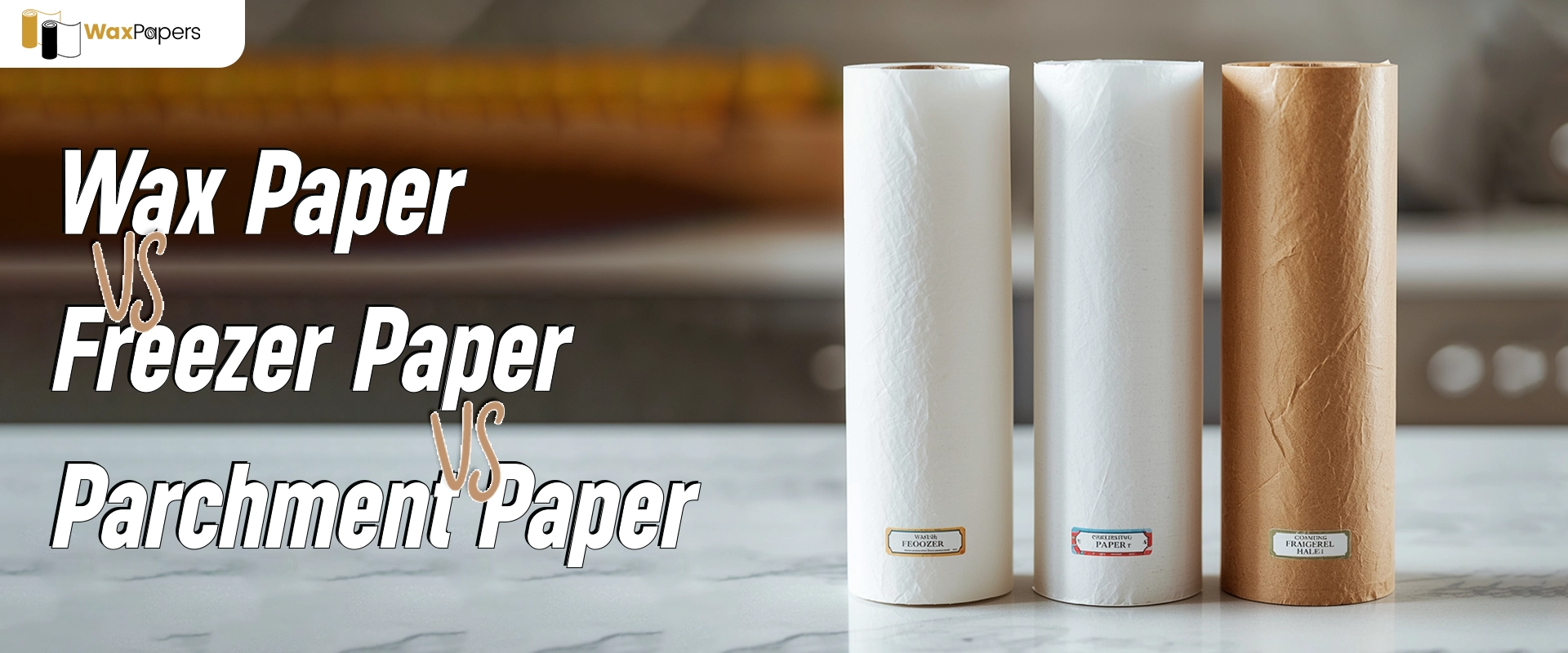
Credit: waxpapers.ca
Which Paper Suits Your Needs?
Choosing between butcher paper and freezer paper depends on what you plan to do with it. Each type of paper has its strengths and weaknesses, making it better suited for specific tasks. Understanding these differences helps you pick the right paper to get the best results for your cooking and storage needs.
Wrapping Meat
Butcher paper is breathable, allowing some air to pass through. This makes it ideal for wrapping fresh cuts of meat that need to stay moist but not soggy. It helps maintain the meat’s texture without trapping excess moisture.
Freezer paper, on the other hand, has a plastic coating on one side that creates a moisture barrier. This coating locks in juices and prevents freezer burn during long-term storage. If you want to freeze meat for weeks, freezer paper is usually the better choice.
Food Storage
For short-term storage, butcher paper works well because it lets the meat “breathe,” reducing the chance of sogginess. You can wrap leftovers or deli meats in butcher paper for a day or two in the fridge without much worry.
Freezer paper excels in long-term food storage. Its plastic coating keeps air and moisture out, preserving food quality for months. If you’ve ever found freezer burn ruining your meals, switching to freezer paper might save you from that frustration.
Cooking And Smoking
Many barbecue enthusiasts prefer butcher paper for smoking because it allows smoke to penetrate the meat while retaining moisture. It creates a nice bark and prevents the meat from becoming too wet.
Using freezer paper for cooking or smoking is less common. Its plastic side can melt or release unwanted chemicals at high temperatures, making it unsafe for direct heat. Always avoid freezer paper for grilling or smoking to protect your food and health.
Environmental Impact
Understanding the environmental impact of butcher paper versus freezer paper is important if you want to make eco-friendly choices in your kitchen or business. Both papers serve different purposes, but their effects on the planet can vary significantly. Let’s look closely at how each type holds up when it comes to recyclability and biodegradability.
Recyclability
Butcher paper is usually made from uncoated kraft paper, which tends to be more recyclable than freezer paper. You can often toss butcher paper into your recycling bin, especially if it’s clean and free from food residue.
Freezer paper, on the other hand, has a plastic or wax coating that makes it less recyclable. This coating prevents water and air from passing through but also stops recycling facilities from processing it effectively.
Have you ever tried recycling freezer paper only to find it rejected? That’s a common frustration and a reminder to check your local recycling guidelines before tossing it in.
Biodegradability
Butcher paper breaks down naturally over time because it lacks synthetic coatings. This means it decomposes faster in compost or landfill environments, reducing long-term waste.
Freezer paper’s plastic or wax layer slows down decomposition. It can linger in landfills for years, contributing to pollution and microplastic buildup.
If you care about reducing your carbon footprint, choosing butcher paper might be a smarter option for wrapping or storing food. Would you switch to butcher paper knowing it’s kinder to the environment?

Credit: www.asianlabgrowndiamonds.com

Credit: www.kimecopak.ca
Frequently Asked Questions
What Is The Difference Between Butcher Paper And Freezer Paper?
Butcher paper is porous and used for wrapping fresh meat. Freezer paper has a plastic coating to prevent moisture loss and freezer burn.
Can I Use Butcher Paper Instead Of Freezer Paper?
Butcher paper is not ideal for freezing as it lacks moisture protection. Freezer paper is better for long-term storage.
Is Freezer Paper Safe For Cooking Or Grilling?
Yes, freezer paper is safe for cooking when the plastic side does not touch food directly. It’s mainly for freezing and wrapping.
Why Is Butcher Paper Preferred For Wrapping Meat?
Butcher paper allows meat to breathe, which helps retain freshness and prevents sogginess. It is commonly used for short-term storage.
Conclusion
Butcher paper and freezer paper are not the same. Each serves a different purpose in the kitchen. Butcher paper is good for wrapping fresh meat and allowing it to breathe. Freezer paper has a plastic coating that protects food from freezer burn.
Choosing the right paper helps keep your food fresh and tasty. Always check what you need before buying. This simple step can save money and reduce waste. Understanding their differences makes cooking and storing food easier. Keep these tips in mind for better food care.