Craving something sweet and refreshing? Coconut ice cream might just be the treat you didn’t know you needed.
Imagine the creamy texture of traditional ice cream combined with the unique, tropical flavor of coconut. It’s a dessert that feels like a mini vacation with every bite. But have you ever wondered who makes this deliciously exotic ice cream?
You’re not alone. Many people are curious about the brands and artisans behind this creamy delight. You’ll discover the creators of coconut ice cream, the secret ingredients they use, and why their version might just become your new favorite dessert. Keep reading to satisfy your curiosity and perhaps find your next go-to indulgence.

Credit: www.afarmgirlsdabbles.com
Origins Of Coconut Ice Cream
Coconut ice cream is a beloved treat enjoyed worldwide. Its origins trace back to tropical regions where coconuts grow naturally. The creation of coconut ice cream blends local ingredients with traditional ice cream techniques. This section explores the roots and cultural importance of this creamy dessert.
Historical Roots
Coconut ice cream dates back centuries in Southeast Asia. Early versions used fresh coconut milk and natural sweeteners. Vendors often sold it from carts in busy markets. The cold treat provided relief from hot climates. Over time, recipes spread to other tropical regions. Each place added unique flavors and methods.
Cultural Significance
Coconut ice cream holds a special place in many cultures. It symbolizes tropical comfort and natural flavors. People enjoy it during festivals and family gatherings. The dessert also reflects local agriculture and traditions. In some countries, it represents hospitality and sharing. Coconut ice cream connects communities through taste and memory.

Credit: us.amazon.com
Key Coconut Ice Cream Makers
Coconut ice cream is crafted by a range of makers, from small artisans to big companies. Each brings a unique touch to this creamy, tropical treat. These key makers shape how coconut ice cream tastes and reaches your table.
Famous Artisanal Brands
Artisanal brands focus on quality and natural ingredients. They often use fresh coconut milk and organic sweeteners. These makers create rich, authentic flavors that stand out in the market.
- They produce small batches for freshness.
- Use traditional methods for smooth texture.
- Offer unique blends, like coconut with spices or fruits.
- Popular in local markets and specialty stores.
Popular Commercial Producers
Commercial producers make coconut ice cream on a large scale. They ensure wide availability and consistent taste. These brands often add stabilizers and preservatives for longer shelf life.
- Available in supermarkets worldwide.
- Offer various packaging sizes.
- Focus on affordability and mass appeal.
- Sometimes include dairy-free or vegan options.
Crafting The Creamy Texture
Crafting the creamy texture of coconut ice cream is an art that balances ingredients and technique. The right choices in coconut milk or cream and sweeteners impact not just flavor but the smoothness you crave. Understanding these elements helps you make ice cream that feels rich and melts perfectly on your tongue.
Coconut Milk Vs. Cream
Coconut milk and coconut cream come from the same source but differ in fat content. Coconut cream contains more fat, which creates a thicker and creamier texture in your ice cream. If you want a rich mouthfeel, choose coconut cream or a mix of both.
Using only coconut milk can produce a lighter texture, which some prefer for a refreshing treat. However, it might lack the indulgent creaminess that makes ice cream so satisfying. Experiment with ratios to see what matches your taste and texture goals.
Natural Sweeteners Used
Sugar is common in ice cream, but natural sweeteners can enhance flavor and texture while keeping it wholesome. Options like honey, maple syrup, or agave nectar add subtle, complex sweetness that complements coconut’s nutty taste.
These sweeteners also influence the ice cream’s consistency; for example, honey helps keep the ice cream soft and scoopable due to its hygroscopic nature. Have you noticed how different sweeteners affect the way your homemade ice cream freezes and melts? Trying a few can change your entire experience.
Innovations In Flavor
Coconut ice cream has evolved beyond the classic creamy taste. Innovators now explore new flavors that excite the palate. These fresh ideas bring unique twists and delightful surprises. The focus is on combining coconut’s rich flavor with other vibrant ingredients.
Tropical Additions
Tropical fruits blend naturally with coconut ice cream. Mango, pineapple, and passion fruit create bright, refreshing tastes. These add a juicy sweetness that complements coconut’s creaminess. Some recipes include shredded coconut or toasted coconut flakes for texture. The tropical theme often features a hint of lime or mint for freshness.
Fusion Flavors
Fusion flavors mix coconut with unexpected ingredients. Spices like cardamom or cinnamon add warmth and depth. Chocolate and coconut create a rich, indulgent treat. Some chefs combine coconut with green tea or coffee for a bold twist. Even savory notes, such as ginger or chili, add a surprising kick. These blends make coconut ice cream exciting and new.
Sourcing Quality Coconuts
Sourcing quality coconuts is the heart of making exceptional coconut ice cream. The flavor, texture, and richness of the ice cream all depend heavily on the coconuts used. Paying close attention to where and how coconuts are grown can elevate your ice cream experience beyond just a sweet treat.
Sustainable Farming Practices
Choosing coconuts from farms that use sustainable methods benefits both the environment and the quality of the fruit. These farms avoid harmful chemicals and focus on natural growth cycles, which often leads to coconuts with richer, cleaner flavors. Have you ever wondered how the health of the soil might affect the taste of your ice cream?
Farmers who practice crop rotation and minimize pesticide use help maintain the ecosystem. This approach ensures coconuts stay fresh and nutrient-packed, which makes a noticeable difference in the creaminess of the ice cream. Supporting sustainable farms also encourages better farming habits worldwide.
Geographical Impact On Taste
The region where coconuts grow plays a huge role in their flavor profile. Tropical climates with plenty of sunlight and consistent rainfall often produce the best coconuts for ice cream. For example, coconuts from Southeast Asia tend to have a sweet, mild taste, while those from the Caribbean might offer a more intense and creamy flavor.
Have you tried coconut ice cream made from different regions? You might notice subtle differences in sweetness and texture. Understanding these geographical nuances helps you select coconuts that match the flavor profile you want for your ice cream.
Global Popularity And Trends
Coconut ice cream has captured the taste buds of people all around the world. Its unique blend of creamy texture and tropical flavor appeals to a wide range of consumers. Understanding the global popularity and trends helps you see why this frozen treat continues to grow in demand.
Vegan And Dairy-free Demand
The rise in veganism and lactose intolerance has pushed coconut ice cream into the spotlight. Unlike traditional ice cream, it offers a plant-based alternative that doesn’t compromise on creaminess or flavor. Many consumers appreciate that it’s not only dairy-free but also rich in healthy fats from coconut.
You might notice more cafes and ice cream shops listing coconut options on their menus. This shift shows how businesses respond to customer needs for allergen-friendly and ethical choices. Are you surprised by how many people now choose coconut ice cream for health or lifestyle reasons?
Market Growth And Expansion
Markets in Asia, North America, and Europe have seen significant growth in coconut ice cream sales. Brands are expanding their product lines and experimenting with new flavors like mango, matcha, and chocolate swirl. This variety keeps consumers excited and coming back for more.
Smaller artisanal producers join larger companies, offering unique recipes that highlight local ingredients. The accessibility of coconut ice cream in supermarkets and online stores also helps it reach a wider audience. How could you use this trend to add a fresh option to your next dessert menu or party?
Making Coconut Ice Cream At Home
Making coconut ice cream at home is easier than many think. Fresh, creamy, and naturally sweet, it offers a delightful treat. Homemade versions allow control over ingredients and flavors. Plus, it’s a great option for those avoiding dairy or seeking a tropical twist.
The process is simple and requires only a few key items. Even without an ice cream machine, you can create delicious coconut ice cream. Experimenting with recipes brings out unique tastes and textures.
Essential Ingredients
- Coconut milk or coconut cream – the base for creaminess
- Sugar or natural sweeteners – to balance the flavor
- Vanilla extract – adds depth and aroma
- A pinch of salt – enhances overall taste
- Optional mix-ins: shredded coconut, chocolate chips, or fruit
Simple Recipes To Try
| Recipe | Ingredients | Instructions |
|---|---|---|
| Basic Coconut Ice Cream |
|
|
| Chocolate Coconut Ice Cream |
|
|

Credit: kirbiecravings.com
Frequently Asked Questions
Who Originally Makes Coconut Ice Cream?
Coconut ice cream is traditionally made in Southeast Asian countries like Thailand and the Philippines. Local artisans use fresh coconut milk and natural ingredients to create its unique creamy texture and tropical flavor.
What Ingredients Are Used To Make Coconut Ice Cream?
Coconut ice cream primarily uses coconut milk, sugar, and natural flavorings. Some recipes add coconut flakes or vanilla for extra taste. It’s often dairy-free and vegan-friendly, appealing to health-conscious consumers.
Which Brands Produce Popular Coconut Ice Cream?
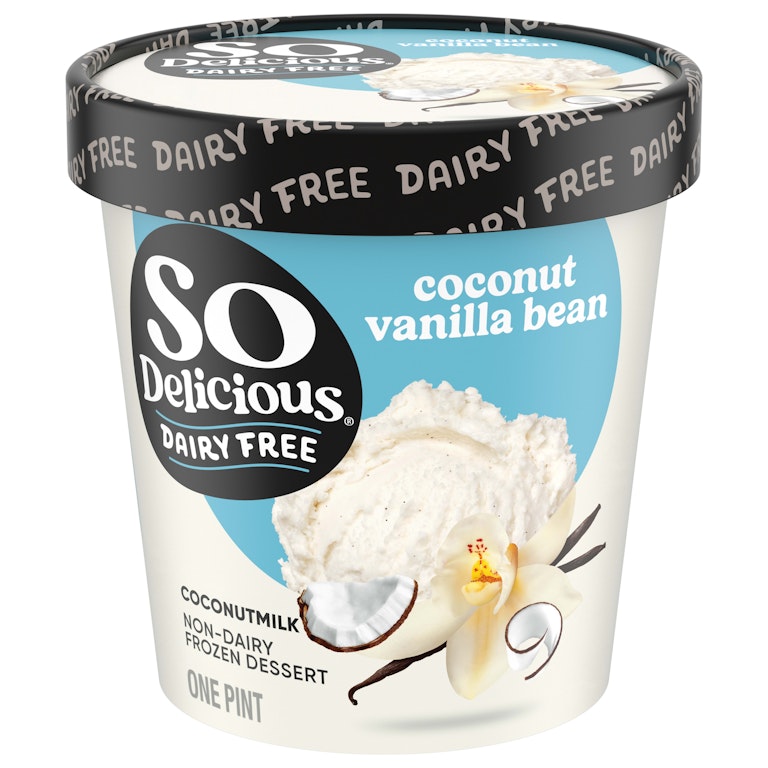
Popular brands like So Delicious, Coconut Bliss, and Haagen-Dazs produce coconut ice cream. They use high-quality coconut milk and organic ingredients to ensure rich flavor and creamy texture.
How Is Coconut Ice Cream Made At Home?
Homemade coconut ice cream blends coconut milk, sugar, and flavorings. The mixture is chilled, churned in an ice cream maker, then frozen until firm. This process keeps the ice cream smooth and creamy.
Conclusion
Coconut ice cream comes from many places and makers. Small shops, big brands, and home cooks all create this treat. Each uses fresh coconut for natural flavor and creaminess. This ice cream offers a cool taste with tropical charm. People enjoy it worldwide for its unique, refreshing feel.
Trying different versions can be a fun adventure. Now, you know who makes coconut ice cream and why it’s special. Give it a taste and enjoy the sweet, creamy delight.