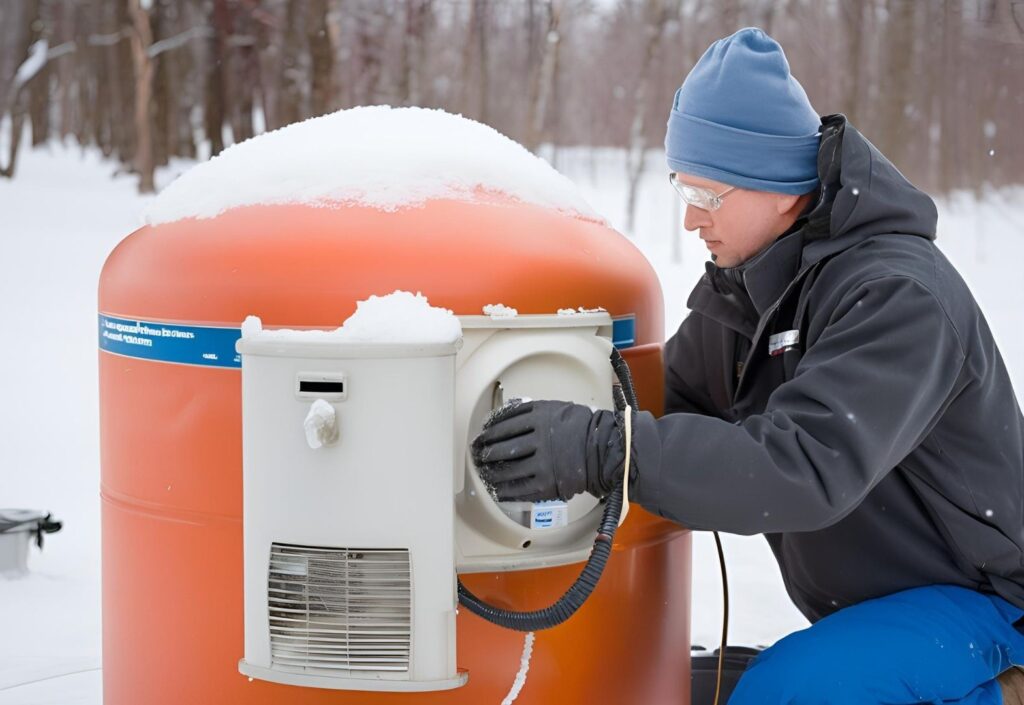
Have you ever wondered if propane can freeze? Picture this: it’s a chilly winter morning, and you’re relying on your propane tank to keep your home warm.
You might start to wonder if the dropping temperatures outside could affect your propane supply. It’s a thought that can spark a bit of anxiety, especially if you’re unfamiliar with how propane behaves in cold weather. But don’t worry, we’ve got the insights you need.
Understanding how propane reacts to freezing temperatures can help you feel more confident and prepared. Keep reading, and we’ll explore whether propane can freeze and what it means for you and your home.
Propane Basics
Understanding propane is key to answering many common questions about its use and behavior. This section breaks down the basics of propane. It explains what propane is and how people use it in everyday life. Knowing these facts helps you grasp why propane acts a certain way under different conditions.
What Is Propane
Propane is a gas made from natural gas and oil. It is colorless and odorless by nature. A special smell is added to help detect leaks. Propane turns into liquid when kept under pressure. This makes it easier to store and transport.
Propane is part of the hydrocarbon family. It burns cleanly and produces a lot of heat. This makes it a popular fuel choice worldwide.
Common Uses Of Propane
Propane powers many appliances and tools. It is widely used for heating homes and water. Many people use propane for cooking, both indoors and outdoors.
- Heating buildings and water
- Fueling grills and stoves
- Running generators for electricity
- Powering farm and industrial equipment
- Heating pools and spas
Propane is favored for its efficiency and portability. It works well even in places without natural gas pipelines.
Freezing Point Of Propane
Understanding the freezing point of propane is important for safe and efficient use. Propane is a popular fuel for heating, cooking, and vehicles. Knowing its behavior in cold weather helps prevent issues.
Propane remains in a liquid state under normal conditions. It only freezes under extreme cold temperatures. This property makes propane reliable in many climates.
Temperature At Which Propane Freezes
Propane freezes at -306 degrees Fahrenheit (-188 degrees Celsius). This temperature is far colder than most natural environments. It means propane rarely freezes in everyday use. Even in very cold winters, propane stays liquid inside tanks.
Because of this low freezing point, propane can be stored safely outdoors in cold places. Users do not need to worry about freezing blocking fuel flow.
Comparison With Other Fuels
| Fuel | Freezing Point (°F) | Freezing Point (°C) |
|---|---|---|
| Propane | -306 | -188 |
| Butane | -128 | -89 |
| Natural Gas (Methane) | -297 | -183 |
| Water | 32 | 0 |
Propane freezes at a lower temperature than butane. It also freezes slightly colder than natural gas. Water, in contrast, freezes at a much higher temperature.
This low freezing point gives propane an advantage in cold climates. It can be used where other fuels might solidify or stop working.
Conditions That Affect Propane State
Understanding what affects propane’s state is key if you use it for heating, cooking, or any other purpose. Propane doesn’t freeze easily, but specific conditions can change its form from gas to liquid or even solid under extreme circumstances. Knowing these factors helps you handle propane safely and efficiently.
Pressure And Temperature Relationship
Propane’s state depends largely on the balance between pressure and temperature. At standard atmospheric pressure, propane turns into a gas above -44°F (-42°C). Below this temperature, it starts to liquefy and can eventually freeze if the temperature drops even further.
Increasing pressure raises propane’s boiling point, meaning it stays liquid at higher temperatures. This is why propane is stored under pressure in tanks—it keeps the propane liquid and easy to transport. Have you ever noticed how your propane tank feels cold during heavy use? That’s because of rapid gas expansion cooling the liquid inside.
Impact Of Storage Methods
How you store propane influences its state and safety. Propane tanks must be kept upright and in well-ventilated areas to avoid pressure buildup. Storing propane in sealed, pressurized containers prevents it from vaporizing, which keeps it in liquid form.
Exposure to extreme cold without proper insulation can cause propane to freeze or become less effective. If you live in very cold climates, consider using propane tanks with built-in heaters or insulating covers. How do you ensure your propane stays safe and functional during winter months?

Credit: centralpennpropane.com
Signs Of Propane Freezing
Propane freezing is rare but possible under extreme cold. Knowing the signs helps protect your appliances and avoid disruptions. Frozen propane can cause flow issues and damage equipment. Early detection can save time and money.
How To Detect Frozen Propane
Watch for these signs to spot frozen propane:
- Flame weakens or goes out unexpectedly.
- Gas pressure drops suddenly on your gauge.
- Unusual hissing or sputtering sounds from burners.
- Frost or ice buildup on the propane tank or lines.
- Appliances fail to start or work inconsistently.
Check the tank temperature and surrounding environment. Freezing occurs below -44°F (-42°C), but pressure changes can happen earlier.
Effects On Appliances And Equipment
Frozen propane affects appliances in several ways:
- Burners may not ignite or burn weakly.
- Heating systems become less efficient or stop.
- Gas flow restrictions cause uneven performance.
- Regulators and valves might freeze, blocking gas.
- Continuous freezing can damage seals and parts.
Regular maintenance and monitoring prevent costly repairs and ensure safety.
Preventing Propane Freezing
Preventing propane freezing is crucial to keep your appliances running smoothly during cold weather. Propane itself doesn’t freeze easily, but the moisture and impurities in the tank can cause blockages and freezing issues. Taking simple steps to manage your propane storage and maintenance can save you from unexpected cold-weather problems.
Storage Tips For Cold Weather
Keep your propane tank in a well-ventilated but sheltered area to protect it from harsh winds and snow buildup. Avoid placing the tank directly on cold surfaces like concrete; instead, raise it on a wooden platform or similar material to prevent cold transfer.
Make sure your propane tank is always at least half full during winter. This reduces the chance of moisture buildup inside, which can freeze and block the valves or hoses. Have you checked your tank’s pressure gauge recently? Monitoring it can alert you to any potential issues early.
Maintenance Practices
Regularly inspect hoses and valves for cracks or leaks, especially before the cold season starts. Small leaks can allow moisture in, which contributes to freezing problems. Replace any worn parts immediately to ensure your system stays airtight.
Drain any accumulated water from your propane system regularly. Moisture is the main culprit behind freezing issues, so keeping your system dry is key. Have you scheduled a professional inspection this year? A technician can spot hidden problems that you might miss.
What To Do If Propane Freezes
If you ever suspect that your propane has frozen, it’s important to act carefully and promptly. Frozen propane can disrupt your appliances and pose safety risks. Knowing what to do can help you avoid damage and keep your home safe.
Safe Thawing Techniques
Start by moving the propane tank to a warmer area if possible. Avoid using open flames or direct heat sources like blowtorches to thaw the tank. Instead, try gently warming the tank with warm water or placing it in a heated room.
Never heat the tank above room temperature. You want to avoid rapid temperature changes that could damage the tank or cause leaks. Using warm towels wrapped around the tank can also help the thawing process safely and evenly.
Have you ever tried to speed up thawing by cranking up the heat? It might seem quicker, but it can be dangerous. Slow and steady warming keeps pressure stable and reduces risk.
When To Call A Professional
If you notice frost on your propane lines or tank and the thawing steps don’t help, it’s time to call a professional. Also, if you smell gas or see signs of leaks, don’t wait. Propane leaks can be hazardous and require expert handling.
Professionals have the right tools and knowledge to check pressure levels and safely restore your propane system. They can also inspect for any damage caused by freezing and prevent future issues.
Ask yourself: Is the situation beyond your comfort and skill level? If yes, don’t hesitate to get help. Your safety should always come first when dealing with propane.
Myths About Propane Freezing
Many people worry about propane freezing during cold weather. This fear comes from common myths rather than facts. Understanding these myths helps clear confusion and keeps users safe.
Propane is used in many homes and industries. Knowing the truth about its properties is important for safe handling and storage.
Common Misconceptions
- Propane freezes like water at low temperatures.
- It stops working if the temperature drops below freezing.
- Propane tanks can burst due to freezing inside.
- It needs special heaters to prevent freezing outdoors.
Facts Vs Fiction
| Myth | Fact |
|---|---|
| Propane freezes at 32°F (0°C). | Propane freezes at -306°F (-188°C), far below normal temperatures. |
| Freezing damages propane tanks. | Tanks are designed to handle cold weather safely. |
| Propane stops working in cold weather. | Propane vaporizes at very low temperatures, remaining usable. |
| Special heaters are needed to prevent freezing. | Heaters are unnecessary for freezing; proper tank care is enough. |
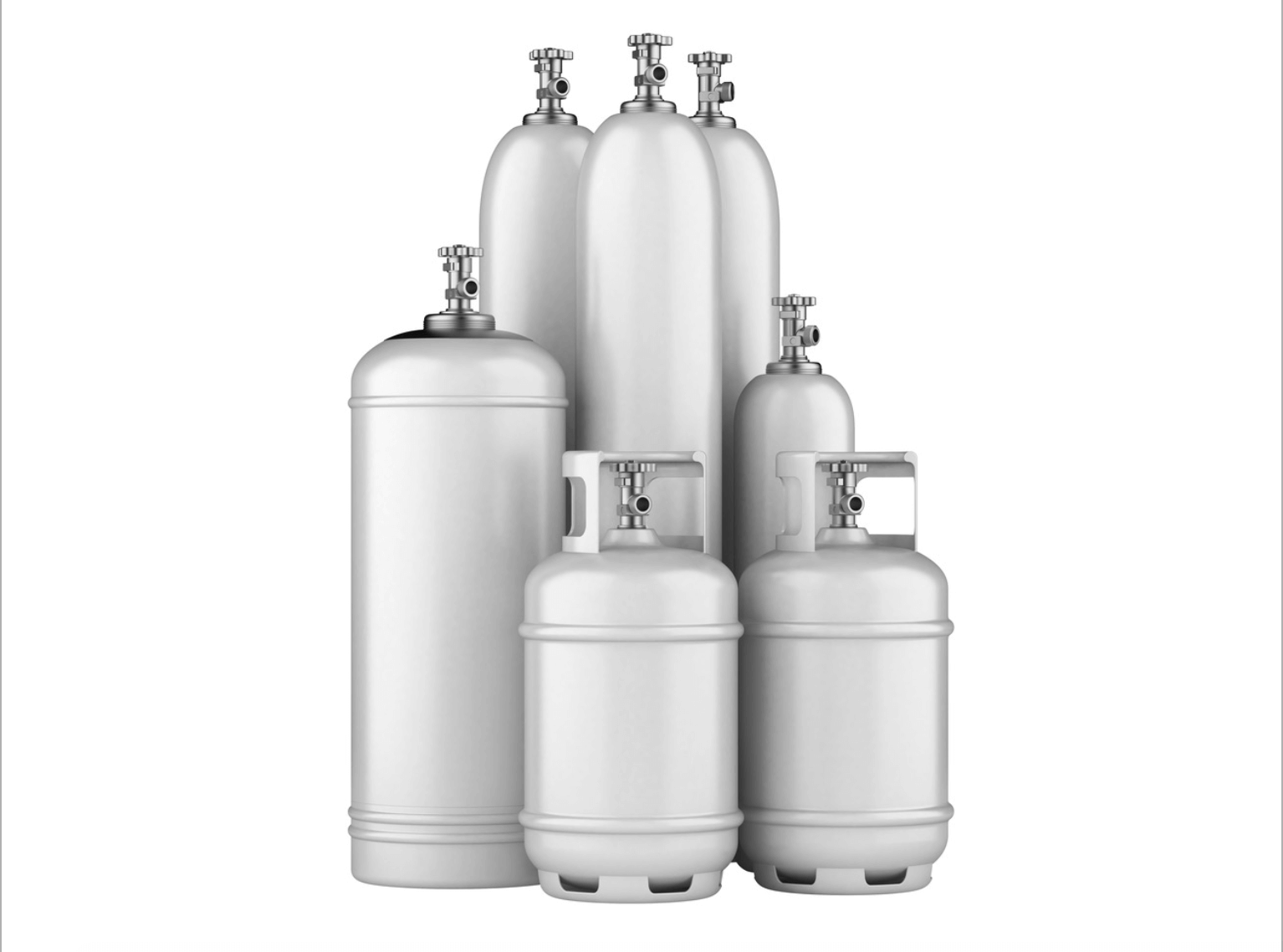
Credit: bryansfuel.on.ca
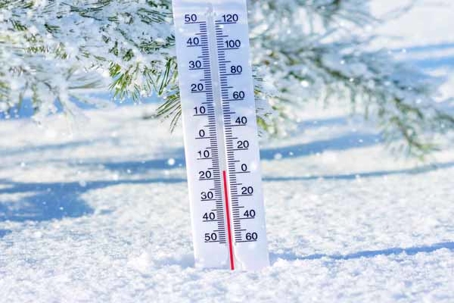
Credit: www.townsendtotalenergy.com
Frequently Asked Questions
Does Propane Freeze At Low Temperatures?
Propane freezes at around -306°F (-188°C), far colder than natural winter conditions. It remains liquid in typical cold weather, making freezing unlikely.
Can Propane Tanks Burst From Freezing?
Propane tanks rarely burst due to freezing. The liquid propane inside expands when heated, but freezing temperatures usually make it contract, reducing pressure risks.
How To Prevent Propane From Freezing In Cold Weather?
Keep propane tanks above -306°F (-188°C) to avoid freezing. Insulating tanks and storing them in sheltered, warmer areas helps maintain proper temperature and pressure.
What Happens If Propane Freezes Inside A Tank?
Frozen propane solidifies but doesn’t damage tanks. When warmed, it returns to liquid state without affecting tank integrity or propane quality.
Conclusion
Propane does not freeze under normal outdoor temperatures. It stays liquid until it gets extremely cold. This means propane works well even in winter. Keep your tanks safe and check them regularly. Knowing how propane behaves helps you use it smartly.
Stay warm and enjoy propane’s reliable heat anytime.