Imagine driving on a cold winter morning, your car is ready to go, but suddenly something feels off. Your brakes don’t respond as they should, and panic sets in.
Could it be that your brake lines have frozen? You might not have considered this possibility before, but the cold weather can indeed have surprising effects on your vehicle. You’ll discover whether brake lines can freeze and what you can do to prevent it.
Stick around to learn the simple steps you can take to ensure your car remains safe and reliable, even when the temperatures drop. Your peace of mind on the road starts here.
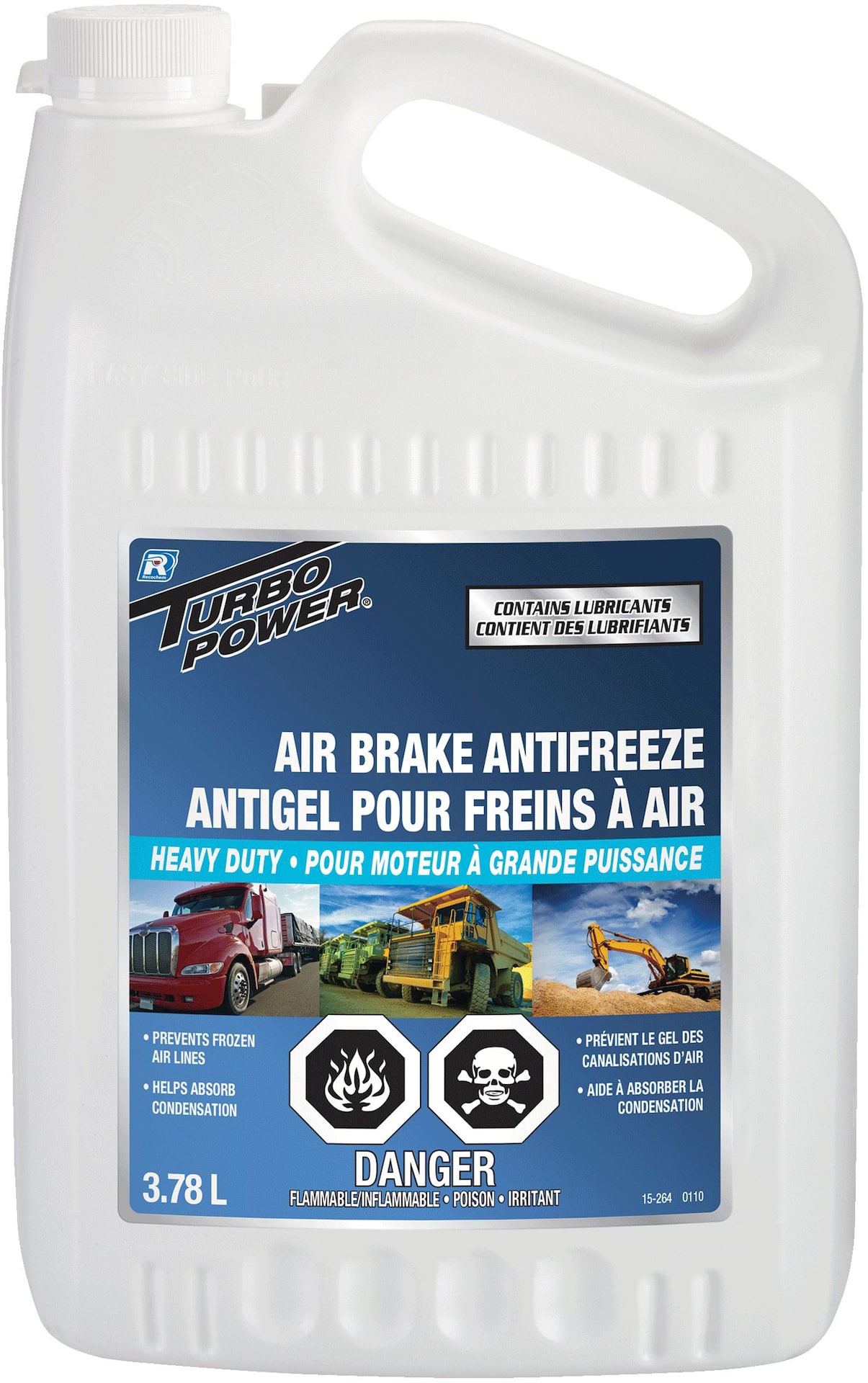
Credit: www.canadiantire.ca
How Brake Lines Work
Understanding how brake lines work is key to knowing whether they can freeze and affect your vehicle’s safety. Brake lines carry the vital hydraulic fluid that helps your brakes respond when you press the pedal. Their design and materials ensure this fluid moves efficiently, even under pressure.
Basic Brake Line Function
Brake lines act as the highways for brake fluid. When you press your brake pedal, it pushes this fluid through the brake lines.
This pressure forces the brake pads to clamp onto the wheels, slowing your car down. Without this smooth flow, your brakes won’t work properly.
Have you ever noticed a soft or spongy brake pedal? That might mean there’s an issue with the brake line’s ability to maintain pressure.
Materials Used In Brake Lines
Brake lines are usually made from steel, coated with a layer of rust-resistant material. This makes them strong enough to handle high pressure and resist damage.
Some brake lines also use flexible rubber sections. These help absorb vibrations and allow movement between parts.
Modern vehicles might feature stainless steel braided brake lines for extra durability and better performance. These materials reduce the chance of leaks or cracks that could cause brake failure.
Conditions Leading To Freezing
Brake lines carry brake fluid to help stop your vehicle safely. Under certain conditions, these lines can freeze. Understanding what causes freezing helps prevent brake failure in cold weather. Two main factors affect freezing: moisture in the brake fluid and low temperatures.
Moisture And Brake Fluid
Brake fluid can absorb moisture over time. This happens because brake systems are not fully sealed. Moisture lowers the fluid’s freezing point. When water mixes with brake fluid, ice can form inside the lines. This ice blocks the flow of brake fluid. It makes braking difficult or even impossible. Regular brake fluid changes reduce moisture buildup. Using the correct type of brake fluid also helps avoid freezing.
Temperature Thresholds
Brake fluid usually has a low freezing point. Pure brake fluid freezes below -40°F (-40°C). But moisture inside the fluid freezes at 32°F (0°C). Even a small amount of water can cause freezing. Cold weather below freezing increases the risk. Prolonged exposure to low temperatures makes ice formation more likely. Vehicles in very cold regions face higher chances of brake line freezing.
Signs Of Frozen Brake Lines
Frozen brake lines can be a serious safety hazard, especially during cold weather. Recognizing the signs early can help you avoid dangerous situations on the road. Let’s look at some clear indicators that your brake lines might be frozen and what you should watch for.
Brake Pedal Response
If your brake lines freeze, you might notice a delayed or spongy response when you press the brake pedal. The pedal may feel soft or sink lower than usual, making it harder to stop quickly. This happens because the frozen fluid or ice blocks the normal flow, reducing braking efficiency.
Have you ever felt your brakes not react as they should on a cold morning? That could be more than just cold weather—it might be a warning sign of frozen brake lines. Always test your brakes gently after your car has been sitting in freezing temperatures to catch this early.
Unusual Noises Or Feel
Frozen brake lines can cause unexpected noises when you apply the brakes. You might hear a grinding or squealing sound that wasn’t there before. These noises can mean the braking system is struggling to function properly due to ice or frozen fluid inside the lines.
Besides noises, you might feel vibrations or a strange resistance through the brake pedal. If your braking feels different or less smooth, it’s worth checking your brake lines. Ignoring these signs can lead to more serious brake failure down the road.

Credit: www.fleetequipmentmag.com
Risks Of Frozen Brake Lines
Frozen brake lines pose a serious risk to your vehicle’s braking system, especially in cold climates. When moisture inside the brake lines freezes, it can block the flow of brake fluid, leading to impaired brake function. Understanding these risks can help you stay safer on the road during winter months.
Brake Failure Potential
Frozen brake lines can cause a partial or complete loss of braking power. If ice blocks the brake fluid, your brake pedal may feel spongy or go all the way to the floor without slowing the car. This means your brakes might not respond when you need them the most.
Think about a time when you had to brake suddenly on icy roads. Now imagine your brakes not working properly at that moment. It’s a dangerous scenario that highlights the importance of maintaining your brake lines in freezing conditions.
Safety Hazards On The Road
Driving with frozen brake lines increases the risk of accidents significantly. Without reliable braking, controlling your vehicle becomes difficult, especially in traffic or on slippery roads. This can lead to rear-end collisions or losing control on curves.
Have you ever noticed how even a small delay in braking can cause a crash? Frozen brake lines can create that delay, putting you and others in harm’s way. It’s essential to check your brake system regularly and watch for signs of freezing, such as sluggish brakes or unusual pedal feel.
Preventing Brake Line Freezing
Preventing brake line freezing is essential for safe driving during cold weather. Frozen brake lines can cause delayed braking response or even brake failure, putting you at serious risk. Taking proactive steps helps keep your braking system reliable, no matter how low the temperature drops.
Proper Maintenance Tips
Regularly inspect your brake lines for cracks or leaks, especially before winter hits. Damaged lines can allow moisture to enter, increasing the chance of freezing. Make sure your brake system is flushed and refilled according to your vehicle’s maintenance schedule to remove old fluid and contaminants.
Have you ever checked your brake lines after a harsh winter storm? I found a small leak in mine once, and it was a wake-up call. Fixing it immediately prevented a freeze-up and gave me peace of mind on icy roads.
Choosing The Right Brake Fluid
Brake fluid absorbs moisture over time, which lowers its freezing point. Using the correct type of brake fluid, like DOT 4 or DOT 5.1, can help reduce the risk of freezing because these fluids handle moisture better than DOT 3. Check your owner’s manual to see which fluid is recommended for your vehicle and climate.
Always buy brake fluid from reputable brands to ensure quality. Avoid mixing different types of brake fluids, as this can affect performance and increase freezing risk. Have you ever noticed your brake pedal feeling spongy in cold weather? It might be time to change your brake fluid.
What To Do If Brake Lines Freeze
Discovering that your brake lines have frozen can be alarming. Knowing exactly what to do in this situation can prevent further damage and keep you safe. Acting quickly and wisely is key to resolving the issue without risking your vehicle’s braking system.
Immediate Steps To Take
If you suspect your brake lines have frozen, avoid pressing the brake pedal hard. Doing so might damage the system. Instead, start by warming the vehicle gradually in a safe, open area.
Use a portable heater or direct warm air toward the brake lines if possible. Never use an open flame—this can be dangerous and cause more harm. Also, check if your brake fluid is low or contaminated, as this can contribute to freezing.
Keep your car running and let it warm up slowly. This helps melt any ice inside the brake lines. While waiting, inspect your tires and other components to ensure overall readiness before driving.
When To Seek Professional Help
If warming the vehicle does not restore brake function, it’s time to call a professional. Frozen brake lines can indicate deeper issues like leaks or damaged seals. Trying to fix these without expertise can put you at risk.
A mechanic can safely inspect the brake system, flush old fluid, and replace damaged parts. They can also check for corrosion or other hidden problems that may worsen in cold weather. Don’t ignore persistent brake issues; your safety depends on fully functional brakes.
Have you ever faced a sudden brake problem on a cold morning? How did you handle it? Sharing your experience could help others prepare for similar situations.
Winter Driving Best Practices
Winter driving demands extra attention to keep you safe on icy and snowy roads. Understanding how cold affects your vehicle, especially critical systems like brake lines, can prevent dangerous situations. Adopting smart winter driving best practices helps you maintain control and confidence behind the wheel.
Vehicle Preparation
Check your brake lines for any signs of wear or damage before winter hits. Even a tiny crack can let moisture in, which might freeze and cause brake failure.
Use brake fluid with the proper specifications for cold weather. Your car’s manual usually recommends the right type—don’t skip this step.
Make sure your tires have enough tread and are properly inflated. Slippery roads demand good traction to complement your braking system.
Consider installing winter wiper blades and topping off windshield washer fluid with antifreeze properties. Clear visibility is crucial when winter weather strikes.
Safe Driving Techniques
Start your trips slowly to warm up your car, including the brake system. Sudden stops on cold, icy brakes can be risky.
Keep a longer following distance to give yourself more time to brake gently. Hard braking can lead to skidding, especially if brake lines are compromised.
Practice smooth and gradual braking rather than abrupt stops. Have you noticed how gentle pressure on the pedal changes your control in slippery conditions?
Stay alert for black ice, especially on bridges and shaded areas. Even the best-maintained brake lines can’t help if you don’t adjust your speed to road conditions.
By preparing your vehicle properly and driving with care, you reduce the chance of brake line freezing issues and improve your overall safety during winter drives.
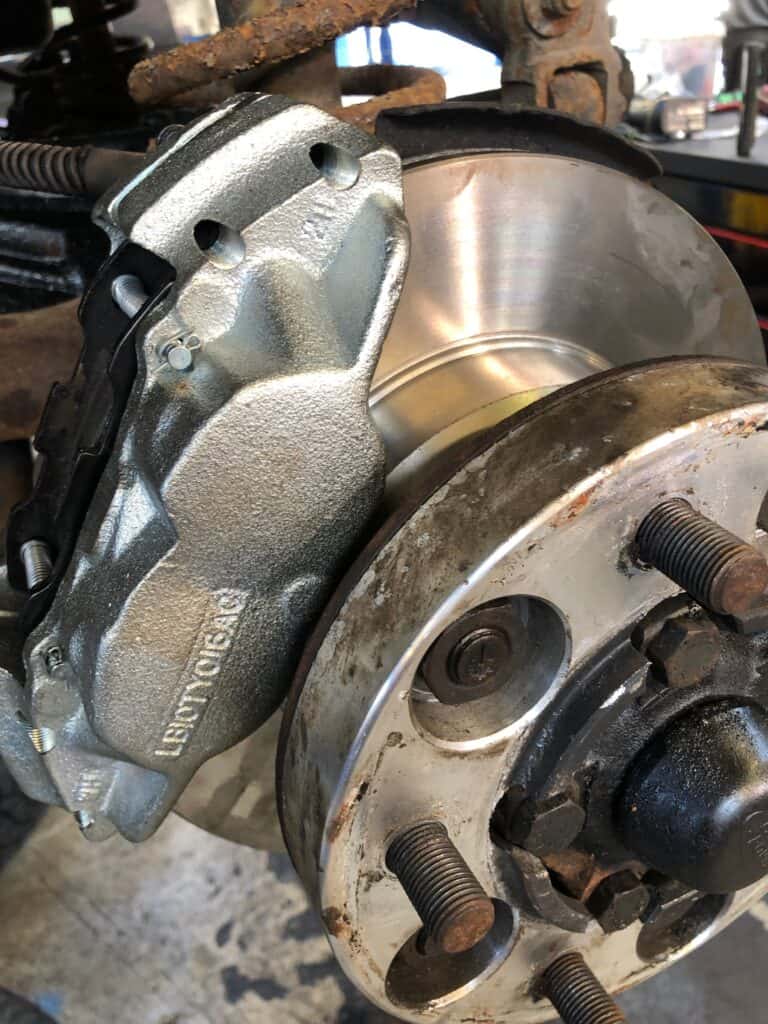
Credit: www.delany-motors.co.uk
Frequently Asked Questions
Can Brake Lines Freeze In Cold Weather?
Yes, brake lines can freeze if water contaminates the brake fluid. This causes moisture to turn into ice, blocking fluid flow and impairing braking performance.
What Causes Brake Lines To Freeze?
Brake lines freeze due to moisture in the brake fluid. When temperatures drop below freezing, this water turns to ice and restricts fluid movement inside the lines.
How Can I Prevent Brake Lines From Freezing?
Prevent freezing by regularly flushing and replacing brake fluid. Use high-quality, moisture-resistant brake fluid and ensure the brake system is sealed properly.
What Happens If Brake Lines Freeze While Driving?
Frozen brake lines can cause brake failure or delayed response. This creates a dangerous driving situation, increasing the risk of accidents and loss of vehicle control.
Conclusion
Brake lines freezing can cause serious problems for your vehicle. Cold weather and moisture create the perfect conditions for this issue. Regular checks help you spot signs early and stay safe. Keep your brake system dry and well-maintained during winter months.
Taking small steps now avoids costly repairs later. Stay alert and protect your brakes from freezing damage. Your safety depends on a reliable braking system every time you drive.