When the temperature drops, your home’s plumbing system is at risk. Freezing sewer pipes can lead to costly repairs and a lot of stress.
But what if you could prevent this headache before it even starts? Imagine the peace of mind knowing your sewer pipes are safe from the harshest winter conditions. In this guide, you’ll discover simple yet effective strategies to keep your sewer pipes from freezing.
You’ll learn how to safeguard your home with easy-to-follow tips that anyone can implement. Protecting your pipes doesn’t have to be complicated or expensive—read on to find out how you can ensure a worry-free winter.

Credit: medium.com
Causes Of Sewer Pipe Freezing
Sewer pipes freeze when water inside them turns to ice. Ice blocks the flow and causes backups or bursts. Understanding what causes this problem helps prevent damage. Pipes freeze due to cold air exposure and poor insulation. Certain areas and weather make freezing more likely.
Common Vulnerable Areas
Pipes in unheated spaces face the highest risk. These include:
- Basements and crawl spaces
- Attics and garages
- Exterior walls with plumbing
- Under porches or decks
- Outdoor sewer pipe sections
These spots often lack warmth and insulation. Pipes close to outside walls lose heat quickly. Shallow pipes near the surface freeze faster in winter.
Impact Of Weather Conditions
Cold weather causes water inside pipes to freeze. Extended periods below freezing increase risk. Sudden temperature drops surprise pipes unprepared for cold.
Wind chill cools pipes faster by blowing away warmth. Snow can insulate pipes but also hide problems. Frozen ground fails to protect shallow pipes from cold air.
Preventive Insulation Techniques
Preventive insulation techniques play a crucial role in keeping your sewer pipes from freezing during cold weather. Proper insulation acts as a barrier, retaining heat and preventing water inside the pipes from turning to ice. If you’ve ever faced a frozen pipe, you know the hassle and damage it can cause—so why not take simple steps now to avoid that headache?
Types Of Pipe Insulation
There are several types of pipe insulation designed to protect your pipes effectively. Foam rubber insulation is flexible and easy to install around bends and corners. Fiberglass insulation offers high heat resistance but requires a protective outer layer to prevent moisture buildup.
Another option is polyethylene foam sleeves, which are lightweight and provide good thermal protection. For outdoor pipes, consider insulated pipe wraps that include a weather-resistant coating. Choosing the right type depends on your pipe location and exposure to cold.
Diy Insulation Methods
You don’t need to be a professional plumber to insulate your sewer pipes. Simple materials like foam pipe sleeves can be easily cut and slipped over exposed pipes. Secure the sleeves with duct tape to ensure they stay in place during harsh weather.
Another quick fix is wrapping pipes with old towels or blankets covered by plastic sheeting to block moisture. If you want a more permanent solution, use heat tape—an electric tape that warms the pipe when plugged in. Have you checked your basement or crawl space pipes lately? A little effort now can save you costly repairs later.
Maintaining Proper Drainage
Maintaining proper drainage is key to preventing your sewer pipes from freezing. When water flows freely through the pipes, it reduces the chance of ice buildup that can cause blockages or damage. Keeping your drainage system in good shape means you’re actively protecting your home during cold weather.
Ensuring Water Flow
Water that sits still in your pipes is more likely to freeze. You want to keep water moving, even if just slightly. Running a small trickle of water from faucets during freezing temperatures can help maintain flow and stop ice from forming.
Think about areas in your home where water tends to stagnate, like basement drains or seldom-used sinks. Flushing these spots regularly prevents buildup that slows flow. Have you checked your outdoor drains lately? Clearing leaves and debris keeps water from pooling and freezing around your pipes.
Regular Pipe Maintenance
Inspecting your pipes regularly can save you from costly repairs later. Look for cracks, corrosion, or sagging sections where water might collect and freeze. Fixing these issues early keeps water moving smoothly.
Cleaning your pipes is another important step. Over time, grease, dirt, and other debris can clog your system and slow drainage. Using a safe, eco-friendly drain cleaner once in a while ensures your pipes stay clear and functional.
Have you noticed slow drainage or strange smells? These can be early signs of problems that increase freezing risks. Addressing them quickly keeps your sewer system healthy and winter-ready.

Credit: www.spi-co.com
Heating Options For Pipes
Keeping your sewer pipes from freezing is crucial during cold months. Heating options offer reliable ways to maintain pipe temperature and prevent costly damage. Understanding different methods helps you choose the best fit for your home and budget.
Heat Tape And Cables
Heat tape and cables are popular for protecting pipes from freezing. These products wrap around your pipes and produce a steady, controlled heat.
You can find heat tapes with built-in thermostats that turn on only when temperatures drop below a certain point. This feature saves energy and prevents overheating.
Installation is straightforward. Simply clean the pipe surface, attach the tape or cable securely, and plug it in. Remember to follow the manufacturer’s instructions carefully for safety.
Have you checked your pipes for exposed spots where heat tape could be most effective? Adding insulation over the tape boosts its performance and keeps the warmth inside.
Using Heat Lamps Safely
Heat lamps can also help keep pipes warm, especially in basements or crawl spaces. However, they require careful handling due to fire risks.
Position the lamp so it shines directly on the pipes but is far from any flammable materials like insulation or cardboard. Use a fixture designed for damp or wet areas to avoid electrical hazards.
Set the lamp on a timer to limit usage and monitor it regularly. Have you ever forgotten to turn off a heat lamp? Timers help prevent accidents and save energy.
Consider pairing heat lamps with pipe insulation for better results. This combo traps the warmth and reduces the risk of freezing more effectively than either method alone.
Landscaping And External Protection
Protecting your sewer pipes from freezing goes beyond just insulating the pipes themselves. The environment around your pipes plays a crucial role in maintaining their temperature during cold months. Landscaping and external protection can create a natural buffer that shields your pipes from harsh winter conditions, reducing the risk of freezing.
Soil Cover And Mulching
Adding a thick layer of soil or mulch over areas where sewer pipes run can significantly slow down heat loss. Mulch acts as an insulating blanket, trapping warmth in the soil and around the pipes below. You might notice that after applying mulch in your garden, the soil feels warmer even on chilly mornings—this same principle helps keep pipes safe.
Choose organic mulches like straw, wood chips, or shredded leaves, which retain heat well. Aim for a layer of at least 6 inches to provide effective insulation. Have you checked how deep your soil cover is near your outdoor pipes? A shallow layer might not offer enough protection against freezing temperatures.
Barriers Against Wind Exposure
Wind can quickly strip away heat from exposed sewer pipes, making them more vulnerable to freezing. Installing physical barriers such as fencing, shrubs, or windbreaks can reduce wind speed and protect your pipes. Even a simple wooden fence or dense bushes planted strategically can make a noticeable difference.
Consider the direction of prevailing winds in your area when placing these barriers. You want to block the coldest winds from directly hitting your pipes. Have you observed where winter winds hit your property the hardest? Targeting those spots with wind barriers can save you from costly repairs later.
Emergency Measures For Frozen Pipes
Frozen sewer pipes can quickly turn into a homeowner’s nightmare, especially during unexpected cold snaps. Knowing how to act fast and effectively can prevent costly damage and restore your plumbing system’s function. Let’s focus on immediate actions you can take to handle frozen pipes safely and efficiently.
Identifying Frozen Sections
You need to find exactly where the pipe is frozen before you can fix it. Look for sections that feel unusually cold or have frost buildup on the outside. Pipes located near exterior walls, crawl spaces, or unheated basements are the most vulnerable.
Check for reduced water flow or no flow at all from faucets connected to the affected pipes. If the water pressure suddenly drops, it’s a strong sign that ice is blocking the pipe. Sometimes, you might also hear strange noises like banging or gurgling, which can point to frozen sections.
Have you ever noticed that some pipes freeze more often than others? Tracking these trouble spots can help you prepare better next winter.
Safe Thawing Techniques
Thawing frozen pipes requires caution—rushing or using improper methods can cause pipes to burst. Avoid using open flames or high-heat sources like blowtorches. Instead, try safer options such as:
- Applying a heating pad or electric hair dryer evenly along the pipe
- Wrapping the pipe with warm towels soaked in hot water
- Using portable space heaters placed near the frozen section (keeping safety in mind)
Start thawing from the faucet end and work your way toward the frozen area. This encourages melting ice to flow out and reduces pressure buildup. If you don’t see any progress after 30 minutes, stop and call a professional plumber to avoid damage.
Have you ever tried thawing pipes yourself? What method worked best for you? Sharing your experience might help others facing the same challenge.
Professional Help And Inspection
Professional help and inspection play a key role in protecting sewer pipes from freezing. Experts can spot issues early and suggest the best fixes. Their knowledge helps prevent costly damage during cold months. Regular inspections ensure pipes stay in good condition and work properly.
When To Call A Plumber
Call a plumber if you notice slow drains or strange noises in pipes. Frozen pipes can burst and cause leaks. Signs like frost on pipes, low water pressure, or no water flow need prompt attention. A plumber can check pipe insulation and heating options to stop freezing.
Routine Winter Inspections
Schedule inspections before winter starts. A plumber will look for weak spots or cracks in pipes. They check insulation and heat cables that protect pipes from cold. Regular inspections help catch problems before freezing weather arrives. This keeps your sewer system safe and working well all winter.

Credit: cactusplumbingandair.com
Frequently Asked Questions
How Can I Prevent Sewer Pipes From Freezing?
Insulate exposed sewer pipes with foam sleeves or heat tape. Keep indoor temperatures above 55°F. Allow faucets to drip slowly to maintain water flow and reduce freezing risk.
What Materials Work Best For Insulating Sewer Pipes?
Use foam pipe insulation or fiberglass sleeves. These materials prevent cold air from reaching pipes. Proper insulation keeps pipes warmer and reduces freezing chances during winter.
Is It Helpful To Let Water Drip To Avoid Pipe Freezing?
Yes, a slow drip keeps water moving inside pipes. Flowing water is less likely to freeze. This simple method helps protect sewer pipes in cold weather.
Can Heating Cables Protect Sewer Pipes From Freezing?
Yes, electric heating cables provide consistent warmth to pipes. They prevent ice formation inside pipes during extreme cold. Heating cables are effective for vulnerable or exposed sewer lines.
Conclusion
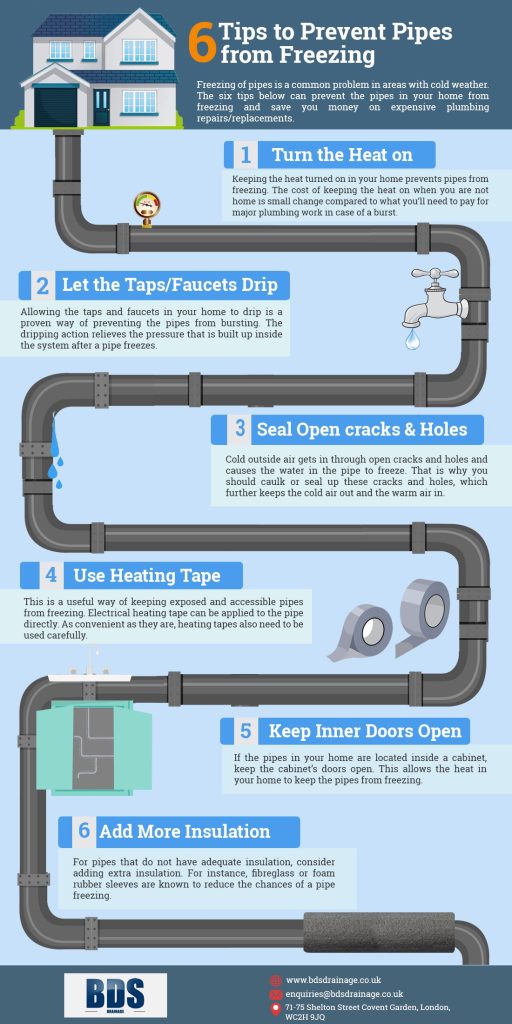
Preventing sewer pipes from freezing saves time and money. Keep pipes insulated and let faucets drip during cold nights. Seal any cracks that let cold air inside your home. Use heat tape on exposed pipes for extra protection. Regularly check pipes in unheated areas like basements or crawl spaces.
Taking these simple steps keeps water flowing smoothly all winter. Stay prepared and avoid costly repairs. A little effort now prevents big problems later. Stay warm and protect your home’s plumbing this winter season.